


Antique Seat
When you handle an antique seat, you hold centuries of domestic life in mahogany, oak, walnut, and elm.
Antique Seat
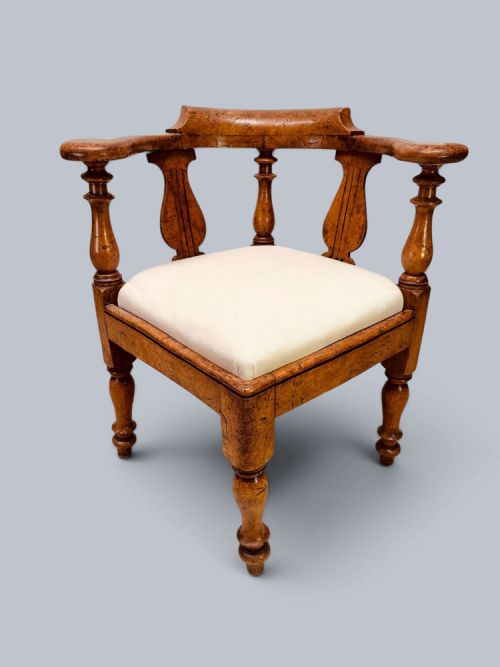
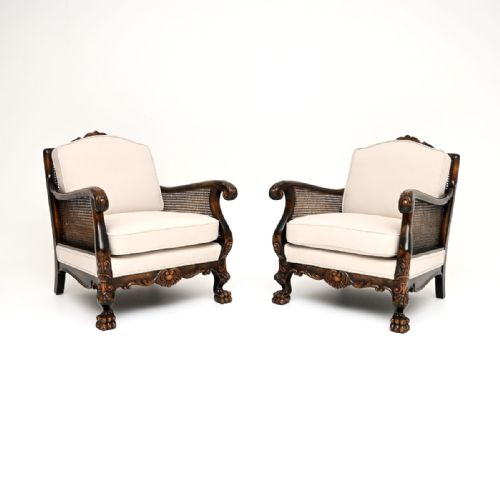
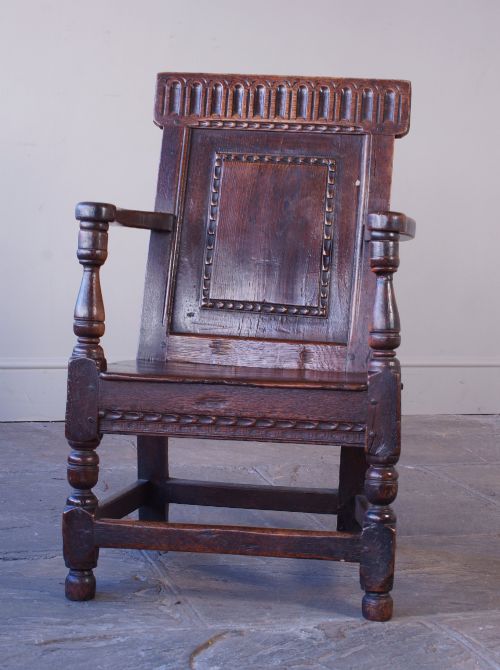
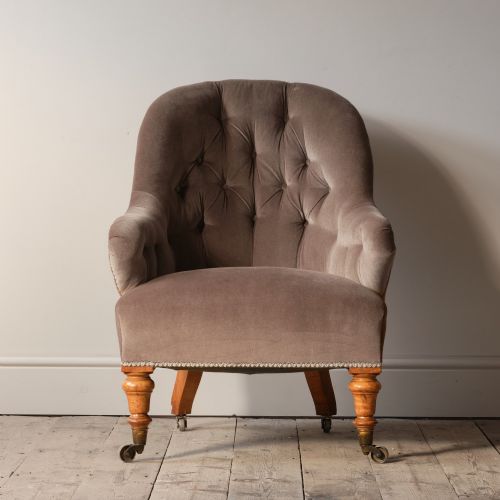
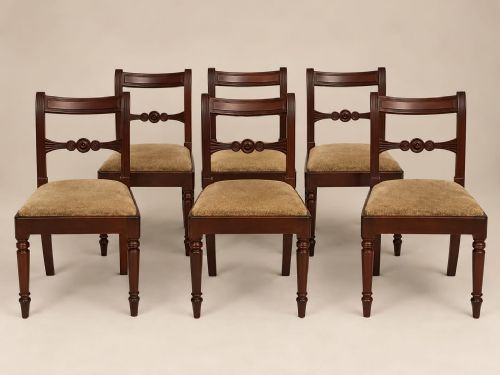
An antique seat encompasses everything from sturdy oak settles and mahogany dining chairs to elegant Victorian nursing chairs and French gilt armchairs. When buyers search for an antique seat, they encounter diverse domestic forms spanning the eighteenth, nineteenth, and early twentieth centuries.
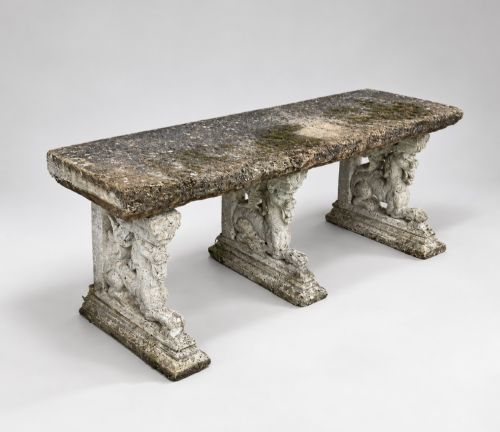
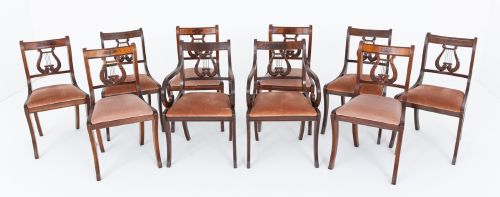
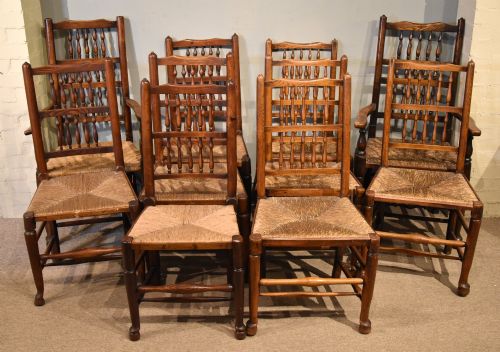
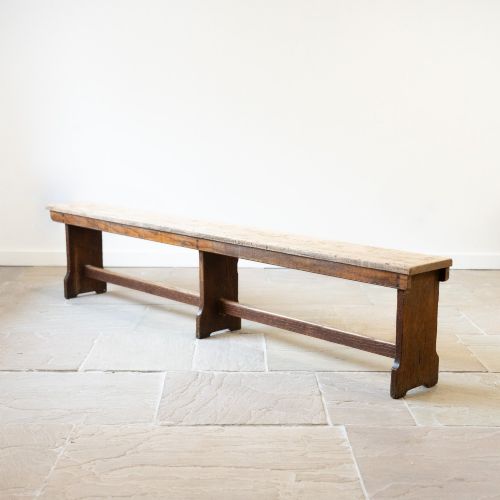
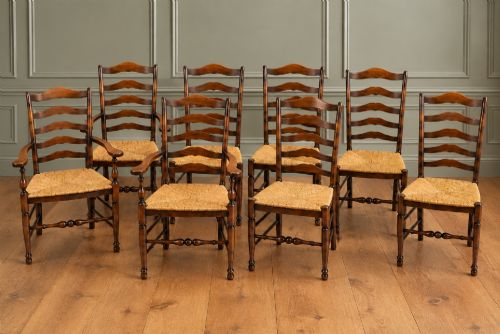
The selection ranges from sets of dining chairs and library armchairs to piano stools, hall benches, and garden seats. Pieces originate from English workshops, Irish makers, French ateliers, and Swedish studios, showing a rich variety of regional craftsmanship.
How they were made
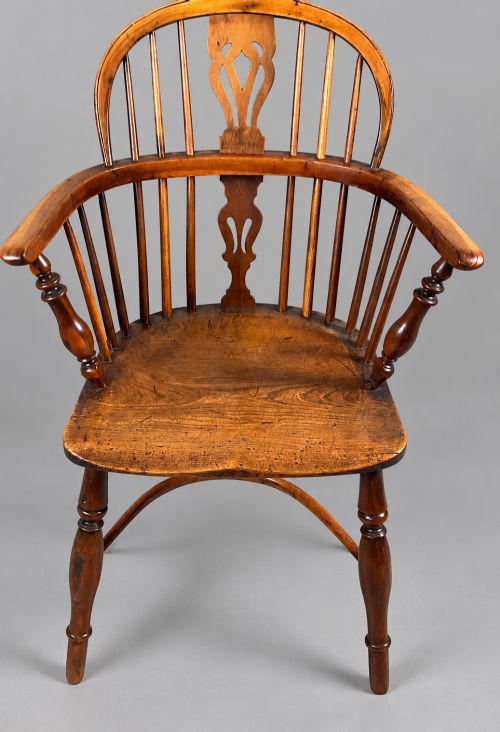
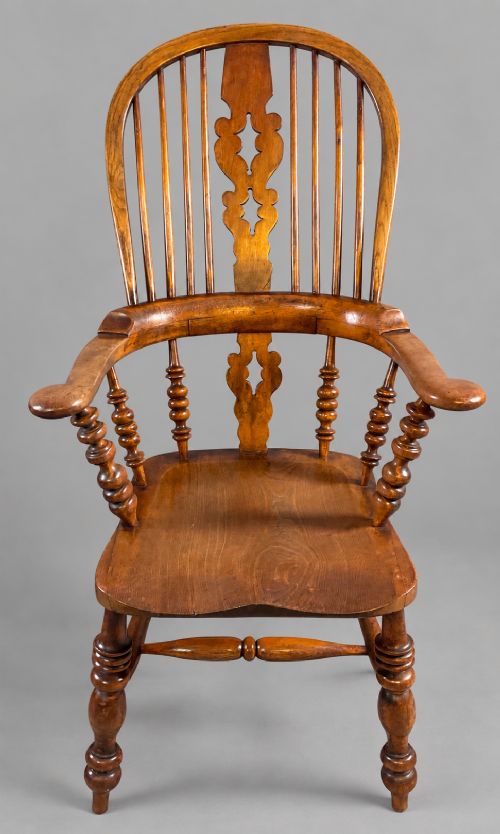
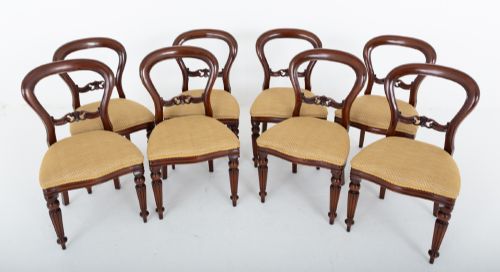
Cabinetmakers and joiners utilised solid hardwoods like mahogany, oak, walnut, elm, and satin birch, often shaping timber through turning, carving, and ebonising. Frames incorporated joinery techniques suited to the form, such as balloon backs on dining chairs or stick backs on Windsor chairs.
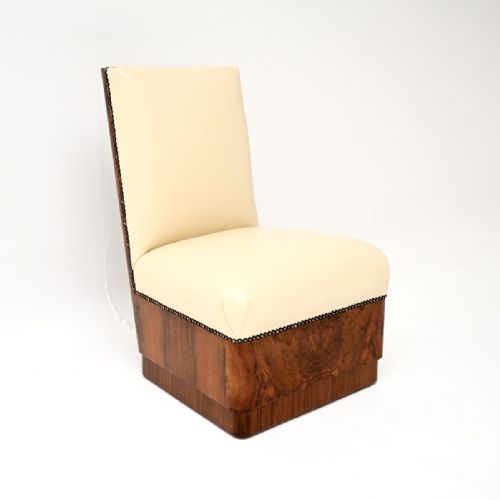
Upholstered items combined traditional stuffing materials with fabrics, leather, floral textiles, and Kilim seat covers, sometimes finished with brass studs or parcel gilt highlights.
Antique Seat Retail Price Guide 2026
Typical asking prices for seat among the pieces listed under this phrase on Sellingantiques today, from the lower quarter to the upper quarter. They describe what is for sale here now, not the wider market.
What varies in quality
The quality of an antique seat rests upon the integrity of its timber frame and the sophistication of its carving or inlay work. Pieces produced by notable cabinetmakers exhibit refined proportions and precise joinery that elevate them above standard utility items.
Originality of the upholstery materials, surface patination, and the retention of maker stamps or paper labels further distinguish exceptional examples from simpler regional country pieces.
Strahan and Co Dublin·LOIDRAULT FRERES PARIS·James Shoolbred·Miles and Edwards·Howard and Sons·Minton
The Antique Seat Glossary
- Settle
- A wooden bench with a high back, solid arms, and often a storage compartment beneath the seat, designed to keep draughts away from the sitter.
- Balloon back
- A rounded, curved chair back popular in Victorian seating that resembles the outline of a hot air balloon.
- Sgabelle
- A light, portable wooden chair of Italian Renaissance origin with a solid panel back and trestle supports.
- Parcel gilt
- A decorative technique where specific carved details or mouldings on a wooden frame are partially covered in gold leaf.
- Biedermeier
- A Central European style dating to the nineteenth century characterised by clean lines, utilitarian comfort, and blonde veneers without excessive ornamentation.
Antique Seat: Frequently Asked Questions
How do I care for an antique wooden chair?
Maintain stable indoor humidity levels and keep wooden frames away from direct heat sources to prevent timber from splitting or warping.
Dust regularly with a dry cloth and apply appropriate beeswax polish sparingly to nourish the polished wood surface.
Can I use antique dining chairs daily?
Most antique dining chairs are structurally robust enough for everyday domestic use provided joints remain tight and secure.
Check the leg joints and stretcher connections periodically to ensure the seating remains stable under regular weight.
How can I tell a Victorian chair from a Georgian one?
Georgian seating often displays restrained classical proportions, carved mahogany frames, and structural joinery typical of eighteenth-century cabinetmaking.
Victorian pieces frequently incorporate bolder curved forms, balloon backs, walnut timbers, or machine-assisted decorative carving techniques.