


Antique Seat Set
When you search for an antique seat set, you are looking at matched groupings of chairs, benches or settees created to furnish period rooms with proportion and purpose.
Antique Seat Set
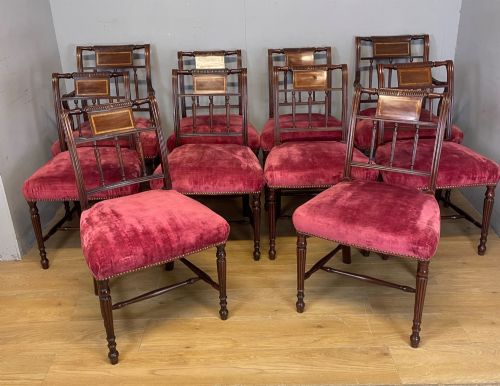
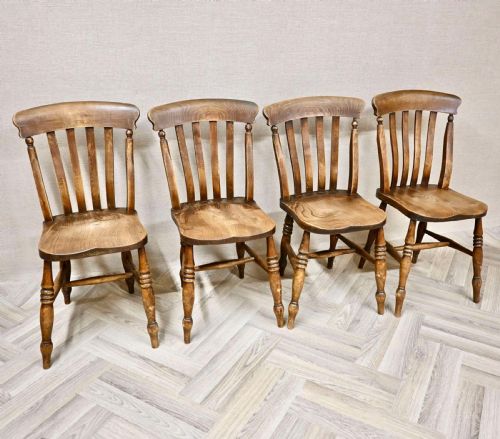
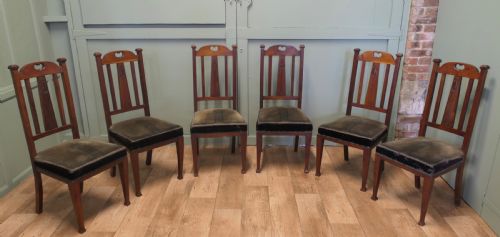
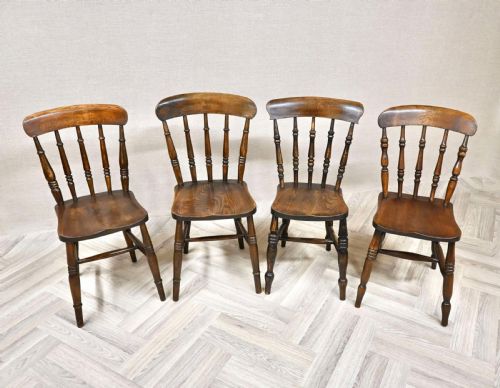
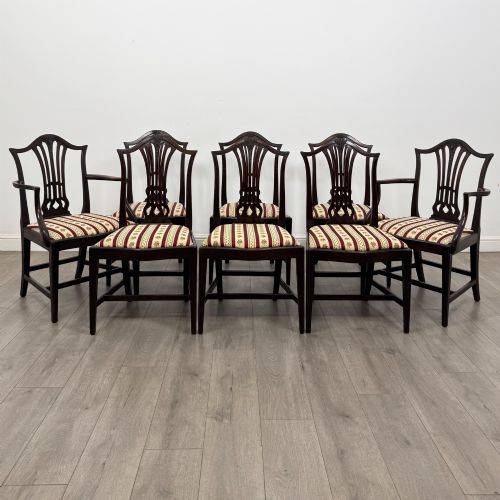
An antique seat set brings together coordinated chairs or benches designed for dining rooms, halls and parlours across the Georgian, Victorian and Edwardian eras. These collections range from small gatherings of four kitchen chairs to extensive dining suites numbering twelve or twenty pieces.
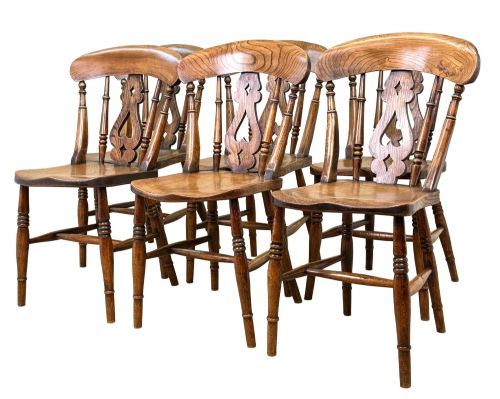
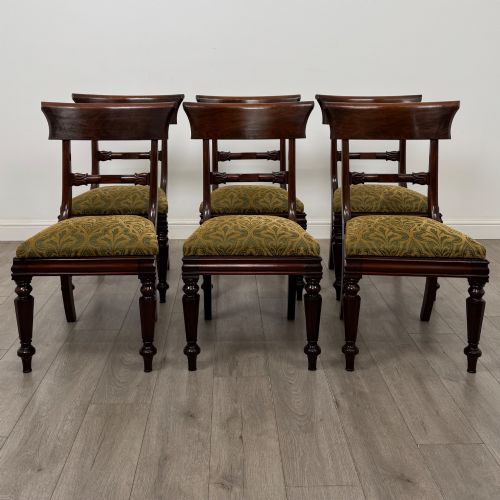
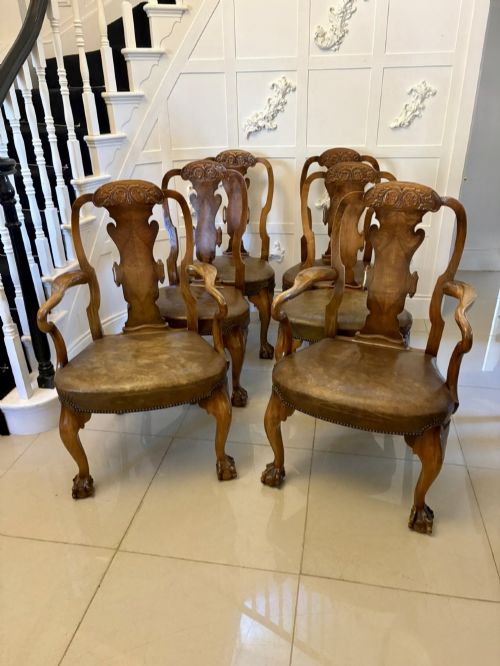
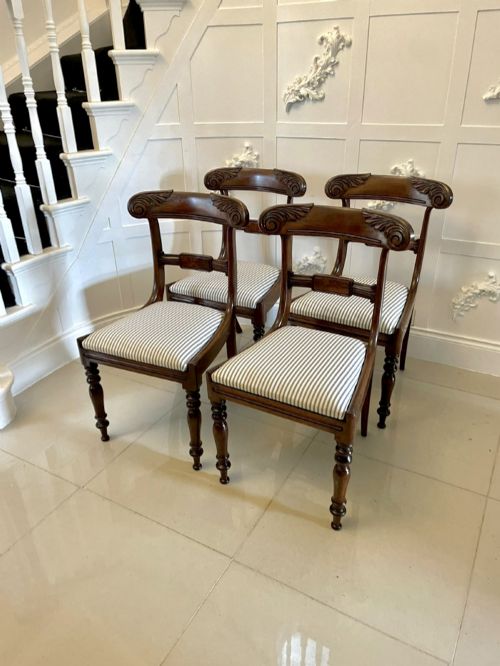
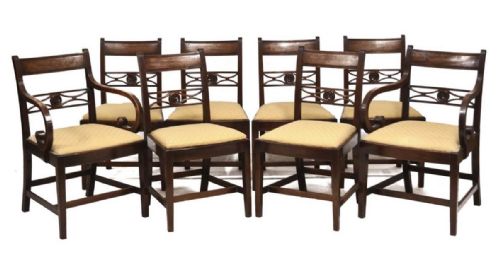
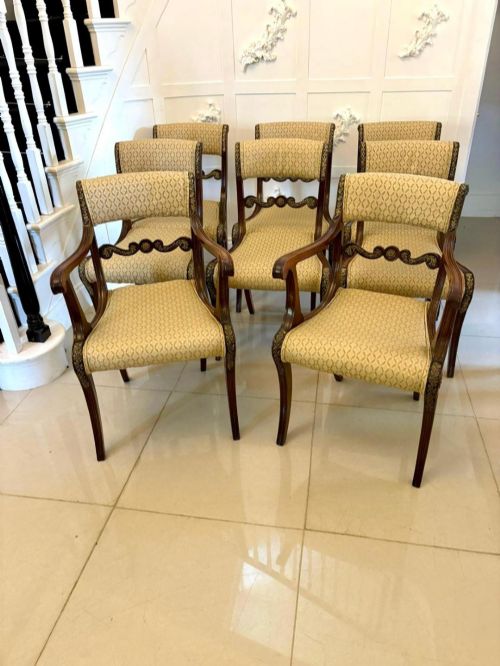
The selections span formal mahogany dining chairs with carved shield or bar backs, rustic elm farmhouse seating, and oak settle benches intended for hallways. Buyers encounter matching sets of side chairs alongside corresponding carver armchairs with integrated elbow rests.
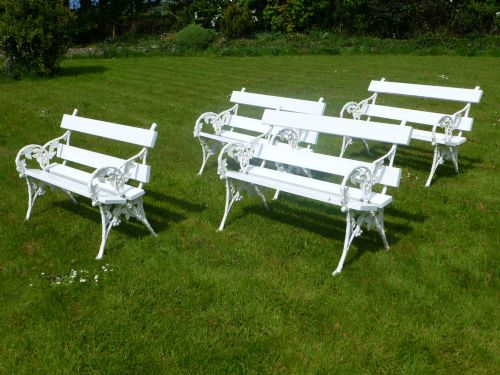
Beyond dining arrangements, the category includes salon suites, garden benches in cast iron, and multi-piece seating groups finished with fabric, leather or rush.
How They Were Made
Cabinetmakers utilised dense hardwoods such as mahogany, oak, walnut and elm, shaping frames through traditional joinery like mortise and tenon. Turning lathes and hand chisels produced detailed splats, reeded legs and carved crest rails on formal pieces, while country workshops relied on simpler forms.
Upholstered elements involved webbing, horsehair stuffing and springs covered in leather, velvet, fabric or satinwood-inlaid woodwork. Caned and rush seating surfaces were hand-woven directly into chair frames using natural plant fibres.
One twenty-piece elm dining set listed here provides enough seating to host a small medieval village for supper.
What Varies in Quality
The calibre of an antique seat set rests upon the crispness of the hand-carved detailing, the integrity of the underlying timber frame, and whether the set remains wholly original rather than later assembled from disparate pieces. Superior examples exhibit tightly fitted joints, uniform grain patterns across all members, and balanced proportions between single chairs and carvers.
Subtleties such as brass inlay, delicate satinwood stringing, or high-relief carving indicate workshops operating at the height of their respective periods. Even in simpler country chairs, the thickness of the turned spindles and the durability of the initial timber selection dictate longevity.
Warings·Falkirk foundry
The Antique Seat Set Glossary
- Carver
- An armchair designed to match a set of single dining chairs, typically positioned at the head of a table. These feature supportive armrests integrated into the upper frame.
- Settle
- A high-backed wooden bench with solid arms and often a storage box beneath the seat, traditionally placed near hearths to block draughts. They appear in oak and pine across Georgian and Victorian country houses.
- Splath
- The vertical wooden strip down the centre of a chair back, supporting the sitter and providing a canvas for stylistic carving or piercing. Variations include fiddle backs, ladder backs and shield backs.
- Rush seat
- A woven seating surface made from dried marsh rushes twisted into cords and hand-lacquered across a timber frame. This technique is common in country kitchen chairs and ladder-back sets.
- Bar back
- A horizontal wooden top rail shaped like a classical architectural frieze, characteristic of dining chairs from the William IV and early Victorian periods.
Antique Seat Set: Frequently Asked Questions
How do I know if a large dining set is completely original?
Examine the underside of the seat frames, the timber species, and the wear patterns across all pieces in the collection. Workshops utilised matching boards from the same log for individual sets, meaning the grain structure and patina should show consistent ageing.
Larger groupings assembled from different sources often display minor variations in height, wood tone, or carving depth upon close inspection. Match marks stamped into the frame rails also help confirm original factory pairing.
Where were settle benches used in historical homes?
Settles served as heavy, multifunctional furniture pieces positioned in hallways, kitchens and cottage entryways. Their high solid wooden backs acted as windbreaks against cold draughts coming through front doors.
The enclosed box base underneath the seat provided hidden storage for boots, textiles and household goods. Oak and pine examples remain popular for modern entrance halls.
Can antique dining chair sets be used daily?
Period dining chairs built from solid mahogany, oak or walnut offer robust structural integrity suitable for regular use. Traditional joinery relies on pegged mortises rather than metal screws, which strengthens the frame over centuries.
Upholstered drop-in seats or cane webbing may require occasional maintenance or re-webbing depending on weight distribution and daily wear. Solid wood seats need only standard polishing and conditioning.