




Antique Seascape Oil Picture
An antique seascape oil picture brings the movement of coastal tides and maritime trade into a room through layered oil paint.
Antique Seascape Oil Picture
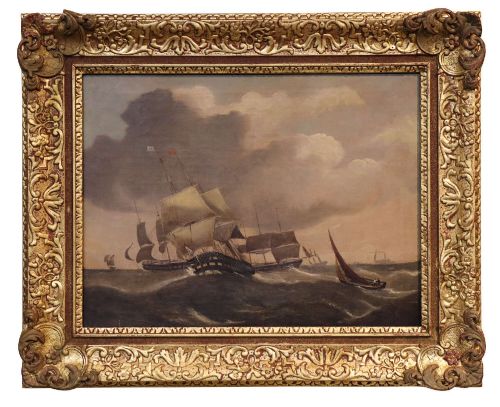
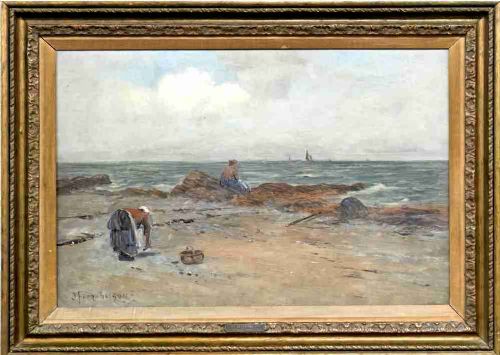
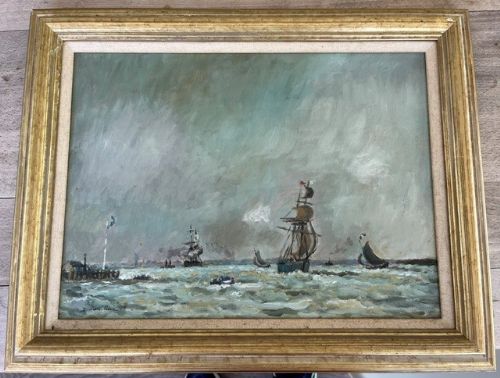
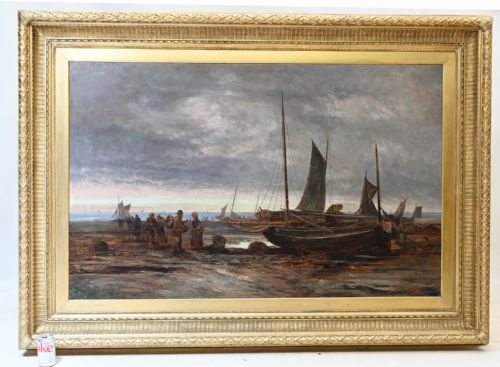
When searching for an antique seascape oil picture, collectors encounter framed canvases and panels depicting coastal scenes, shipping activity, and open water. The most common examples on this page date from the nineteenth century and the Victorian period, reflecting a strong British and European tradition of marine art.
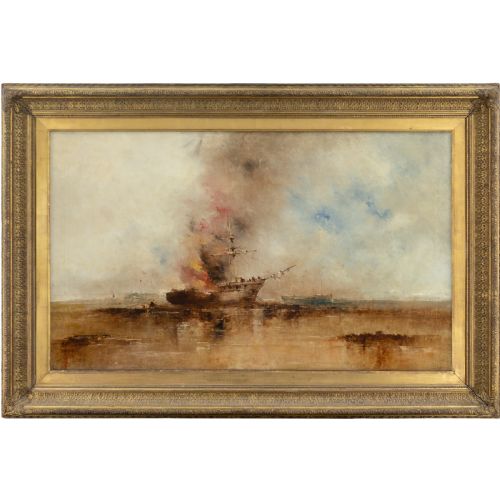
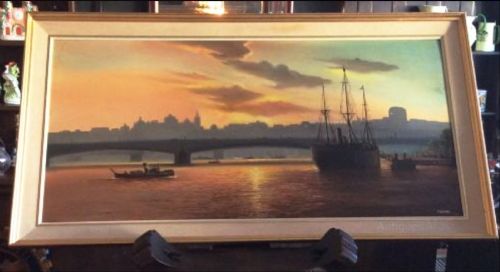
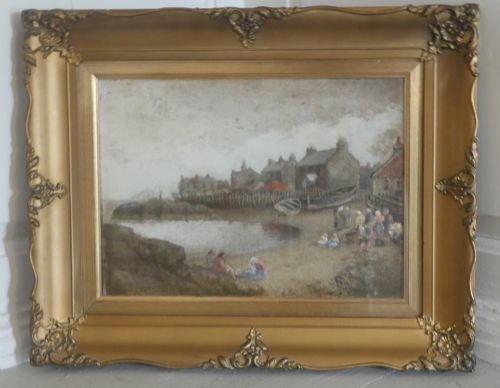
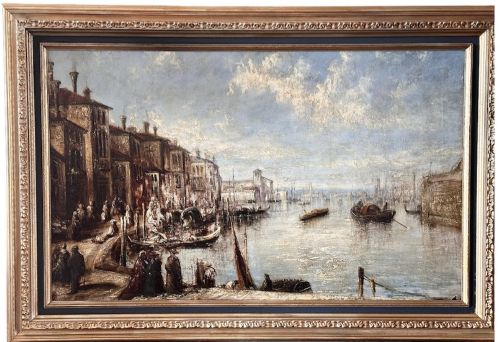
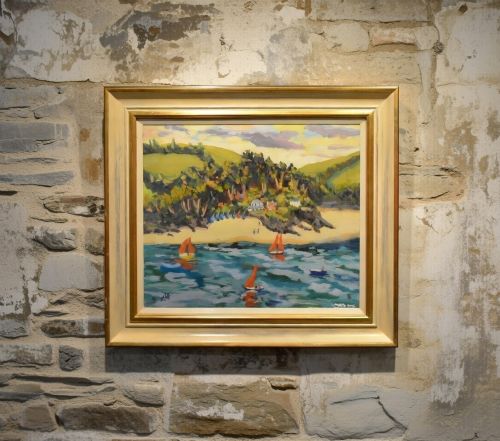
Subjects range from grand coastal views of Venice and the Thames to dramatic shipwrecks, quiet village harbours, and heavy seas. Works span multiple decades, including mid-nineteenth-century academic canvases and later impressionistic interpretations of the coast.
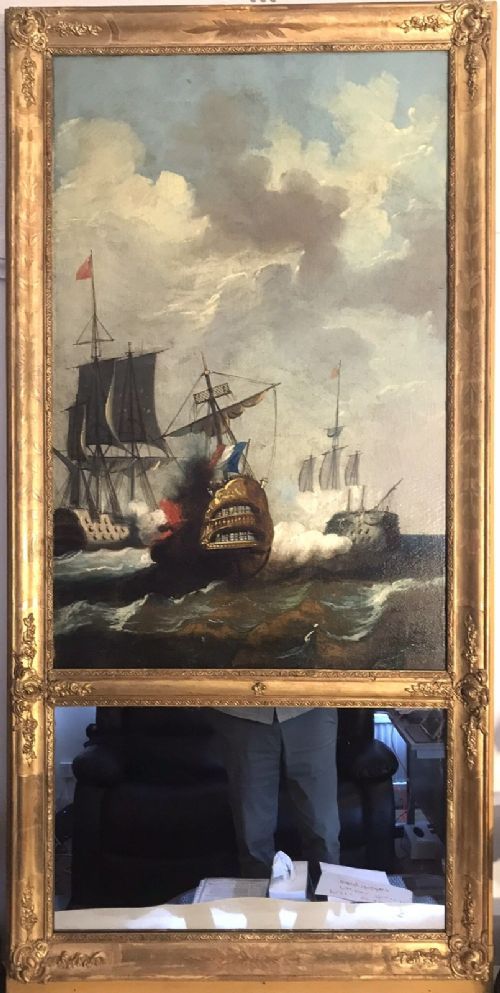
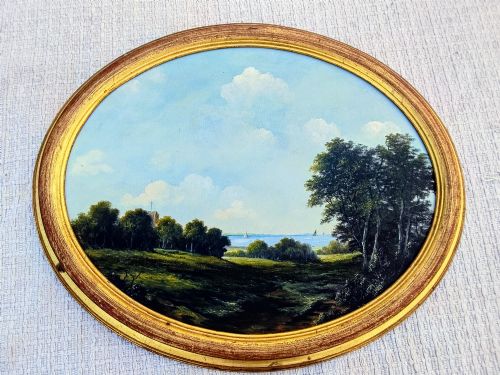
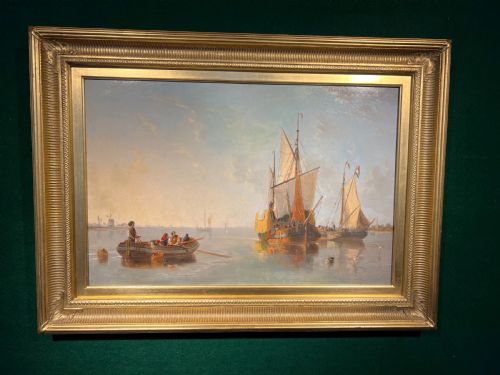
Compositions often feature specific vessels such as galleons, junks, and fishing boats alongside lighthouses, castles, and coastal figures. Canvases appear in various formats, from standard rectangular stretched frames to oval formats and integrated trumeau mirror settings.
Materials and construction
These works rely primarily on oil paint applied to woven canvas stretched over wooden frames, though some later examples utilise oil on board. Painters built up scenes through successive layers of pigment to capture the shifting light on water and the atmosphere of coastal weather.
Many surviving pieces retain their original or period frames constructed from wood with applied gesso, often finished in gilded leaf or giltwood. The weight and ornamentation of these frames frequently correspond to the scale and ambition of the canvas within.
Several canvases capture smoke rising from burning ships and bustling nineteenth-century dockyards filled with international shipping.
Assessing quality
Quality in these works rests upon the artist's ability to render water, light, and architectural or maritime detail with precision and balance. Superior paintings demonstrate careful handling of tone in turbulent seas or luminous skies, avoiding flat application of colour.
The integrity of the original canvas surface and the retention of crisp detail in the brushwork distinguish finer examples from standard commercial studio productions. Additionally, the craftsmanship of the period frame adds significant character and contextual value to the piece.
William McAlpine·Francis Moltino·John Wilson Carmichael·Joseph Farquharson·Charles William Wyllie·Charles Napier Hemy·Gustave De Bréanski·James Webb·John Douglas Perrett·Jane Vivian·Alfred Pollentine·Consalvo Carelli·William Raymond Dommersen·Alfred Henry Vickers·George Henry Knight·Thomas Rose Miles·Ebeneezer Colls
The Antique Seascape Oil Picture Glossary
- Trumeau mirror
- A decorative wall mirror incorporating a painted panel, often positioned above a fireplace or within wood-panelled rooms.
- Gesso
- A plaster-like mixture applied to wooden frames as a smooth base before gilding.
- Giltwood
- Wood carved and covered with a thin layer of gold leaf or metallic powder.
- Impressionism
- A style of painting emphasising spontaneous brushwork and the play of natural light rather than rigid academic detail.
Antique Seascape Oil Picture: Frequently Asked Questions
What subjects appear in these paintings?
Paintings record a variety of maritime and coastal subjects, including bustling ports, naval battles, shipwrecks, and quiet fishing villages. Scenes frequently feature named waterways, specific vessels, and coastal landmarks across Britain, Europe, and Asia.
Artists focused on capturing the changing moods of the sea, from calm Venetian lagoons to turbulent coastal waters and heavy channel storms.
How do I date a marine oil painting?
Dating relies on stylistic evidence, artist signatures, framing techniques, and the type of canvas or stretcher used. Victorian works often display detailed realism, whereas later twentieth-century pieces adopt looser impressionistic brushwork.
Documentation on the reverse of the canvas or historical records of the depicted vessels also help establish a reliable timeframe.
Where were these maritime scenes painted?
Works originate primarily from British and European artistic traditions, depicting local waters alongside international ports such as Venice, Hong Kong, and the Mediterranean. Many artists travelled extensively along coastlines to sketch and paint life at sea directly from observation.
Studio painters then translated these field sketches into large-scale exhibition canvases.
How should I care for an oil painting?
Keep paintings away from direct sunlight, high humidity, and rapid temperature fluctuations to protect the canvas and underlying paint layers. Dust the surface gently with a soft, dry brush without applying pressure to the pigment.
Avoid using water or cleaning solutions on the paint or the giltwood frame.