
Antique Sculpture Decor
Antique sculpture decor brings sculptural presence into daily interiors through diverse historical figures, animals and architectural ornaments.
Antique Sculpture Decor
Antique sculpture decor encompasses a wide variety of sculptural forms created to adorn domestic spaces, including standalone statues, bookends, candlesticks, desk tidies and wall ornaments. These objects function as decorative focal points within a room, merging utility with artistic expression.
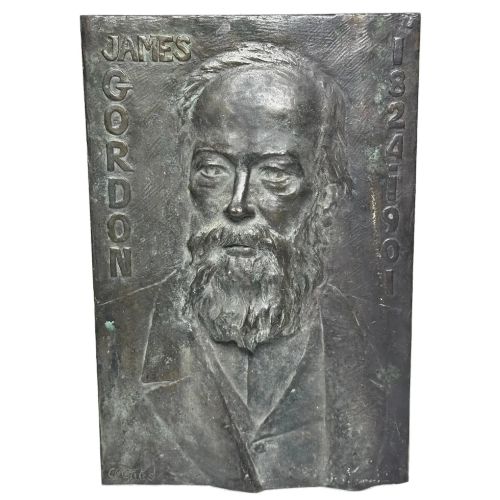
The selection ranges from Victorian animal figures and Edwardian portraits to Art Deco figures and Egyptian Revival pieces. Buyers frequently encounter materials such as bronze, carved wood, marble and painted plaster spanning the nineteenth and early twentieth centuries.
How they were made
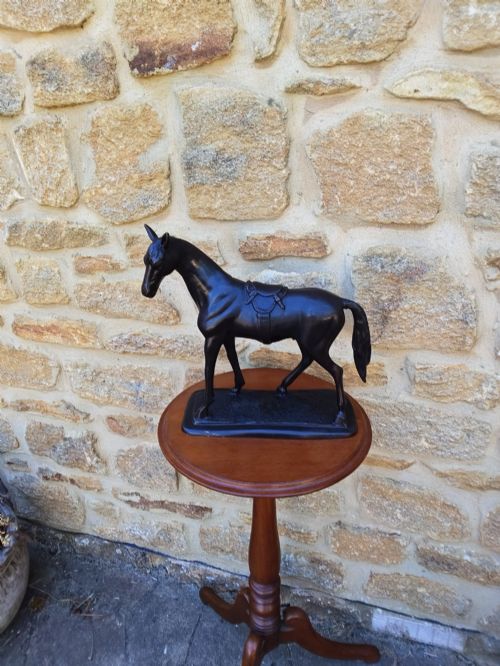
Metal sculptures utilise traditional casting techniques, including lost-wax bronze casting and cast iron production, often finished with cold-painted polychromy or gilt details. These metallic processes allow for fine anatomical and ornamental detailing on figures and desk accessories.
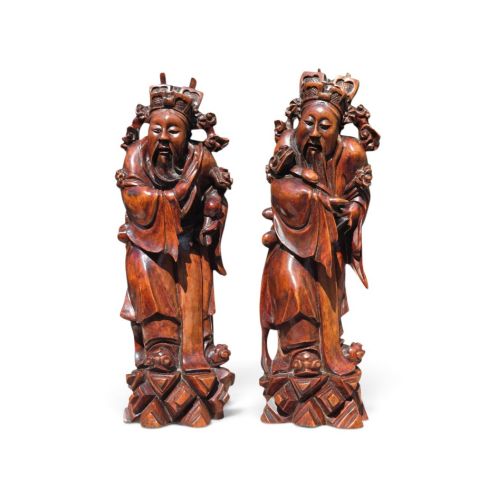
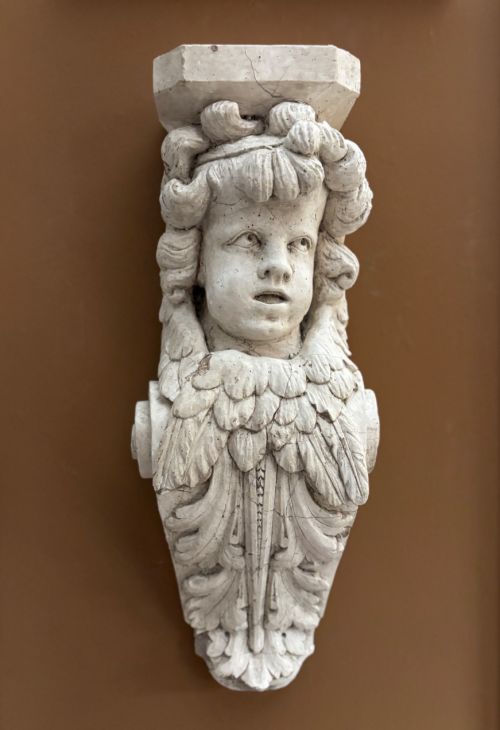
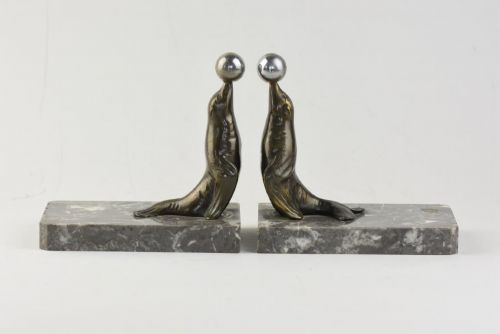
Wooden and stone pieces rely on hand-carving methods applied to hardwoods, pine and marble. Artisans shape these dense materials into intricate animal forms, architectural corbels and bookends, occasionally mounting figures onto granite or marble plinths.
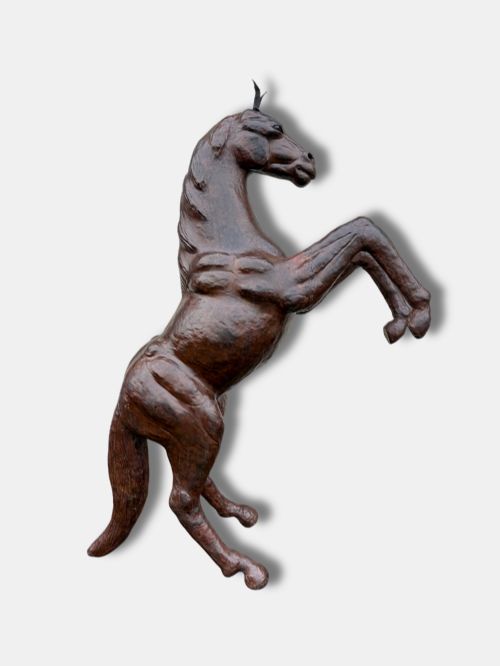
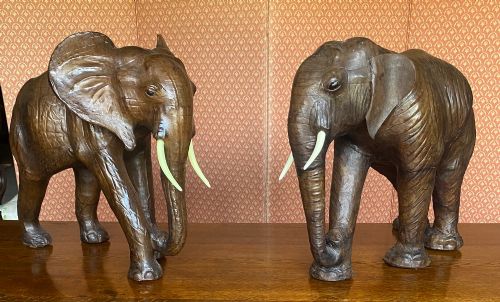
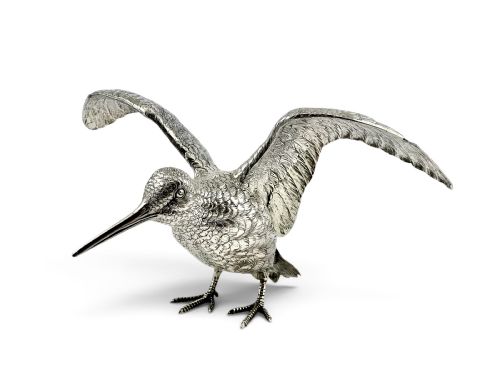
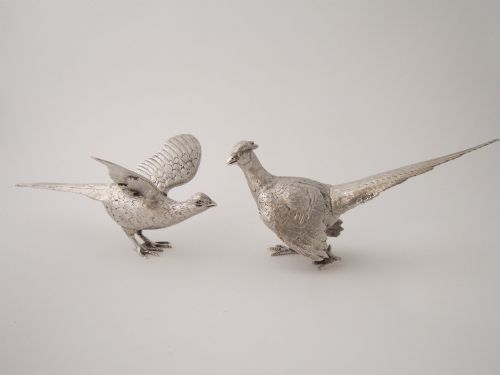
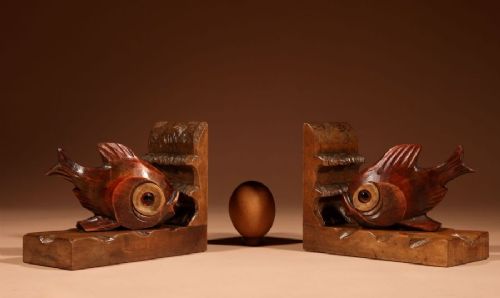
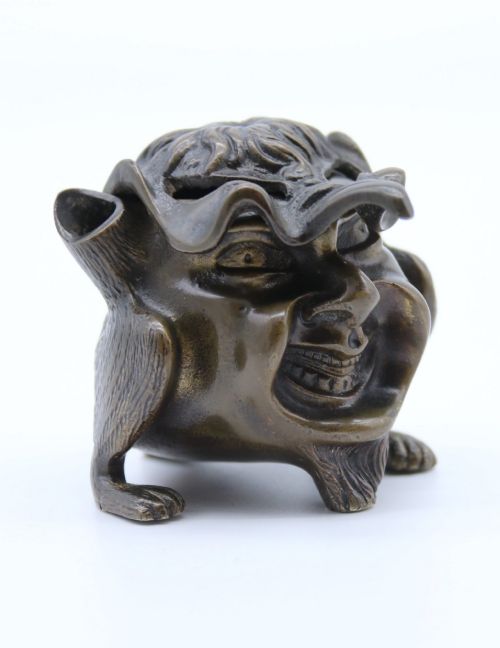
Among the menagerie of creatures are leather horses, goldfish bookends, a grotesque inkwell and an assortment of wooden decoys.
What varies in quality
Quality depends upon the sharpness of the cast and the precision of the hand-finishing, where finer metalwork retains crisp surface texture and nuanced cold-painted or gilt colouration. Inferior examples exhibit softer details and heavier, less articulate casting.
Material selection and carving depth dictate the standing of carved wooden and stone objects, with deep, expressive chisel work distinguishing superior decorative items from simpler production pieces.
Liberty of London·Poix Blin·Alice Gates·G J Lines·Franz Xaver Bergman·Pierre Lenordez·Coustou·Remington
The Antique Sculpture Decor Glossary
- Cold-painted
- A technique where paint is applied to metal objects without heat firing. This finish is particularly characteristic of Vienna bronzes.
- Animalier
- A nineteenth-century artistic style focusing on the realistic depiction of animals. Sculptures in this category frequently capture beasts in motion.
- Spelter
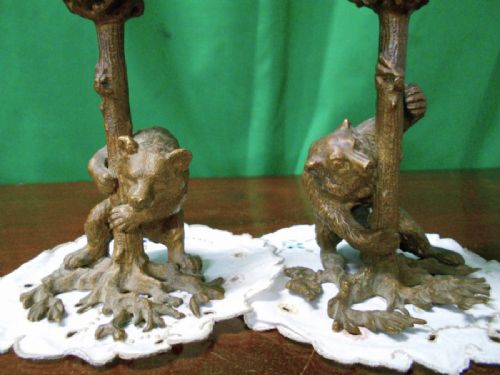
- A zinc alloy used as a cheaper alternative to bronze for decorative figures and candlesticks. It is often given a bronze-like coating to imitate heavier metal.
- Gilt gesso
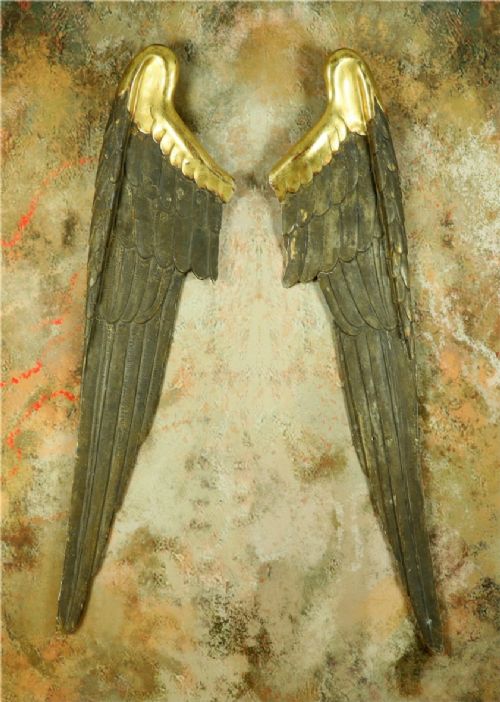
- A plaster-based compound applied to wood surfaces and coated in gold leaf or gilt paint. It provides a luminous decorative finish on carved architectural elements.
Antique Sculpture Decor: Frequently Asked Questions
What materials are common in antique sculpture decor?
The selection includes cast bronze, carved wood, marble, leather and painted plaster. These materials reflect the diverse manufacturing practices of the nineteenth and early twentieth centuries.
Individual pieces often combine substances, such as bronze figures mounted upon marble plinths or leather-covered wooden animal frames.
How do I identify Art Deco pieces?
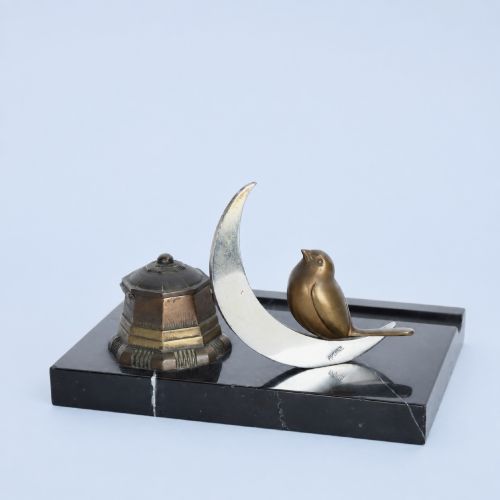
Art Deco items typically date from around 1930 and display streamlined geometries, stylized animal forms and polished black marble. Figures from this period often feature female nudes or modern birds.
These designs contrast sharply with the ornate detailing of earlier Victorian and Egyptian Revival works.
Where were these decorative objects placed?
Many items served practical domestic functions alongside their decorative appeal, including bookends, inkwells, candlesticks and desk tidies. They were designed to adorn desks, mantelpieces and tables.
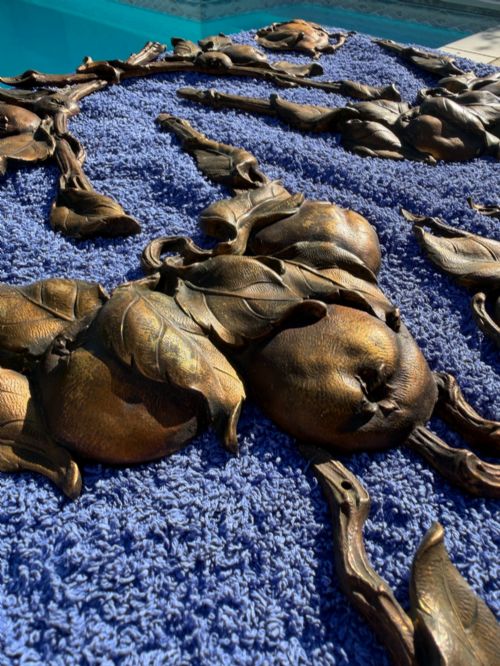
Larger items, such as wall corbels and architectural appliques, were integrated directly into room interiors.
What is Egyptian Revival decor?
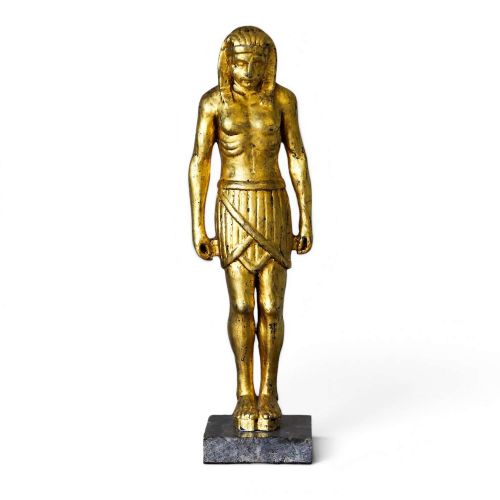
Egyptian Revival objects incorporate ancient motifs such as sphinxes and shabtis, often rendered in gilt bronze or granite. This style experienced revivals during the Victorian era and into the twentieth century.
Such pieces reflect a fascination with archaeological discoveries and classical antiquity.