

Antique Satinwood Pedestal
An antique satinwood pedestal brings luminous timber and classical form to a room, offering functional elegance through desks, tables, and cabinets.
Antique Satinwood Pedestal
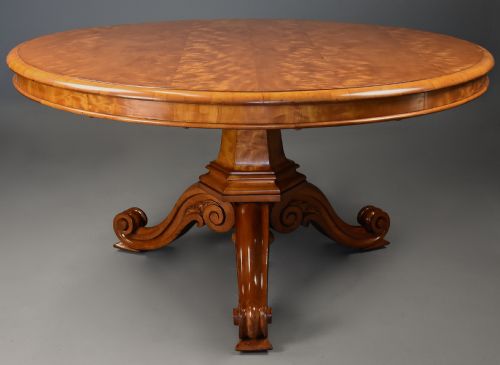
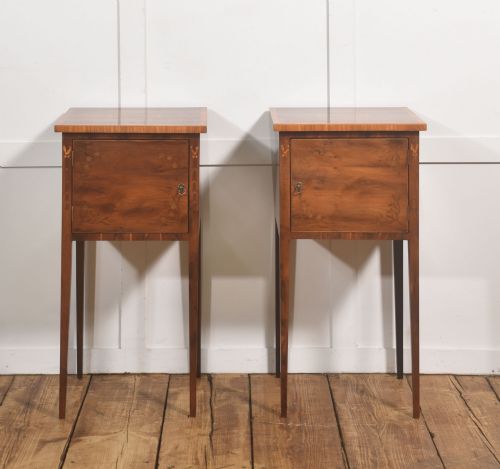
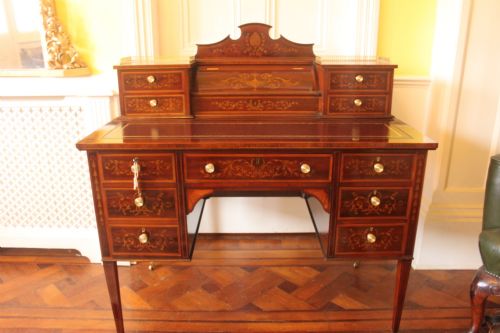
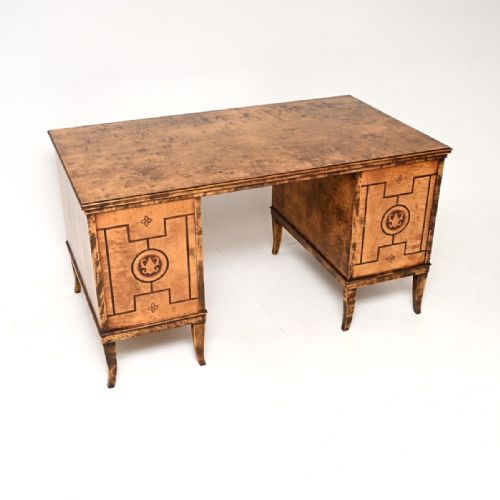
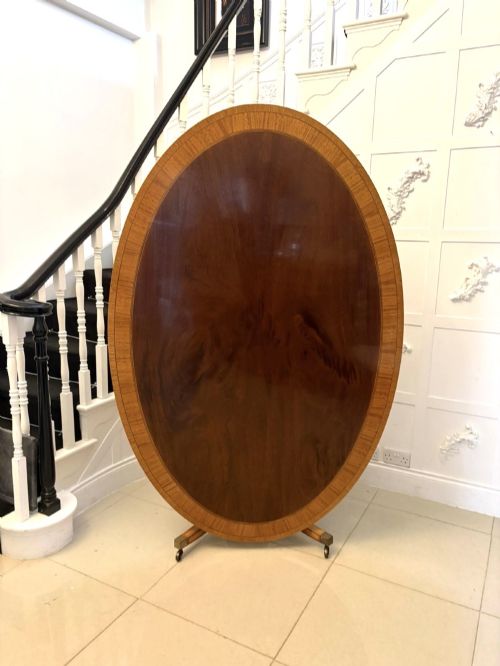
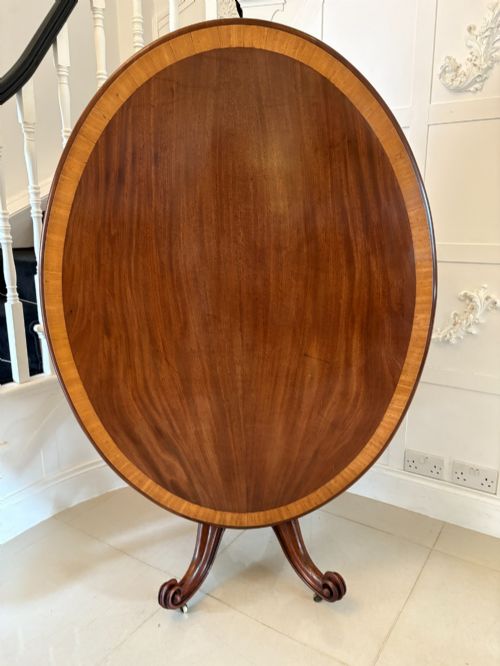
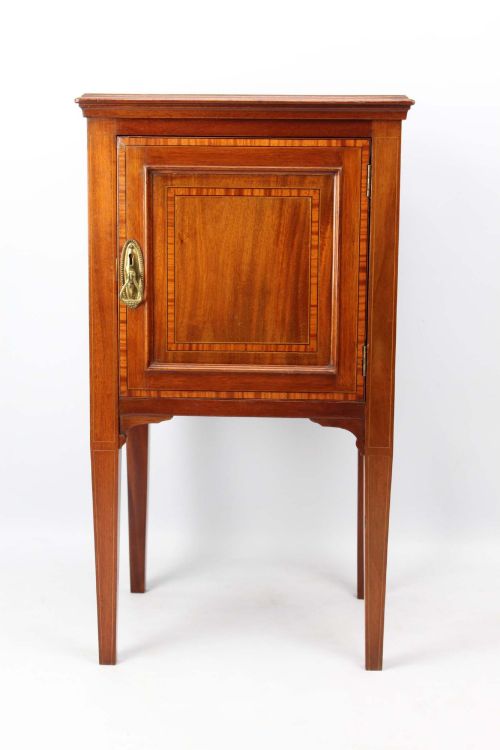
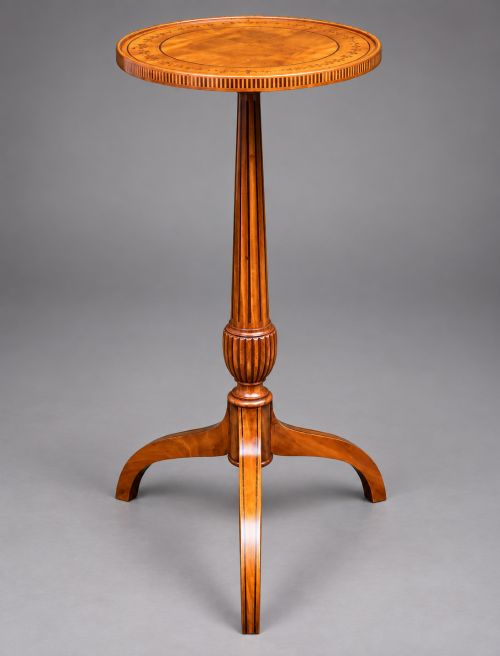
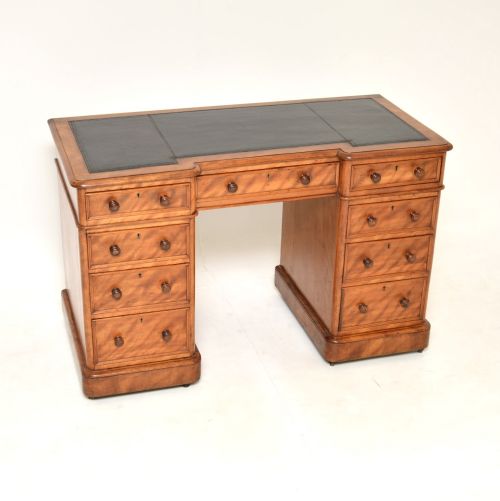
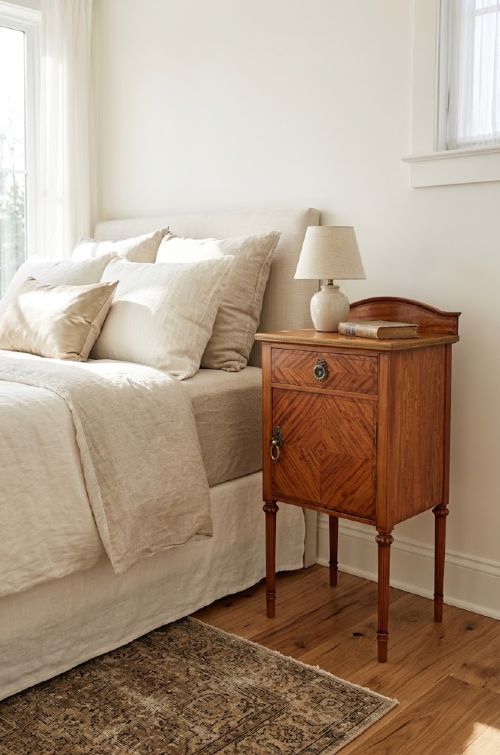
An antique satinwood pedestal encompasses a variety of forms including pedestal desks, writing tables, bedside cabinets, and plant stands. The pieces span periods from the Georgian era through the Victorian and Edwardian phases into the Art Deco period of the 1930s.
Desks with leather tops and central pedestals appear frequently, alongside smaller bedside tables and occasional stands. Makers utilised satinwood either as solid timber or as fine veneers applied over foundational woods like mahogany.
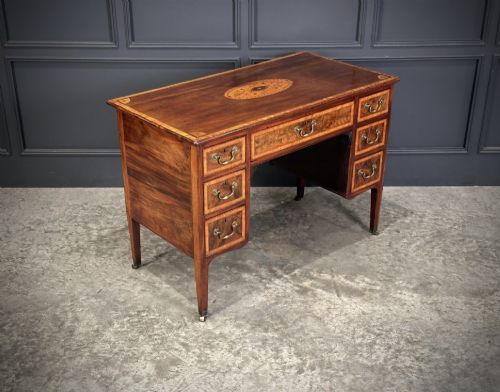
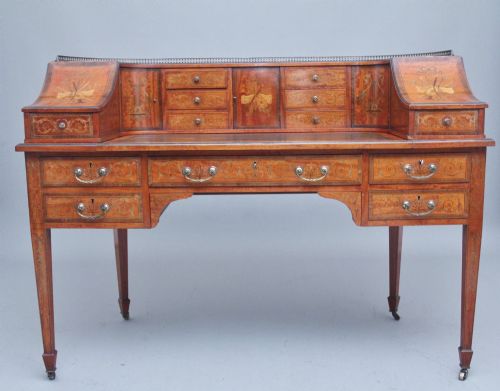
The aesthetic leans heavily toward Sheraton Revival and neoclassical designs, featuring delicate inlay work and contrasting timber borders. Buyers encounter pieces ranging from compact Edwardian bedside chests to large Victorian partners desks.
Materials and construction methods
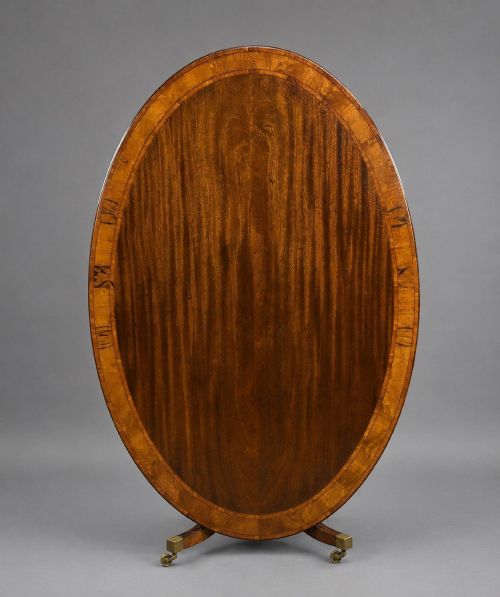
Cabinet makers constructed these pieces using dense structural timbers such as mahogany or satin birch for stability, applying figured satinwood veneers to the visible surfaces. Crossbanding in rosewood, ebony, or mahogany often frames the central satinwood panels.
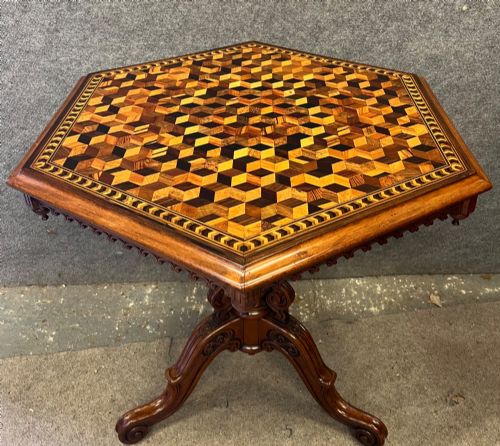
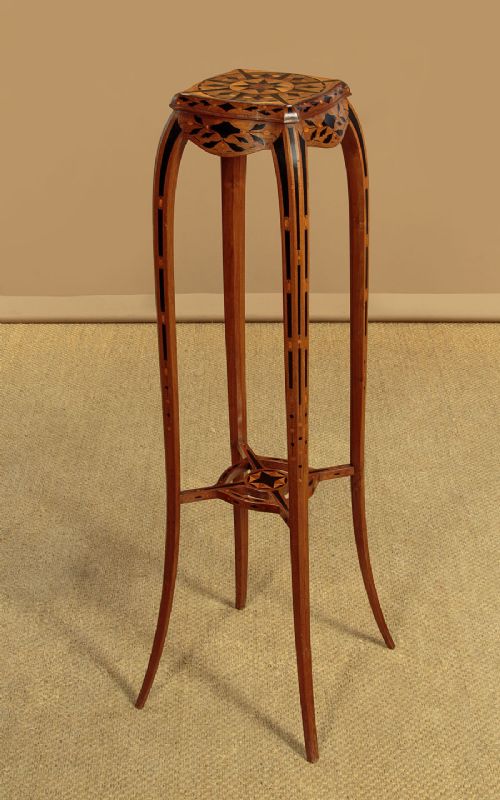
Inlay and marquetry feature extensively, incorporating contrasting woods to create geometric patterns and classical motifs. Brass handles, leather writing inserts with gold tooling, and glass components complete the construction of the finer desks and tables.
Listings feature pieces spanning from the late eighteenth century through the Georgian, Victorian, and Edwardian eras, extending into 1930s Art Deco.
Distinctions in craftsmanship and finish
Quality reveals itself in the choice of timber and the precision of the veneer work. Highly figured satinwood exhibits a natural chatoyancy that shifts in the light, whereas lesser pieces utilise plain, uniform cuts of timber.
The refinement of the internal construction, the crispness of the marquetry inlay, and the retention of original hardware such as brass handles and leather inserts distinguish workshop production from standard commercial output.
Edwards & Roberts·Gillows·Morant & Co London·Maple & Co·Mercier Frères·Peters of Genoa
The Antique Satinwood Pedestal Glossary
- Satinwood
- A lustrous, hard timber native to Ceylon and the West Indies, prized for its golden colour and reflective sheen. It was frequently used for high-status furniture during the eighteenth and nineteenth centuries.
- Crossbanding
- A border technique where veneer strips are applied perpendicular to the main grain of the furniture. This frames the primary panel with a contrasting linear pattern.
- Pedestal
- A structural support base taking the form of a column, plinth, or cabinet beneath a desk or table. In pedestal desks, twin banks of drawers support the writing surface.
- Marquetry
- The art of applying small pieces of veneer to a structure to form decorative pictures or patterns. Craftsmen utilised various exotic woods to achieve tonal contrast.
- Sheraton Revival
- A late nineteenth and early twentieth century design movement inspired by the neoclassical furniture of George Sheraton. It is characterised by slender proportions and satinwood veneers.
Antique Satinwood Pedestal: Frequently Asked Questions
How do I date an antique satinwood pedestal desk?
Dating relies on stylistic clues, construction methods, and secondary woods. Pieces from the Georgian and Regency periods show hand-cut dovetails and solid timber framing, while Victorian and Edwardian examples often employ machine-sawn elements and distinct revival styles.
The presence of maker stamps from firms like Edwards & Roberts or Maple & Co helps pinpoint manufacture to the late nineteenth or early twentieth centuries.
Were these pieces used primarily as office furniture?
While pedestal desks served administrative and writing functions in libraries and studies, the broader category includes bedside cabinets, plant stands, and dining tables. Smaller tables functioned in drawing rooms for holding lamps or display items.
The inclusion of kidney shapes and Carlton House desks indicates specialised writing furniture designed for domestic rather than strictly commercial use.
How should I care for satinwood veneer?
Satinwood requires protection from direct sunlight to preserve its golden tone and prevent the veneer from drying out. Regular dusting with a soft, dry cloth maintains the surface without the need for heavy silicones.
Maintaining a stable room humidity prevents the timber beneath the veneer from expanding and causing lifting or cracking in the surface.
What is the difference between satinwood and satin birch?
Satinwood is a tropical hardwood known for its dense grain and intense golden chatoyancy. Satin birch is a European hardwood treated or selected for its pale, shimmering grain that mimics the appearance of true satinwood.
Victorian cabinet makers frequently utilised satin birch as an accessible alternative when crafting kneehole desks and tables.