


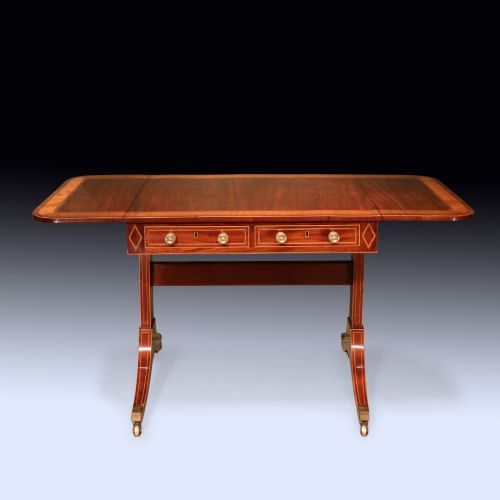
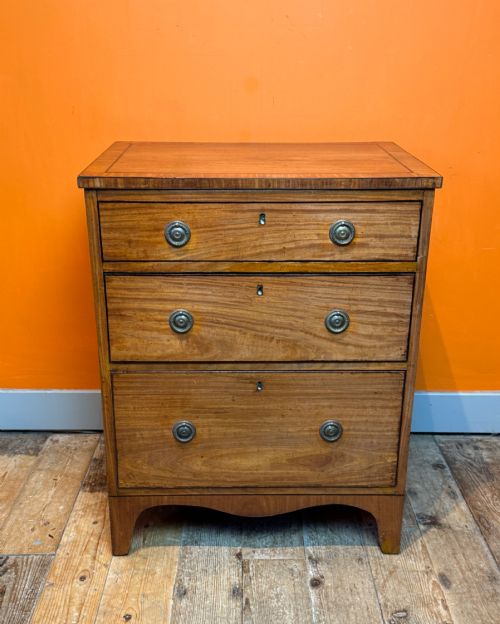
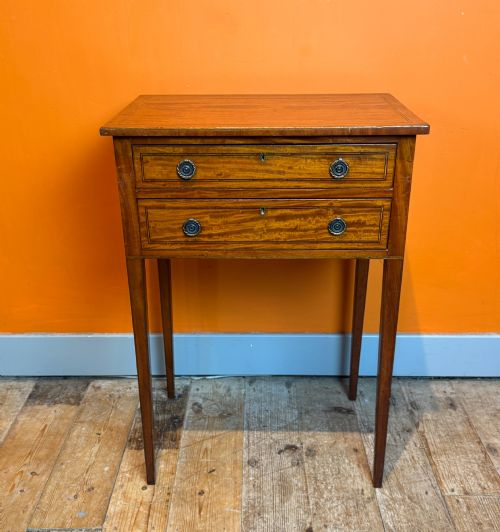
Antique Satinwood Inlay
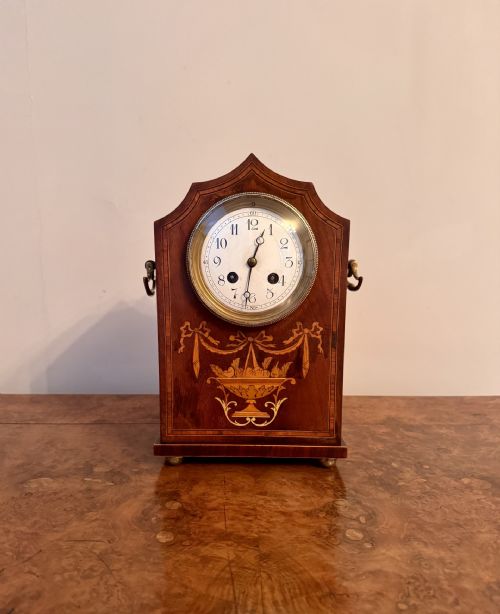
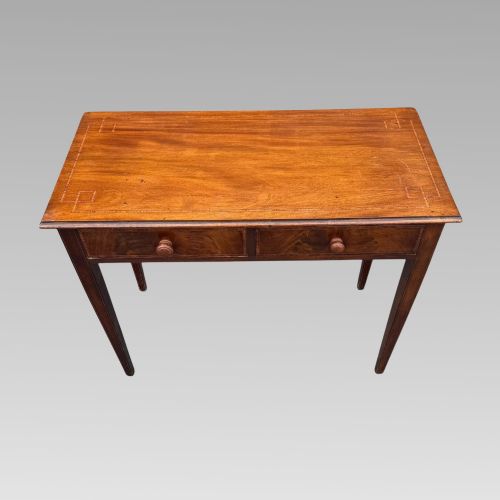
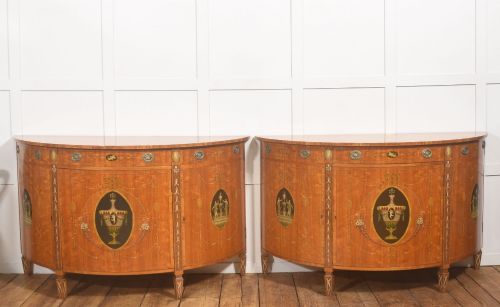
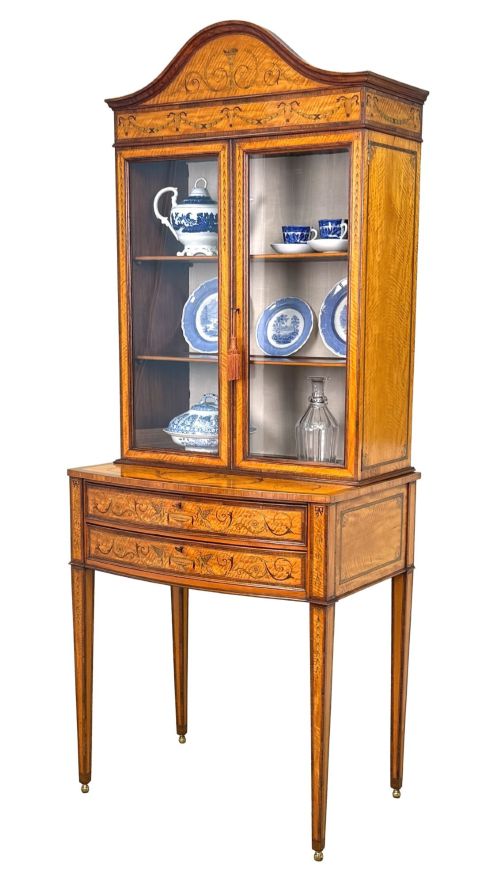
These pieces of antique satinwood inlay bring light golden timber and sharp contrasting stringing into period rooms, spanning Edwardian, Georgian, and Regency eras.
Antique Satinwood Inlay
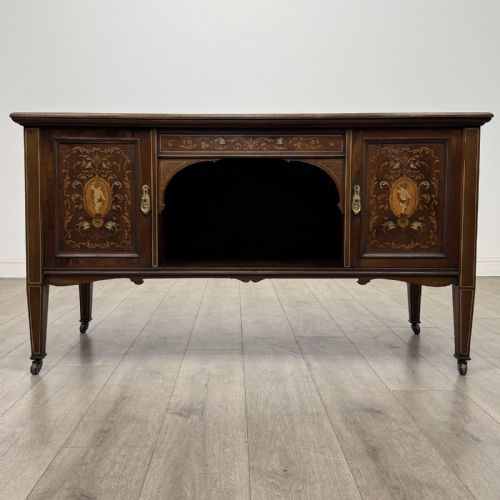
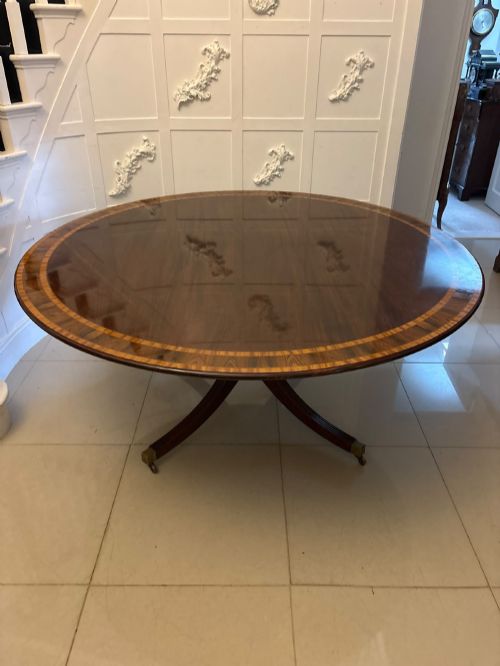
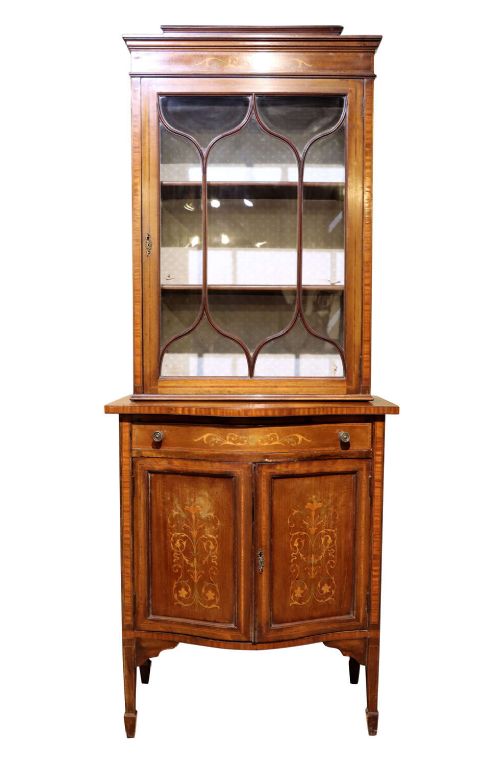
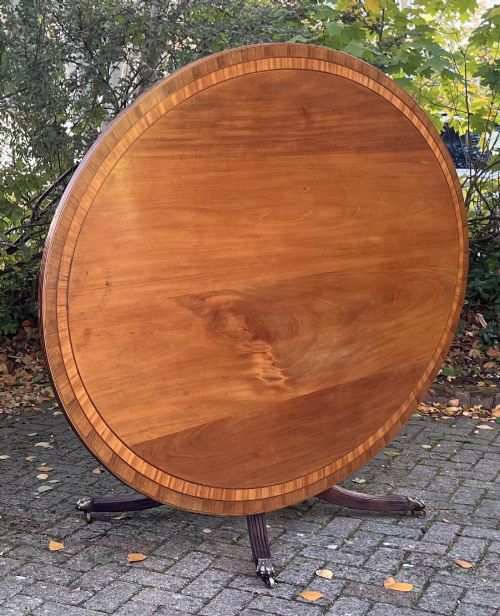
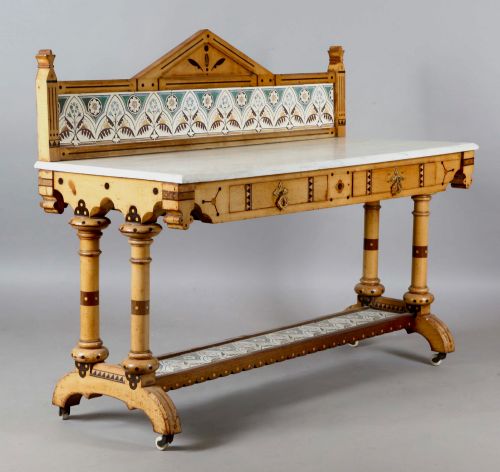
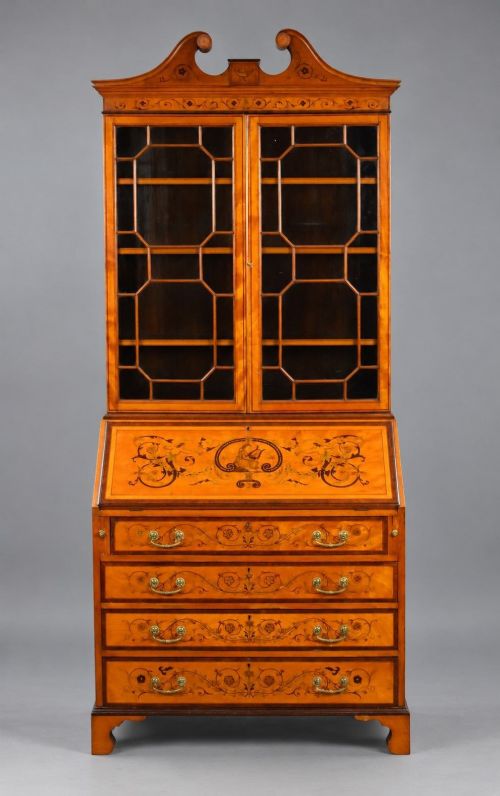
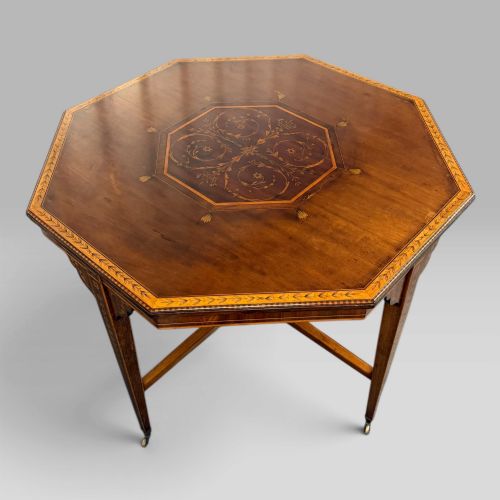
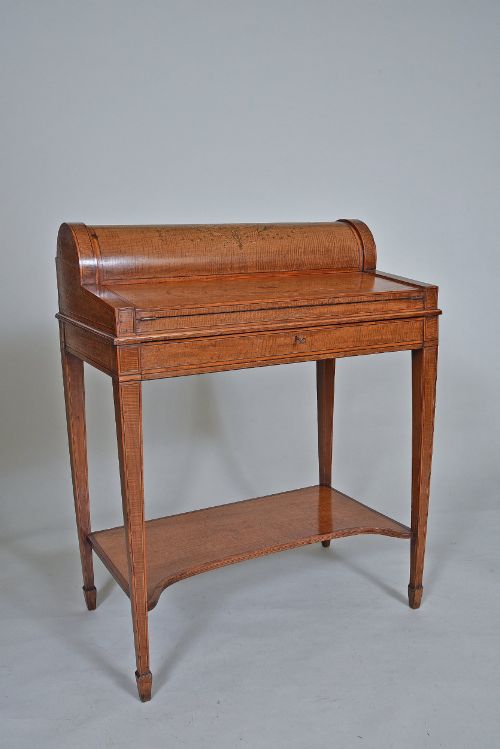
When you search for antique satinwood inlay, you encounter furniture built from the eighteenth century through to the Edwardian period, with Edwardian pieces appearing most frequently on this page. These items include display cabinets, desks, occasional tables, sideboards, bookcases, bedside cabinets, and nests of tables.
The aesthetic relies on pale exotic timbers contrasting against darker primary woods such as mahogany, arranged in cabinets, writing desks, and tables. Many examples draw on Georgian and Regency design idioms, alongside Sheraton Revival and Neoclassical Revival interpretations executed in Edwardian workshops.
How they were made
Cabinet makers utilised solid and veneered mahogany as a primary structural carcase, applying figured satinwood veneers to prominent flat surfaces. Contrasting lines of boxwood and ebony formed delicate stringing and geometric borders around panels.
Inlayers employed marquetry techniques to cut pictorial or floral motifs into veneers, securing them within recess channels before final polishing. Secondary elements like brass handles, glass door panels, and occasional maple or birch components completed the construction.
Antique Satinwood Inlay Retail Price Guide 2026
Typical asking prices for satinwood inlay among the pieces listed under this phrase on Sellingantiques today, from the lower quarter to the upper quarter. They describe what is for sale here now, not the wider market.
Materials recorded across the inventory include mahogany, satinwood, ebony, boxwood, brass, glass, and maple.
What varies in quality
Quality separates ordinary production pieces from exceptional items through the crispness of the inlay work and the selection of timber figures. Richly grained satinwood and finely figured mahogany denote superior workshops rather than standard commercial output.
The precision of the mitres, the subtlety of the boxwood and ebony stringing, and the structural integrity of the carcase determine the standing of each item. Maker attribution, such as pieces bearing the mark of Edwards and Roberts, Maple and Co, or Waring and Gillow, indicates elevated craftsmanship.
Waring and Gillow·Maple and Co·Edwards and Roberts
The Antique Satinwood Inlay Glossary
- Satinwood
- A lustrous, hard timber native to Ceylon and the West Indies, prized for its golden yellow colour and reflective sheen. It forms the primary contrasting veneer on many inlaid pieces.
- Inlay
- A decorative technique where small pieces of contrasting wood, such as ebony or boxwood, are inserted into recessed cavities in the wood surface to create patterns. This defines the linear detail on table tops and cabinet doors.
- Crossbanding
- A border of veneer laid around the edges of a panel with the grain running perpendicular to the central wood. It frames drawer fronts and table tops.
- Marquetry
- The art of forming decorative patterns by fitting together thin veneers of various coloured woods. It produces floral and classical motifs on Edwardian and Georgian furniture.
- Sheraton Revival
- A late nineteenth and early twentieth century design movement that reinterpreted the light, neoclassical furniture forms of the eighteenth century designer Thomas Sheraton. It accounts for much of the Edwardian satinwood inlay on this page.
Antique Satinwood Inlay: Frequently Asked Questions
What is antique satinwood inlay?
It refers to period furniture decorated with contrasting light golden satinwood veneers and detailed stringing. The pieces span 18th century origins through to Edwardian revivals.
Craftsmen used this bright timber to highlight panels on desks, cabinets, and tables. The resulting contrast gives the wood a luminous quality.
How do I care for satinwood furniture?
Keep these items away from direct sunlight and strong heat sources to prevent the light veneers from fading or splitting. Regular dusting with a dry, soft cloth maintains the polished finish.
Avoid liquid cleaners and silicone sprays, applying a traditional beeswax polish sparingly instead. This preserves the natural lustre of the satinwood and the surrounding mahogany.
How do I date an inlaid piece?
Examine the secondary woods, construction methods, and overall design style to establish the period. Edwardian Sheraton Revival pieces often feature machine-sawn veneers and lighter internal timbers.
Earlier 18th century and Regency examples display hand-cut joinery and heavier structural timbers beneath the decorative surface. Maker signatures and stamps can also confirm the date of production.
Where were these pieces used?
Owners placed them in principal reception rooms, drawing rooms, and formal libraries of period homes. Display cabinets and occasional tables showcased decorative objects.
Desks and secretaire bookcases provided functional writing spaces for the household. Their refined appearance suited public entertaining rooms rather than private utility areas.