







Antique Satinwood Casket
An antique satinwood casket brings warm golden grain and refined cabinetry into a room, offering a tactile home for small treasures.
Antique Satinwood Casket
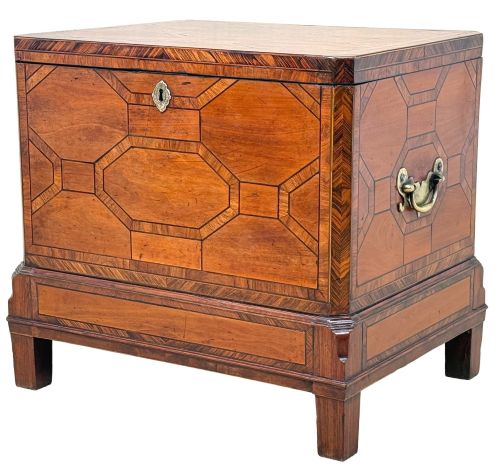
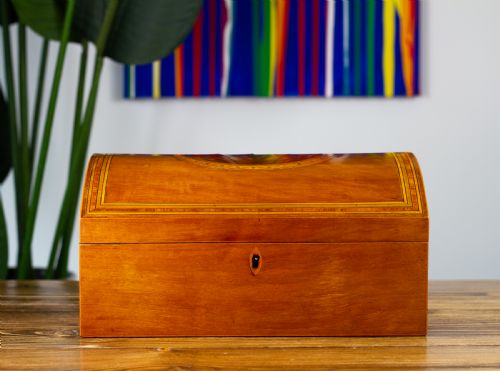
When you search for an antique satinwood casket, you are looking at small storage pieces fashioned from exotic timber, primarily encountered on this page as decorative boxes, jewellery boxes, and card boxes. These containers date from the eighteenth and nineteenth centuries, spanning George II, George III, Regency, and Victorian periods.
The forms vary from simple table boxes to specialised cellarettes, ballot boxes, and stationery boxes. Most examples originate from English workshops or French makers, reflecting the refined tastes of their respective eras.
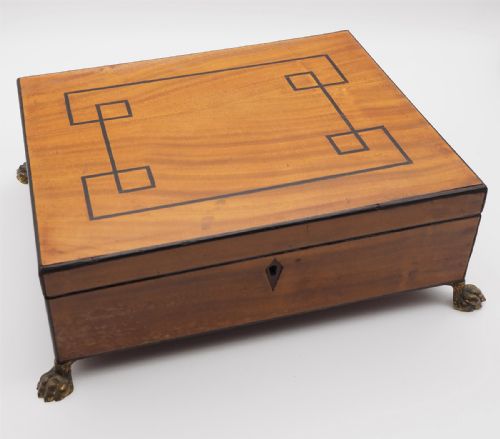
You are most likely to meet Regency and nineteenth-century French pieces on this page, often enhanced with contrasting stringing or inlaid details. They survive as functional objects that still serve to organise letters, cards, and trinkets on a desk or dressing table.
How they were made
Cabinetmakers utilised the blonde, light-reflecting qualities of satinwood as a primary veneer, frequently contrasting the pale ground with darker timbers such as ebony, kingwood, and calamander. These exotic veneers were painstakingly laid over a solid secondary wood carcass using traditional animal glues.
Metalwork played a crucial structural and decorative role, with brass hinges, escutcheons, and cut steel ornamentation applied to secure corners and frame the lids. Fine stringing and banding required immense precision from the artisan to achieve crisp geometric or linear patterns across the box surfaces.
Antique Satinwood Casket Retail Price Guide 2026
Typical asking prices for satinwood casket among the pieces listed under this phrase on Sellingantiques today, from the lower quarter to the upper quarter. They describe what is for sale here now, not the wider market.
The object types on this page include letter boxes, needlework chests, and playing card containers.
What varies in quality
The distinction between standard examples and superior pieces rests on the choice of timber and the precision of the parquetry or stringing. Master craftsmen selected satinwood with particularly striking chatoyancy and paired it with scarce contrasting woods like calamander.
Execution of the hardware and interior fittings separates the finest work from ordinary production. Original, patinated brass mounts and carefully fitted velvet or paper interiors indicate a higher tier of commission.
The Antique Satinwood Casket Glossary
- Satinwood
- A dense tropical hardwood known for its luminous, golden-yellow sheen and silky texture. It became a favourite timber for high-end cabinetry during the eighteenth and nineteenth centuries.
- Kingwood
- A richly figured dark violet-brown timber with lighter golden streaks, frequently used for contrasting banding and crossbanding on fine boxes. It adds depth and framing to paler woods.
- Cellarette
- A lockable container originally designed to hold bottles of wine or spirits, though smaller variants served for other valuables. They often feature robust construction and secure locking mechanisms.
- Cut steel
- Small studs or faceted steel beads riveted to a backing plate to sparkle like marcasite or diamonds. This technique adorned nineteenth-century French letter boxes and decorative items.
- Escutcheon
- A flat plate of brass or metal surrounding a keyhole to protect the surrounding wood from wear. On these pieces, they range from simple geometric shapes to ornate engraved designs.
Antique Satinwood Casket: Frequently Asked Questions
What did people store in these boxes?
Owners used these containers to secure letters, playing cards, needlework implements, and personal jewellery. The variety of internal configurations reflects the specific daily domestic tasks of past households.
Stationery boxes held writing paper and envelopes, while specialised card boxes kept game counters and ecarte decks neatly contained.
How do I date a satinwood box?
Dating relies upon observing the construction methods, prevailing furniture styles, and the combination of contrasting veneers. Georgian and Regency pieces often display restrained classical lines with linear stringing, while later nineteenth-century examples might incorporate bolder French influences.
Hardware styles, lock mechanisms, and secondary woods also offer vital clues to the decade of manufacture.
Can I use these boxes for storage today?
These caskets remain entirely suitable for holding modern trinkets, cufflinks, keys, and desk accessories. Their durable construction allows them to perform their original function on a modern dressing table or sideboard.
Care should be taken to keep them away from direct sunlight and extreme humidity to protect the delicate antique veneers.
Are French boxes different from English ones?
French boxes from the nineteenth century frequently lean towards decorative embellishment, utilising cut steel, elaborate brass mounts, and varied forms like ballot boxes. English examples from the Georgian and Regency eras tend to focus on architectural proportions and timber contrasts.
Both traditions demand high levels of cabinetmaking skill, though their aesthetic priorities diverge.