


Antique Sarcophagus Caddy
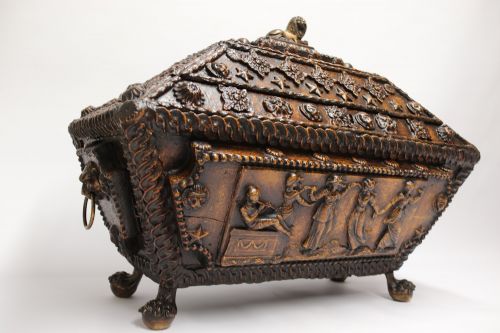
An antique sarcophagus caddy brings architectural dignity to domestic storage, offering structured compartments for precious leaves within a sloping, classical form.
Antique Sarcophagus Caddy
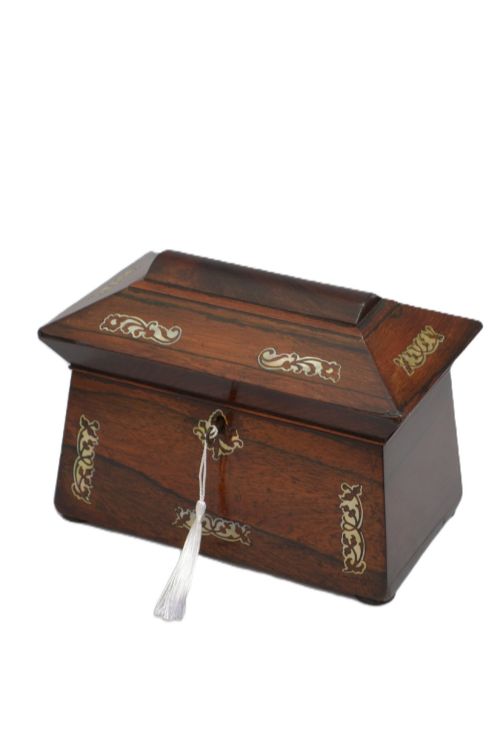
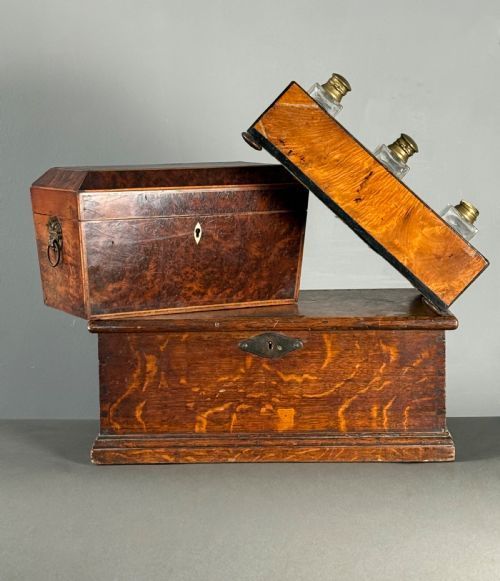
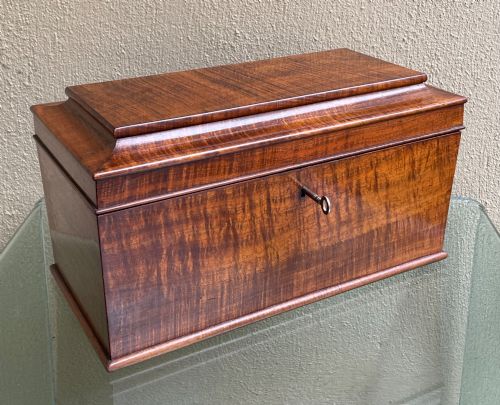
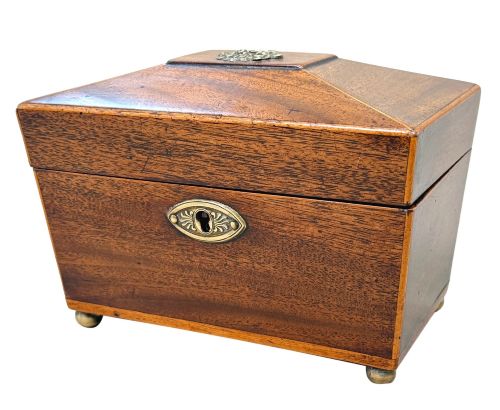
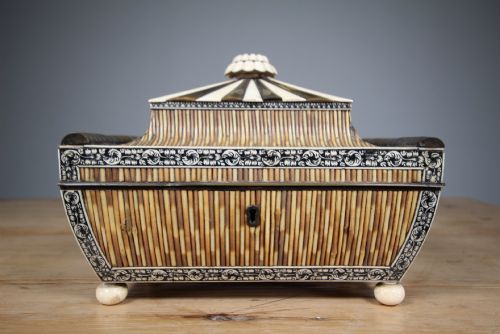
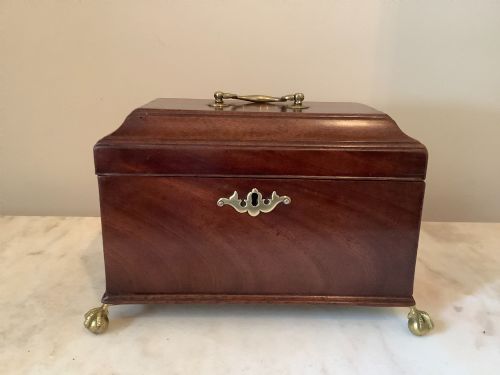
An antique sarcophagus caddy takes its name from classical burial monuments, adopting a heavy, sloping-lidded box shape that sits upon compressed feet or plinth bases. These pieces emerge predominantly during the Georgian, Regency, and William IV periods, spanning from the late eighteenth century through the mid nineteenth century. Alongside tea caddies, the form extends to larger cellarettes, wine coolers, and decorative caskets designed for high-status interiors.
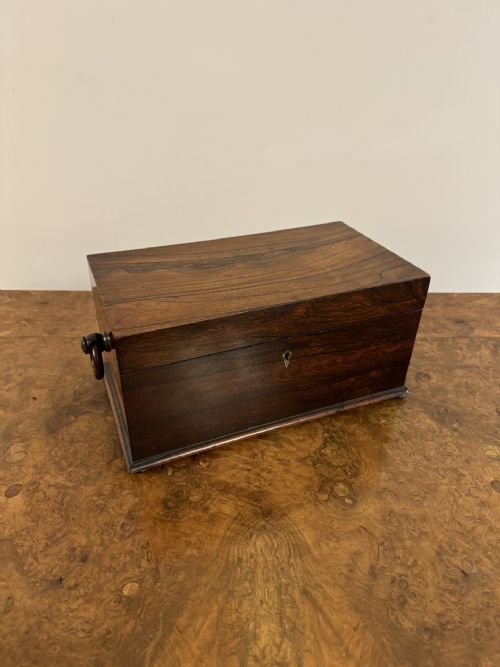
Rosewood and mahogany dominate the offerings, frequently enhanced by exotic veneers such as burr elm, satinwood, and amboyna. The interior arrangements vary from single compartments to dual lidded canisters flanking central glass mixing bowls. Secret drawers and internal fittings demonstrate the ingenuity applied to domestic containment during these eras.
Materials and Technique
Cabinetmakers construct these boxes using dense native and imported timbers, applying figured veneers like flame mahogany and rosewood over solid framework. Brass inlay, bone, boxwood stringing, and mother-of-pearl embellish the exterior surfaces through precise marquetry and parquetry techniques. Heavy cast components such as lion mask handles and locking escutcheons require robust internal framing to support their weight.
Internal compartments often feature tightly fitted secondary lids designed to preserve the aroma of expensive leaves. Specialised treatments include gesso decoration and specialised Tunbridge Ware mosaic work, showcasing diverse regional woodworking traditions across England.
Several boxes contain cunning secret drawers designed to outwit curious guests dipping into the tea stores.
Design and Execution
Quality rests upon the selection of timber veneers and the crispness of brass or marquetry inlay. Superior examples display continuous grain matching across the sloping lid and body, alongside finely carved feet and handles. The integration of functional elements, such as working locks with original keys and intact cut glass mixing bowls, elevates the standing of an individual piece.
Interior architecture signals distinction, particularly where secondary lidded compartments survive alongside secret drawers. Finer workshops utilise contrasting exotic woods with precise geometric stringing rather than relying on plain secondary timbers.
Gillows·Henry Hollamby
The Antique Sarcophagus Caddy Glossary
- Sarcophagus caddy
- A container modeled on ancient tomb designs featuring a stepped or sloping lid and a substantial rectangular or tapered body. This architectural silhouette remains characteristic of upscale Regency and Georgian storage pieces.
- Teapoy
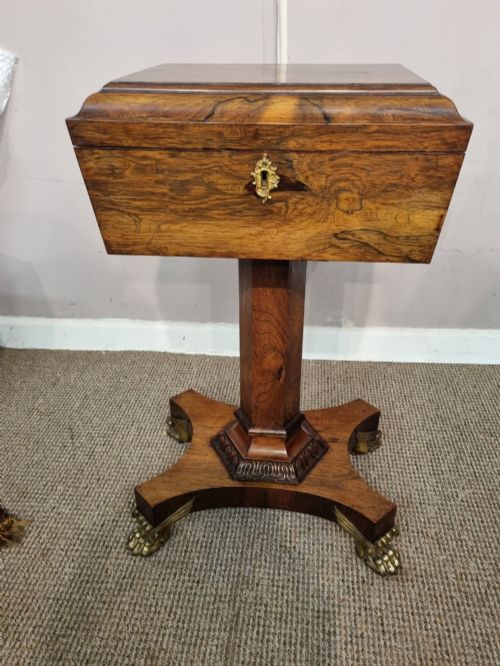
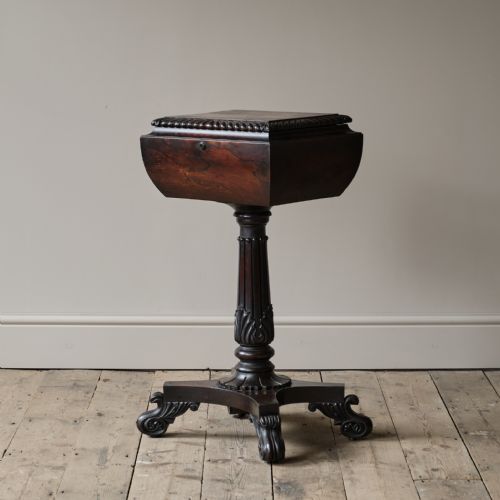
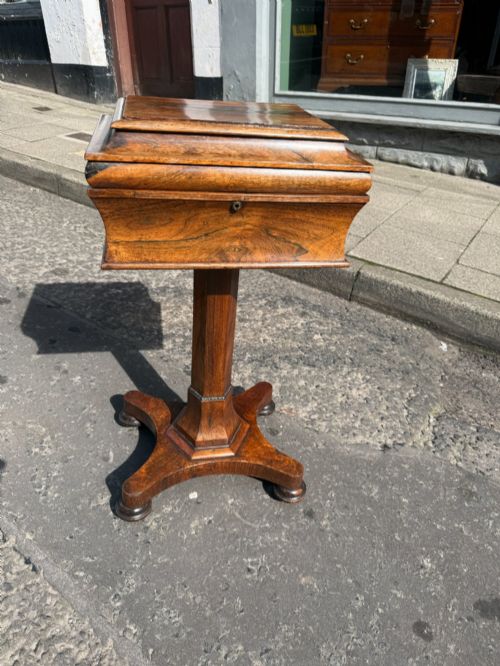
- A pedestal table or heavy box designed for the preparation and storage of tea. Many examples adopt the sarcophagus profile atop a central column or resting directly on tabletops.
- Cellarette
- A large freestanding or tabletop cabinet utilised for cooling or storing wine bottles. These pieces share the structural lines and timber vocabulary of tea caddies.
- Escutcheon
- A protective metal plate surrounding a keyhole. On these containers, brass escutcheons often feature detailed engraving.
- Marquetry
- The art of applying decorative veneer pieces to a structure to form geometric or pictorial designs. Makers employ contrasting woods like satinwood and ebony for visual depth.
Antique Sarcophagus Caddy: Frequently Asked Questions
What were antique sarcophagus caddies used for?
These boxes stored expensive imported tea leaves securely under lock and key in wealthy households. The interior compartments kept distinct varieties separated while preserving their fragile aromas.
Larger versions functioned as cellarettes or stationary caskets for writing materials and jewellery. Their substantial presence made them focal points on sideboards and drawing room tables.
How do I date an antique sarcophagus caddy?
Dating relies on timber choices, decorative motifs, and hardware styles associated with specific design eras. Georgian and Regency pieces favour rosewood and mahogany with brass inlay, while later Victorian examples often incorporate burr walnut.
Foot styles and internal configurations also shift across decades. Tighter adherence to classical architectural proportions typically points to the early nineteenth century.
What is inside a typical sarcophagus tea caddy?
Standard interiors contain two or three lidded canisters designed to keep black and green teas separate. Many also feature a central circular space that once held a cut glass mixing bowl.
Advanced configurations include hidden drawers operated by secret release mechanisms. These compartments safeguarded small valuables and tea spoons.
How should I care for a rosewood caddy?
Keep wooden surfaces away from direct sunlight and fluctuating radiator heat to prevent veneer splitting. Maintain a stable indoor humidity level to protect the fragile boxwood and mother-of-pearl inlays.
Dust gently with a dry, soft cloth and avoid chemical polishes that damage antique wax finishes. Periodic light waxing preserves the natural sheen of the timber.