

Antique Salt Pot
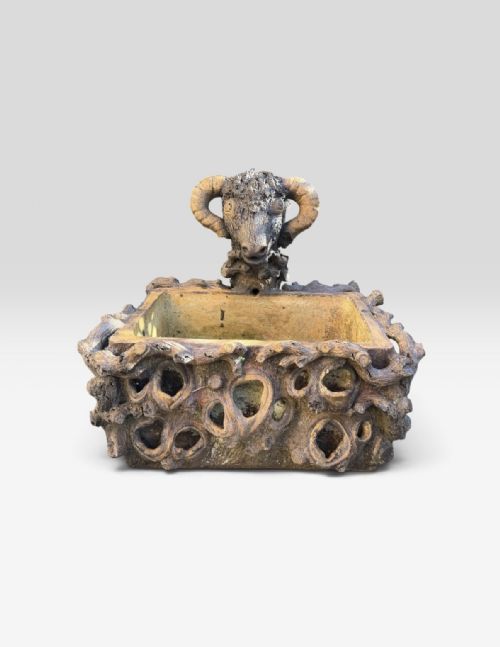
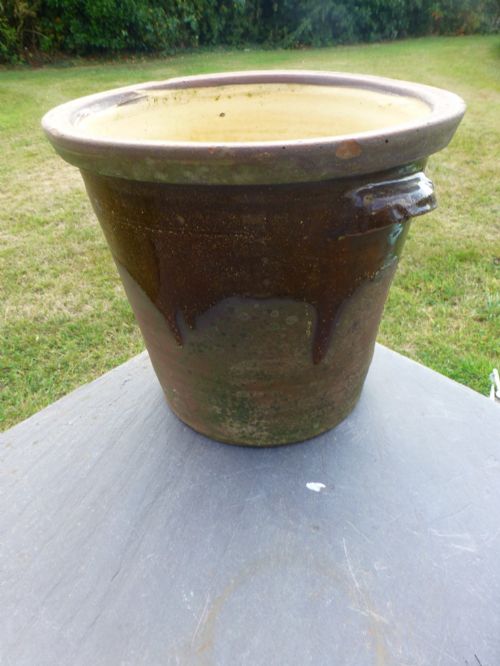
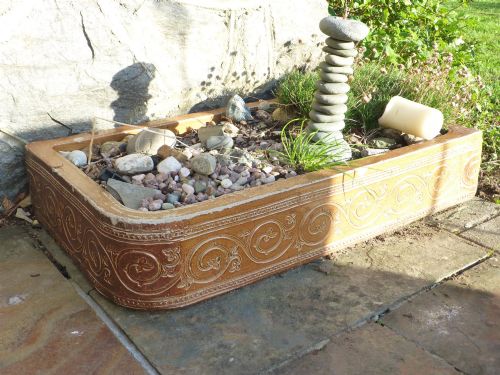
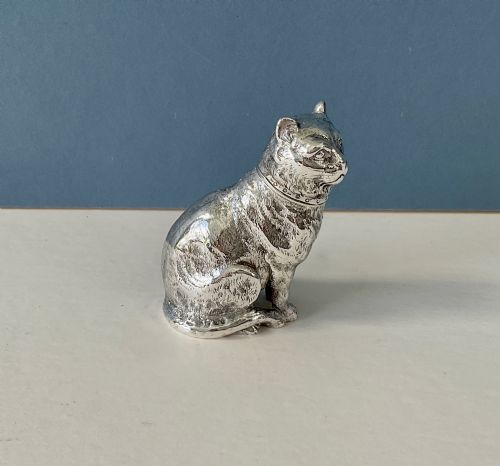
These antique salt pot pieces range from stoneware troughs to silver novelty animals, providing small vessels that held seasoning on the dining table.
Antique Salt Pot
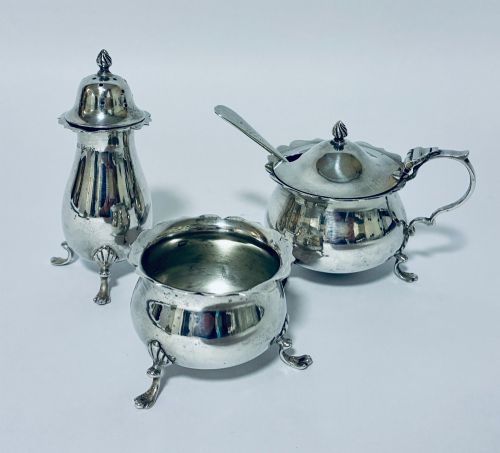
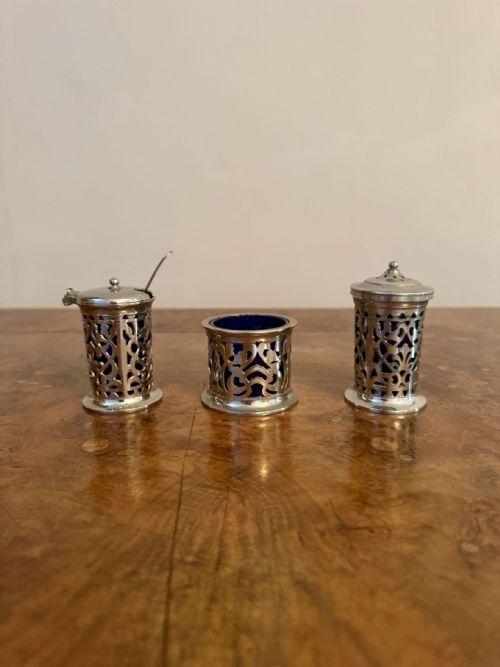
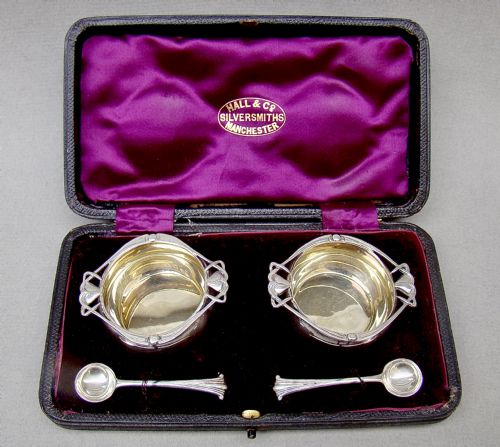
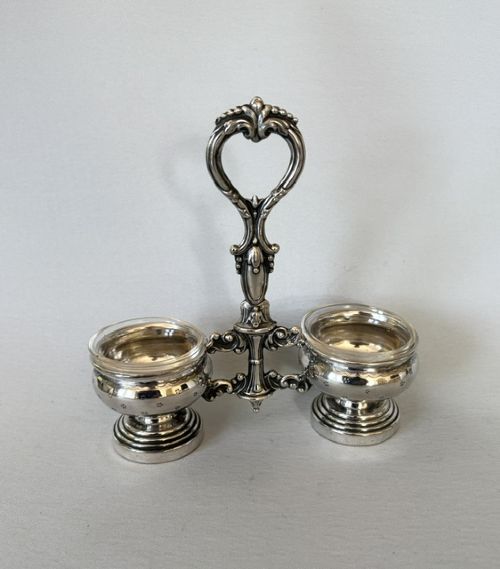
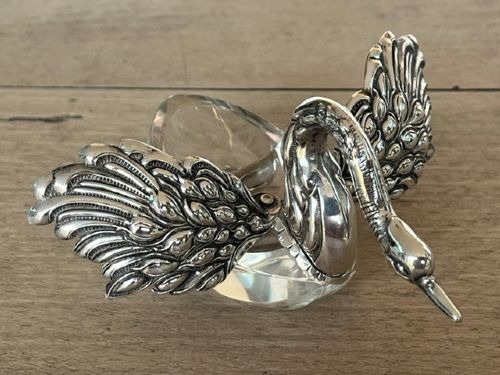
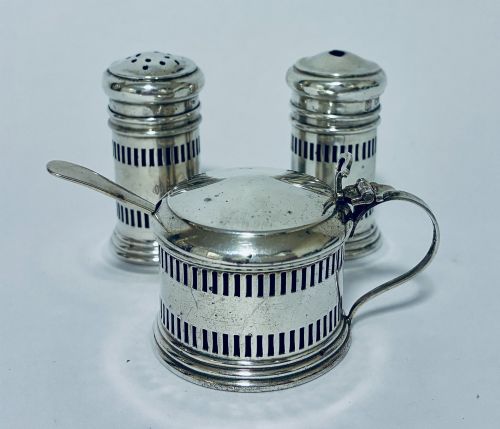
An antique salt pot encompasses small tabletop cellars, tubs, and larger utilitarian crocks designed to hold seasoning. When searching for an antique salt pot, buyers encounter diverse forms ranging from Victorian sterling silver pairings with cobalt glass liners to salt-glazed stoneware vessels.
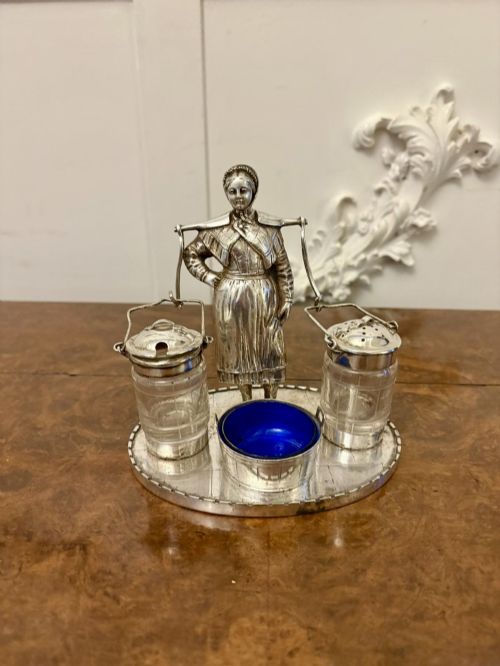
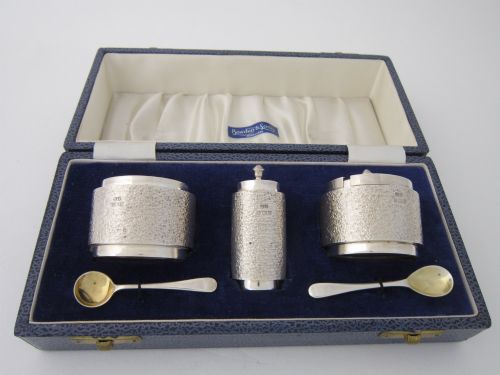
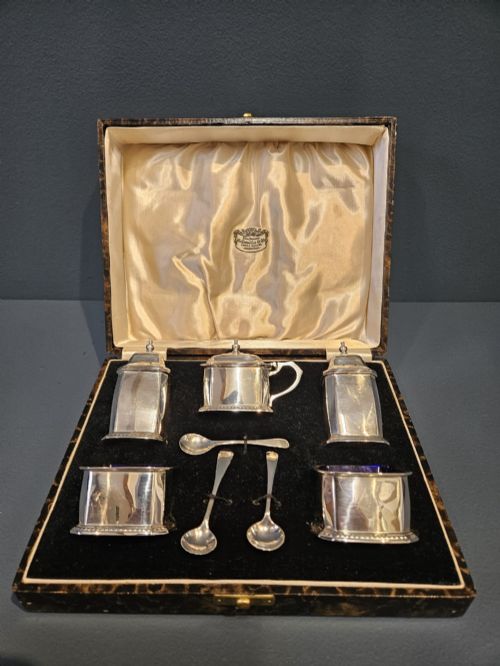
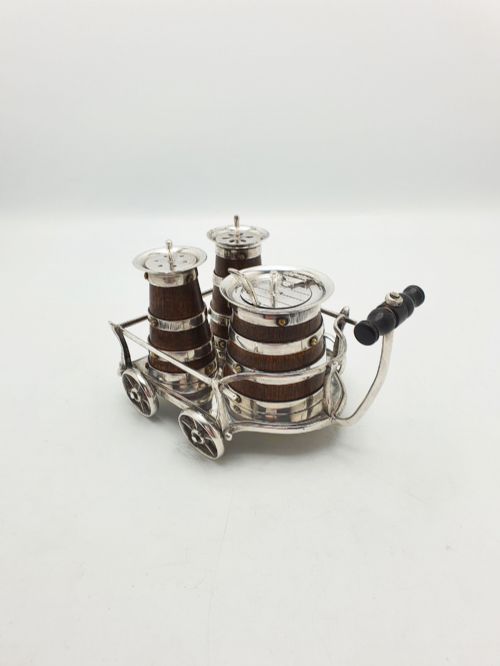
The selection extends from single lidded mustard pots and novelty pepper shakers shaped as animals to multi-bottle cruet sets. Victorian and Edwardian examples predominate alongside 19th century stoneware and earthenware pieces.
Tableware from these periods often forms part of larger condiment sets, reflecting formal dining habits of the era. Smaller open cellars frequently include matching spoons or wirework frames.
Materials and methods of construction
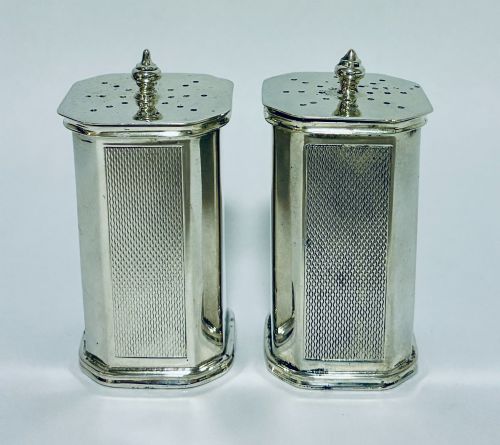
Silversmiths utilised sterling silver and silver plate for cruet frames, mustard pot collars, and lidded cellars, frequently incorporating pierced metalwork or wirework. Glassblowers and cutters produced clear crystal, cut glass, and flashed cranberry glass inserts.
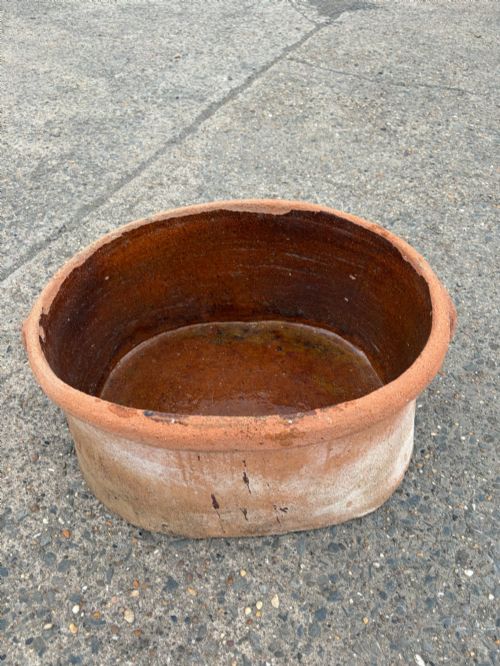
Potters shaped salt-glazed stoneware, terracotta, and glazed earthenware into troughs, jars, and salting crocks. Metal components often feature hallmarks or maker stamps indicating the year and place of assay.
Antique Salt Pot Retail Price Guide 2026
Typical asking prices for salt pot among the pieces listed under this phrase on Sellingantiques today, from the lower quarter to the upper quarter. They describe what is for sale here now, not the wider market.
Distinctions in craftsmanship
Quality reveals itself in the weight of the metal, the crispness of chased or pierced decoration on silver frames, and the clarity of cut glass. Superior pieces retain matching original glass liners and secure hinges on lidded mustard pots.
In ceramic items, the consistency of the salt glaze and the definition of moulded details separate fine domestic wares from utilitarian vessels.
Goldsmith & Silversmith's·William Neale·Doulton Lambeth
The Antique Salt Pot Glossary
- Cruet set
- A matched collection of small bottles or containers for condiments, held together in a stand or frame.
- Cobalt glass
- A deep blue glass frequently used to form removable interior liners for open silver salt cellars.
- Salt-glazed stoneware
- Pottery fired at high temperatures with salt thrown into the kiln, producing a characteristic pitted texture.
- Novelty pepper
- A shaker shaped to resemble an animal, bird, or unusual object rather than a standard pot.
Antique Salt Pot: Frequently Asked Questions
How were salt pots used on the dining table?
Open salt cellars held coarse salt that diners pinched and sprinkled over food by hand before the invention of free-flowing table salt.
Enclosed pots with hinged lids held prepared mustards or fine seasonings, often accompanied by miniature spoons for serving.
What is a cruet set?
A cruet set is a frame containing multiple bottles and pots for holding various condiments like oil, vinegar, pepper, and mustard together.
These sets sat at the centre of the dining table for communal use during meals.
Why do some salt cellars have glass inserts?
Removable glass liners protected silver cellars from the corrosive properties of salt, which tarnished and pitted the metal over time.
Cobalt blue liners also provided a striking contrast against pierced silver framework.
How do I care for antique silver salt pots?
Wash silver and glass components gently in warm soapy water, avoiding harsh abrasive polishes that wear away thin silver plating.
Ensure liners are completely dry before placing them back into metal frames to prevent moisture damage.