



Antique Salad Cutlery
Antique salad cutlery brings tactile elegance to the dining table, pairing precious metals with natural materials for formal service.
Antique Salad Cutlery
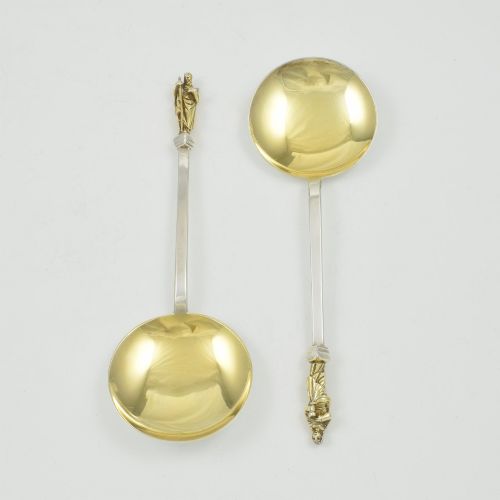
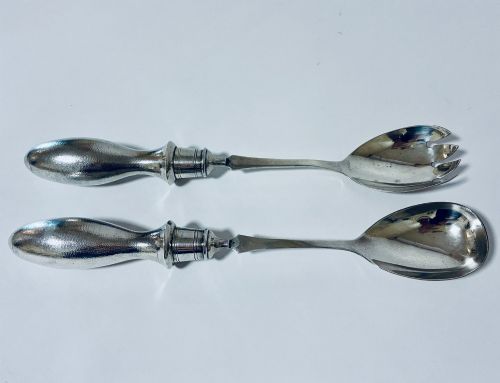
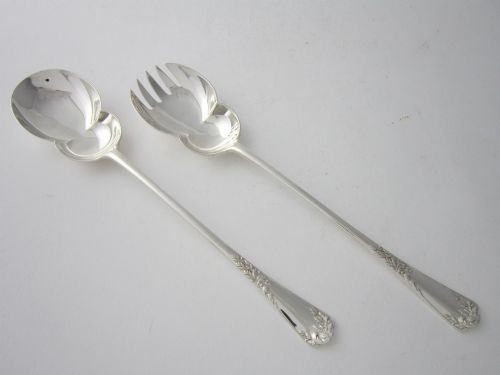
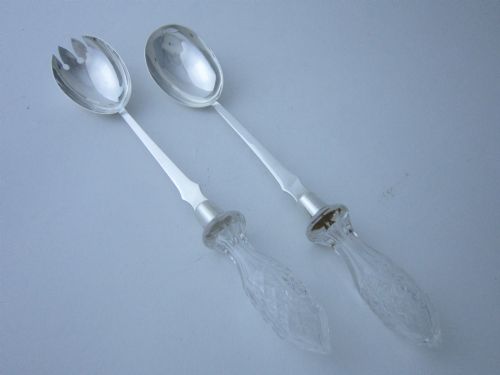
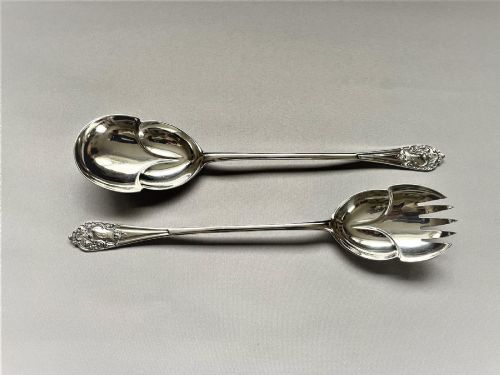
When you search for antique salad cutlery, you are looking at matched pairs of large serving spoons and forks designed specifically for tossing and serving greens. The versions you are most likely to meet on this page date from the nineteenth and early twentieth centuries, spanning the Victorian and Edwardian eras.
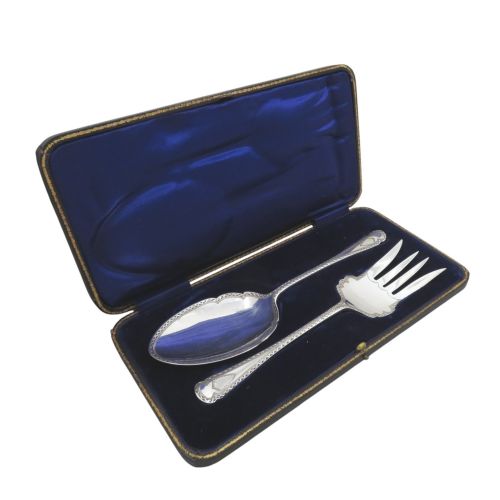
These implements often arrive as complete sets housed in fitted cases lined with silk or velvet, alongside individual pairs of serving spoons. Origins range from British workshops in Chester and George III periods to French Third Republic studios.
Materials and construction
Makers utilised sterling silver and standard silver for the mounts, stems and handles of these serving implements. Sterling silver components frequently bear hallmarks indicating the year of production and assay office.
Natural horn forms functional bowl sections on specific continental pieces, offering a durable and visually striking contrast to metal handles. Cases utilise protective outer layers of leatherette to safeguard the contents.
Antique Salad Cutlery Retail Price Guide 2026
Typical asking prices for salad cutlery among the pieces listed under this phrase on Sellingantiques today, from the lower quarter to the upper quarter. They describe what is for sale here now, not the wider market.
Listings on this page span the George III, Victorian, Edwardian, and Arts & Crafts periods, alongside nineteenth-century French production.
Judging quality in service pieces
The distinction between standard utensils and superior examples lies in the integrity of the materials and the crispness of any applied decoration. Hallmarked sterling silver carries a clearer pedigree than unmarked silver variants.
Fitted cases lined in silk and velvet preserve the cutlery in finer condition over decades of storage. The harmonious integration of horn bowls with silver handles demonstrates higher manufacturing ambition.
The Antique Salad Cutlery Glossary
- Rat tail
- A strengthening tongue of metal running down the back of the spoon bowl, seen on traditional serving spoons. This feature originates from earlier silversmithing traditions.
- Sterling silver
- A silver alloy containing 92.5 percent pure silver by mass, standard for quality British tableware. Items bear hallmarks to verify this composition.
- French Third Republic
- A period of French history spanning from 1870 to 1940, associated with distinct continental silver marks and horn working techniques. Pieces from this era show unique stylistic choices.
- Leatherette
- A simulated leather material utilised for the exterior of protective presentation cases. It provides durable housing for delicate serving sets.
Antique Salad Cutlery: Frequently Asked Questions
What is antique salad cutlery used for?
These implements serve greens and side dishes at the dining table during formal meals. The large spoon and fork combination allows the host to toss and portion leafy salads efficiently.
They function as dedicated serving pieces rather than individual cutlery. Their larger proportions distinguish them clearly from standard dining implements.
How do I care for silver and horn servers?
Silver components require occasional gentle polishing with a dedicated cloth to maintain their lustre and prevent tarnish. Avoid abrasive cleaners that might damage the metal surface or hallmarks.
Natural horn bowls need protection from extreme temperatures and moisture to prevent warping. Store them within their fitted cases when not in use.
How can I date Edwardian pieces?
Edwardian items correspond to the reign of King Edward VII from 1901 to 1910. Silver pieces from this era frequently carry clear hallmarks including date letters and assay office symbols.
Stylistic cues such as lighter framing and refined proportions also point towards this period. Makers often documented their production years directly within the piece descriptions.
Why do some sets include fitted cases?
Fitted presentation cases lined with silk or velvet protected delicate silver and organic materials from damage during storage. These boxes ensured the spoon and fork pairs remained matched and secure.
Such cases indicate higher status items intended for gifting or formal household deployment. They frequently feature exterior coverings of leatherette.