





Antique Sailing Vessel
When you search for an antique sailing vessel, you encounter centuries of maritime history captured in oils, watercolours, models, and dioramas.
Antique Sailing Vessel
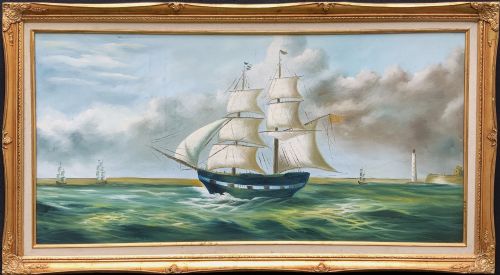
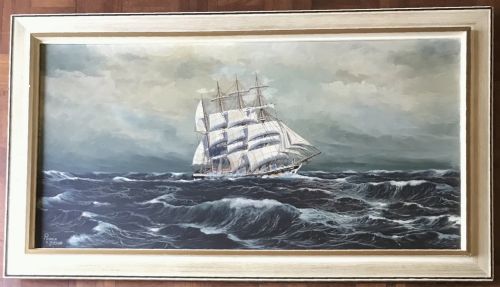
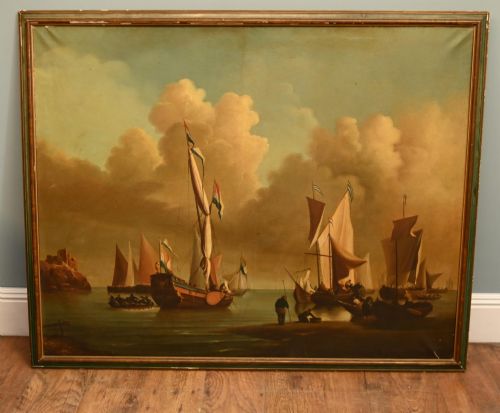
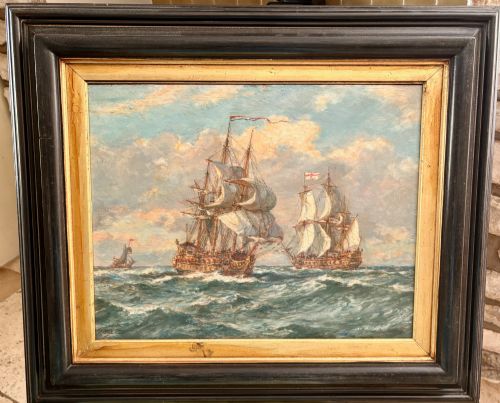
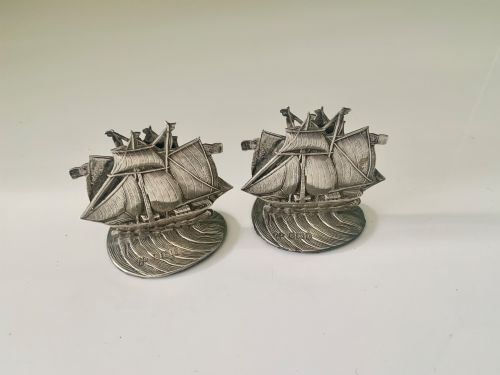
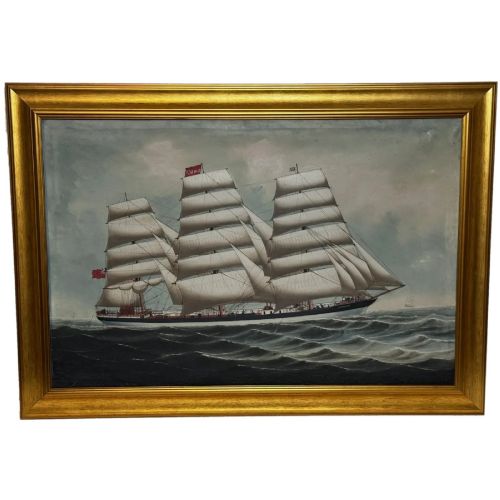
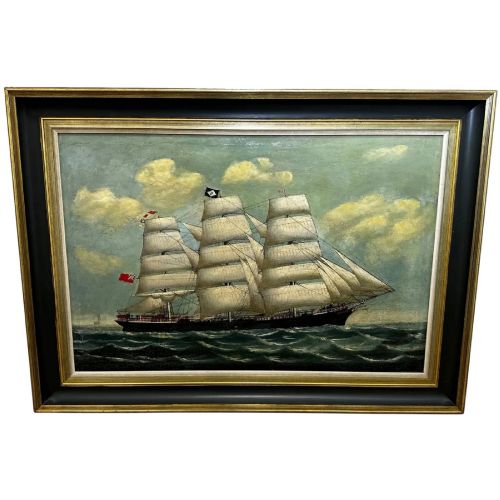
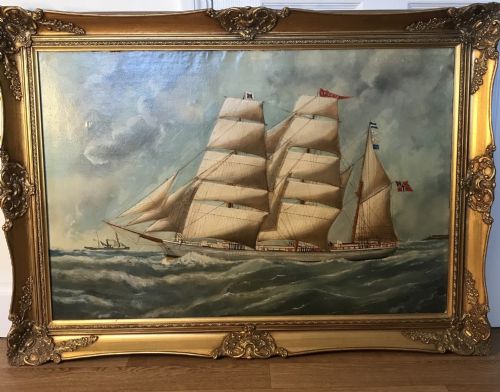
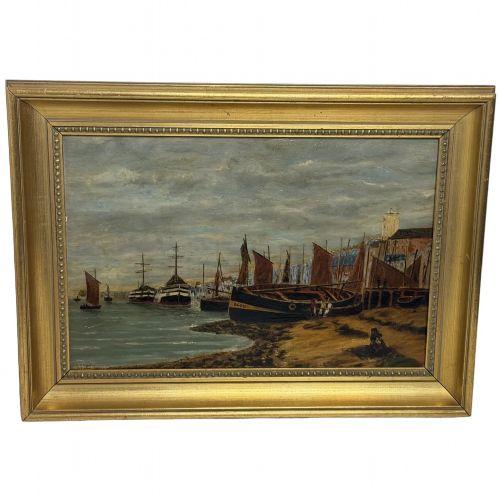
An antique sailing vessel encompasses canvas paintings, panel portraits, dioramas, and carved models depicting historic ships on the water. These works span the eighteenth, nineteenth, and early twentieth centuries, reflecting the dominance of global shipping and naval power during those eras.
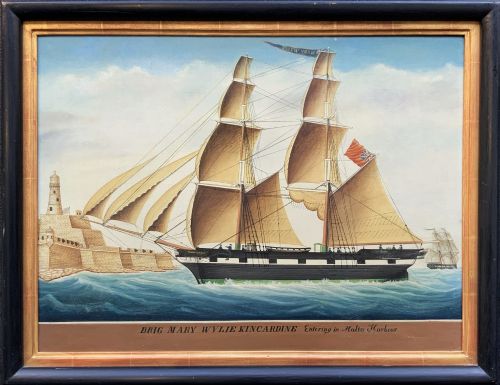
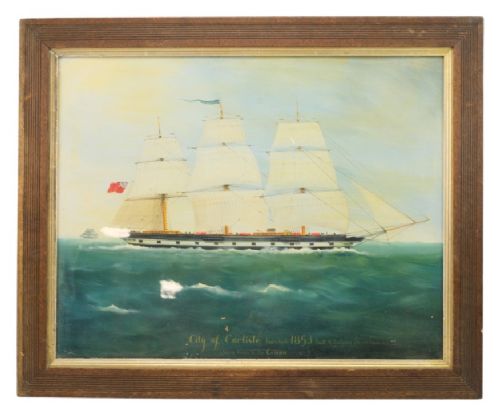
The most common formats on this page are oil and watercolour paintings detailing named merchant ships, brigs, and barques, alongside cased dioramas and scratch-built models. These pieces record specific vessels, ports, and coastal engagements from periods such as the Victorian and Edwardian ages.
Makers range from named marine artists and folk art craftsmen to regional schools and specialised diorama builders. Works frequently identify particular vessels, such as the Brig Mary Wylie or the clipper Slieve Roe, rooting the artistry in actual maritime records.
Materials and Techniques
Painters utilised oil on canvas, board, and wood panel, frequently applying layered glazes to render choppy seas, atmospheric skies, and detailed rigging. Watercolours on paper also appear, often finished with precise ink or pencil work to define masts and sails.
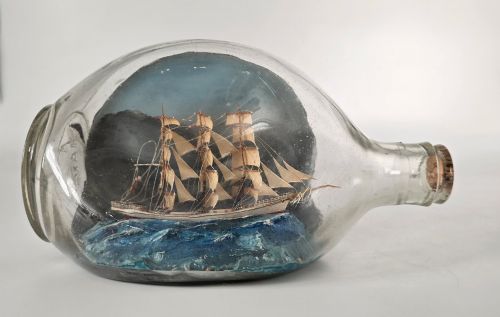
Three-dimensional pieces relied on wood, canvas, glass, and paper, incorporating straw work or carved elements to construct detailed dioramas and ship models housed within protective cases or glass bottles.
Antique Sailing Vessel Retail Price Guide 2026
Typical asking prices for sailing vessel among the pieces listed under this phrase on Sellingantiques today, from the lower quarter to the upper quarter. They describe what is for sale here now, not the wider market.
Some nineteenth-century makers utilised intricate straw work to catch the light on miniature ocean waves.
Evaluating Quality in Maritime Antiques
Quality rests on the precision of the ship's rigging, hull proportions, and anatomical accuracy of the vessel relative to its historical period. Master painters and skilled folk art model makers achieved a level of technical fidelity that clearly separates nuanced portrayals from generic renderings.
The condition of the medium - whether the preservation of oil paint layers, the stability of delicate paper watercolours, or the intact state of a cased diorama - directly influences the integrity of the piece.
James Hardy·Hans Harlander·Reginald Arthur Borstel·John Rose Miles·Bernard Gribble·Lai Fong·Charles William Adderton·Daniel Sherrin·George SHAW·Marie-Edouard Adam·Ebeneezer Colls·Gustave De Breanski·Frank Wood·Joseph Heard
The Antique Sailing Vessel Glossary
- Barque
- A sailing vessel with three or more masts, having the fore-and-aft sail set only on the mizzenmast. This rig was favoured for nineteenth-century long-haul cargo transport.
- Diorama
- A three-dimensional scenic representation featuring carved or modeled figures and vessels set against a painted backdrop. In marine pieces, these are frequently enclosed in glazed wooden cases.
- Brig
- A two-masted, square-rigged sailing ship. They were widely used for both commerce and naval duties during the eighteenth and nineteenth centuries.
- Galleon
- A large, multi-decked sailing ship used primarily by European states from the sixteenth to eighteenth centuries. Representations often appear in retrospective nineteenth- and twentieth-century marine art.
- Maritime Folk Art
- Objects created by self-taught makers, often sailors or coastal residents, using readily available materials such as wood, bone, and straw to depict ships.
Antique Sailing Vessel: Frequently Asked Questions
What is a marine diorama?
A marine diorama is a cased three-dimensional display featuring miniature sailing vessels positioned against a painted canvas background. Makers often used carved wood, canvas, and straw work to create realistic water and waves.
These pieces were constructed to preserve specific maritime scenes or vessel races within a protective glass-fronted wooden frame.
How do I identify a nineteenth-century ship painting?
Nineteenth-century ship paintings typically feature specific rigged vessels documented by name, port, or historical event, rendered in oil on canvas or wood panel. The clothing of coastal figures, rigging styles, and framing materials often provide clues to the exact decade.
Signatures, artist attributions, or inscriptions on the reverse of the canvas further help date and contextualise the artwork.
How should I care for antique oil paintings?
Antique oil paintings require stable indoor humidity and should be kept out of direct sunlight to prevent the canvas and paint from drying out or cracking. Dusting should be done gently with a soft, dry brush, avoiding any moisture or chemical cleaners.
Professional conservation is recommended if the paint surface shows signs of flaking or if the canvas requires re-tensioning.