




Antique Sailboat Artwork
These antique sailboat artwork pieces capture maritime life across centuries through detailed marine paintings.
Antique Sailboat Artwork
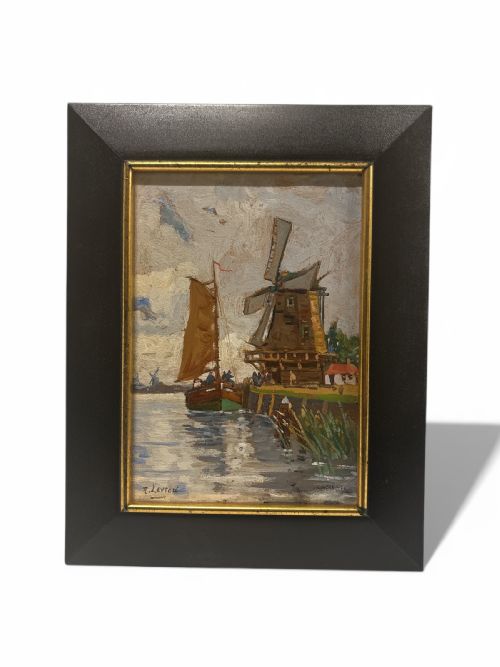
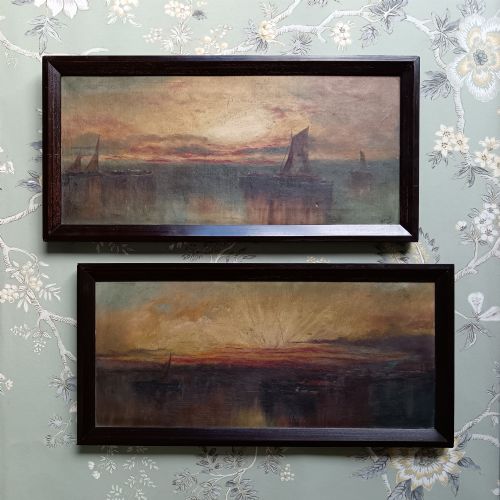
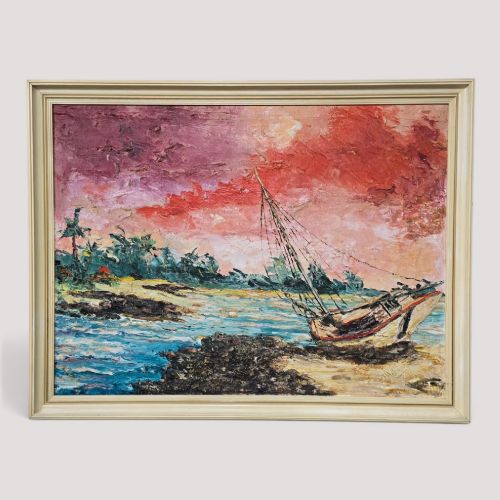
Antique sailboat artwork encompasses marine and maritime paintings that record coastal scenes, harbour views, and vessel movements from the nineteenth century through the mid-twentieth century. These works range from tightly rendered oil paintings on canvas and board to fluid watercolours on paper, often framed for wall display.
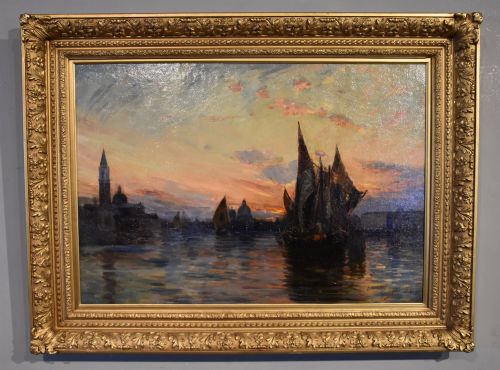
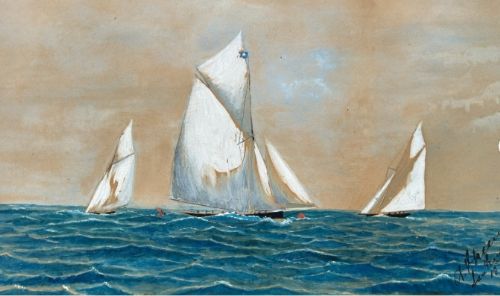
Buyers seeking antique sailboat artwork encounter pieces created during periods such as the Victorian era, the Edwardian period, and the 1920s and 1930s. The selection includes British and European coastal scenes, Venetian canals, and racing yachts rendered in styles spanning traditional marine art to impressionism.
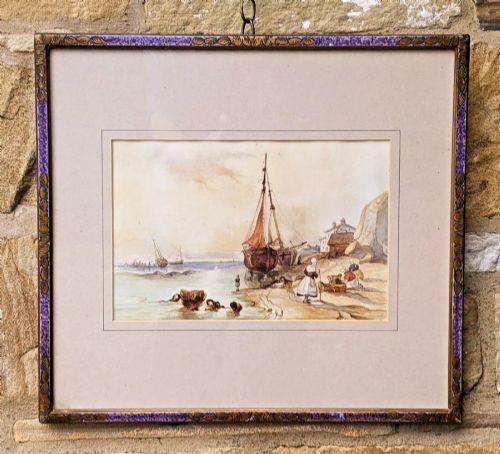
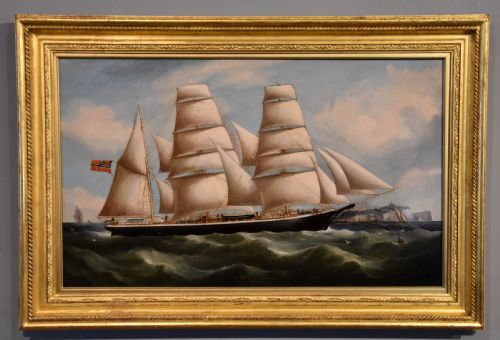
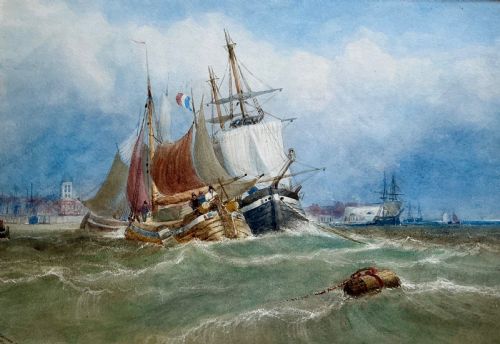
The most common examples on this page are oil paintings and watercolours depicting fishing boats, trawling luggers, and larger ships alongside smaller sailing craft. These works bridge documentary records of maritime history with decorative landscape traditions.
How They Were Made
Painters of antique sailboat artwork utilised oil paint on stretched canvas, wooden panels, and boards, building up layers of pigment to capture shifting light on water and sky. Alternatively, watercolour paint on paper allowed artists to work swiftly with translucent washes, often recording coastal weather and harbour activity on location.
Completed paintings were typically housed in gilt or wood frames protected by glass in the case of watercolours. The combination of paper or canvas supports, traditional pigments, and protective framing has ensured the survival of these maritime works across generations.
Antique Sailboat Artwork Retail Price Guide 2026
Typical asking prices for sailboat artwork among the pieces listed under this phrase on Sellingantiques today, from the lower quarter to the upper quarter. They describe what is for sale here now, not the wider market.
Listings span periods from the 19th century through the 1960s, incorporating both oil and watercolour mediums.
What Varies in Quality
The quality of antique sailboat artwork rests upon the artist's command of marine perspective, atmospheric light, and the rigging of vessels. Works by listed painters with documented exhibition histories demonstrate a surer handling of water movement and coastal architecture.
Material preservation also distinguishes the range, as undisturbed oil paint surfaces and stable watercolours on clean paper retain greater visual clarity. Framing choices and the legibility of signatures or attribution further contribute to the standing of individual pieces.
R Leyton·B Nash·Thomas Hodgson Liddell·Richard B Spencer·Henry Barlow Carter·Paul Delvaux·Richard Harry Carter·Louis Suire·Norman Lloyd·Adrian Van Porten·William Tuck·F J Aldridge·Edward Seago·Hendrik Willebrord Jansen·Vickers·Samuel Owen·Charles Harmony Harrison·Ernest F Hill·Jane Vivian·George Henry Knight·John Callow·E Tucker·Gustave De Breanski·John McDougal·Frank Wasley
The Antique Sailboat Artwork Glossary
- Oil on Canvas
- Pigments bound in drying oil applied to a woven fabric support stretched over a wooden frame. This medium allows for rich colour depth and blended brushwork.
- Watercolour
- A paint consisting of colour suspended in a water-soluble binder, traditionally applied to paper. It produces transparent washes suited to light-filled marine scenes.
- Marine Art
- Depictions of ships, sea views, and coastal subjects. This genre encompasses documentary shipping records and atmospheric seascapes alike.
- Impressionism
- A style focused on the accurate depiction of light and its changing qualities. Works in this manner emphasise looser brushstrokes over sharp topographical detail.
- Gilt
- A thin layer of gold applied to wood framing. It provides a reflective decorative border common in period framing.
Antique Sailboat Artwork: Frequently Asked Questions
What periods do these paintings date from?
The works span the nineteenth and twentieth centuries, encompassing Victorian, Edwardian, and later modernist periods.
Dates are established through artist signatures, framing evidence, and stylistic markers recorded in the titles.
How were watercolours protected?
Watercolour paintings on paper require glass glazing to shield the pigment and paper support from atmospheric moisture and dust.
Original framing often includes wooden mouldings designed to hold the protective glass in place.
Where do these coastal scenes originate?
The listings include British, French, Venetian, and American coastal views reflecting active maritime trade and fishing communities.
Artists frequently travelled to ports in Devon, Cornwall, Brittany, and the Mediterranean to record local vessels.
How do oil paintings differ from watercolours?
Oil paintings utilise heavy pigment on canvas or board, offering opaque coverage and textured brushwork.
Watercolours employ translucent washes on paper, resulting in lighter, more luminous atmospheric effects.