
Antique Safe
When you search for an antique safe, you find robust iron and steel strongboxes alongside heavy oak cupboards and fitted cabinets from the seventeenth century to the twentieth.
Antique Safe
An antique safe brings together heavy-gauge iron, steel, and fitted timber cabinetry spanning the seventeenth century through to the twentieth century. These pieces encompass utilitarian metal strongboxes, specialised maker-signed security furniture, and larger storage units designed to protect valuables or provisions.
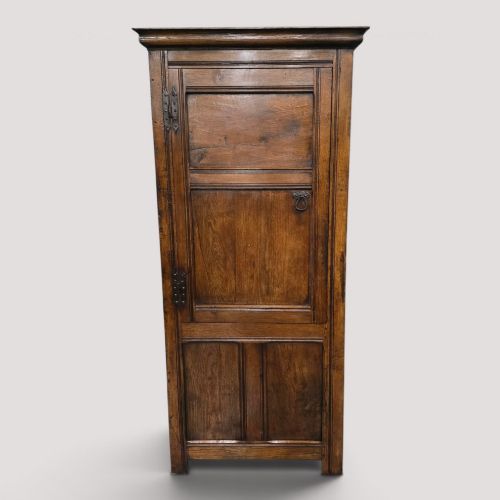
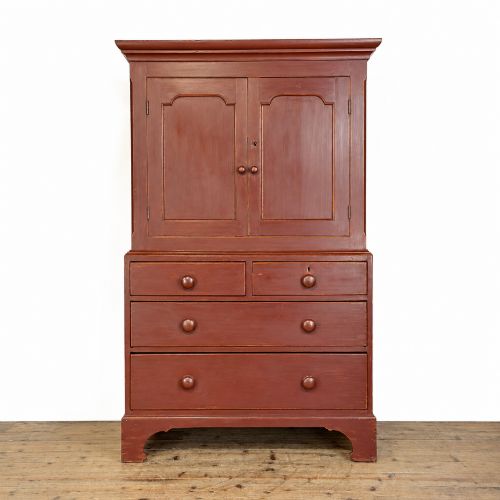
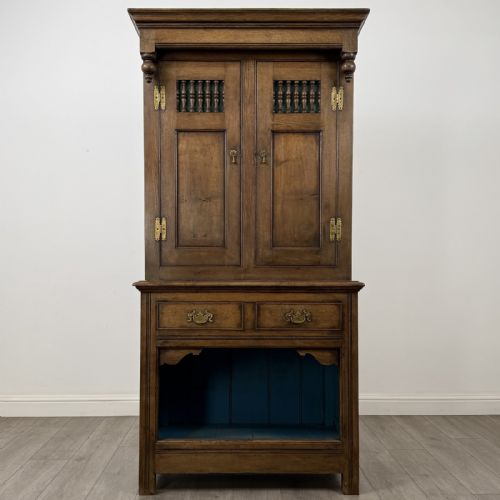
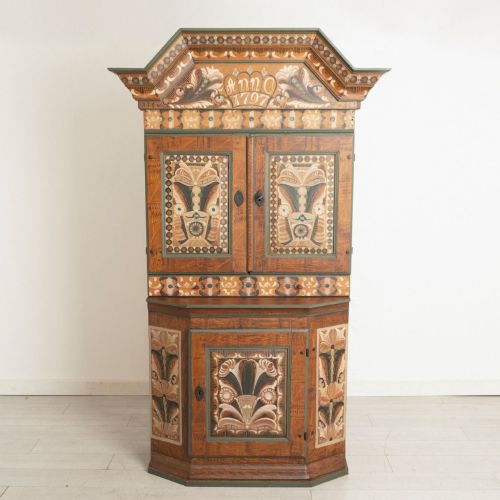
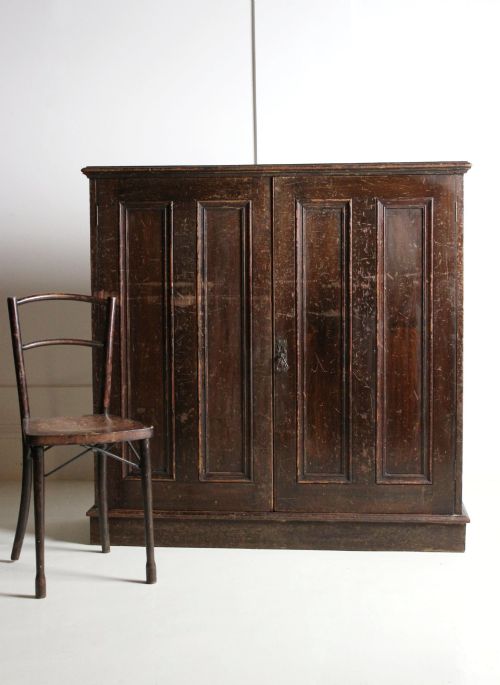
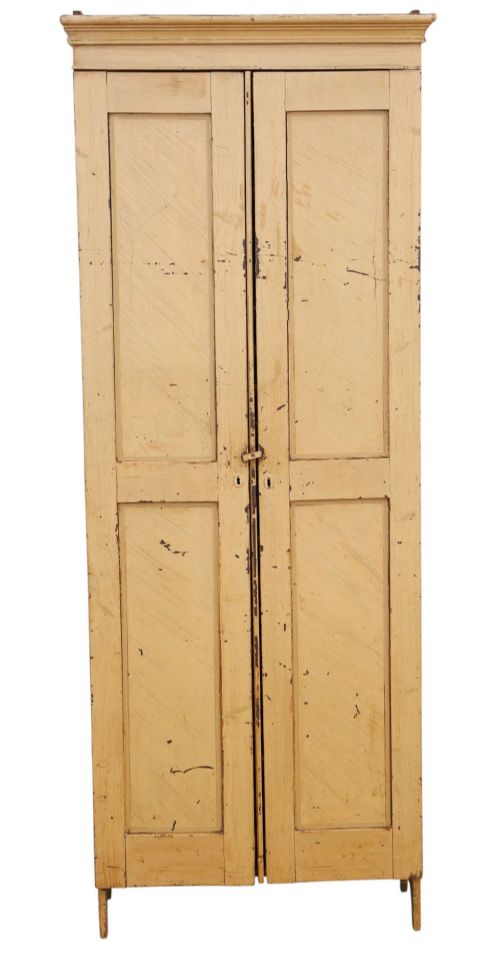
The objects listed under this description range from nineteenth-century iron and steel security boxes mounted on stands to seventeenth-century oak cupboards and painted housekeeper cabinets. Buyers most frequently encounter nineteenth-century iron specimens, alongside oak food cupboards and silver combination cases that share similar utilitarian roots.
Originating from British workshops, Scottish makers, and continental European traditions, these items reflect the practical security and domestic storage needs of past households. Each piece demonstrates how period construction served both functional protection and everyday utility.
Materials and construction
Construction relies heavily on cast iron, steel, and structural timber such as oak, pine, and mahogany. Metal bodies are bolted or riveted, while wooden counterparts utilise pegged joints, carved pillar panels, and hand-painted finishes.
Makers integrated brass hardware, internal locking mechanisms, and occasionally marble tops or gilt detailing to finish the pieces. These material combinations provide the substantial weight and structural integrity characteristic of period storage.
Several items double as novelty pieces, including a carved limewood match striker shaped like a garden gnome.
Assessing quality
Quality rests upon the integrity of the original locking mechanisms, the preservation of maker stamps or signatures, and the overall weight of the iron or timber utilised. Substantial metalwork and intact internal compartments elevate a piece above standard utilitarian examples.
The precision of the joinery in wooden models and the retention of original painted or waxed surfaces dictate the refined end of the range. Pieces retaining their maker's plates or specialised internal fittings command greater regard among collectors.
James Bruce·Sampson Mordan and Co·Howard James·A and J Zimmerman·Robert Chandler
The Antique Safe Glossary
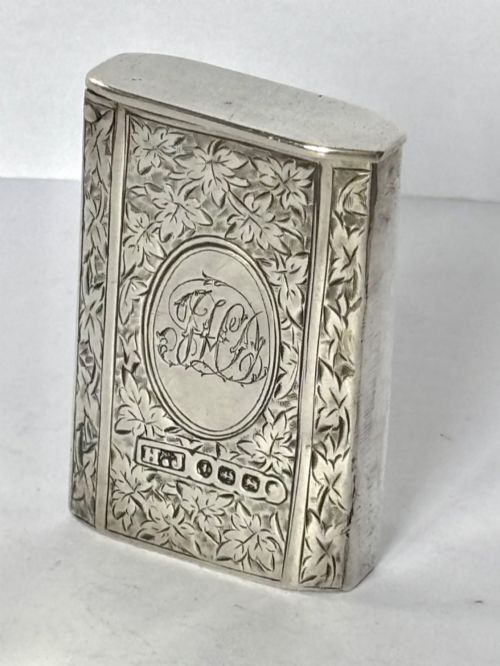
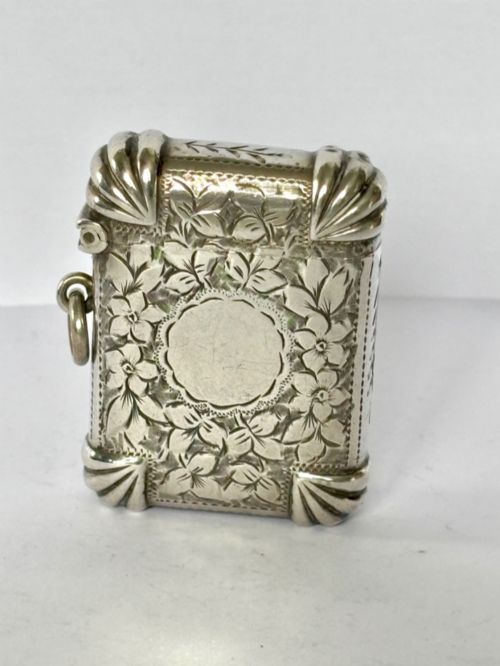
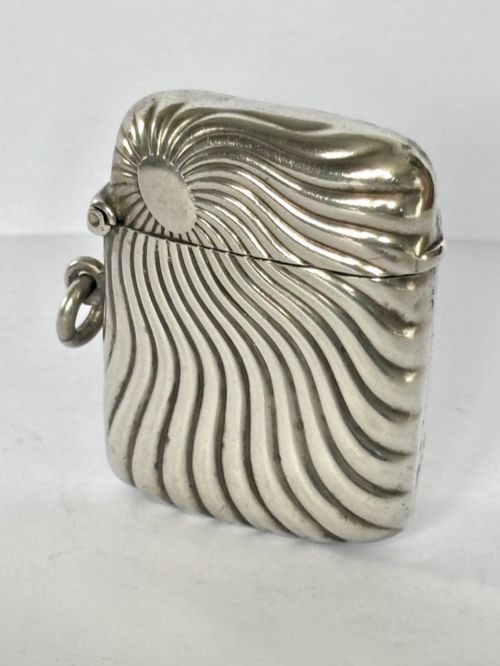
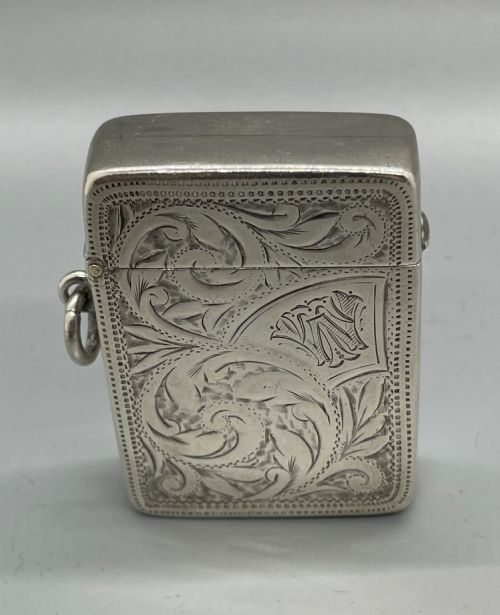
- Vesta case
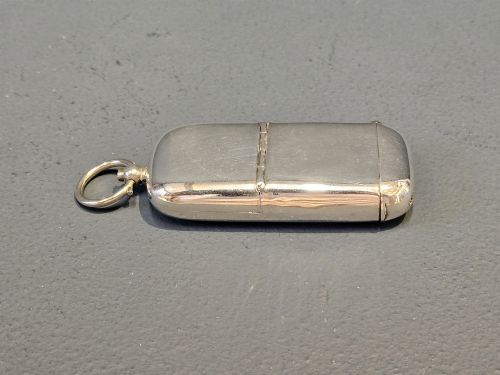
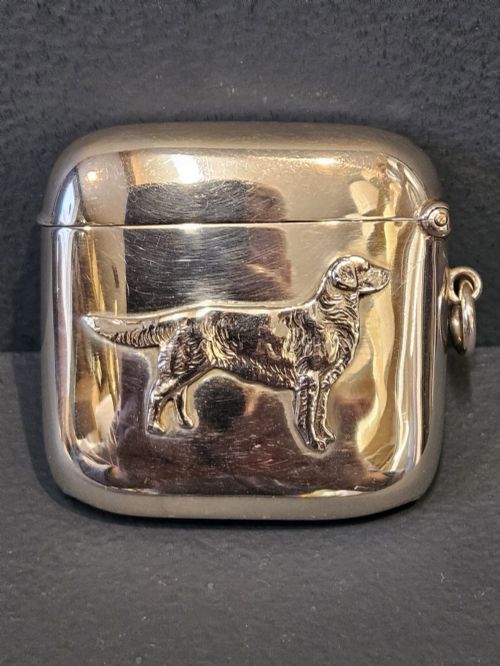
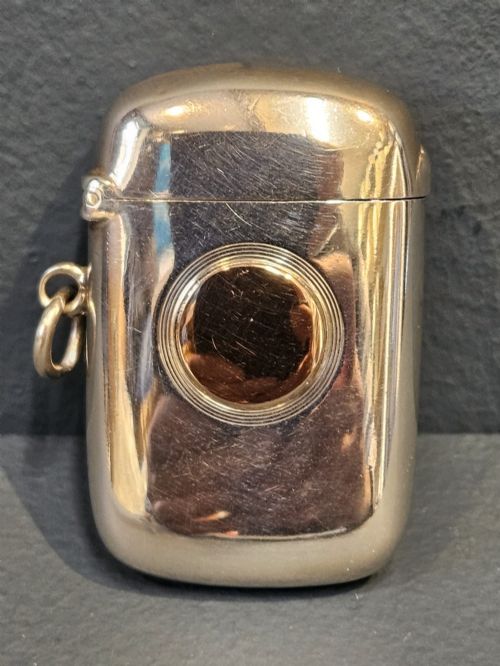
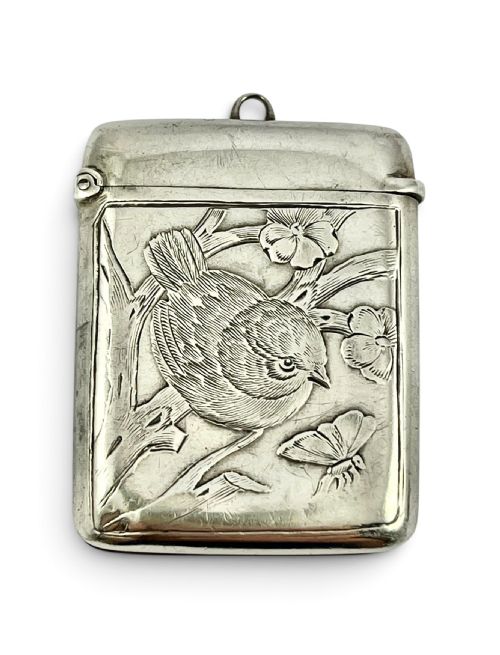
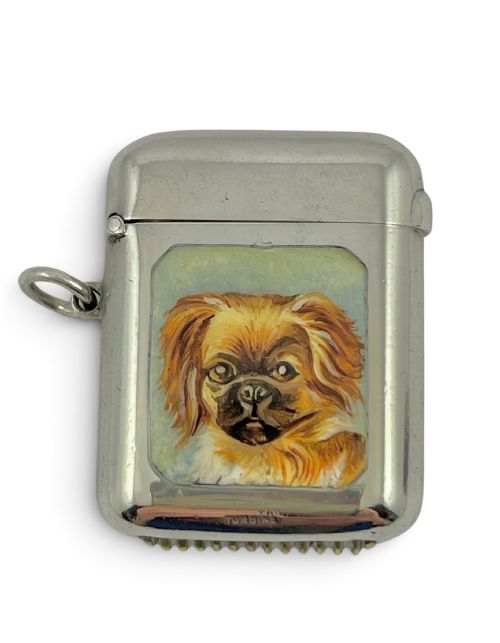
- A small portable container designed to hold matches, frequently fashioned from sterling silver or gold. These items often include compartments for sovereign coins or stamps.
- Livery cupboard
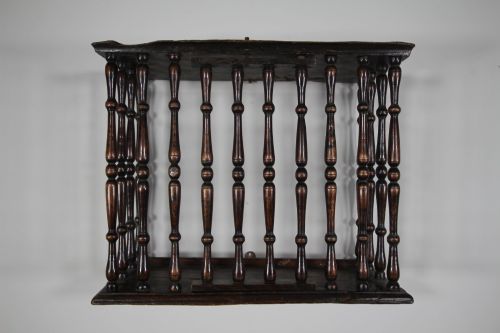
- A traditional freestanding wooden storage cabinet dating from earlier centuries, utilised for ventilating and storing food or household provisions. They typically feature panelled doors and sturdy pegged construction.
- Housekeeper's cupboard
- A tall, large-scale timber storage unit divided into multiple compartments for linen, dry goods, or tableware. These pieces are commonly found in pine or oak.
- Sovereign case
- A small fitted pocket case engineered to store British gold sovereign coins securely. They are frequently combined with match holders in precious metals.
- Almirah
- A freestanding cupboard or wardrobe originating from Indian traditions, used for general domestic storage. They display distinct regional joinery and decorative exterior treatments.
Antique Safe: Frequently Asked Questions
What is an antique safe?
An antique safe is a heavy-duty security container or fitted storage cabinet built from iron, steel, or dense timbers like oak and pine. They were designed to protect valuables, documents, or household provisions.
These pieces range from utilitarian nineteenth-century iron strongboxes to decorative wooden cabinets housing internal security compartments. Their construction prioritises robust materials and functional locking mechanisms.
How do I date an antique safe?
Dating relies upon examining the manufacturing materials, the style of the hinges and locks, and any maker's plates or hallmarked silver components attached to the piece. Seventeenth and eighteenth-century examples display hand-cut timber joinery, while nineteenth-century models utilise cast iron and machine-threaded bolts.
Signatures from known workshops or assay office hallmarks provide precise calendar years for smaller silver and metal components. Comparing the construction methods to documented regional styles helps narrow down the decade of manufacture.
How were iron safes used?
Iron safes were utilised by merchants, institutions, and households to safeguard currency, ledgers, plate, and important documents from theft and fire. They stood in offices, libraries, or dedicated strongrooms.
Many featured heavy doors with complex key-operated boltworks and internal drawers for organised storage. Their substantial weight prevented easy removal from the premises.
Where should I place a safe in my home?
Due to their considerable weight, these pieces require careful placement on ground floors or structurally reinforced floorboards. They function well as statement furniture in studies, hallways, or living rooms.
Ensure the designated space accommodates the door swing, particularly for models with heavy hinges and deep locking mechanisms. Pairing them with complementary period oak or pine furnishings creates a cohesive interior scheme.