
Antique Sacred Art
Antique sacred art encompasses devotional sculptures, oil paintings, and icons from the sixteenth to the nineteenth century that served centuries of private and communal worship.
Antique Sacred Art
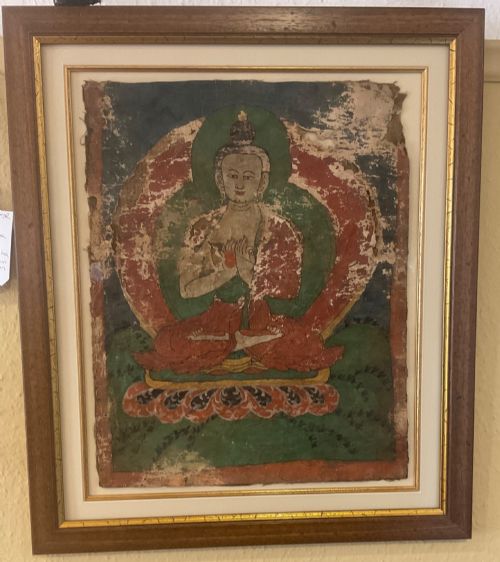
When you search for antique sacred art, you encounter devotional objects created for Christian and Buddhist traditions across Europe and Asia. The offerings span the sixteenth to the nineteenth centuries, capturing shifts in religious expression from medieval altarpieces to Baroque canvases and later icons.
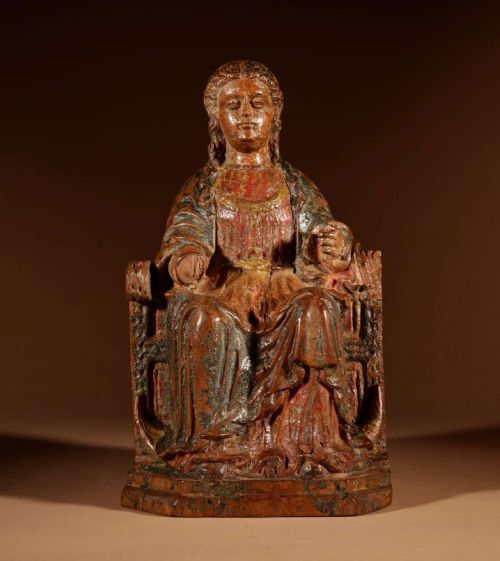
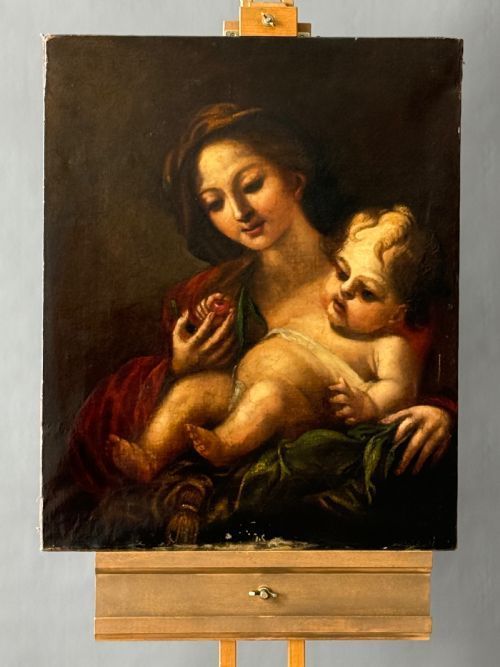
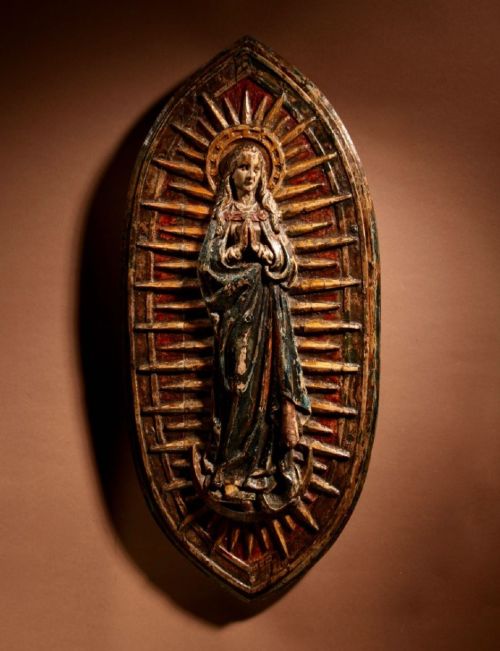
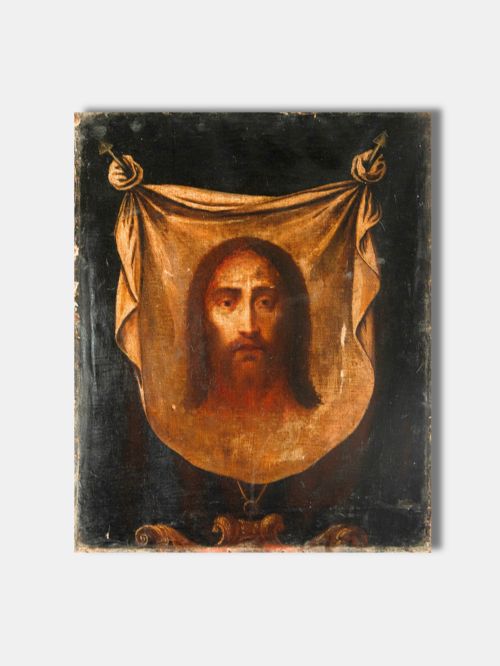
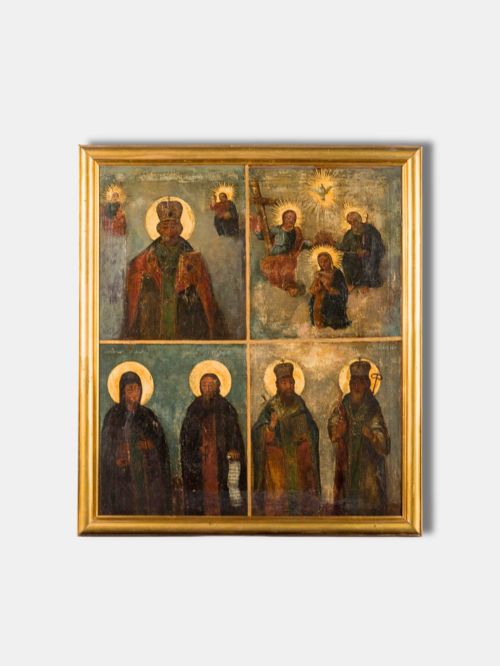
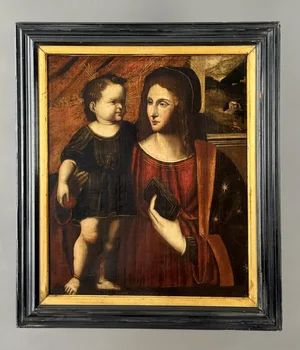
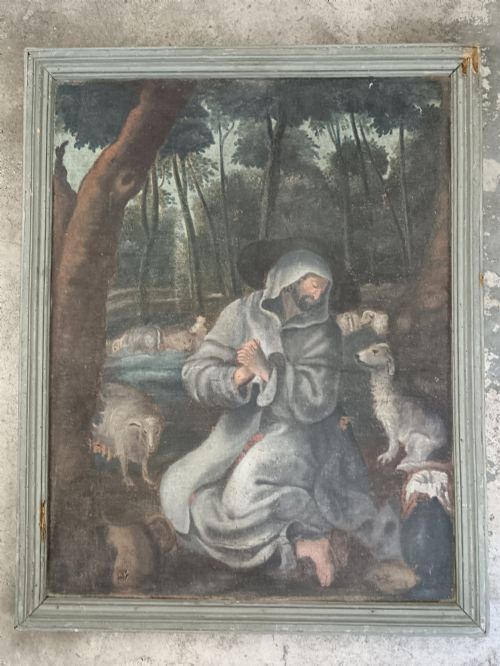
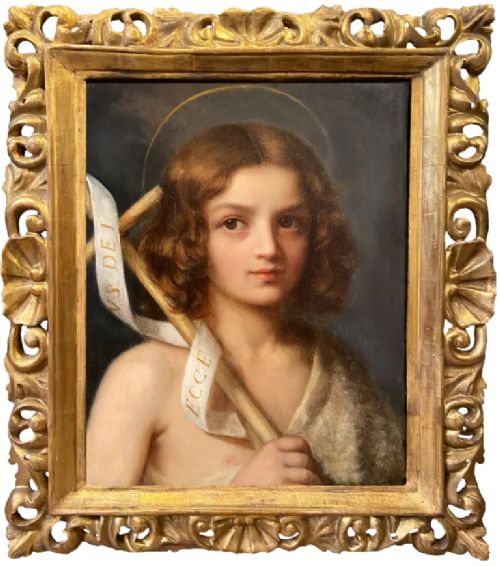
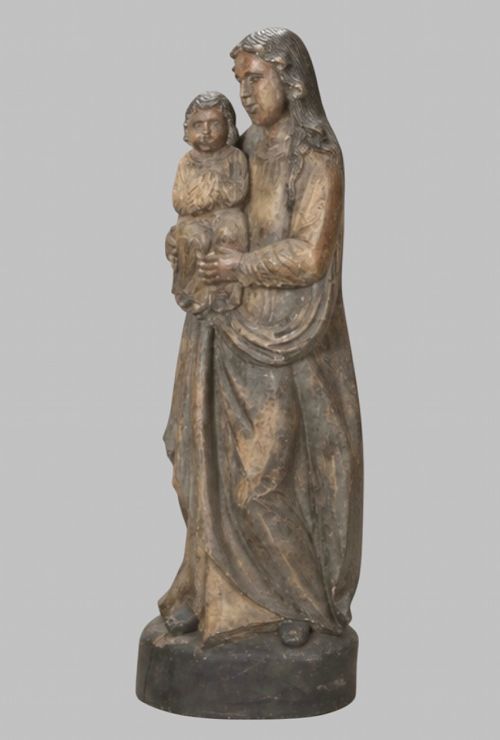
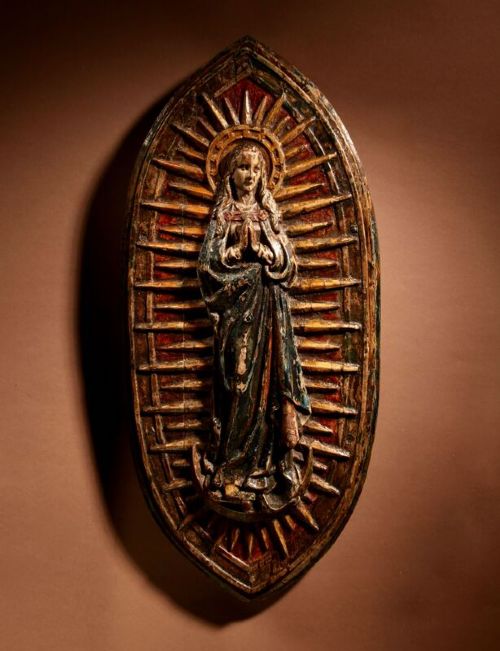
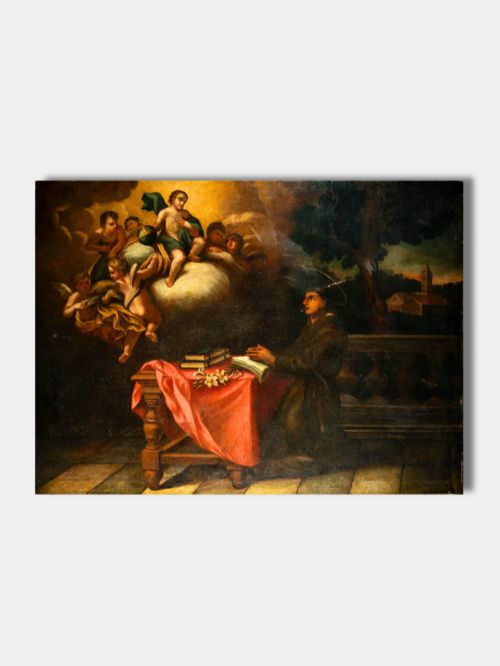
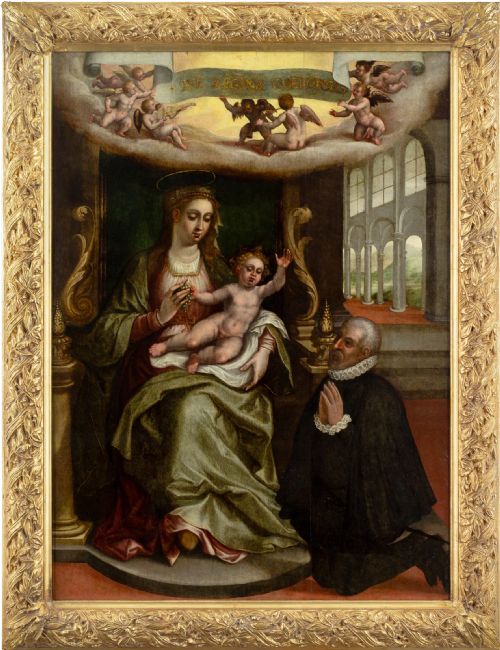
The objects on this page appear primarily as carved wooden sculptures, oil paintings on canvas, and metal-clad icons. Subjects range from the Madonna and Child and various saints to narrative scenes of the Passion and Tibetan manuscripts.
How they were made
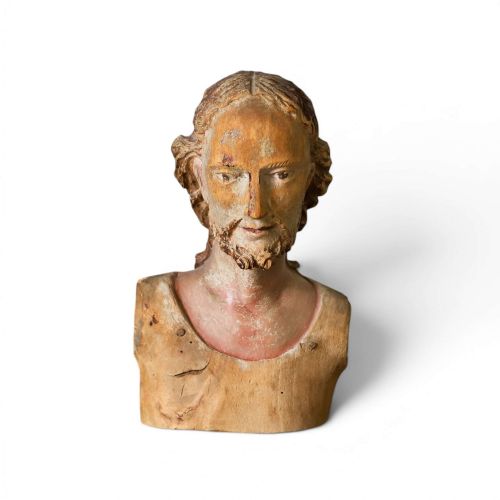
Makers shaped these pieces from woods such as oak, walnut, olive wood, limewood, and mulberry, often applying gesso, gold leaf, or polychrome pigments to the surface. Sculptors carved figures of saints and crucifixes directly from timber blocks, while painters worked with oil, tempera, and canvas.
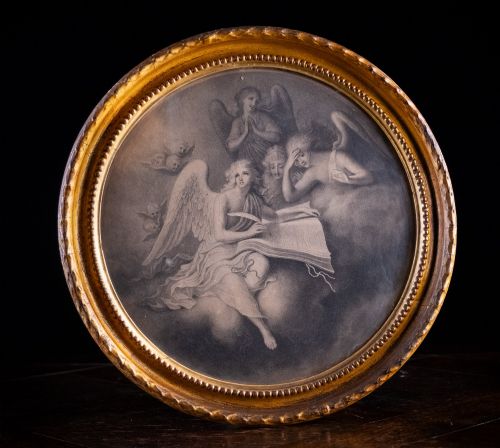
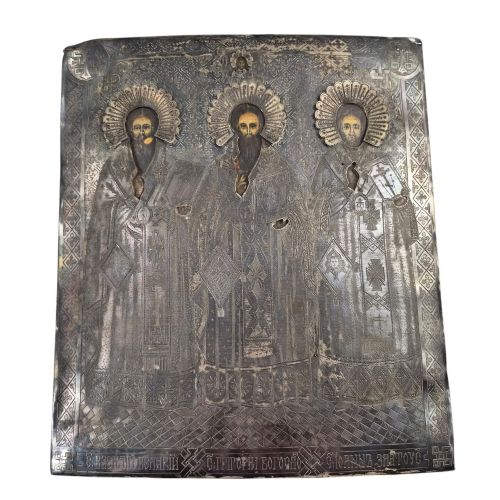
Icon painters employed traditional panels with tempera and gold leaf, occasionally integrating silver riza overlays. Artisans also utilised bronze casting for sculptural busts and produced works through engraving and printmaking.
Antique Sacred Art Retail Price Guide 2026
Typical asking prices for sacred art among the pieces listed under this phrase on Sellingantiques today, from the lower quarter to the upper quarter. They describe what is for sale here now, not the wider market.
A sixteenth-century altarpiece panel preserves the devil as a snake beneath the Virgin's feet.
What varies in quality
The standard of antique sacred art rests upon the anatomical precision of the carving, the expressiveness rendered in painted faces, and the survival of original surface treatments like polychrome or gilding. Works attributed to named schools or documented masters exhibit superior draftsmanship and refined handling of drapery compared to naïve or provincial pieces.
Material integrity significantly influences quality, particularly the preservation of the original wood grain, the clarity of oil layers, and the completeness of metal rizas or altarpiece panels without extensive later interventions.
Heinrich Grünbaum·Franz Keller·Costantino Frixione·George Minne
The Antique Sacred Art Glossary
- Polychrome
- The practice of decorating sculptural wood or stone surfaces in multiple colours. Artisans applied paint and gilt over a gesso ground to lend realism to devotional figures.
- Altarpiece
- A structured artwork placed behind or above an altar, often comprising carved wooden central panels and wings depicting saints or biblical narratives.
- Ex-voto
- A votive offering presented to a saint or divinity in fulfilment of a vow or in gratitude for a miracle. These items take the form of small painted panels or metal hearts.
- Pentimento
- A visible trace of earlier painting beneath a layer of paint, indicating that the artist altered a composition during the creative process.
Antique Sacred Art: Frequently Asked Questions
What is an orthodox icon?
An Orthodox icon is a sacred image painted on wood according to strict canonical rules, often utilising tempera and gold leaf. These devotional panels serve as focal points for prayer within Eastern Christian traditions.
The listings here include nineteenth-century examples, some featuring detailed silver riza work applied over the painted surface.
How are antique wooden sculptures carved?
Sculptors carved figures from timbers such as oak, walnut, limewood, and olive wood using gouges and chisels. Many of these pieces formed parts of larger architectural altarpieces or served as standalone devotional objects.
Surviving examples often retain traces of original gesso and polychrome paint applied directly to the carved wood.
Where were oil paintings on canvas displayed?
Oil paintings on canvas were commissioned for churches, private chapels, and domestic devotional spaces across Europe. They depicted biblical scenes, holy families, and individual saints to inspire contemplation.
Pieces on this page originate from Italian, Spanish, German, and Low Country schools spanning several centuries.
How do you date religious paintings?
Dating relies on stylistic analysis of brushwork, costume, pigments, and canvas preparation, alongside any recorded signatures or documentary evidence. Baroque and Renaissance characteristics offer clear chronological markers.
Pictorial evidence on this page ranges from sixteenth-century Renaissance compositions to nineteenth-century academic works.