
Antique Rustic Table
An antique rustic table grounds a room with heavy timbers and honest utility, holding the marks of daily use in every board.
Antique Rustic Table
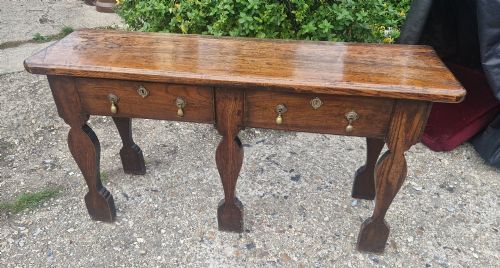
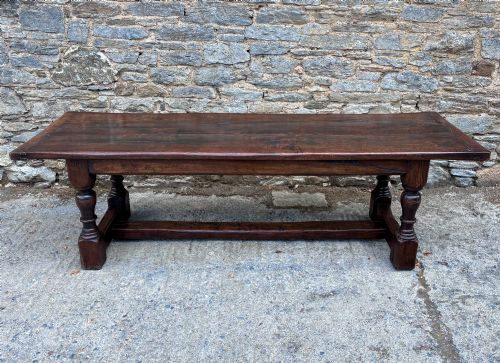
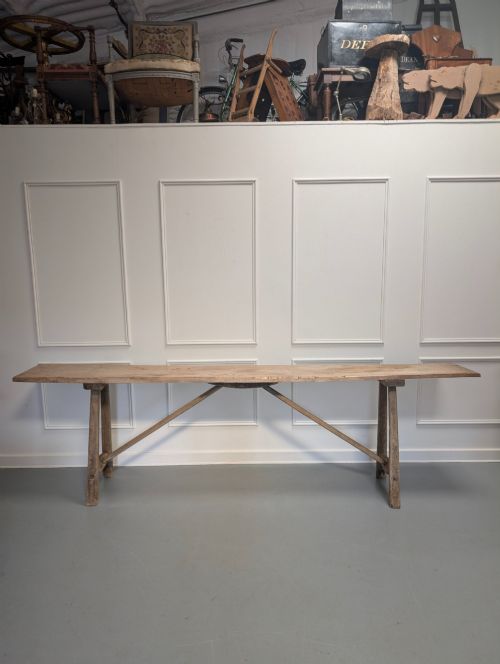
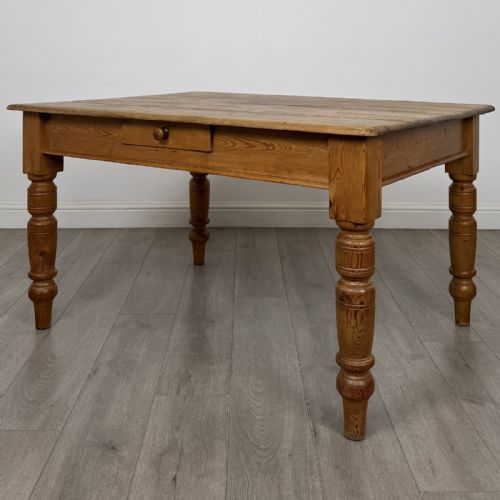
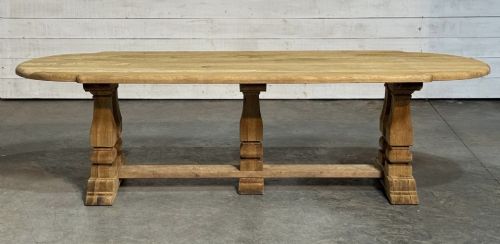
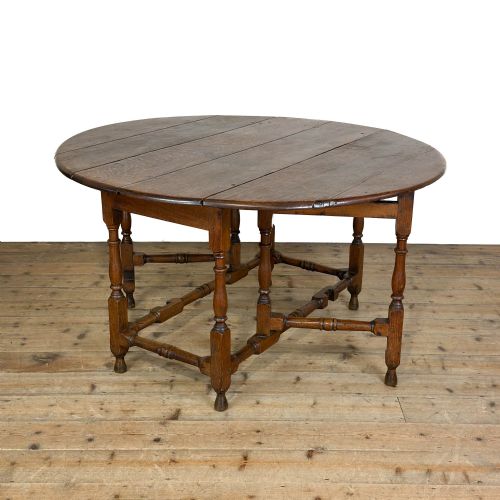
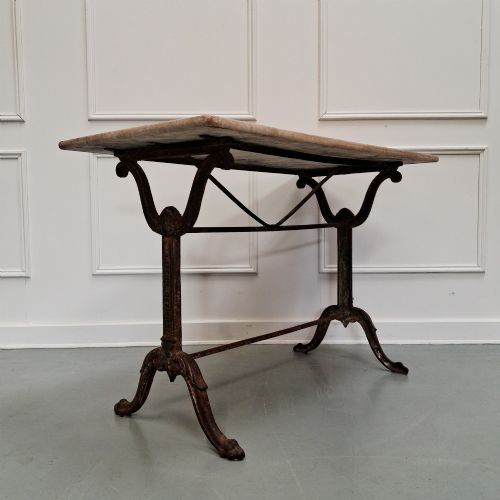
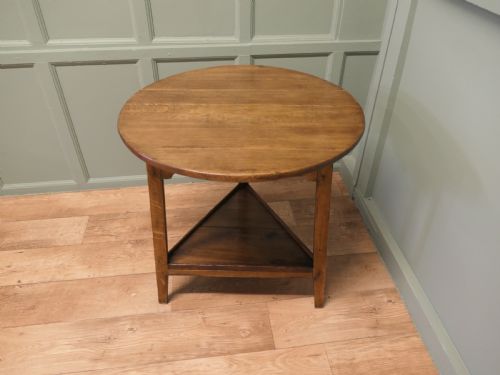
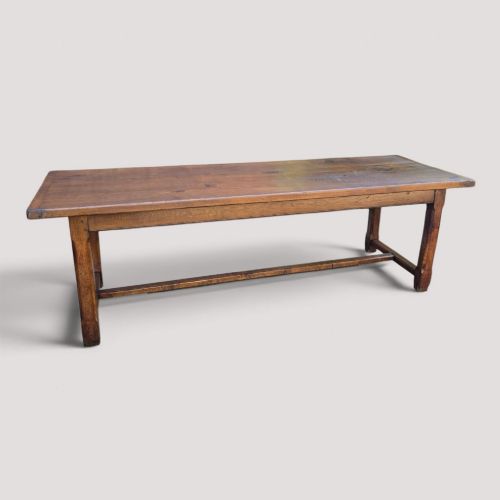
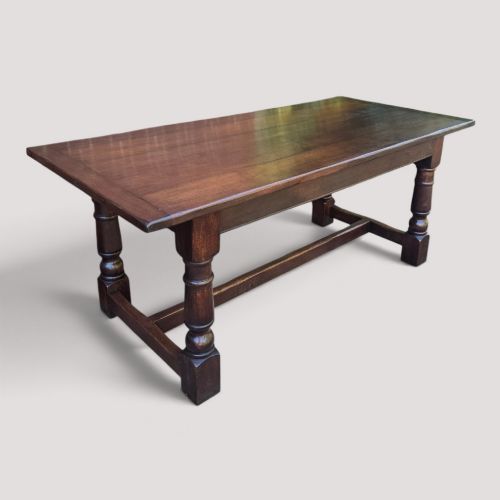
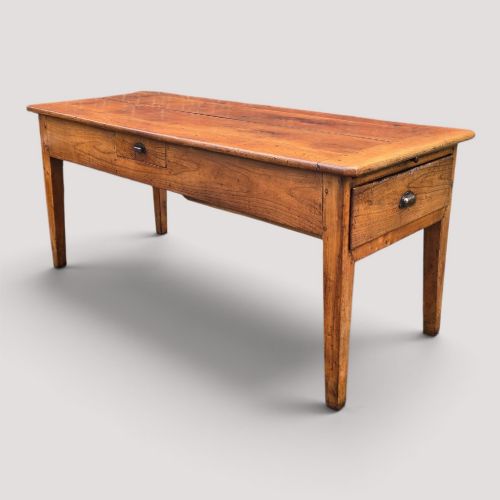
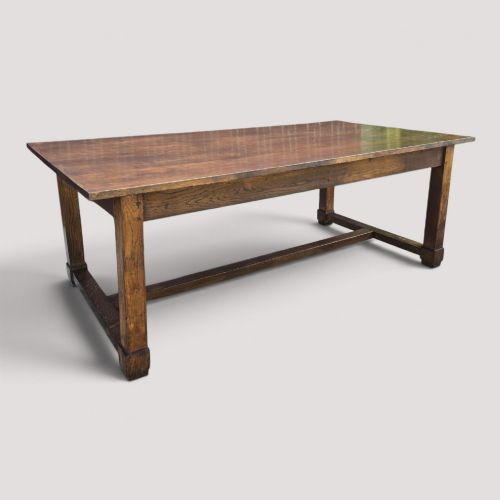
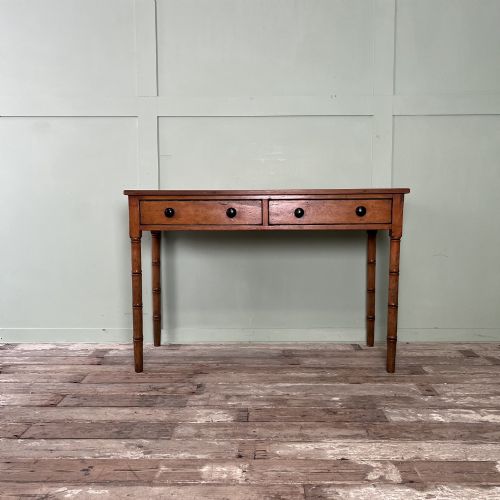
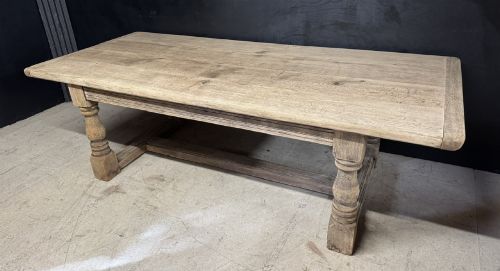
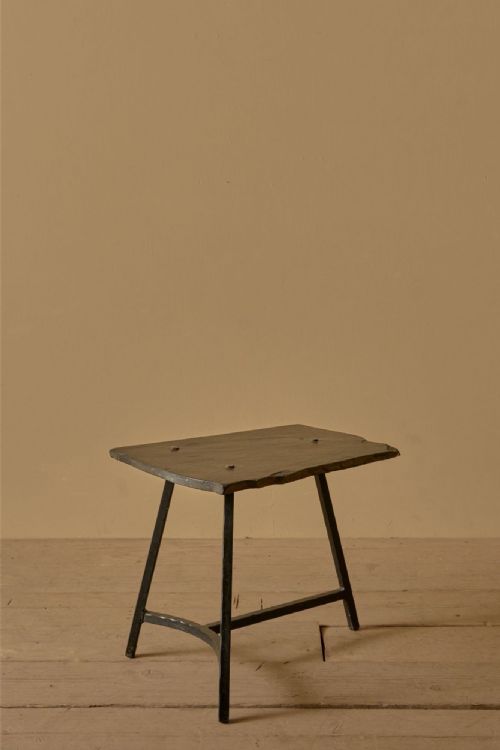
An antique rustic table takes many shapes across this selection, from expansive dining refectories and kitchen worktops to compact side tables, drop leaves, and console surfaces. Buyers seeking an antique rustic table frequently encounter solid oak and pine pieces built for heavy domestic labour rather than formal parlour display.
The inventory draws heavily on 18th century, 19th century, and early 20th century construction, featuring English country and French provincial idioms alongside Georgian and Victorian examples. Forms such as the cricket table, the cricket-style side table, and the plank-top farmhouse table dominate the selection, often carrying the simple lines of regional joinery.
Materials and Technique
Makers relied on durable native hardwoods and softwoods, shaping oak, elm, fruitwood, chestnut, walnut, poplar, and pine into sturdy domestic furniture. Carpenters joined heavy planks with straightforward pegged joints, dovetails, and mortise-and-tenon construction designed to withstand decades of kitchen or workshop activity.
Surfaces show the physical evidence of hand planing and scrubbing, while bases frequently feature turned legs, cabriole supports, or straightforward square stretchers. Iron and brass fittings occasionally appear on drawers and trunks, serving structural or functional purposes without excessive ornament.
Several pine worktables still carry the ingrained flour dust and stubborn ink stains from generations of industrious country bakers and scribes.
Gradations in Quality
The standard of an antique rustic table rests on the integrity of its timber and the honesty of its wear, where thick twin planks and substantial scrub tops command attention. Superior pieces maintain their original structural framing and authentic surface patination without aggressive modern sanding or unsympathetic timber replacement.
Proportion and regional character further divide standard utility boards from exceptional country craftsmanship, such as those with finely figured timbers, untouched painted finishes, or integrated potboards and drawers. The harmony between the original base structure and the primary tabletop dictates the piece's overall coherence.
The Antique Rustic Table Glossary
- Scrub top
- A bare wooden tabletop designed to be repeatedly scrubbed clean with water and sand during daily kitchen preparation. This process leaves the grain raised and the wood deeply bleached.
- Drop leaf table
- A table with a fixed central section and hinged flaps on either side that fold down to save space. Brackets or swing legs support the leaves when raised.
- Potboard dresser base
- A low sideboard featuring an open lower shelf traditionally used for storing pots and pans. The upper surface serves as a preparation counter.
- Joint stool
- An early form of wooden stool constructed with pegged mortise-and-tenon joints rather than turned legs. They served as flexible seating around early dining boards.
Antique Rustic Table: Frequently Asked Questions
What defines an antique rustic table?
An antique rustic table is a utilitarian wooden surface built for daily domestic or agricultural work rather than formal display. These pieces display honest construction methods like pegged joints and thick timber planks.
They originate from various European regional traditions, incorporating materials such as oak, pine, elm, and fruitwood. Their character stems directly from heavy use and simple, robust engineering.
How do I clean a scrub top table?
Scrub top tables respond best to traditional cleaning methods using warm water, stiff brushes, and mild soap rather than harsh chemical polishes. Keeping the unvarnished wood clean preserves the historic texture built by generations of washing.
Allow the timber to dry naturally after washing to prevent warping or splitting. Applying occasional food-safe oils can nourish dry boards without creating an artificial gloss.
Where were these tables originally used?
These tables served as the hardworking centre of kitchens, farmhouses, country houses, and provincial workshops. They accommodated food preparation, dining, laundry sorting, and trade tasks.
Their practical design meant they lived in high-traffic areas where durability mattered more than refined decoration. This heavy use generated the distinct patina and wear marks valued by collectors today.
How do I date an old wooden table?
Dating relies on examining tool marks, timber selection, construction techniques, and hardware. Hand-sawn boards, pegged joinery, and timber shrinkage patterns provide clear clues to a piece's age.
Stylistic shifts in leg turning, stretcher placement, and apron design also help narrow down the period from the 17th through the early 20th century. Comparing structural details against documented regional examples confirms the timeline.