
Antique Rustic Footstool
An antique rustic footstool brings tactile honesty and practical utility to a room through solid timber construction and honest vernacular design.
Antique Rustic Footstool
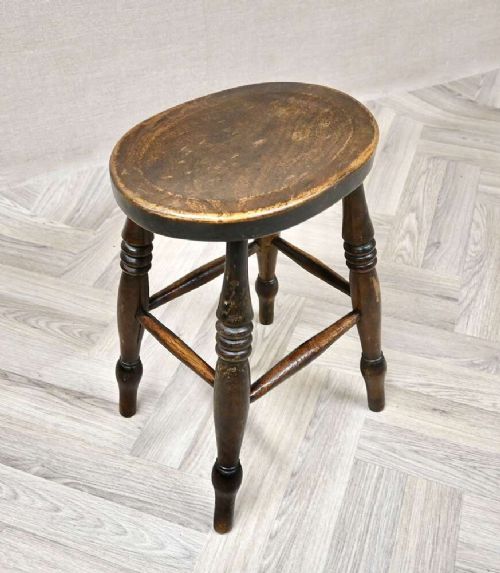
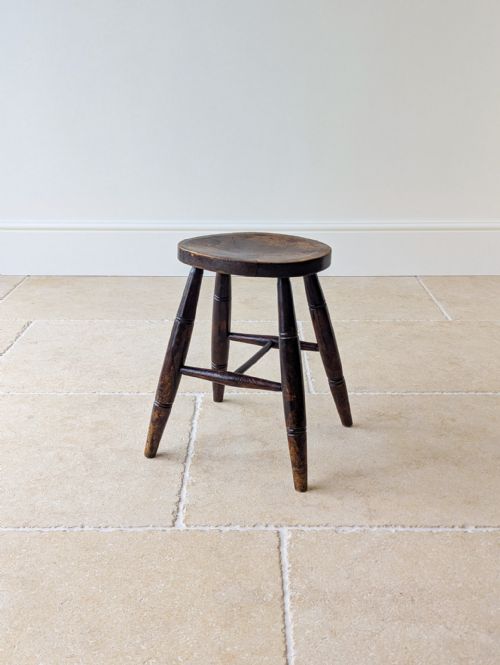
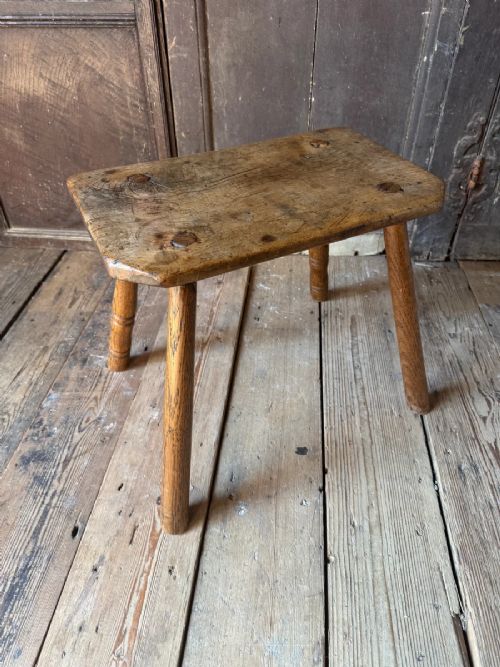
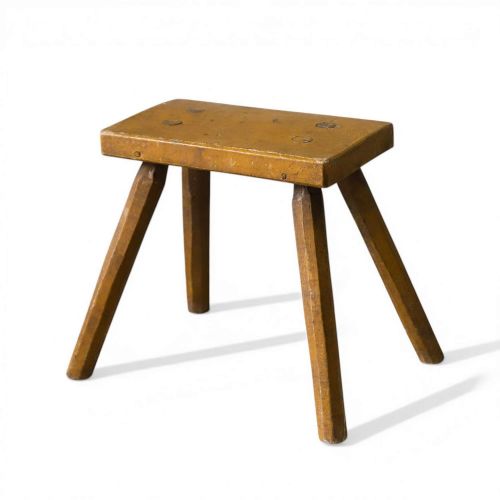
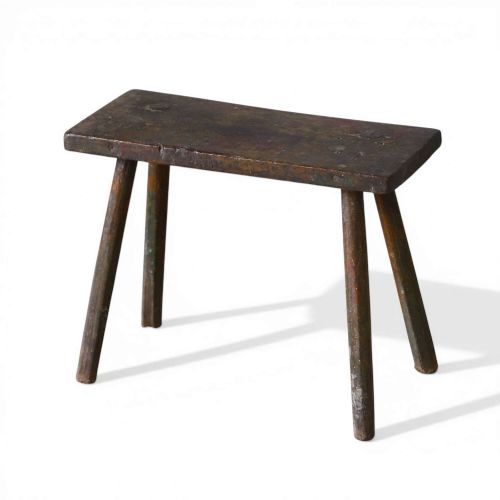
An antique rustic footstool is a low seating piece built from solid woods like oak, elm, ash, and pine for domestic daily use. These items serve as fireside hearth seats, milking stools, low stands, or joint stools originating from various periods including the seventeenth, eighteenth, and nineteenth centuries.
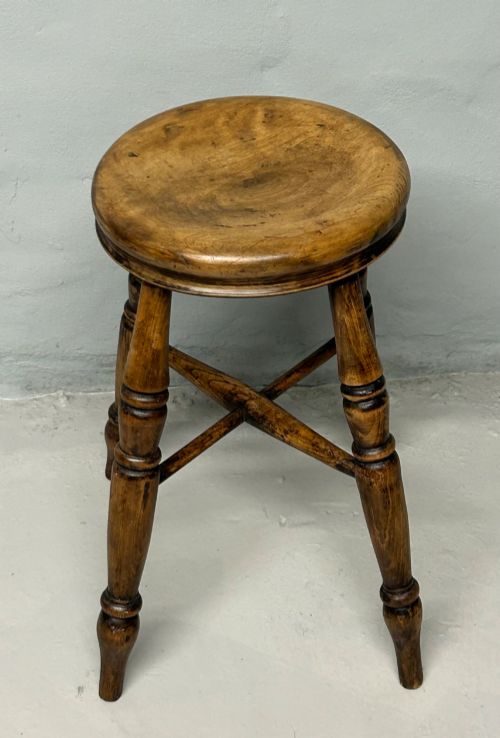
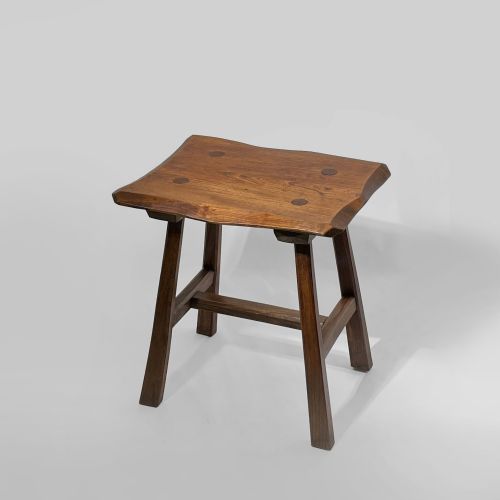
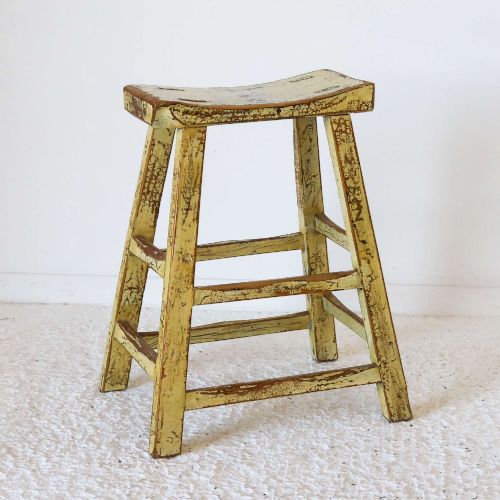
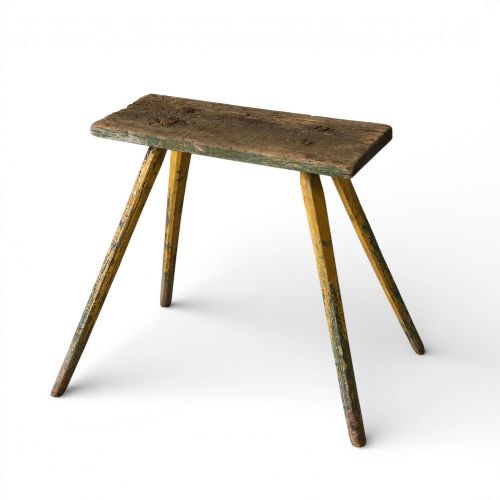
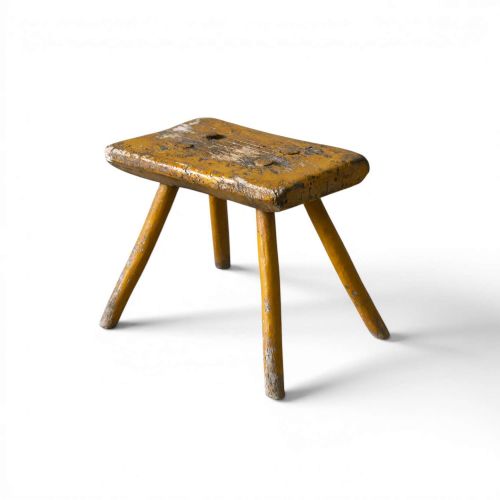
The version most frequently encountered on this page is the nineteenth-century country stool, often featuring a Windsor or jointed construction with straightforward timber legs. Many examples display regional English, French, or Eastern European vernacular characteristics, occasionally retaining original painted finishes in ochre, yellow, green, or red.
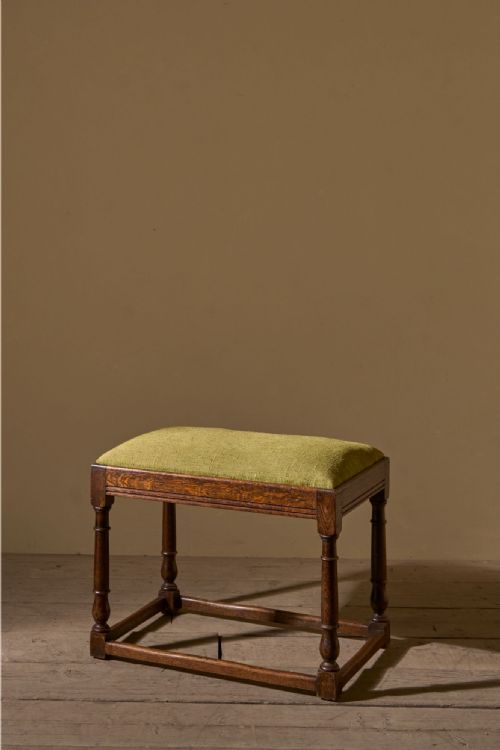
Forms vary from simple round or oval seats to rectangular plank tops and saddle-shaped designs, sometimes incorporating rush seating or heavy linen upholstery. Collectors find everything from diminutive nursery variants to sturdy tavern stools designed for heavy usage.
How they were made
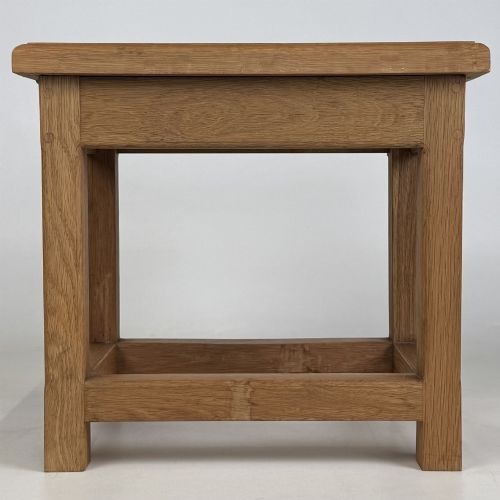
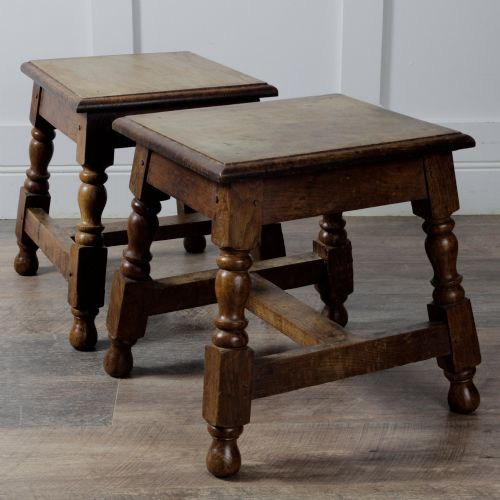
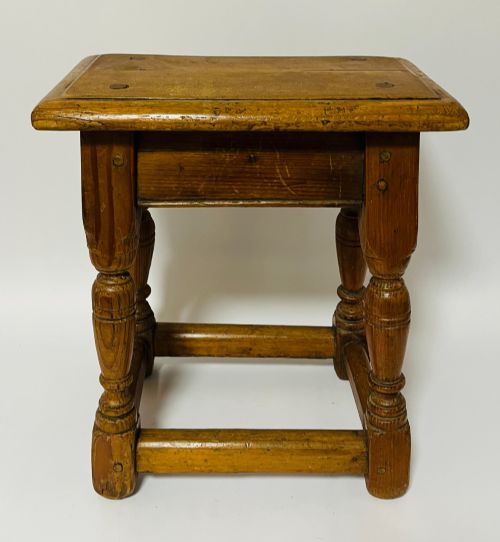
Maker-joiners utilised local hardwoods and softwoods such as oak, elm, beech, sycamore, and pine, selecting timbers for strength and availability. Construction methods relied heavily on pegged joints, mortise and tenon joinery, and turned legs fitted directly into sculpted seats.
Surface treatments range from bare waxed grain to early layers of paint or lacquer, as seen on pieces finished in original green, ochre, or yellow. Details like ball feet, sculpted rounded edges, and rush weaving demonstrate traditional rural craftsmanship without factory standardisation.
Listings feature items spanning the seventeenth to the twentieth centuries, constructed from oak, elm, pine, ash, beech, and sycamore.
What varies in quality
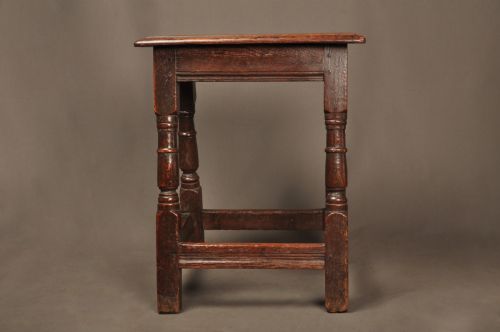
Quality in these pieces depends on the integrity of the timber, the tightness of the pegged or jointed construction, and the survival of original surfaces such as early paint or undisturbed patina. Heavy oak joint stools with untouched seventeenth or eighteenth-century structures represent the more robust end of the scale.
Proportion and seat shaping also dictate distinction, where sculpted saddle seats or unusual diminutive scales elevate a utilitarian object into a piece of notable country furniture. Later or heavily replaced components reduce the overall integrity of the piece.
The Antique Rustic Footstool Glossary
- Joint stool
- A sturdy wooden stool constructed with mortise and tenon joints secured by wooden pegs rather than glue or nails. These date primarily from the seventeenth and eighteenth centuries.
- Vernacular
- Everyday objects made by local craftspeople using regional traditions and available materials rather than following high-style academic design. This term describes unpretentious domestic utility.
- Milking stool
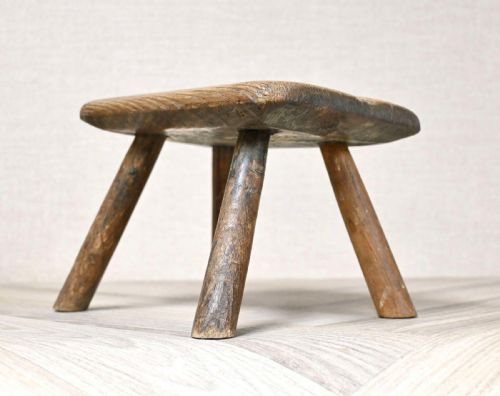
- A low, typically three-legged stool originally designed for a milker to sit close to the animal. They often feature simple turned legs and a small wooden seat.
- Windsor stool
- A seating form featuring legs and spindles inserted directly into a thick, solid wooden seat rather than a frame. They showcase traditional pole-lathe turning techniques.
- Rush seat
- A woven seating surface made from dried marsh rushes twisted into cords. It provides a resilient and traditional platform on country chairs and stools.
Antique Rustic Footstool: Frequently Asked Questions
What is an antique rustic footstool used for?
These low stools were traditionally utilised beside the hearth for warming feet, for milking farm animals, or simply as moveable low seating in modest dwellings.
Today, they function well as decorative accent pieces, low plant stands, or practical footstools in living spaces.
How do I identify a joint stool?
A joint stool is defined by its rigid frame construction joined with pegged mortise and tenon joints rather than simple nailed or screwed assembly. They usually feature heavy rectangular tops and sturdy underframing.
Most surviving examples date from the seventeenth and eighteenth centuries, though revival pieces were made later.
Are painted rustic stools original?
Many nineteenth-century Eastern European and French country stools survive with their original ochre, yellow, green, or red painted finishes. Original paint adds significant character and historical value to a rural piece.
Examining the wear patterns and underlying timber helps determine whether the pigment dates to the period of manufacture.
What woods were used for country stools?
Country makers relied on whatever timber grew locally, resulting in stools fashioned from oak, elm, ash, beech, sycamore, and pine. Hardwoods provided strength for legs and stretchers while softer woods or dense elms formed stable seats.
Different woods often appear within the same piece depending on the structural requirement.