






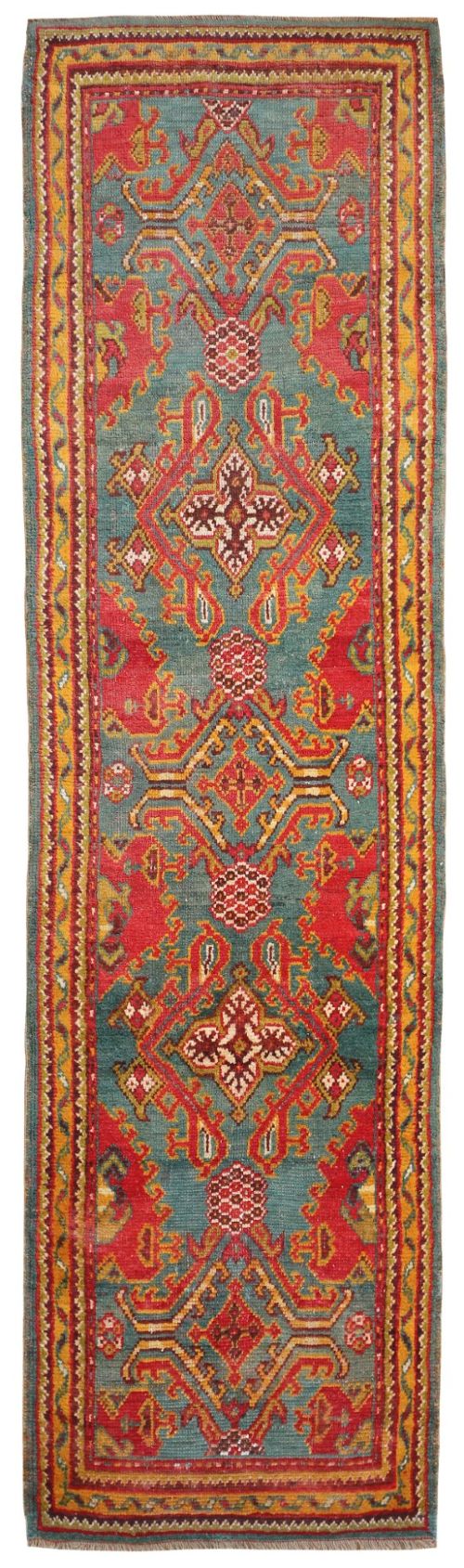
Antique Runner Carpet
An antique runner carpet brings centuries of nomadic and village weaving tradition directly into your hallway.
Antique Runner Carpet
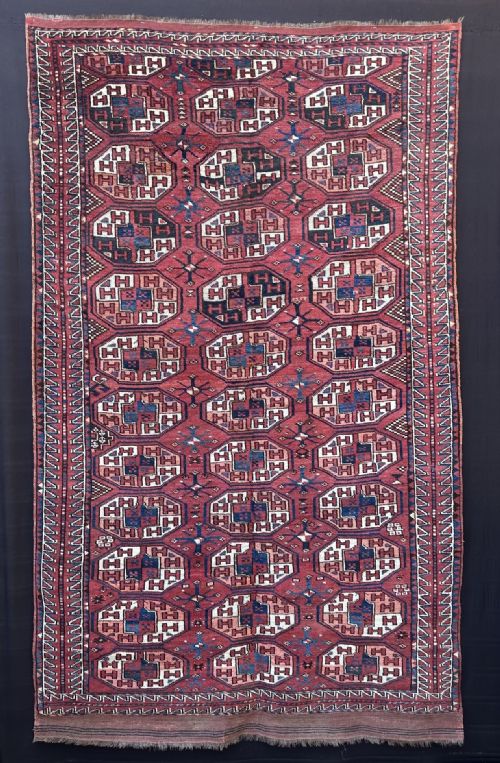
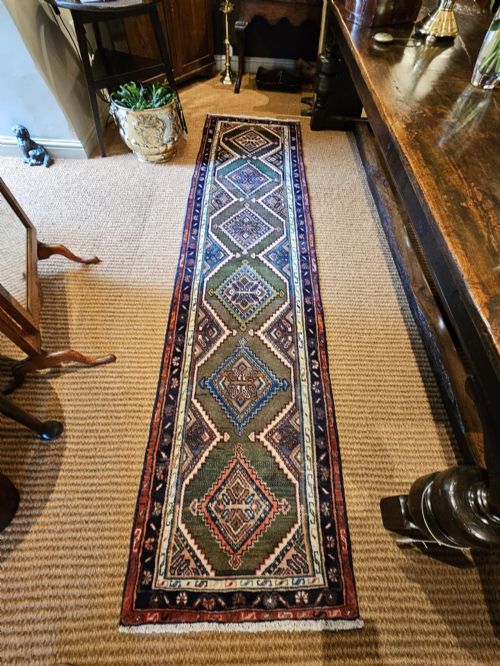
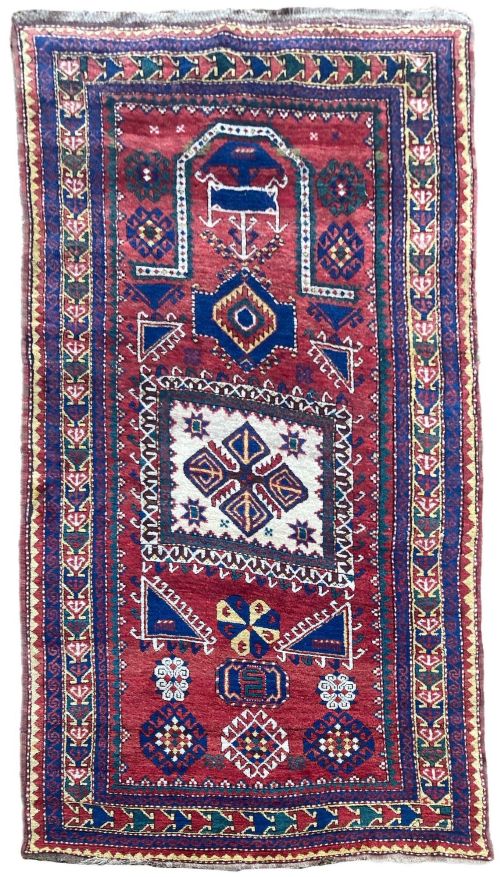
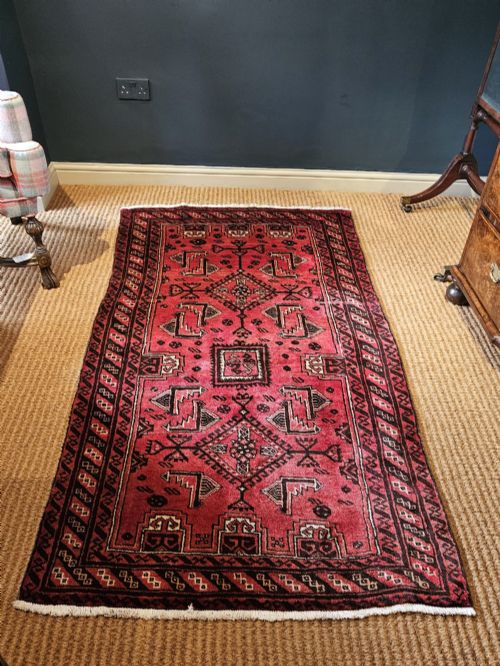
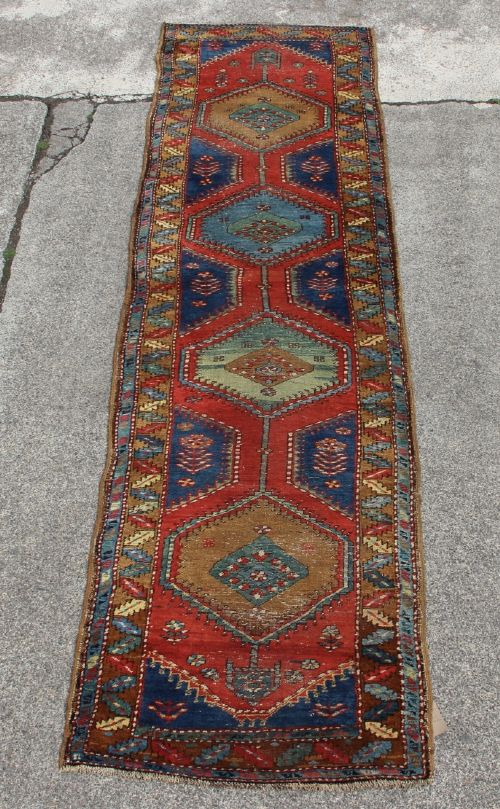
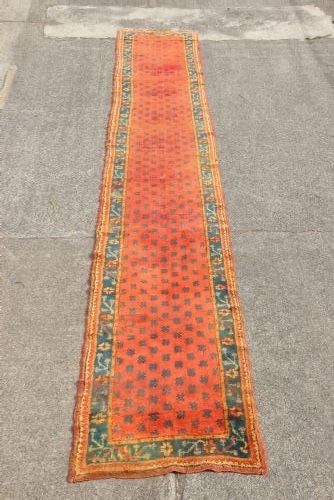
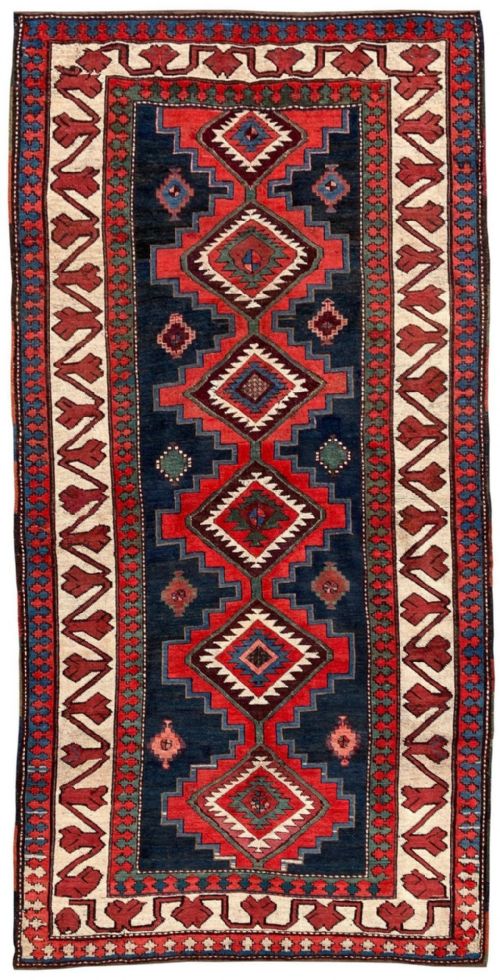
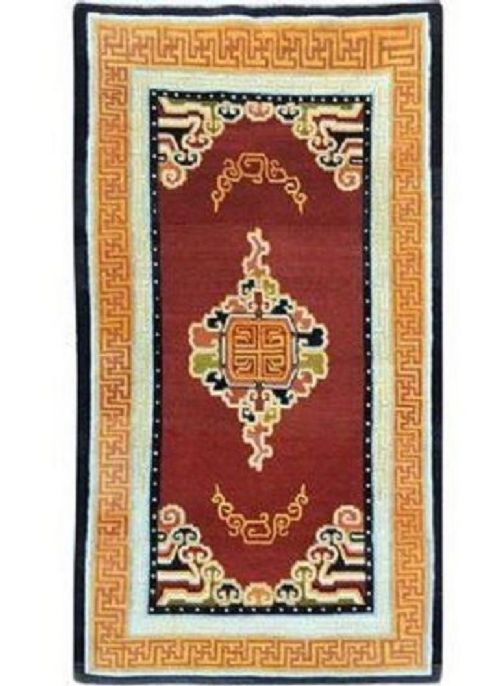
When searching for an antique runner carpet, you encounter elongated woven floor coverings designed specifically for corridors, staircases and narrow galleries. The pieces available span origins across Persia, the Caucasus, Turkey, Central Asia and Tibet, dating from the mid nineteenth century through to the early twentieth century.
The format varies from narrow Turkish Oushak and Heriz runners to geometric Caucasian Talish and Kazak long rugs, alongside tribal Baluch and Kurdish weaves. These textiles served practical purposes in traditional homes while displaying distinct regional iconography passed down through generations.
Materials and construction
The foundation of these textiles rests predominantly on sturdy wool and cotton foundations, with occasional use of camel hair for natural coloration. Artisans knotted or flatwove these materials by hand, utilising natural dyestuffs derived from plants and minerals to achieve deep, lasting hues.
Village and nomadic workshops relied on upright vertical looms, securing the pile with symmetrical or asymmetrical knots depending on the regional tradition. This manual construction method ensured high tensile strength capable of enduring heavy foot traffic over generations.
Antique Runner Carpet Retail Price Guide 2026
Typical asking prices for runner carpet among the pieces listed under this phrase on Sellingantiques today, from the lower quarter to the upper quarter. They describe what is for sale here now, not the wider market.
Listings feature wool, cotton and camel hair materials across Persian, Caucasian, Turkish, Turkmen and Tibetan origins dating from the nineteenth and twentieth centuries.
Assessing quality and craftsmanship
Quality in these long formats rests on the integrity of the foundation and the precision of the hand knotting. Finer examples display high knot densities that allow intricate geometric or floral lattice designs to remain crisp and well defined along the entire length.
The depth and stability of the natural dyes separate superior pieces from standard specimens, as older vegetable colours mellow gracefully over time without losing vibrancy. Additionally, the survival of original outer selvedges and end finishes indicates careful preservation and master craftsmanship.
The Antique Runner Carpet Glossary
- Runner
- A long, narrow carpet format traditionally utilised in hallways, corridors and staircases. These pieces measure significantly longer than they are wide.
- Pile
- The upright yarn surface of a carpet formed by knotted loops that are shorn to a uniform height. This layer absorbs foot traffic and displays the woven design.
- Natural dye
- Colourants extracted from organic sources such as plants, insects and minerals prior to the invention of synthetic aniline dyes. These materials produce complex, harmonious tones that age gracefully.
- Kilim
- A flatwoven carpet or runner produced without a raised pile by tightly interweaving warp and weft threads. This technique yields a lightweight, reversible textile.
- Warp
- The vertical foundation threads stretched lengthwise on a loom before weaving begins. The exposed ends of these threads often form the fringe of the finished piece.
Antique Runner Carpet: Frequently Asked Questions
Where should I place an antique runner carpet?
These elongated textiles suit narrow architectural spaces such as hallways, corridors, entryways and long landings. Their linear proportions guide the eye through domestic layouts while protecting high traffic wooden flooring.
Because original dimensions vary considerably, measuring your exact corridor width and clearance for doors is essential before selecting a piece.
How do I care for an antique wool runner?
Regular gentle vacuuming without a rotating brush roll prevents dust and grit from settling into the wool pile. Professional cleaning by a specialist familiar with antique textiles ensures the natural dyes remain stable.
Placing a breathable non slip underlay beneath the runner prevents shifting and reduces friction against the floorboards.
What is the difference between Persian and Caucasian runners?
Persian runners generally feature curvilinear floral motifs, medallions and intricate all over botanical patterns developed in village workshops. Examples from regions like Heriz, Sarab and Hamadan demonstrate balanced compositions and rich colour palettes.
Caucasian runners rely on bold geometric medallions, stepped polygons, lattice frameworks and stark tribal symbolism executed with high contrast palettes.
How do I determine the age of a runner?
Dating relies on stylistic analysis, structural characteristics, wool consistency and the composition of the dye palette. Subtle irregularities in the weave and natural colour variations often indicate traditional hand production from the nineteenth or early twentieth century.
Comparing structural knot types and edge finishes against documented regional examples helps narrow down the period of origin.