




Antique Royal Art
Antique royal art brings together centuries of painted monarchs, naval vessels, and commemorative stoneware.
Antique Royal Art
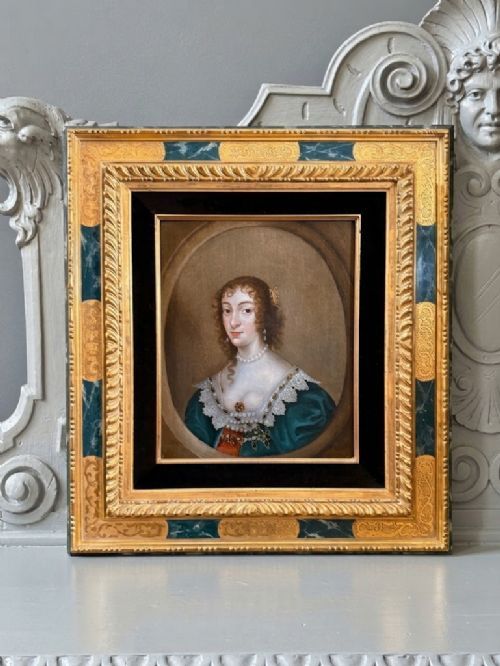
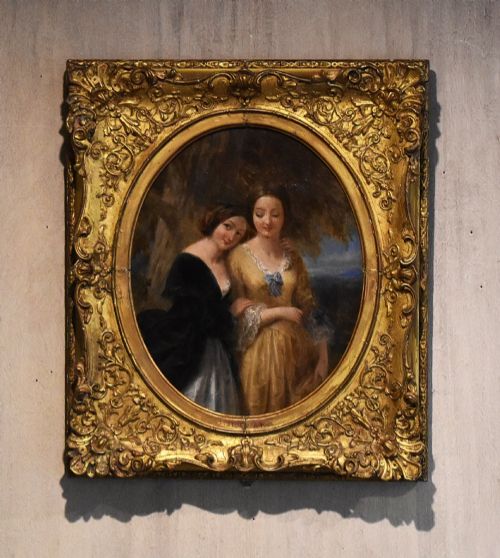
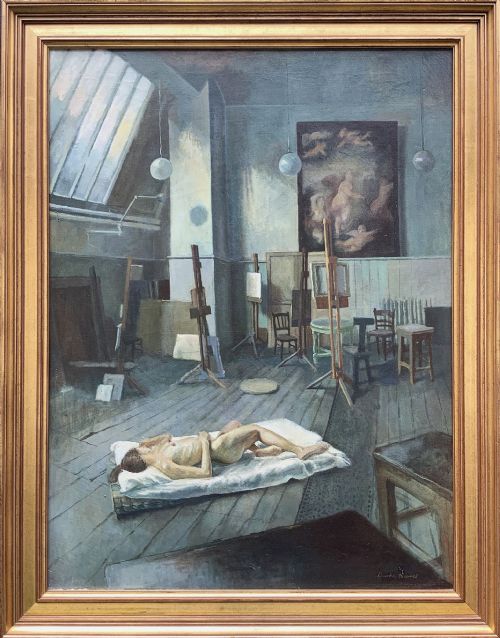
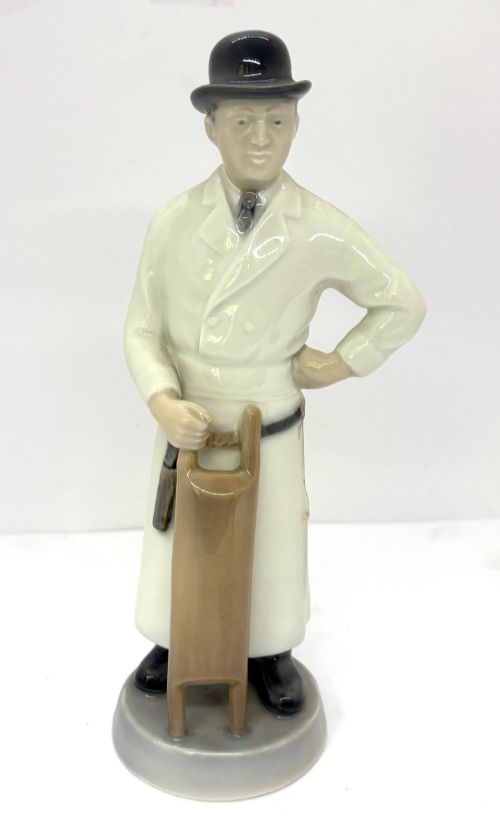
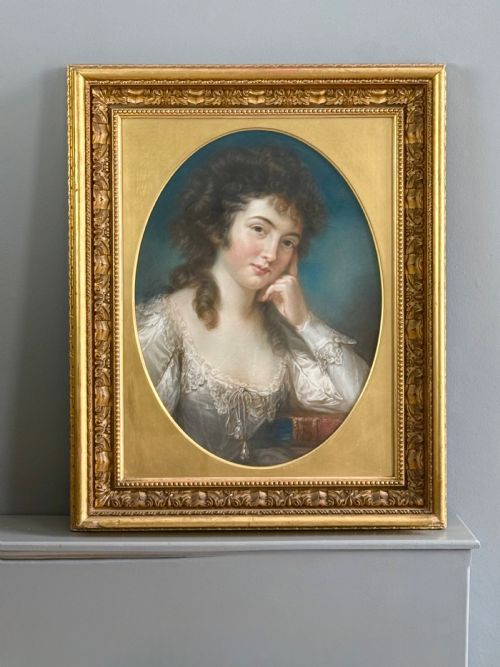
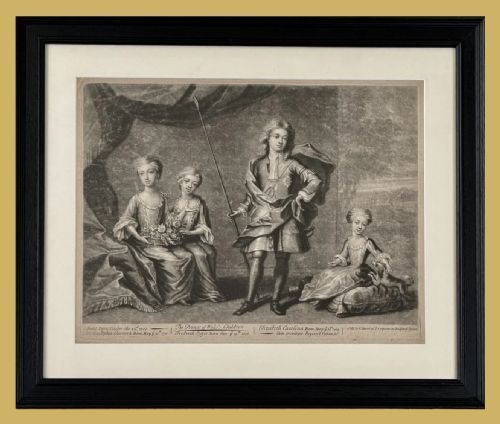
When a buyer searches for antique royal art, they encounter oil portraits, mezzotints, watercolours, and ceramics commemorating rulers, navy vessels, and notable historical figures. The selection spans from seventeenth-century panels depicting monarchs to twentieth-century commemorative loving cups and porcelain figurines.
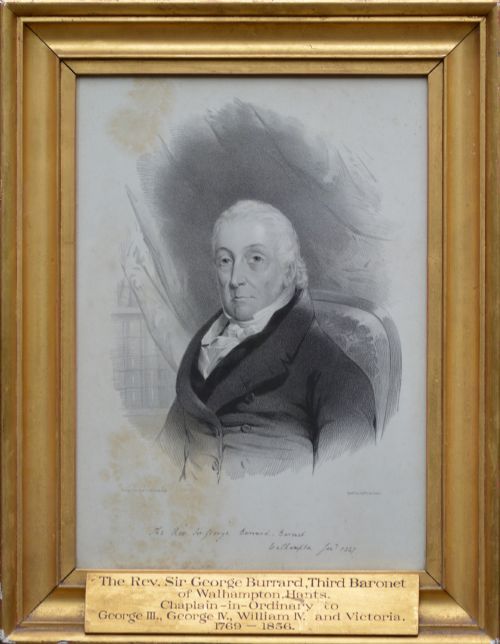
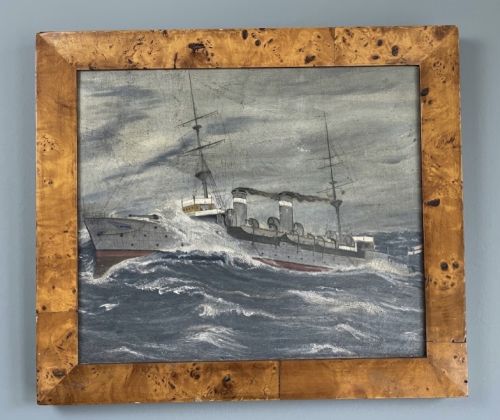
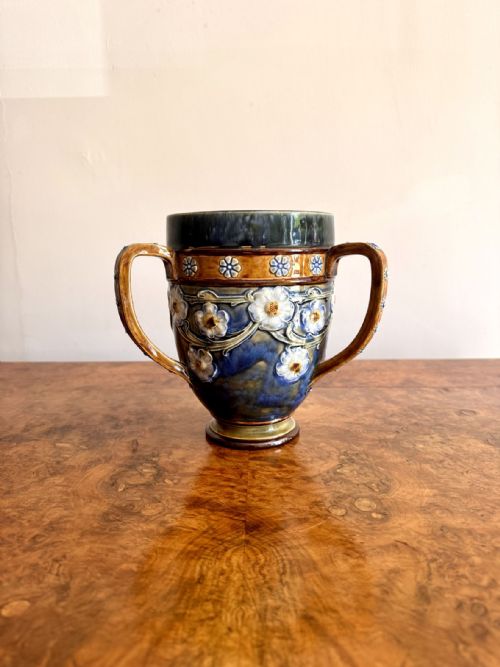
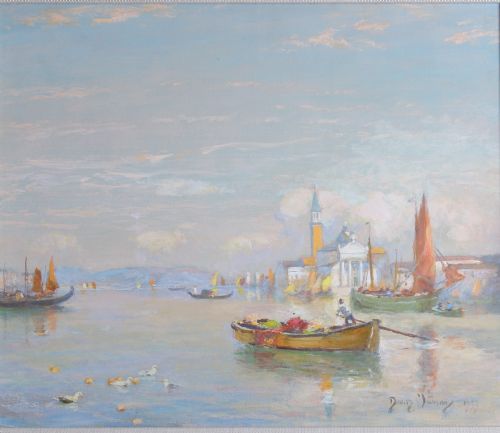
The most common items on this page are eighteenth-century print portraits after master painters and late-nineteenth to mid-twentieth-century Royal Doulton stoneware vases and jugs. Buyers also find marine watercolours and oil paintings recording naval ships such as the HMS Prince of Wales.
Pieces originate across British and European workshops, capturing court figures, military leaders, and royal anniversaries. These works bridge portraiture and decorative pottery, offering tangible links to dynastic history.
How they were made
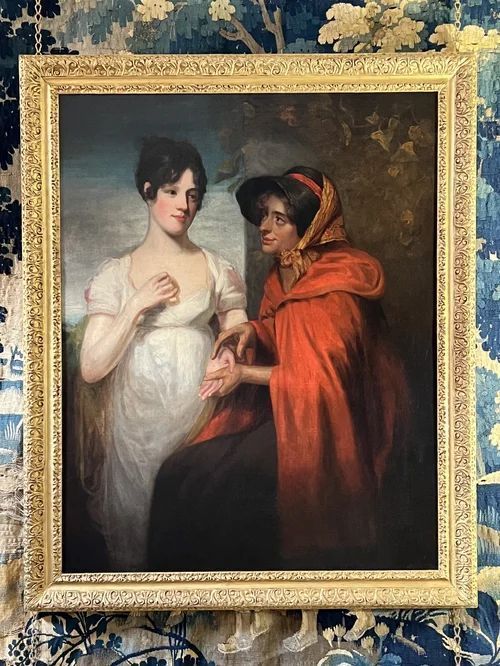
Painters and printmakers utilised oil on canvas or panel, pastel, watercolour, and mezzotint engraving on paper. Many portraits reproduce earlier master works by artists such as Sir Anthony van Dyck and Sir Joshua Reynolds.
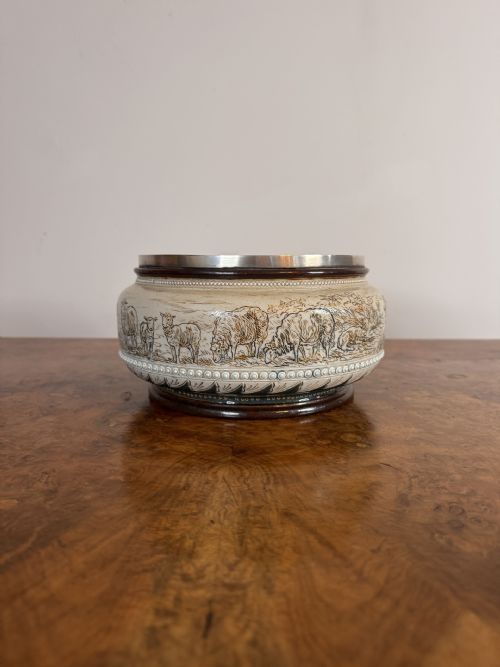
Ceramic pieces combine stoneware and porcelain with coloured glaze, relief moulding, and hand-painted details. Makers such as Royal Doulton and Royal Worcester employed specialised kilns and salt glazing techniques for their vases and jugs.
Antique Royal Art Retail Price Guide 2026
Typical asking prices for royal art among the pieces listed under this phrase on Sellingantiques today, from the lower quarter to the upper quarter. They describe what is for sale here now, not the wider market.
The object types on this page include oil paintings, framed prints, decorative figurines, and marine watercolours.
What varies in quality
The distinction between tiers rests on the execution of the hand-painted brushwork or the sharpness of the mezzotint impression. Early oil portraits on panel exhibit subtle layering and depth, whereas mass-produced prints show simpler ink transfer.
In ceramic items, quality depends on the crispness of the moulded relief patterns and the even application of the glaze. Hand-painted porcelain plaques display finer miniature detail than standard transfer-printed wares.
Royal Copenhagen·Royal Doulton·Royal Worcester
The Antique Royal Art Glossary
- Mezzotint
- A printmaking process of the intaglio family where the plate is roughened and then scraped to achieve tones. It allows for smooth gradations of light and shade in historical portraits.
- Stoneware
- A sturdy type of pottery fired at high temperatures until vitrified and waterproof. It forms the heavy body of many commemorative jugs and vases.
- Panel
- A flat wooden support used for oil paintings before canvas became dominant. Seventeenth-century portraits frequently utilise this rigid backing.
- Loving cup
- A large ceramic or metal drinking vessel with multiple handles, passed around at banquets and royal jubilees. They often feature commemorative inscriptions and dates.
- Gouache
- An opaque water-based paint mixed with a binding agent. It provides solid, vibrant colours in maritime watercolours.
Antique Royal Art: Frequently Asked Questions
What is antique royal art?
Antique royal art comprises paintings, prints, and ceramics depicting kings, queens, court figures, and naval subjects from the seventeenth century onwards.
These pieces range from formal oil portraits and mezzotint engravings to commemorative pottery issued for royal jubilees and coronations.
How were royal portraits displayed?
Historical portraits were commissioned by nobility and institutions to project authority, lineage, and political allegiance.
Over time, smaller prints and commemorative ceramics entered domestic interiors as decorative statements of patriotism.
How do I care for oil paintings?
Oil paintings on canvas or wood panel require stable indoor humidity and shelter from direct sunlight to prevent pigment fading and wood warping.
Dusting should be performed gently with a soft, dry brush without applying liquid cleaners to the painted surface.
How are periods identified?
Periods are determined through costume details, painting techniques, framing styles, and maker marks stamped on ceramics.
Inscriptional evidence within the titles and plates also assists in dating the creation of the artwork.