
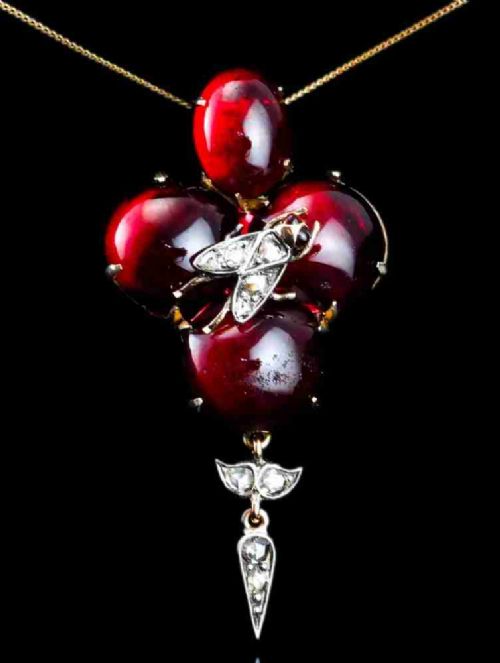


Antique Rose Cut Jewellery
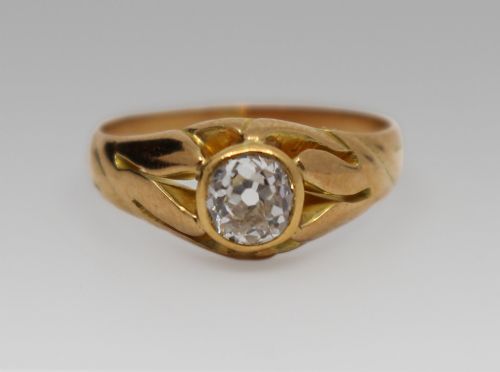
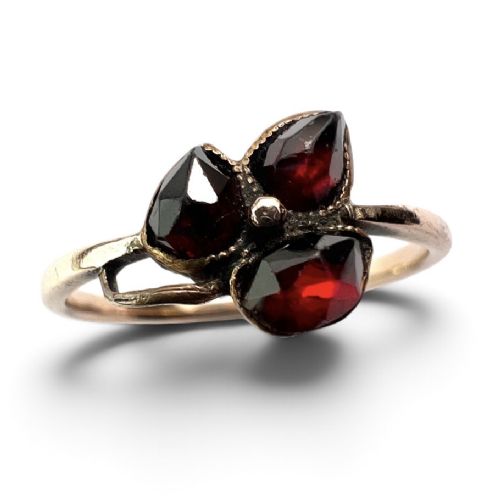
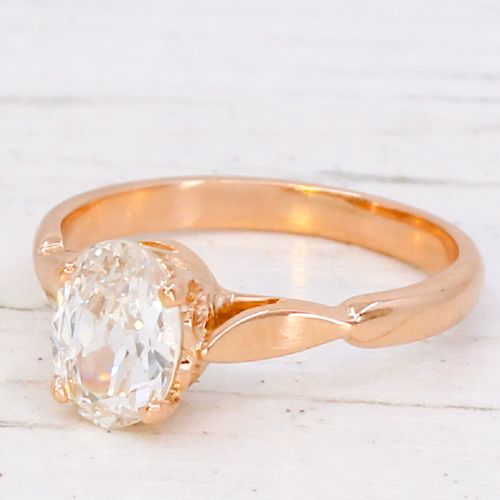
Antique rose cut jewellery brings together flat-topped diamonds and rich coloured stones set in gold and silver from the Victorian and Edwardian eras.
Antique Rose Cut Jewellery
When you search for antique rose cut jewellery, you encounter pieces dominated by rings, brooches, and pendants spanning the Victorian, Edwardian, and Georgian periods.
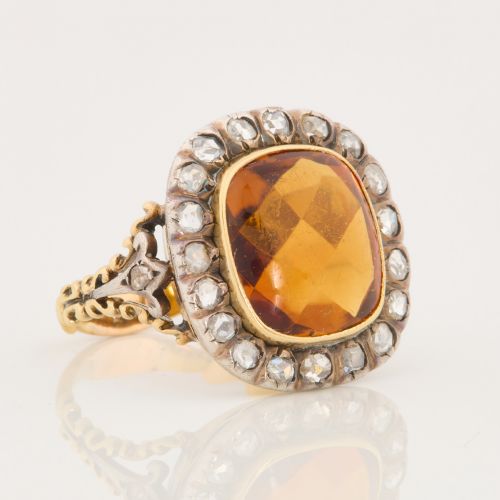
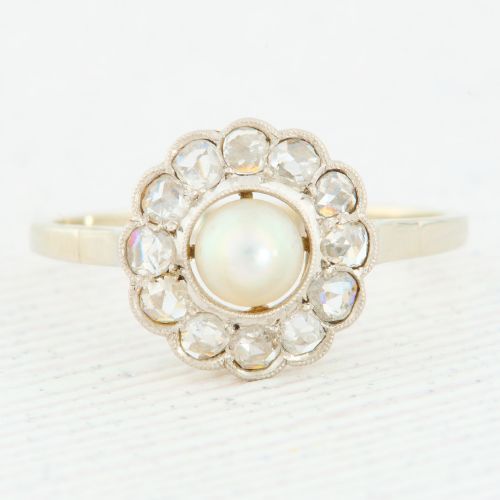
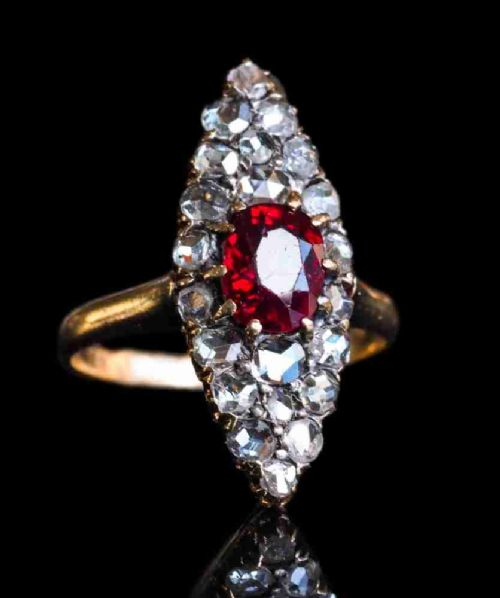
The most common form on this page is the cluster ring, often pairing a central gemstone with a surrounding halo of small rose-cut diamonds.
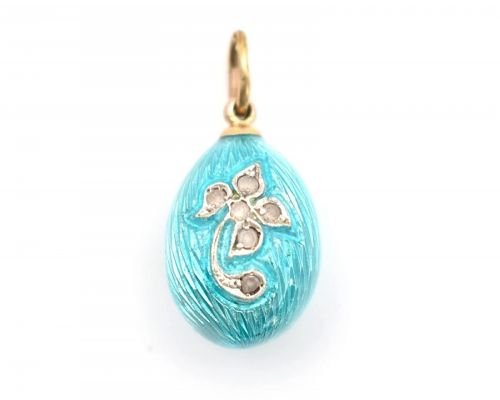
The selection ranges from early nineteenth-century enamel rings to mid-century sapphire clusters, reflecting shifting stylistic preferences over several generations.
Materials and construction
Goldsmiths utilised yellow gold, rose gold, and silver-topped gold, mounting stones by hand into closed or open-backed settings that changed how light entered the gem.
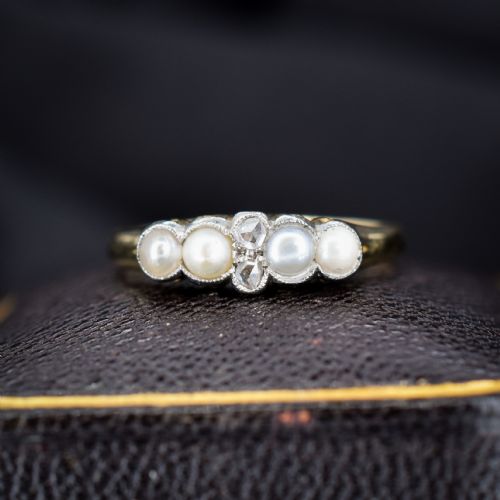
Diamonds feature domed facets cut in geometric patterns, while coloured stones such as garnets, rubies, and opals appear in cabochon or faceted forms.
Several Victorian serpent rings stare back at you with tiny rose-cut diamond eyes as symbols of eternal love.
Assessing quality
Quality rests on the symmetry of the stone-cutting and the integrity of the original metalwork, particularly where silver overlays gold.
Superior examples maintain crisp facet lines on the rose-cut diamonds and secure stone settings without heavy modern repairs.
The Antique Rose Cut Jewellery Glossary
- Rose cut
- A diamond cut with a flat base and a domed crown consisting of triangular facets that resemble an opening rosebud.
- Cabochon
- A gemstone shaped and polished rather than faceted, resulting in a smooth, rounded surface.
- Navette
- A boat-shaped ring setting that tapers to points at both ends along the finger.
- Plique-a-jour
- An enamelling technique where the enamel is unsupported by a backing metal, letting light shine through like stained glass.
- Collet
- A band of metal that holds a gemstone in place by folding over its edge.
Antique Rose Cut Jewellery: Frequently Asked Questions
How do I care for antique jewellery?
Antique pieces require gentle handling because closed-backed settings and delicate foils can trap moisture. Avoid submerging them in water or using ultrasonic cleaners.
Store items separately in soft pouches to protect enamel work and softer gems like opals and pearls from scratching.
Why is silver often paired with gold?
Jewellers used silver-topped gold settings during the Georgian and Victorian periods because silver provided a bright white background that made diamonds look whiter.
Gold formed the sturdy reverse of the piece, preventing the silver from tarnishing directly against the wearer's skin or clothing.
How can I tell a Victorian piece from an Edwardian one?
Victorian items often employ heavier yellow gold, rich garnet clusters, and romantic motifs like snakes, ivy leaves, and sentimental enamel work.
Edwardian pieces shift towards lighter platinum and white gold settings, featuring airy garland styles and delicate diamond lacework.