
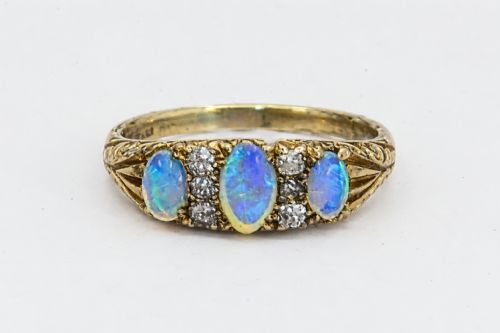
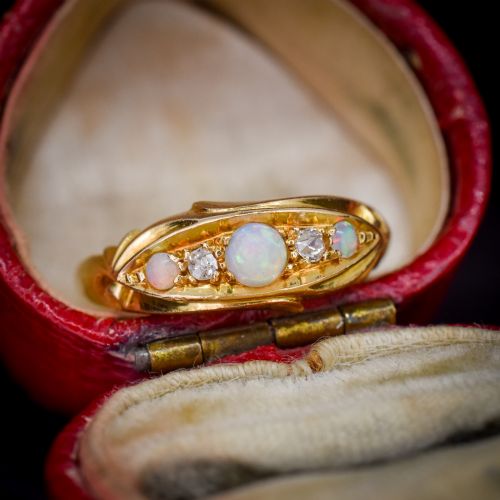
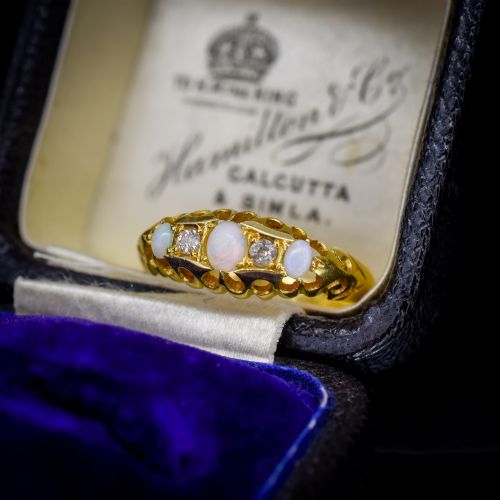
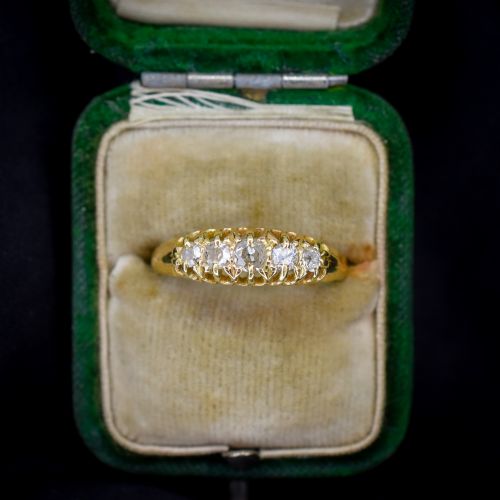


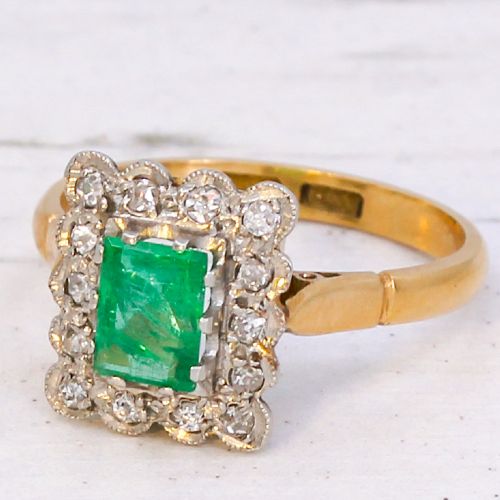
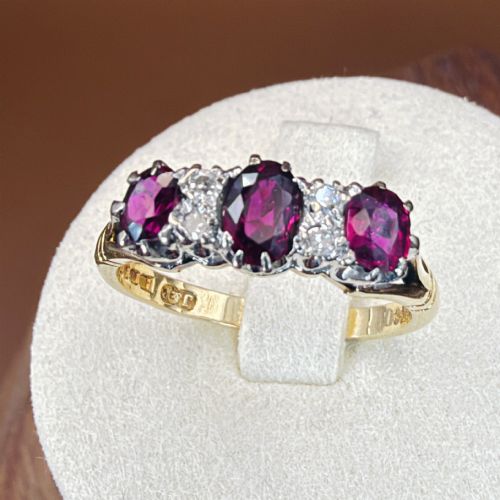
Edwardian Gold Diamond Ring
An edwardian gold diamond ring brings together the delicate platinum and yellow gold settings of the early twentieth century.
Edwardian gold diamond rings
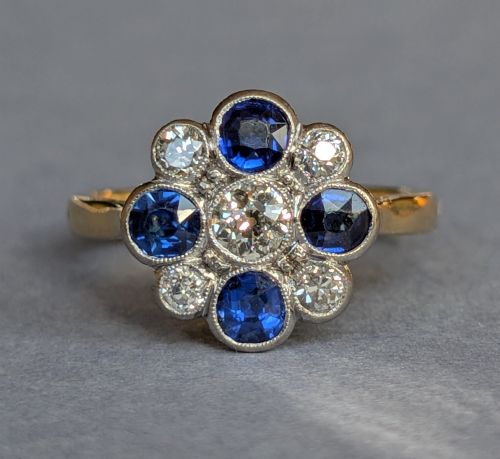
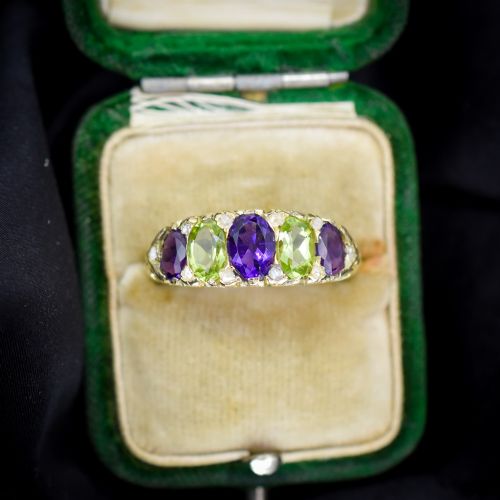
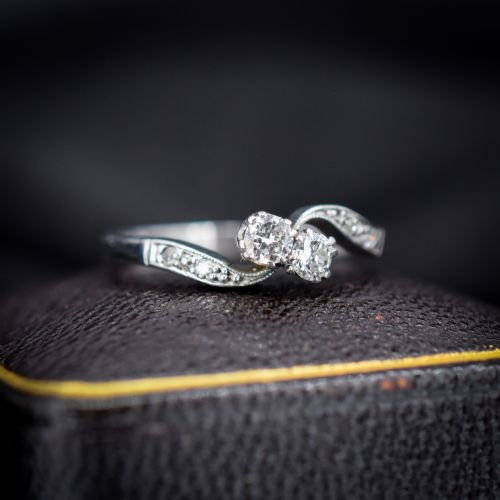
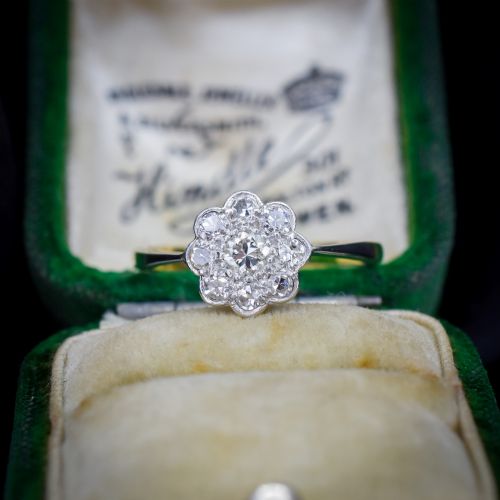
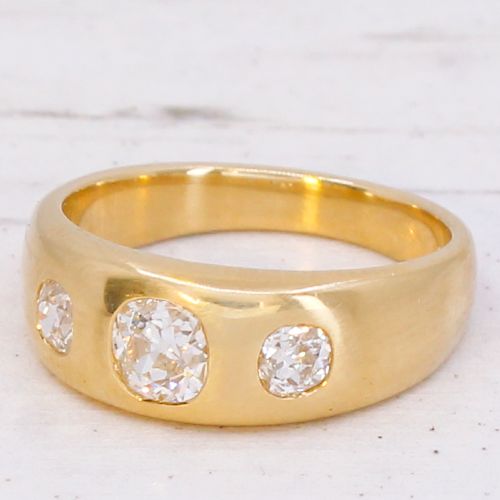
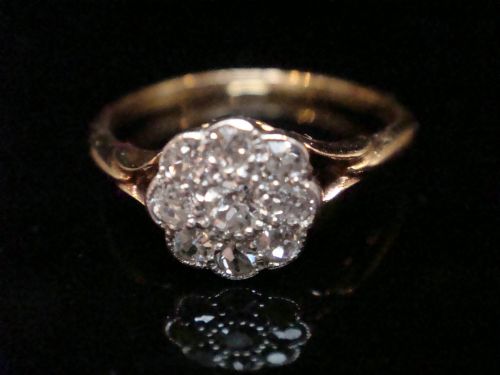
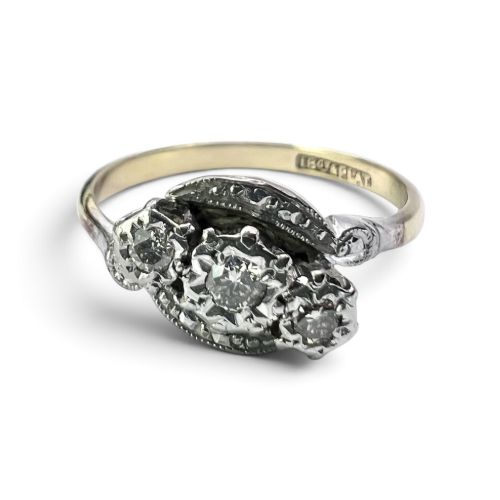
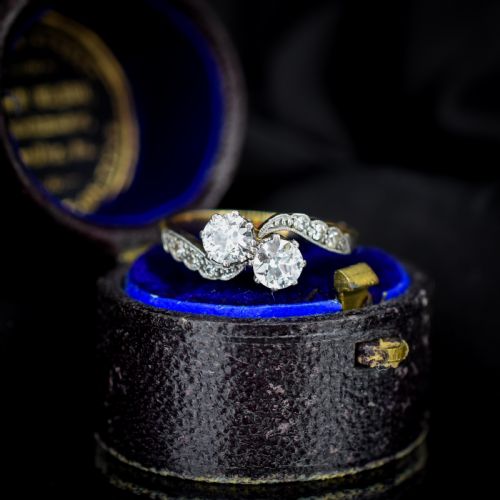
Every edwardian gold diamond ring on this page originates from the period around nineteen hundred to nineteen ten, capturing the distinct craftsmanship of the reign of King Edward VII. The selection spans single-stone rings, multi-stone cluster designs, and intricate crossover or toi et moi styles.
Buyers will encounter yellow gold bands frequently paired with white gold or platinum settings that highlight the brilliance of old cut diamonds. Alongside diamonds, pieces in the archive and current listings incorporate pearls, opals, rubies, emeralds, and sapphires.
The aesthetic bridges traditional late nineteenth-century styles with the curving lines of Art Nouveau and the geometric precision of early Art Deco. These pieces serve primarily as engagement rings or refined dress rings.
Materials and construction
Goldsmiths utilised eighteen-carat yellow and white gold alongside platinum, which emerged as a favoured metal for securing stones securely without heavy prongs. Silver also appears in combination with gold on specific period pieces.
Diamonds are predominantly old European cut or rose cut, shaped by hand to scatter light softly under candlelight rather than the sharp brilliance of modern brilliant cuts. Gemstones including opals, rubies, emeralds, and pink sapphires are flush-set, claw-set, or arranged in tight clusters.
Retail Price Guide 2026
Typical UK retail prices for edwardian gold diamond ring, calculated from the Sellingantiques database of over a million retail prices indexed since 2003. This retail price guide relies exclusively on Sellingantiques data; no external sources or auction records are used, so the figures do not describe the wider market.
Listings feature eighteen-carat yellow gold, white gold, and platinum combined with diamonds, sapphires, opals, rubies, and pearls across the Edwardian era.
Assessing quality
The distinction between standard production and exceptional examples lies in the delicacy of the pierced metalwork and the integration of platinum with gold. Superior pieces display master gemstone matching, particularly in multi-stone clusters and five-stone rows where diamond sizes and cuts align harmoniously.
Makers achieved higher refinement through hand-engraved shoulders and precise millegrain edges that frame the stones. Wear patterns on old cut facets and the structural integrity of the delicate basket settings ultimately separate everyday dress rings from premiere survivals.
The Edwardian Gold Diamond Ring Glossary
- Old European cut
- A round diamond cut popular in the late nineteenth and early Edwardian periods, characterised by a small table, high crown, and open culet. This cut produces a distinctive, softer scintillation.
- Toi et moi
- A ring style featuring two main gemstones placed side by side or Crossover, symbolising two souls intertwined. The French phrase translates to you and me.
- Millegrain
- A decorative technique involving a row of tiny raised metal beads along the edge of a setting. It imparts a soft texture and a finished border to Edwardian platinum and gold work.
- Cluster ring
- A central gemstone surrounded by a geometric or floral arrangement of smaller stones, typically diamonds encircling a ruby, sapphire, opal, or pearl.
Frequently Asked Questions
How do I wear an Edwardian ring daily?
These antique rings require mindful wear due to their delicate claw settings and slender eighteenth-century bands. Removing them during heavy manual tasks protects the soft old cut stones and fine metalwork.
Pairing them with modern wedding bands can cause friction against the antique shoulders. Many owners choose to wear them alone as statement engagement or cocktail pieces.
Are these rings genuine Edwardian period?
The pieces date strictly from the early nineteen hundreds, aligning with the Edwardian era up to approximately nineteen ten. Hallmarks on the gold bands often confirm British assay office stamps such as Chester alongside the gold carat.
Stylistic markers like platinum-topped gold, millegrain decoration, and old European cut diamonds further authenticate the period origin.
What is an old cut diamond?
Old cut diamonds are hand-faceted gemstones shaped before modern machinery standardised diamond proportions in the early twentieth century. They feature smaller tables and deeper pavilions designed to catch gaslight and candlelight.
This historic cutting style gives each stone a unique, irregular charm compared to contemporary brilliant cuts.
Can I resize an antique gold ring?
Resizing is generally possible for skilled jewellers who work carefully with eighteen-carat gold and platinum settings. The process requires caution to preserve original hallmarks stamped on the inner shank.
Intricate pierced gallery work or heavy shoulder engraving limits how drastically a ring can be altered without disrupting the design.