
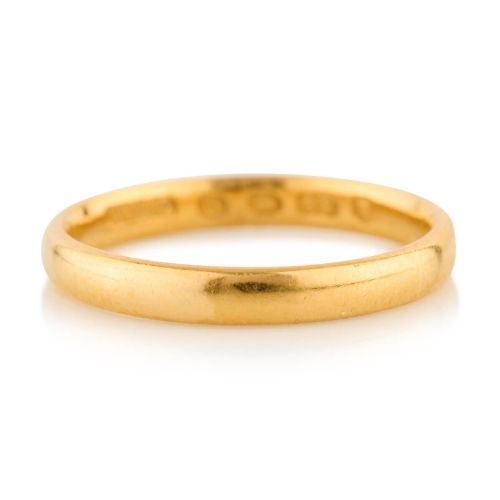

Antique Size J Ring
An antique size j ring brings a petite historical band or cluster to the finger, offering tailored elegance from past centuries.
Antique Size J Ring
When you search for an antique size j ring, you uncover petite banded treasures from periods spanning the Victorian era through the Art Deco movement. These smaller rings often suit slender fingers or cater to historical sizing conventions that differ from modern standard fits.
The selections on this page incorporate plain wedding bands alongside elaborate gemstone clusters. You will encounter high-carat gold and platinum settings housing diamonds, rubies, sapphires, and emeralds.
While the inventory encompasses various forms, the core of these listings concentrates on finger adornments rather than larger household silver or glass vessels. Each piece carries the distinct aesthetic signatures of the 19th and early 20th centuries.
Craftsmanship and materials
Goldsmiths utilised precious metals including 9ct, 18ct, and 22ct gold alongside platinum to forge these durable mountings. These metals were cast, hammered, and hand-finished to hold secure stone settings or create smooth, unadorned wedding bands.
Gemstones such as old-cut diamonds, rubies, and sapphires were meticulously hand-set into bezels, claws, or flush star formations. Jewelers balanced structural integrity with delicate aesthetic proportions, particularly in smaller ring sizes where workspace was limited.
Assessing quality in historical rings
The standard of a piece rests on the precision of the metalwork and the integrity of the gemstone settings. Superior examples maintain crisp original engraving, securely seated stones without excessive claw wear, and balanced proportions.
The clarity and cut of gemstones further differentiate the upper tier of pieces, where hand-cut stones catch the light with distinct historical character. Weight, hallmarking clarity, and the preservation of original design details elevate an individual piece above standard survivals.
W. E. D. L
The Antique Size J Ring Glossary
- Platinum
- A dense, durable white metal frequently utilised in Edwardian and Art Deco jewellery for secure, fine-line stone settings.
- Old-cut diamond
- A diamond cut by hand before modern machinery, characterised by a smaller table, higher crown, and broad facets that glow under candlelight.
- Gypsy ring
- A style where stones are flush-set directly into a thick, tapered band, popular during the Victorian period.
- Cluster ring
- A design featuring a central gemstone surrounded by a border of smaller stones, often diamonds, creating a pronounced focal point on the finger.
Antique Size J Ring: Frequently Asked Questions
How do I know if a ring is genuine antique?
Examine the piece for hallmarks, hand-cut stone facets, and manufacturing techniques consistent with historical periods like the Victorian or Art Deco eras.
Maker's marks, metal purities such as 18ct gold, and natural wear patterns provide further physical evidence of genuine age.
Can a size J ring be easily resized?
Resizing depends heavily on the metal type, band thickness, and whether gemstones extend around the entire circumference of the hoop.
Plain gold bands generally allow straightforward adjustment by a skilled jeweller, whereas intricate cluster or eternity designs present greater technical challenges.
What is the difference between Edwardian and Art Deco rings?
Edwardian rings typically feature delicate platinum work, lace-like filigree, and softer floral motifs set with diamonds and pearls.
Art Deco pieces shift towards geometric precision, symmetrical lines, and bolder contrasts utilising calibré-cut rubies, sapphires, and emeralds.
How should I care for antique gemstone rings?
Protect delicate stones like opals and pearls from harsh chemicals, ultrasonic cleaners, and sudden physical impacts during daily wear.
Store pieces individually in soft pouches and have a professional jeweller periodically inspect the claw settings to ensure stones remain secure.