


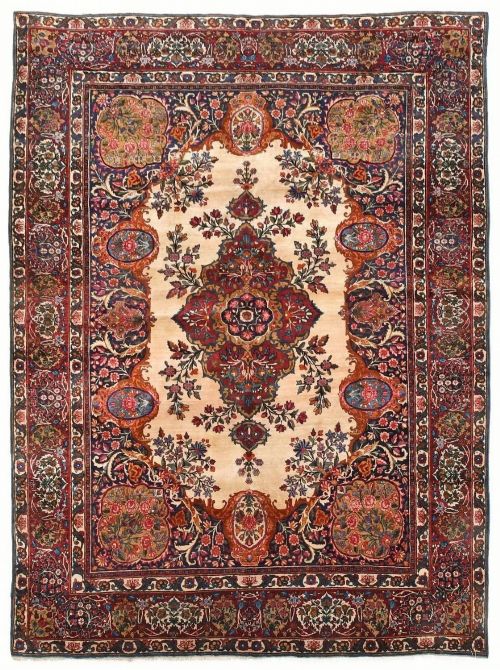
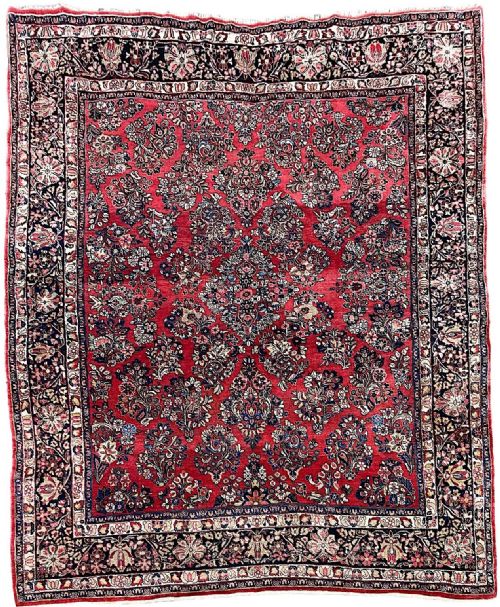
Antique Room Rug
An antique room rug anchors a floor with grand scale, rich colour and centuries of woven tradition.
Antique Room Rug
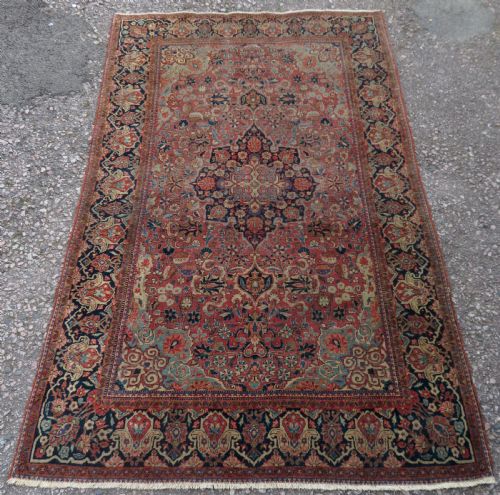
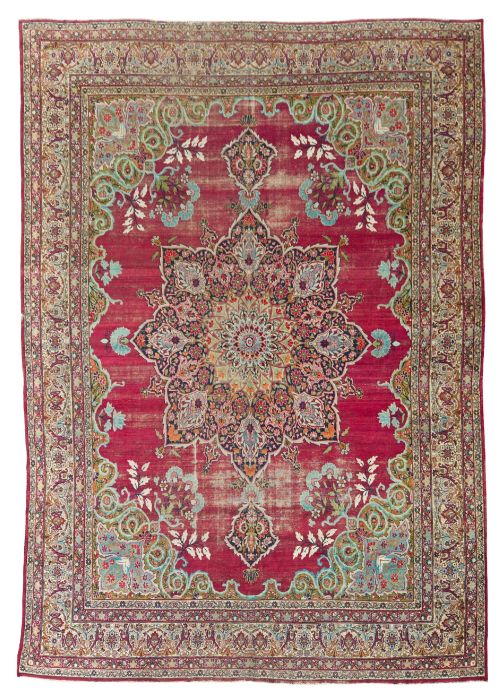
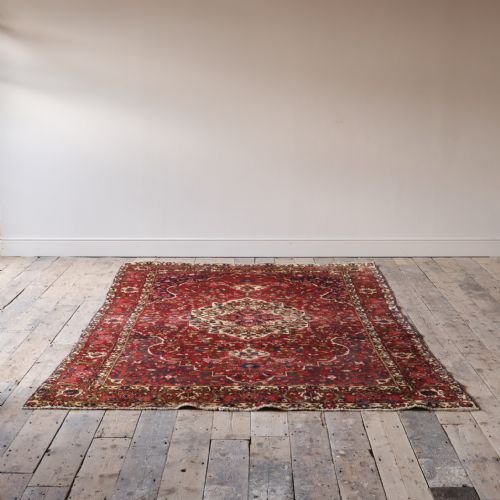
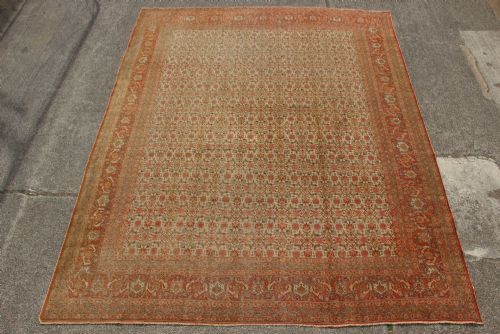
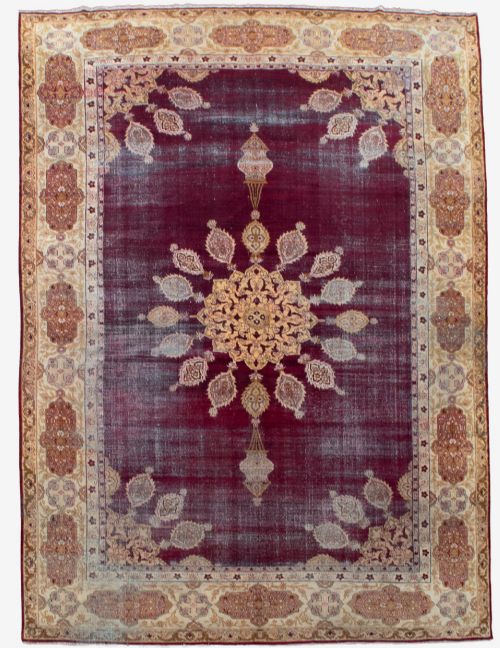
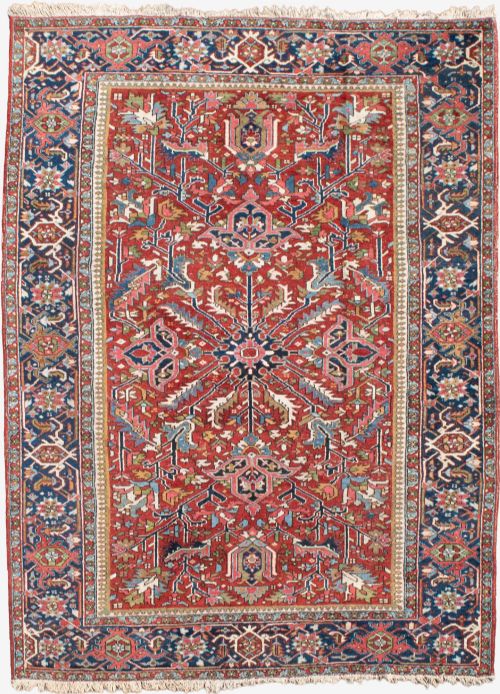
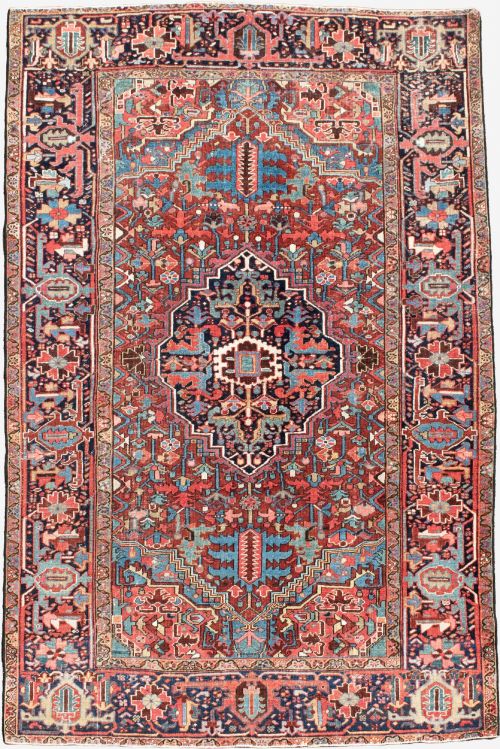
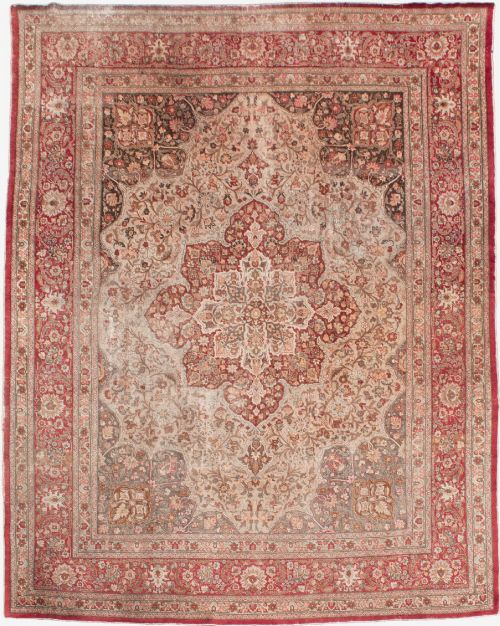
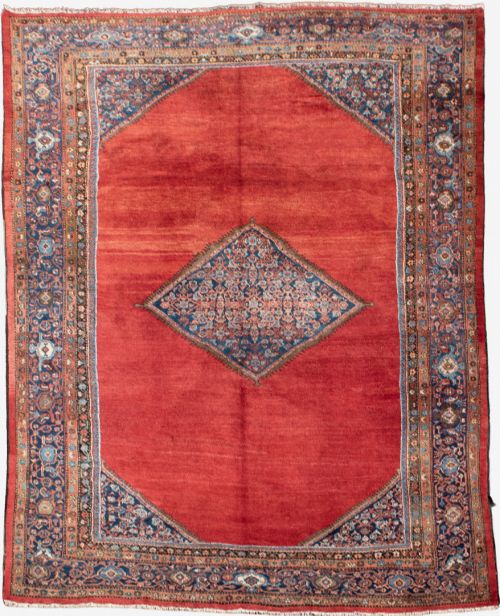
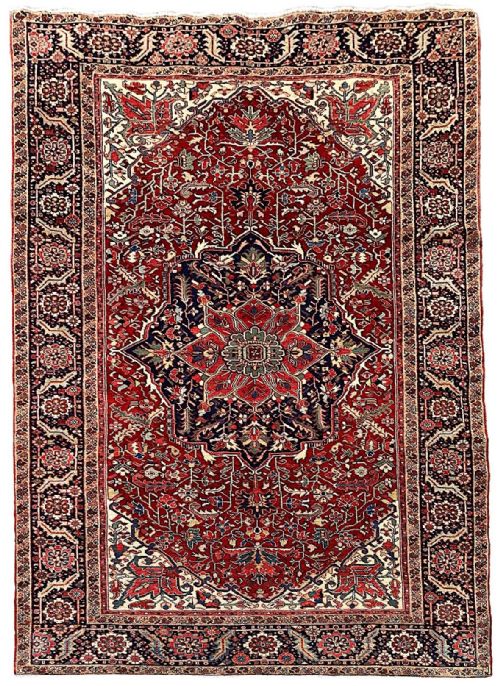
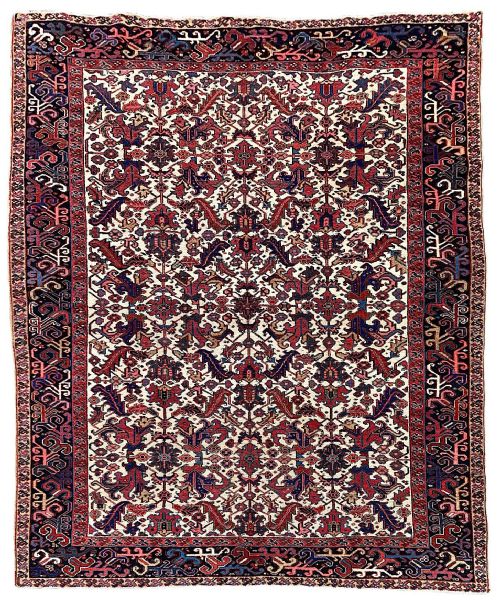
An antique room rug spans generous dimensions designed to ground large living spaces and principal chambers. These floor coverings arrive from Persian, Turkish, and Indian weaving centres, encompassing regional styles such as Heriz, Tabriz, Kirman, and Oushak.
The versions most frequently met on this page date from the late nineteenth century through to the early decades of the twentieth century. Forms range from sprawling country house carpets down to manageable area rugs and kilims.
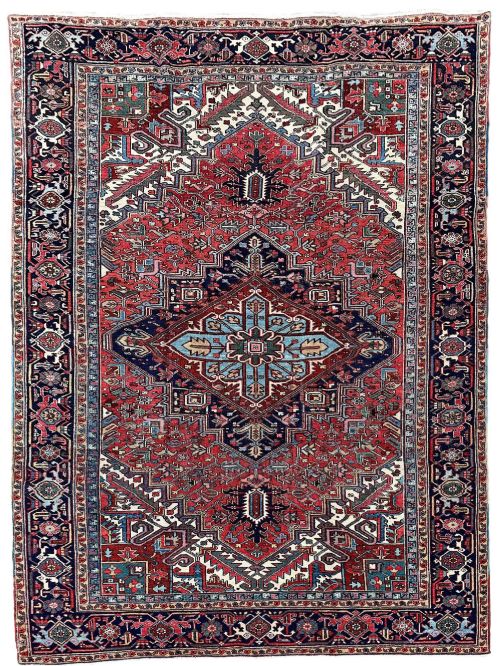
Buyers encounter distinct traditional aesthetics, from bold geometric medallions in Heriz pieces to softer floral compositions in Tabriz and Kirman formats. Each piece reflects the specific weaving heritage of its origin.
Materials and construction
These textiles utilise durable wool piles hand-knotted onto sturdy cotton or wool foundations to withstand decades of foot traffic. Natural dyes provide the underlying palette, yielding deep blues, soft pastels, and earthy reds that mellow gracefully over time.
Weavers employed intricate knotting techniques specific to their region, securing the pile firmly to create dense, resilient surfaces. Structural elements often incorporate supplementary cotton warps and wefts to maintain the shape of large floor coverings.
Assessing the grade
Knot density and precision of design dictate the upper tier of quality, alongside the clarity and complexity of the central motifs. Finer examples display meticulous execution in curvilinear florals or sharp geometric symmetry.
The integrity of the foundation and the evenly spaced wear across the wool pile separate robust specimens from heavily compromised examples. Original dye saturation and untouched border integrity further distinguish superior room rugs.
Benlian
The Antique Room Rug Glossary
- Medallion
- A large central ornamental design motif placed in the middle of the rug field. This focal element often dictates the surrounding geometric or floral layout.
- Warp
- The vertical threads stretched tightly on the loom before knotting begins. These parallel strands form the foundational skeleton of the textile.
- Weft
- The horizontal threads passed alternately over and under the warp strands between rows of knots. They bind the structure together across the width of the piece.
- Pile
- The vertical or slanted wool, cotton, or silk yarn ends that form the soft surface of the rug. This upper layer absorbs foot traffic and displays the woven pattern.
- Kilim
- A flat-woven carpet or rug produced without a pile by tightly interweaving warp and weft strands. These textiles offer a smooth, lightweight alternative to traditional piled floor coverings.
Antique Room Rug: Frequently Asked Questions
How do I choose the right size?
Measure the room floor space carefully to ensure furniture legs can sit comfortably on or around the border of the floor covering.
Large formats suit principal reception rooms, while smaller variations fit compact studies or hallways.
Are these suitable for heavy foot traffic?
Wool piles combined with robust cotton foundations provide natural durability for everyday use in busy domestic settings.
Regular rotation prevents uneven wear patterns across high-traffic zones.
How do I care for an antique rug?
Gentle suction vacuuming without a rotating brush roll helps remove embedded dust from the wool pile without damaging the antique foundation.
Professional specialist cleaning remains essential for deep maintenance.
How do I identify a Heriz design?
Heriz formats typically feature bold, characteristic geometric anchor medallions set against contrasting corner spandrels and sturdy borders.
The robust village weaving style prioritises strong structural lines over delicate curves.