

Antique Roll Top Cabinet
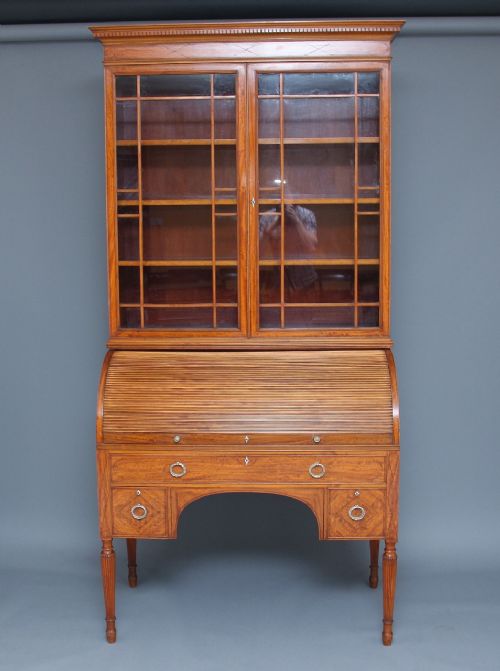
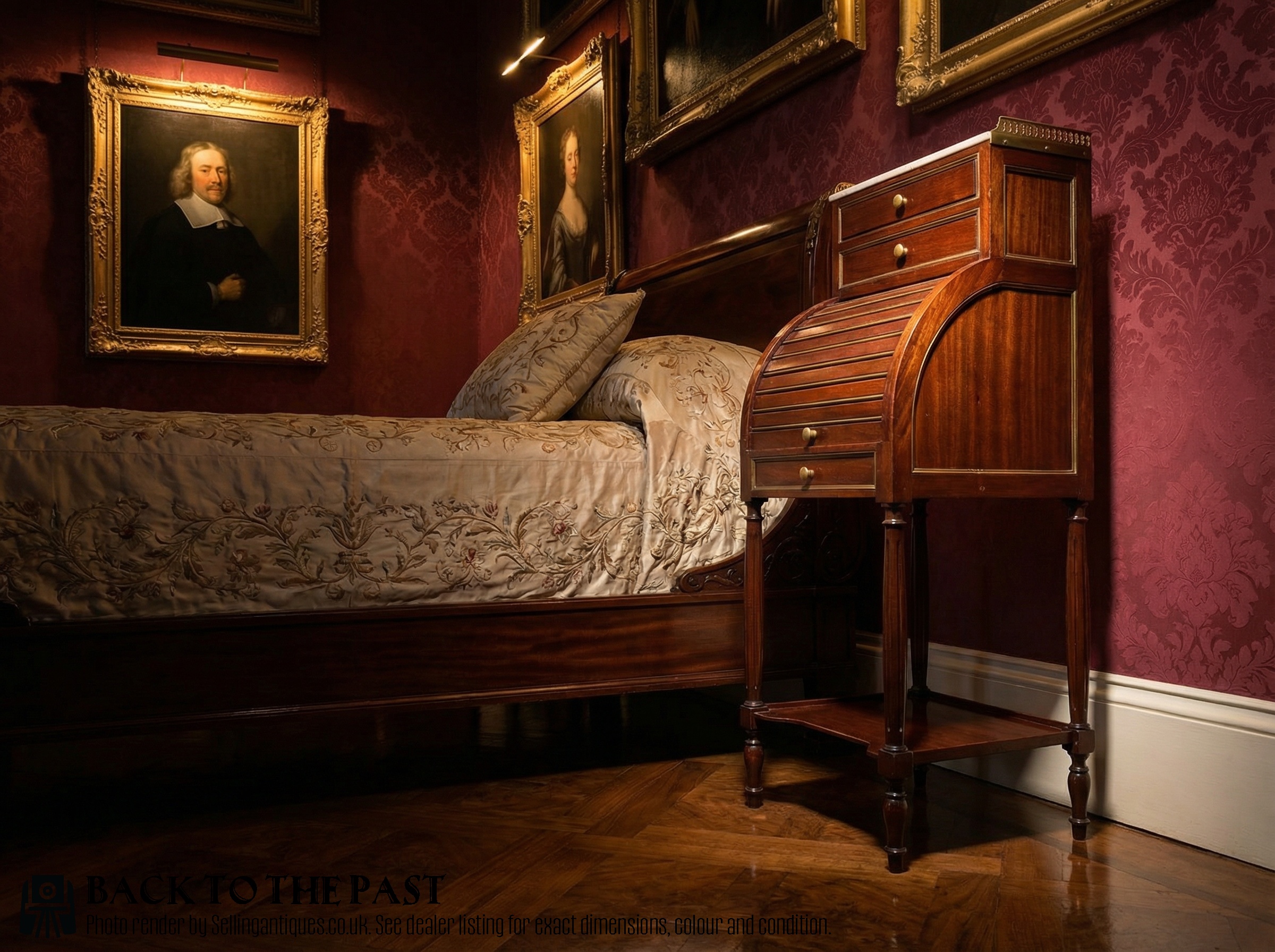
An antique roll top cabinet offers enclosed writing space and clever slatted covers that slide away smoothly to reveal fitted compartments.
Antique Roll Top Cabinet
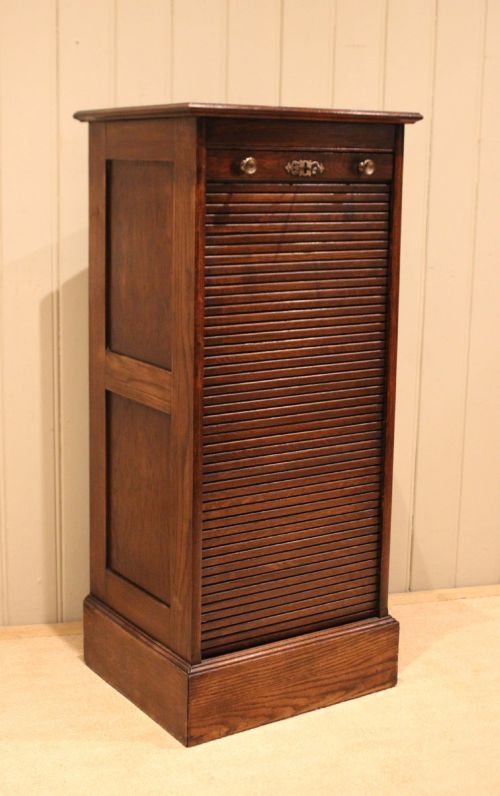
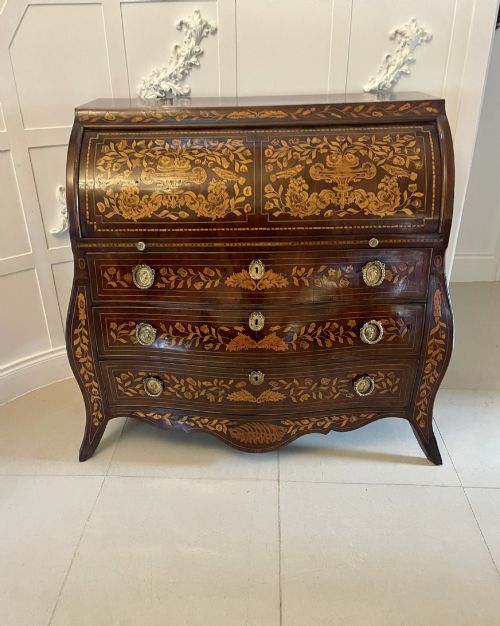
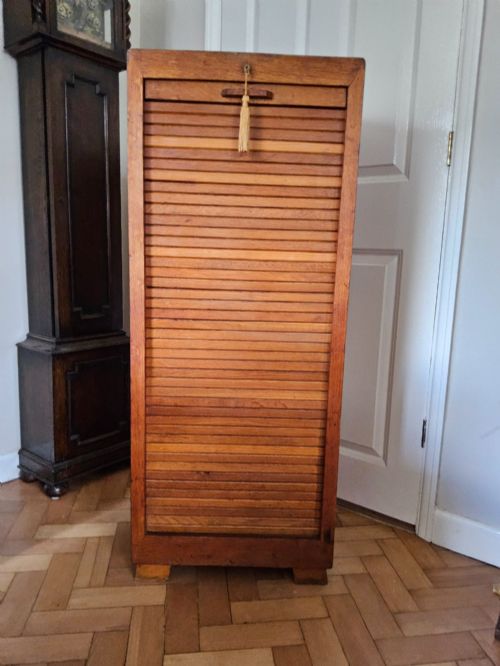
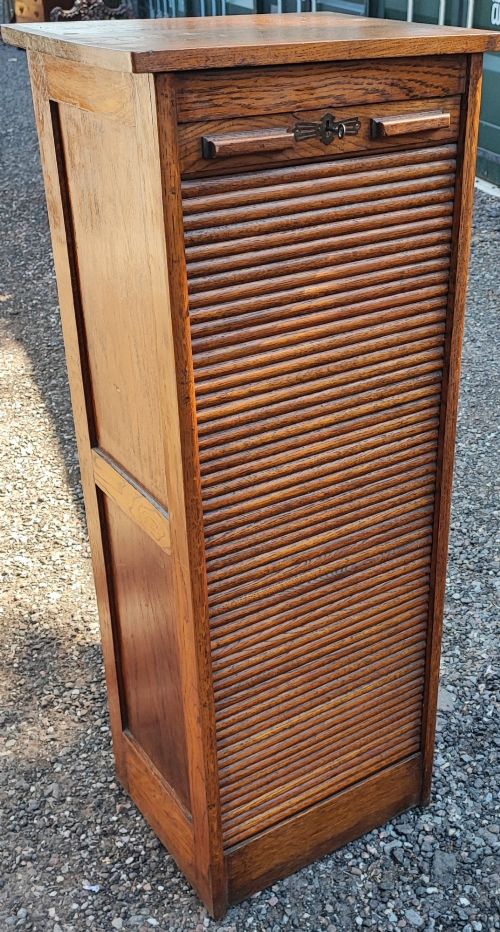
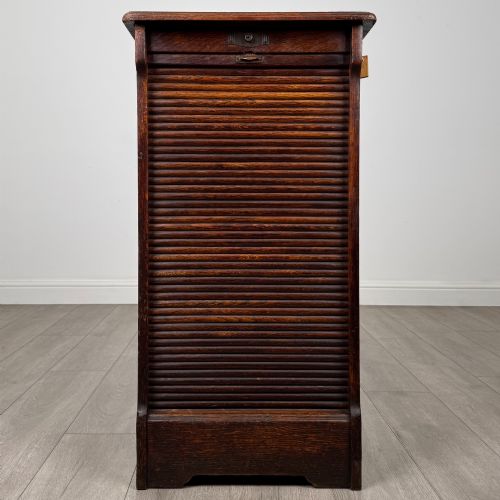
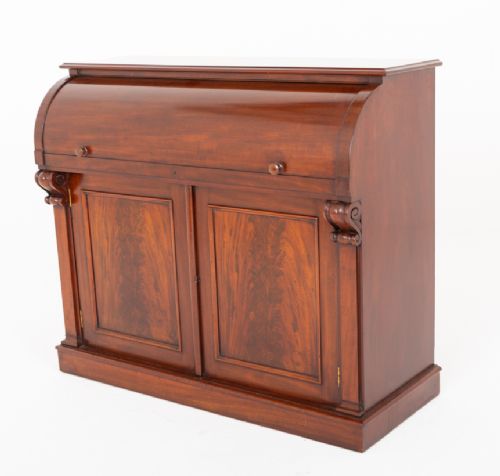
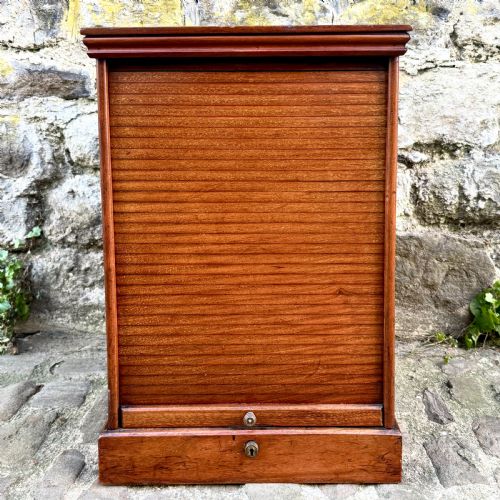
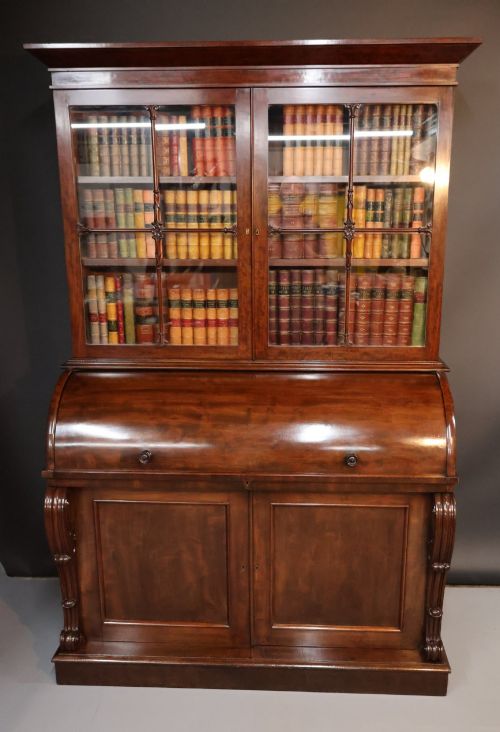
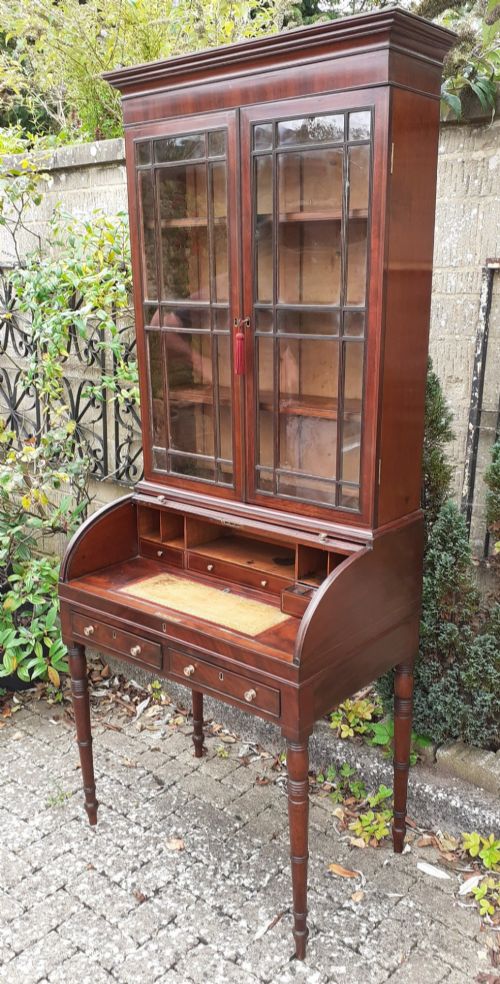
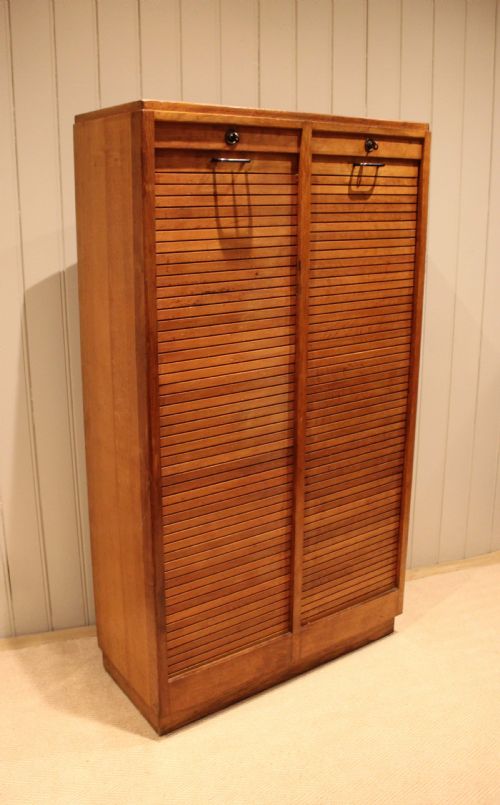
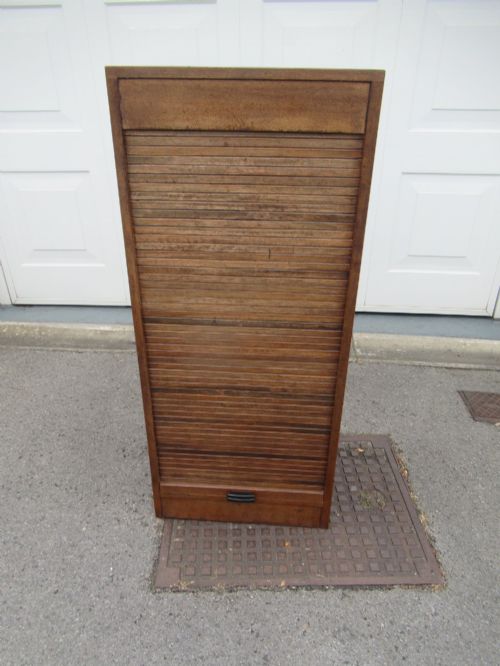
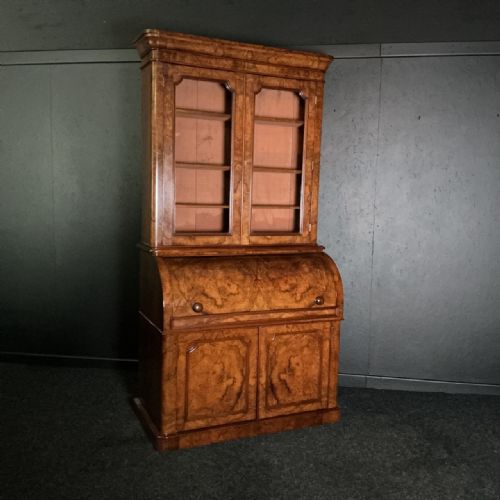
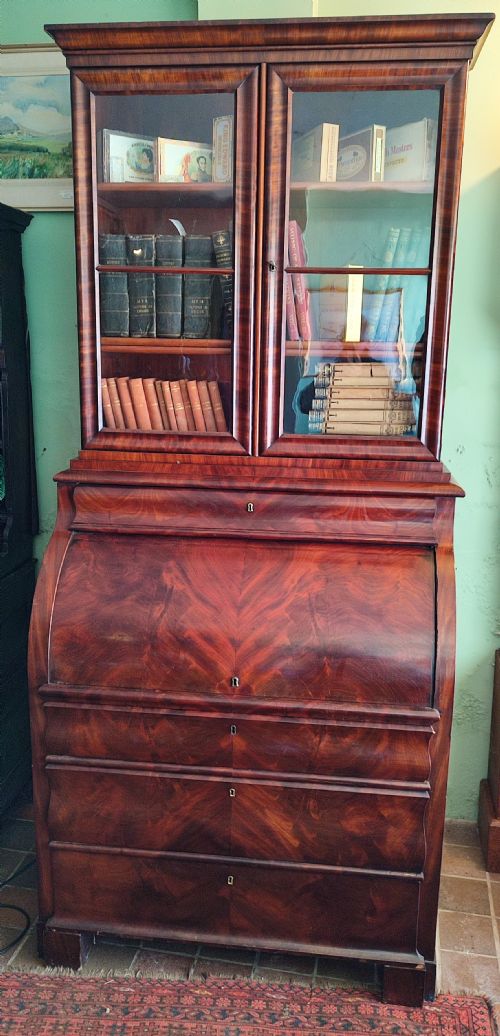
An antique roll top cabinet brings together compact writing desks and vertical storage forms spanning the eighteenth, nineteenth, and early twentieth centuries. These pieces encompass cylinder desks with solid curved lids, tambour fronted filing cabinets with slatted wooden shutters, and bureau bookcases designed for both display and correspondence.
The versions most commonly met on this page range from Victorian and Edwardian office storage in oak to refined Georgian and Regency specimens in mahogany, satinwood, and rosewood. Formats vary from small tabletop stationery organisers and ladies writing tables to large architectural library bookcases fitted with drawers and pigeonholes.
Originating to keep correspondence private and secure, these pieces rely on sliding covers that conceal the desk surface without requiring clearance for hinged doors. Cabinet makers incorporated mechanical linkages so that drawing out the writing surface automatically unlocks the tambour or cylinder shutter.
How they were made
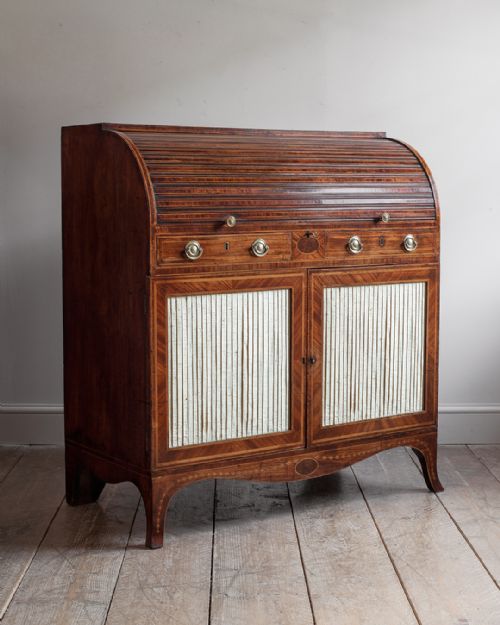
Cabinet makers constructed the primary carcasses of these pieces using durable timbers such as mahogany, oak, and walnut, frequently applying fine veneers of satinwood, burr walnut, and rosewood to the exterior surfaces. Marquetry inlay, floral panels, and brass mounts ornament the more decorative examples from the Georgian and Regency periods.
The defining mechanical elements rely on either a solid curved wooden cylinder or a flexible tambour shutter composed of narrow vertical strips of wood glued to a fabric or canvas backing. This tambour slides smoothly within carefully routed side grooves to follow the curve of the desk top.
The listings span from the 18th century through the Victorian and Edwardian eras into the 1940s, utilising oak, mahogany, walnut, and rosewood.
What varies in quality
The standard of execution separates utilitarian office filing furniture from domestic pieces designed by prominent cabinet makers. Selection of timber figure, precision in the tambour slat joints, and the integration of secondary woods dictate the overall grade of the construction.
Interior complexity defines the upper tier of these pieces, where secret compartments, adjustable shelving, and finely fitted stationary drawers reveal exceptional craftsmanship. The smoothness of the rolling mechanism and the integrity of the original locking systems also distinguish superior examples from standard workshop production.
Tudor and Burrey·Edwards and Roberts
The Antique Roll Top Cabinet Glossary
- Tambour
- A sliding shutter made from narrow vertical slats of wood glued to a fabric backing. This allows the cover to curve smoothly around a radius and conceal the interior pigeonholes.
- Cylinder desk
- A writing cabinet featuring a solid curved wooden lid that rotates backwards into the body of the desk. When opened, it usually extends or reveals a sliding writing surface.
- Marquetry
- Decorative patterns formed by fitting together contrasting veneers of wood and other materials onto a structural surface. Floral motifs are especially common in eighteenth-century Dutch and English examples.
- Secretaire
- A cabinet or desk containing a pull-down or sliding writing flap that conceals a fitted interior of small drawers and pigeonholes. It often sits within the upper section of a bookcase.
- Bureau bookcase
- A dual-purpose piece combining a lower writing desk with an upper shelving section enclosed by glass or wooden doors. These units served as the primary working libraries for Georgian and Victorian homes.
Antique Roll Top Cabinet: Frequently Asked Questions
How do tambour shutters work?
Flexible wooden strips are glued to a sturdy canvas backing to form a continuous curtain that slides along recessed side tracks.
This clever slatted design allows the cover to navigate tight curves without needing external clearance space.
Where were these cabinets used?
These pieces served primarily in domestic studies, libraries, and grand reception rooms for managing personal correspondence and household accounts.
Later Victorian and Edwardian variations shifted into professional offices as dedicated filing cabinets for stationery and documents.
How do I maintain the roll top mechanism?
Keep the sliding tracks clean from dust and debris to ensure the slats move freely without catching.
Apply microcrystalline wax sparingly to the wooden runners rather than wet oils that might damage the fabric backing.