


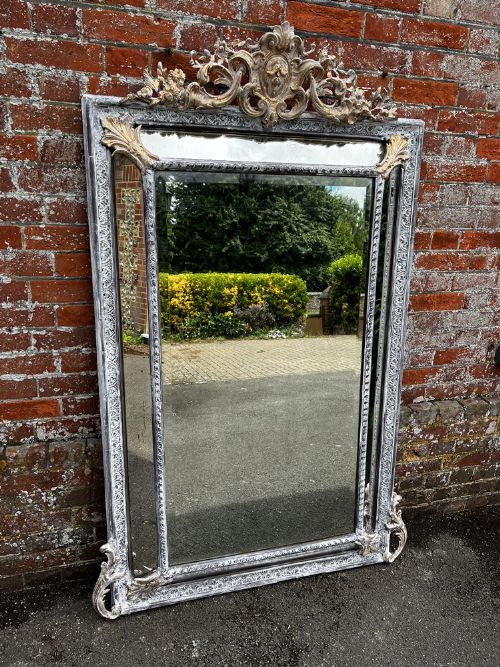


Antique Rococo Cushion Mirror
These antique rococo cushion mirrors bring flamboyant French chateau style and deep convex framing into a room.
Antique Rococo Cushion Mirror
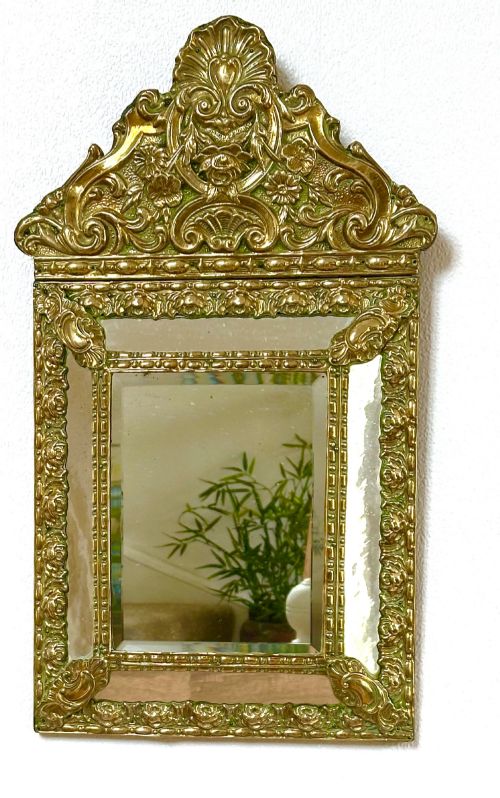
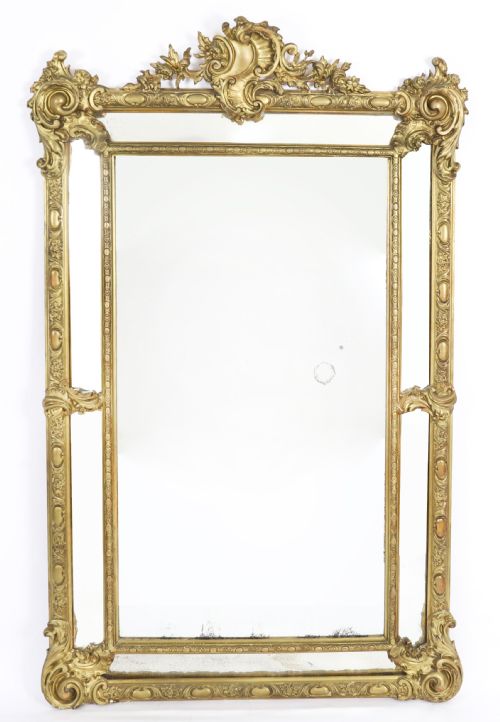
An antique rococo cushion mirror combines the exuberant, curving ornamentation of the rococo style with a distinctive convex or cushion-shaped frame profile. Buyers seeking this specific form will find examples originating primarily from the nineteenth century, including pieces associated with the Regency period and Louis Revival aesthetics.
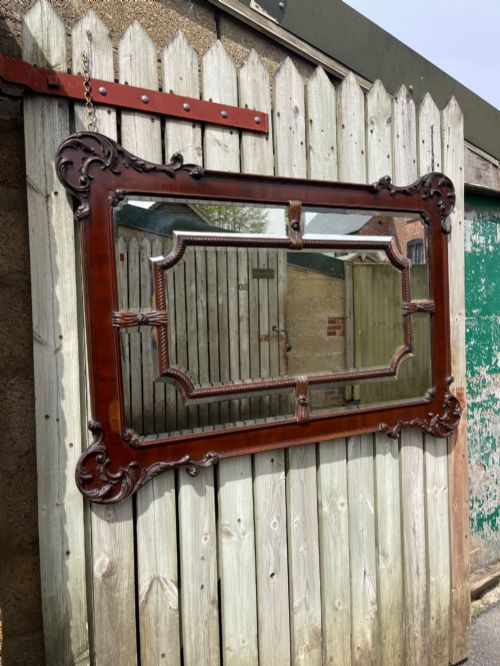
The selection on this page centres on large wall-hung formats and overmantels designed to dominate a chimney breast or principal wall. These items frequently manifest as French imports or English interpretations, utilising traditional wood, gesso, and carved construction.
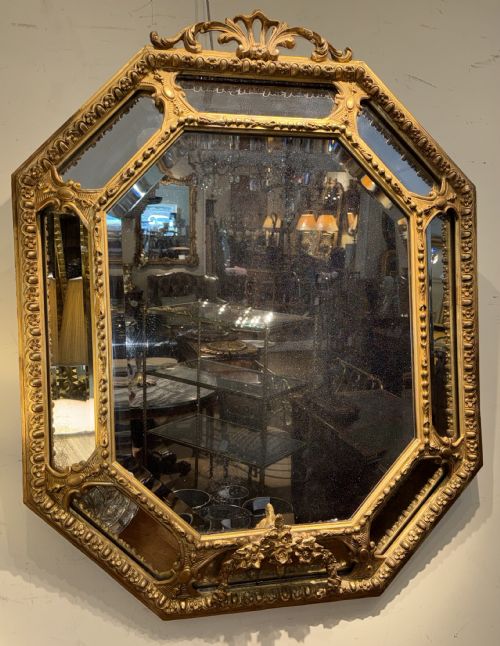
Most pieces display the characteristic stepped or rounded frame section that pushes the reflective surface forward from the wall. This build creates a multifaceted play of light and shadow, particularly when paired with marginal plates or bevelled mercury glass.
How they were made
The foundational structure relies on carved wood and moulded gesso, providing the base for intricate scrollwork and floral motifs. Artisans applied gold leaf or paint over these prepared wooden frames to achieve the lustrous metallic finish typical of the period.
Mirrors from this selection often incorporate heavy mercury glass or bevelled marginal plates set within sectional wooden frameworks. These reflective elements required precise joining and silvering techniques that created the characteristic deep, dark shimmer seen in nineteenth-century glass.
These mirrors curve outward to catch every corner of the room, turning accidental glances into miniature portraits.
What varies in quality
The depth and crispness of the carved wood and gesso ornamentation separate exceptional pieces from simpler alternatives. Skilled hands produced undercut foliage and fluid scrolls that retain their sharpness beneath layers of historic gilding and paint.
The integrity of the original glass plate and the sophistication of the frame construction define the upper tier of these mirrors. Superior examples maintain their heavy mercury plates and tightly joined sectional frames without structural compromise.
The Antique Rococo Cushion Mirror Glossary
- Cushion mirror
- A mirror featuring a convex or outwardly curved frame profile that slopes away from the central glass plate. This design projects the reflective surface outward and increases the play of light across the room.
- Giltwood
- Timber that has been coated with a thin layer of gold leaf over a prepared bole and gesso ground. It provides a warm, reflective metallic sheen characteristic of formal antique furniture.
- Gesso
- A plaster-like mixture applied to wood frames to create a smooth surface for carving and gilding. It allows craftsmen to model intricate relief details and scrollwork before applying gold leaf.
- Mercury glass
- A double-walled blown glass type silvered with a liquid mercury amalgam between the glass layers during the nineteenth century. It yields a characteristic misty reflection and dark pooling at the edges.
- Marginal plate
- Smaller secondary mirror plates surrounding the main central glass panel within a segmented frame. These angled borders reflect light from multiple directions and add decorative complexity.
Antique Rococo Cushion Mirror: Frequently Asked Questions
Where should I hang a cushion mirror?
These mirrors suit principal reception rooms, hallways, or above a fireplace mantel where their large scale and reflective qualities can dominate the space.
The heavy construction requires secure wall fixings anchored directly into masonry or substantial studs to support the weight safely.
How do I identify a nineteenth-century frame?
Nineteenth-century examples show hand-carved wooden elements beneath layers of gesso and gold leaf rather than modern synthetic moulding compounds.
Closer inspection reveals minor tool marks, historic wear to the gilding, and traditional joinery methods appropriate to the period.
What is mercury glass?
Mercury glass refers to double-walled blown glass silvered internally with a reflective substance that creates a deep, cloudy appearance.
This historic glazing technique produces characteristic speckling and dark edges that distinguish older plates from modern float glass.
How do I clean the frame?
Dust the carved gesso and giltwood surfaces gently with a soft, dry brush to prevent the accumulation of debris in the intricate recesses.
Avoid liquid cleaners and damp cloths, as moisture can damage historic water gilding and fragile painted finishes.