


Antique River Wall Art
Antique river wall art brings nineteenth-century waterways into interiors through oils, watercolours, and engravings.
Antique River Wall Art
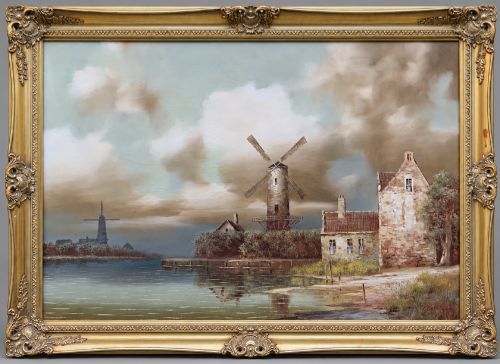
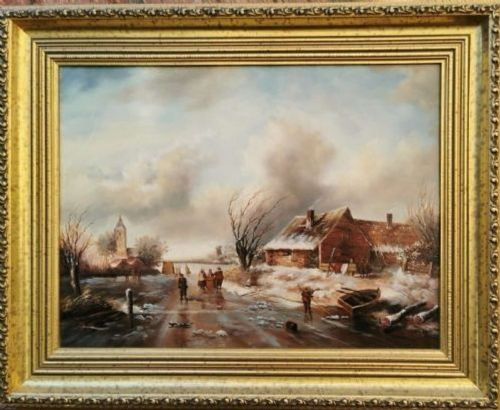
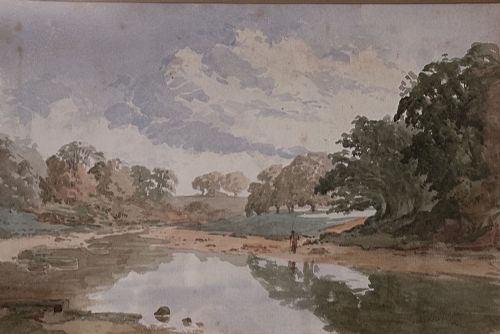
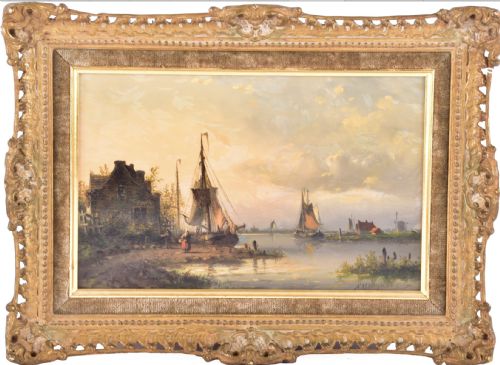
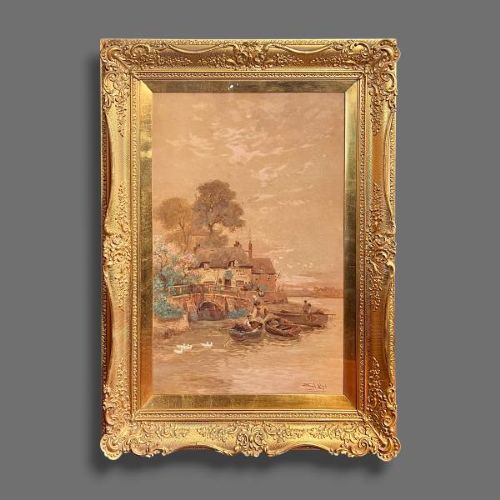
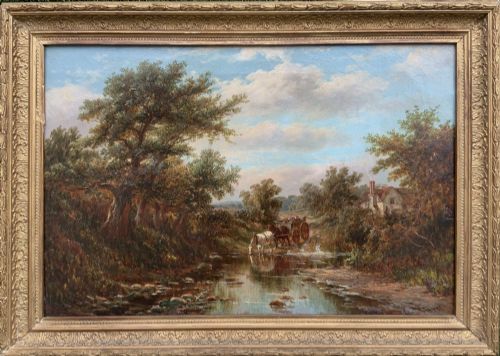
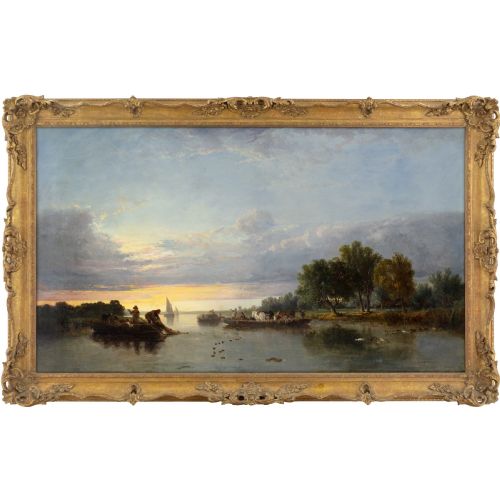
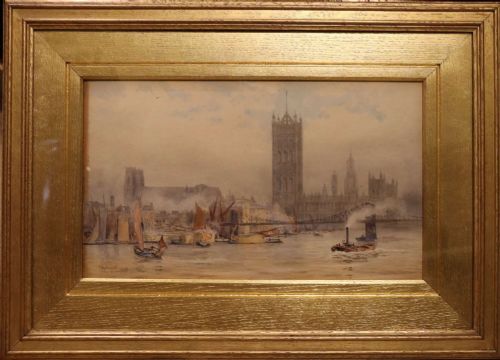
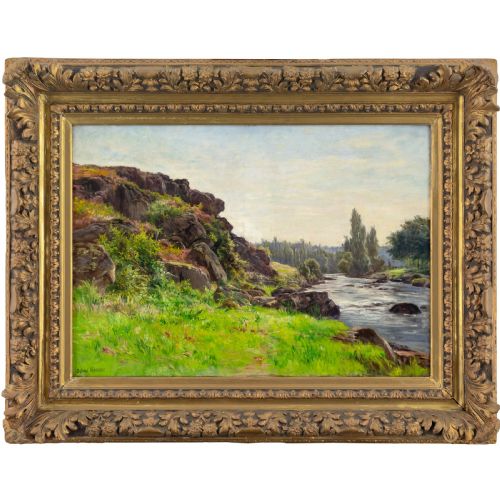
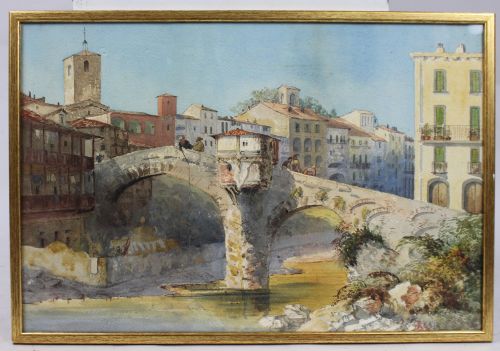
Antique river wall art encompasses original oil paintings, watercolours, etchings, and engravings depicting aquatic views, bridges, and riparian landscapes. Pieces span from the eighteenth century through the Victorian period and into the mid-twentieth century, capturing British, French, Dutch, and Italian scenes.
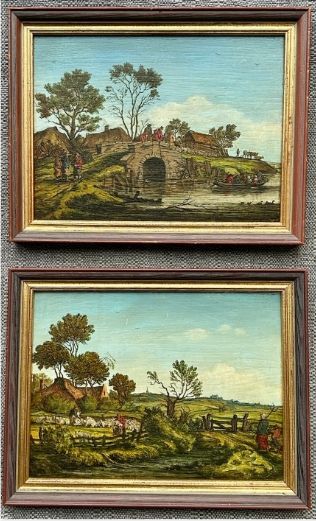
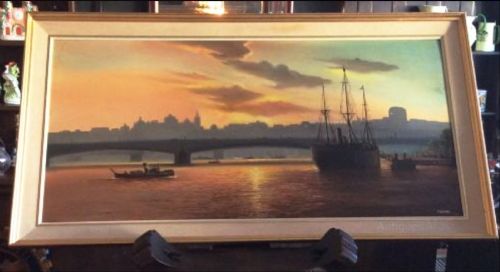
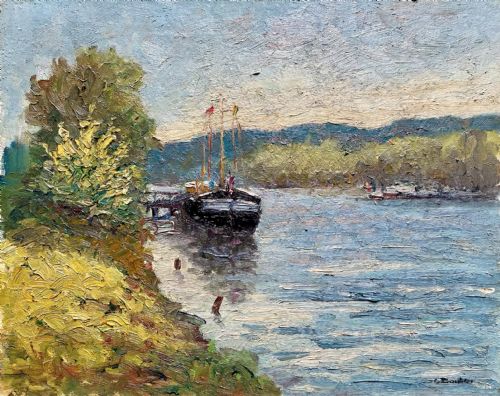
Watercolours and oil paintings on canvas, wood panels, and paper dominate the selection, often framed in gesso or gilt wood. Buyers frequently encounter nineteenth-century rural stream scenes, Thames panoramas, and continental canal views created by named artists and regional schools.
Materials and construction
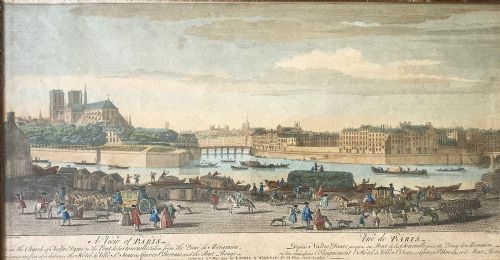
Makers utilised traditional mediums including oil paint applied to canvas, wood panels, and board, alongside delicate watercolours and gouache on paper. Etchings, engravings, and lithographs provide printed interpretations of river scenes, sometimes finished with original hand colouring.
Frames and supports often incorporate carved gesso and gilt wood to complement the works. Wood panels and heavy paper sheets preserve the integrity of nineteenth-century pigments and ink drawings over centuries.
Listings feature paper, canvas, wood panels, oil paint, and watercolours spanning the eighteenth, nineteenth, and twentieth centuries.
Judging quality in river art
Quality rests upon the artist's handling of light, atmosphere, and perspective in capturing moving water and reflections. Skilled brushwork in oil or precise pen and ink lines distinguish accomplished painters and printmakers from routine commercial studio output.
The preservation of the original medium, whether paper, canvas, or wood panel, dictates the longevity and visual impact of the piece. Intact original frames with gesso and gilt wood details further elevate the standing of a work.
Alfred Young Nutt·W Klombeck·William Lionel Wyllie·Robert W. Macbeth·Willem Bos·T B Hardy·Sir Alfred East·Albert Rieger·Florence Adelina Hess·T C Hofland·Henry H Parker·Sydney Yates Johnson·John Ferneley Senior·William George Tennick·Hubert Wellington·Honore Cavaroc
The Antique River Wall Art Glossary
- Etchings
- Printmaking technique where acid cuts into unprotected parts of a metal surface to create a design. Artists apply ink to the plate for transfer onto paper.
- Gesso
- Plaster-like mixture applied to wood panels or frames to prepare a smooth surface for painting or gilding. It provides a stable base for decorative finishes.
- Gilt wood
- Timber treated with a thin layer of gold leaf or gold paint. Frames often utilise this finish to enhance nineteenth-century artworks.
- Watercolour painting
- Art form using water-soluble pigments on paper. This medium allows for translucent washes that capture fluid light effects on water.
- Wood panel
- Rigid support utilised by painters before canvas gained dominance. Panels made from timber provide a durable surface for oil compositions.
Antique River Wall Art: Frequently Asked Questions
What subjects appear in river wall art?
Artworks depict Thames bridges, rural streams, canalscapes, and pastoral river paths across Britain and continental Europe.
Scenes range from tranquil nineteenth-century fishing spots to busy maritime views and architectural vistas.
How do I care for antique watercolours?
Paper and watercolour works require placement away from direct sunlight to prevent fading of pigments and discolouration of the support.
Framing with acid-free mounts protects the paper from chemical degradation over time.
Are these pieces original works?
The selection includes one-off hand-painted oils and watercolours alongside period engravings, etchings, and lithographs.
Signatures, artist attribution, and medium descriptions distinguish unique paintings from printed editions.
How do I identify the period of a painting?
Styles, subject matter, and framing materials offer clues to whether a piece originates in the Georgian, Victorian, or Edwardian era.
Dates inscribed by artists or recorded on panel reverses provide precise creation periods.