
Antique Ring Holder
An antique ring holder provides a designated spot for precious bands, merging practicality with the fine craftsmanship of the late nineteenth and early twentieth centuries.
Antique Ring Holder
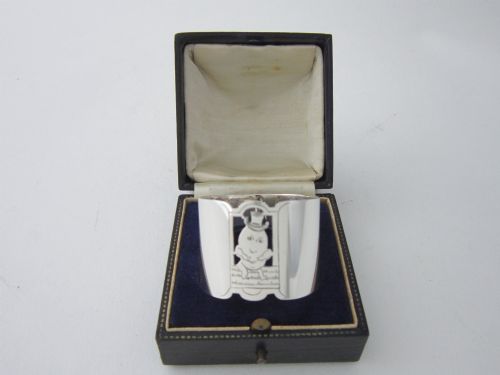
When you search for an antique ring holder, you encounter small domestic accessories designed to keep jewellery safe on a dressing table or bedside surface. The selection spans distinct forms, including upright ring trees, combined hatpin stands, and lidded trinket boxes.
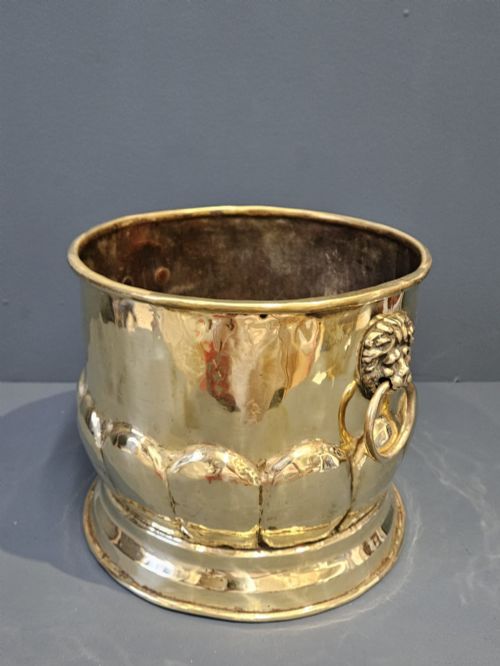
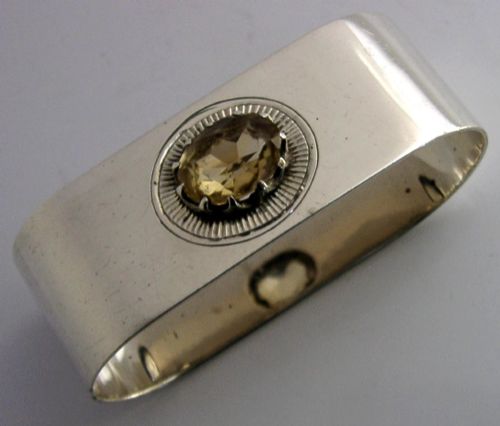
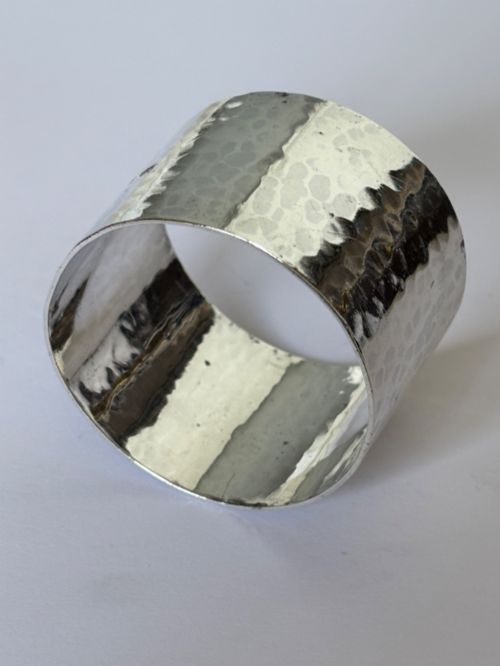
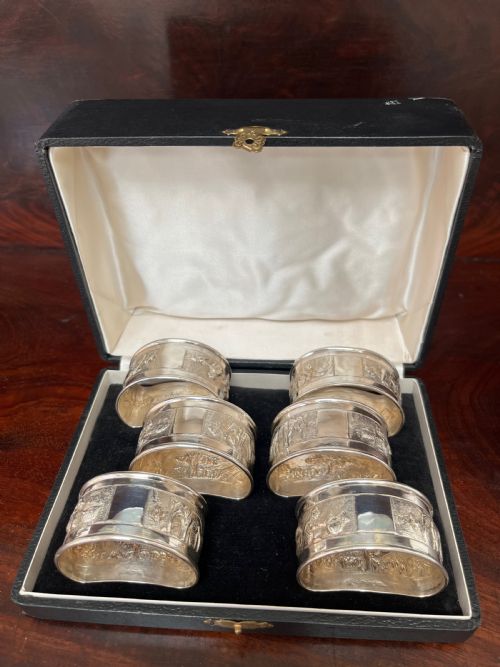
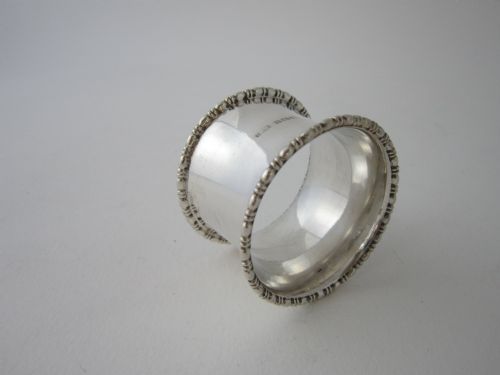
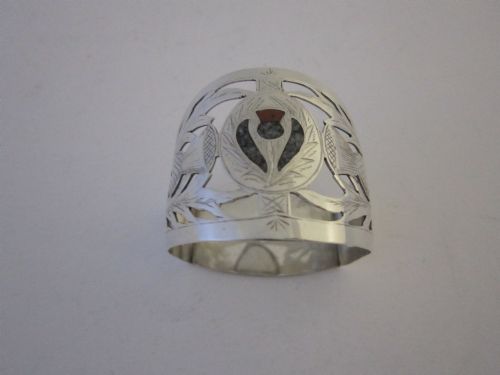
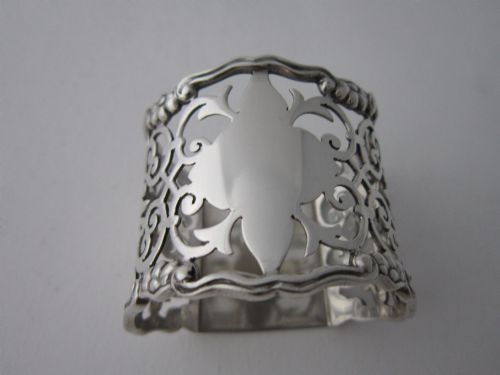
The version you are most likely to meet on this page originates from the Victorian and Edwardian eras, executed in polished sterling silver or warm brass. These pieces often feature upright stems or cushioned pads intended to support individual bands securely.
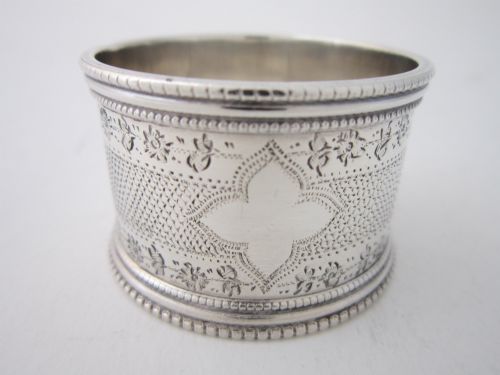
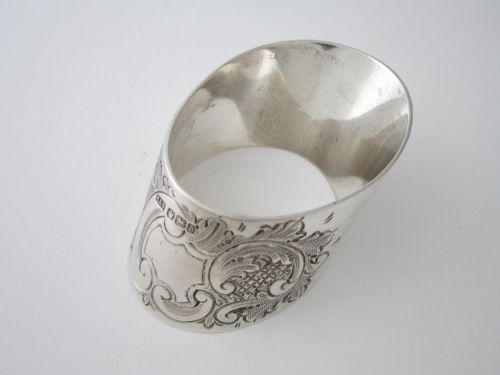
Makers of the period applied diverse stylistic influences, ranging from ornate Victorian floral repoussé to the clean geometric lines of the Edwardian years. Each surviving item demonstrates the domestic habits and dressing table etiquette of past generations.
How they were made
Metals form the core of these items, with sterling silver and brass dominating the historical record through casting, spinning, and hand-hammering techniques. Workshops utilised silver plate over base metals as an accessible alternative to solid precious materials.
Interiors and support structures frequently incorporate textiles such as silk, velvet, and leatherette to protect delicate jewellery surfaces from scratching. These fabrics remain set within moulded leather or metal shells, showing careful attention to interior detail.
Monkeys and birds occasionally peer out from nineteenth-century vanity fittings, guarding precious bands with undeniable charm.
What varies in quality
The standard of an antique ring holder depends largely on the weight of the metal and the crispness of any applied decoration, such as hand-chased floral motifs or engraved monograms. Substantial gauge silver or heavy cast brass indicates a more costly original commission.
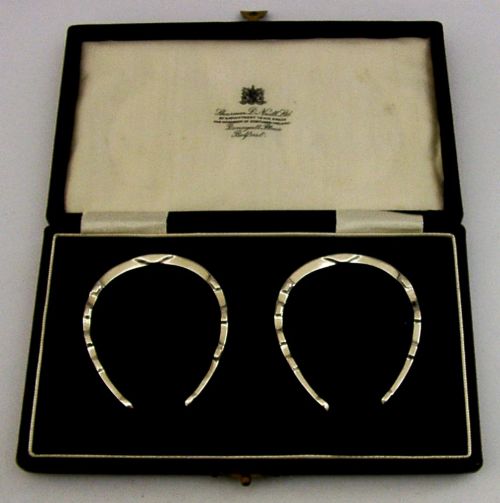
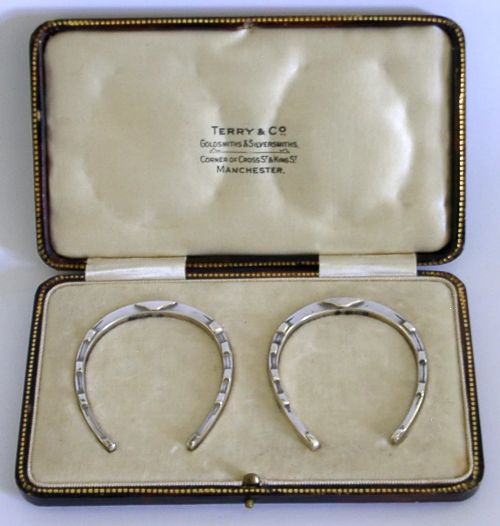
The integrity of internal fabric linings and structural joins separates standard domestic wares from superior workshop output. Pieces retaining their original fitted presentation cases or bearing clear maker stamps command greater recognition among collectors.
Albert Edward Jones·Liberty And Co·Mappin And Webb·Cartier·Tiffany And Co
The Antique Ring Holder Glossary
- Ring tree
- A vertical stem rising from a small base designed to hold multiple finger rings. This upright form allows jewellery to be slid off and on with ease.
- Sterling silver
- An alloy consisting of ninety-two point five percent silver by mass, with the remainder being other metals, usually copper. It provides the durable sheen seen on many nineteenth-century dressing table items.
- Repoussé
- A metalworking technique where the artisan hammers the design from the reverse side to create a raised pattern on the front. This imparts tactile relief to floral and scroll motifs.
Antique Ring Holder: Frequently Asked Questions
How were ring holders used historically?
These pieces sat upon dressing tables, washstands, or bedside cabinets as a convenient spot to deposit rings before sleep or washing. They kept precious items organised and easily accessible for daily wear.
Some designs combined ring storage with hatpin stands or string boxes to maximise utility on a busy Victorian vanity. The inclusion of plush velvet pads protected delicate gold and gemstone settings.
How do I date an antique ring holder?
Dating relies heavily on hallmarks stamped into silver pieces, which indicate the assay office, standard of metal, and specific year of production. Stylistic clues such as Edwardian garland motifs or Victorian scrollwork also help narrow the period.
Consulting accompanying maker marks provides further historical context regarding the workshop of origin. Patent numbers or registration marks stamped onto the base can pinpoint a precise year of manufacture.
How should I clean a silver ring holder?
Cleaning sterling silver requires a soft microfibre cloth and mild soapy water to remove accumulated dust without harming the metal. Commercial dips should be avoided, as they strip away desirable historical patination and damage soft velvet linings.
If the piece incorporates fabric or leather components, moisture must be kept strictly away from those areas. Regular gentle dusting preserves the polished finish and maintains the integrity of the antique materials.