

Antique Ring Box
An antique ring box is a small, protective vessel designed to hold precious jewellery, frequently encountered in sterling silver, tortoiseshell, and velvet-lined forms from the Victorian and Edwardian periods.
Antique Ring Box
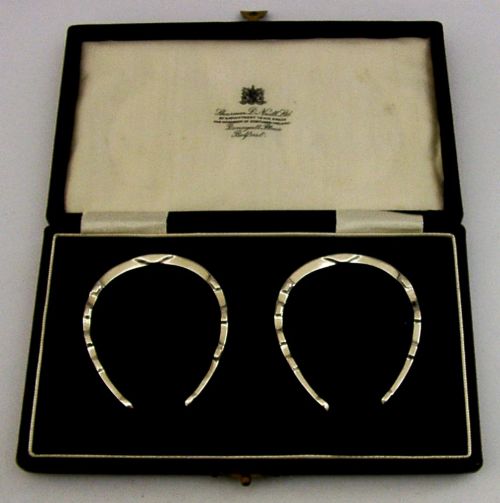
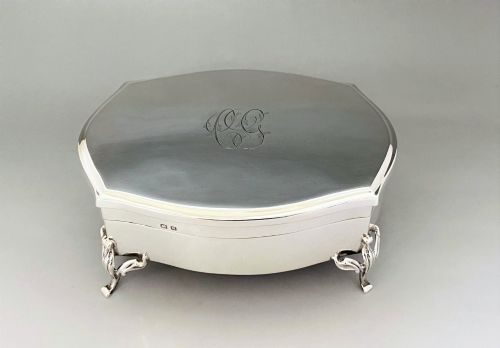
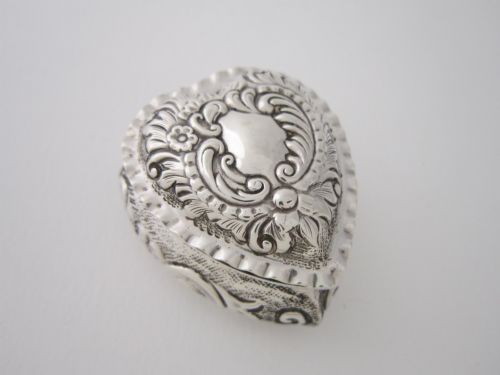
The antique ring box category encompasses dedicated receptacles for jewellery alongside related dressing table caskets, heart-shaped trinket boxes, and fitted presentation cases dating from the nineteenth and early twentieth centuries.
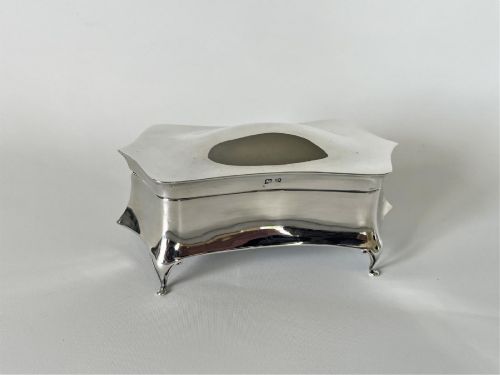
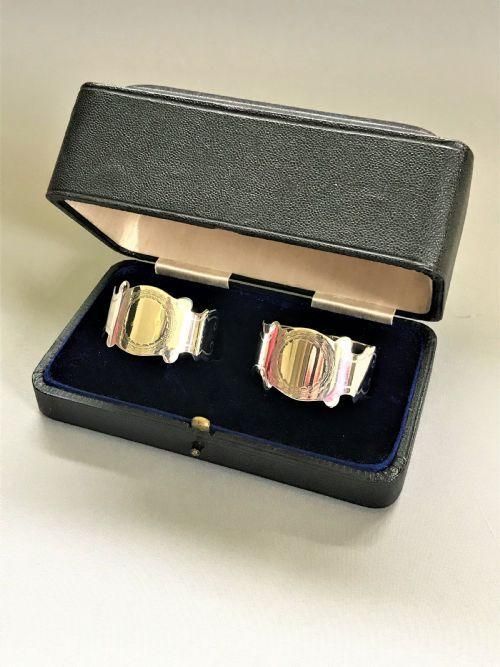
Victorian and Edwardian examples dominate the selection, featuring sterling silver frames, hinged lids, and shaped interiors designed specifically to secure individual rings or small collections.
Surviving pieces frequently reflect the domestic and dressing table habits of the late nineteenth century and the decades leading up to the Art Deco era.
Materials and Construction
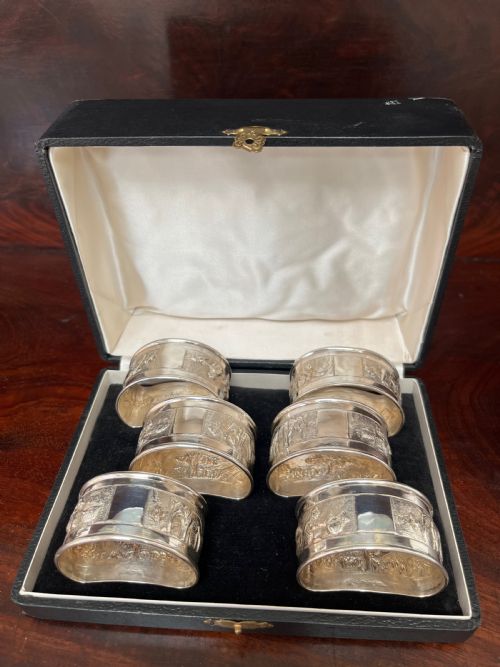
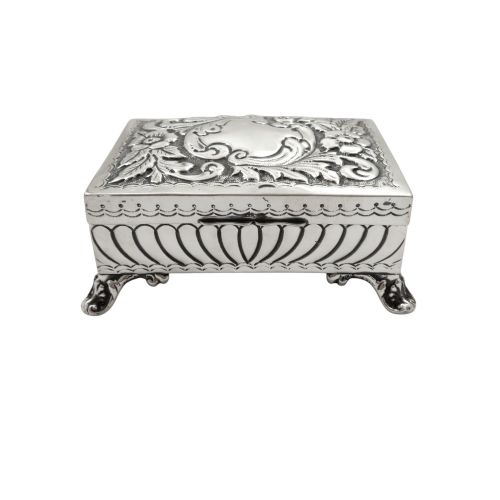
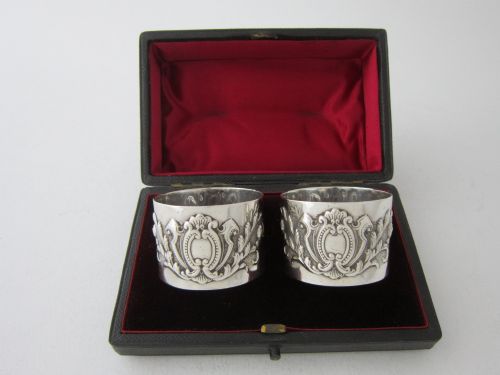
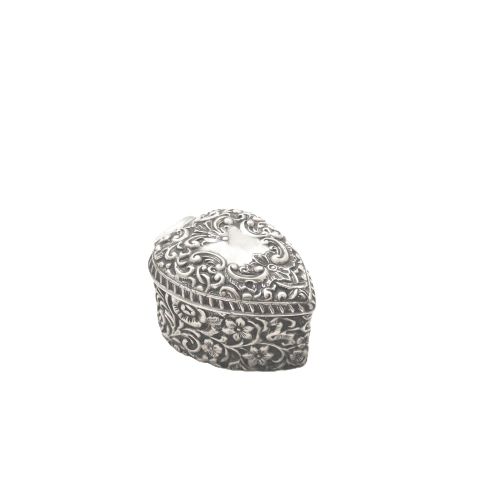
Silversmiths utilised sterling silver, silver plate, and gilt metal to form the structural bodies and hinged lids of these receptacles, often incorporating repoussé work or embossed motifs such as cherubs and heart outlines.
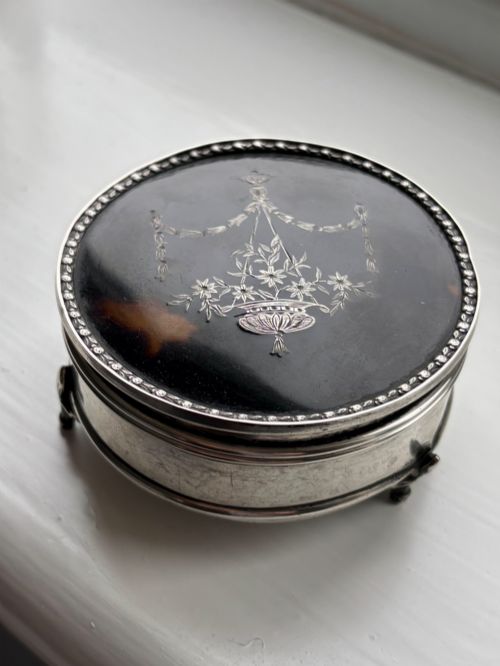
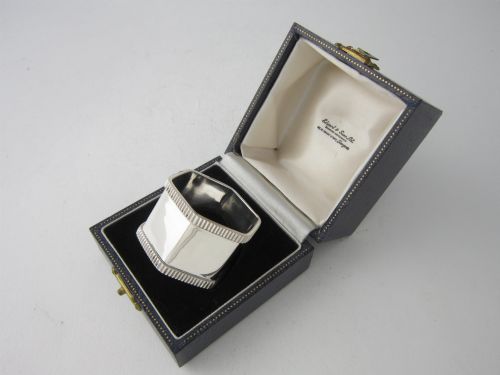
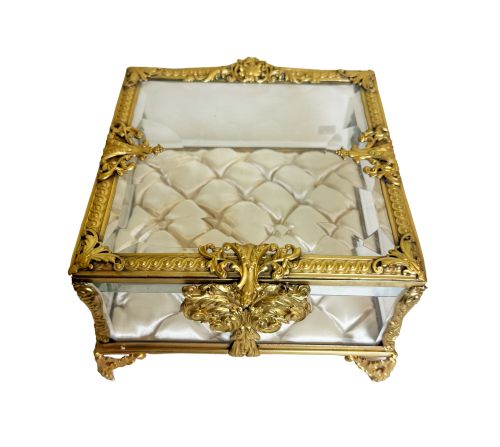
Interiors were lined with contrasting textiles including silk, velvet, and satin to cushion jewellery, while specialised pieces incorporated fitted compartments for dressing table sets or integrated faux tortoiseshell panels.
Listings feature sterling silver, gilt metal, silk, and velvet across Victorian, Edwardian, and George V periods.
Craftsmanship and Design
Quality rests upon the weight and gauge of the metal used in the outer shell, the precision of the hinge mechanism, and the crispness of any embossed decorative detail like cherubs or floral scrolls.
Internal execution distinguishes finer examples, where hand-fitted silk or velvet linings, intact interior pads, and supplementary materials like pique work or genuine tortoiseshell elevate the piece above standard mass-produced boxes.
Ollivant and Botsford·Asprey and Co·Erhard and Sohne·William Comyns·Mappin and Webb·Cartier·C.T. Burrows and Sons·Bravingtons·Burroughs Wellcome
The Antique Ring Box Glossary
- Sterling silver
- A silver alloy containing 92.5 percent pure silver by mass, forming the primary structural metal for most high-grade antique ring boxes and trinket caskets.
- Repoussé
- A metalworking technique where the smith hammers the design from the reverse side to create low relief ornamentation on the lid or sides of a silver box.
- Pique work
- The decorative process of inlaying tiny points or patterns of gold and silver into a non-metallic base material such as tortoiseshell.
- Hallmark
- An official stamp applied by an assay office indicating the purity of the metal, the maker, and the year of manufacture.
- Faux tortoiseshell
- A synthetic or alternative material manufactured to imitate the mottled brown and amber appearance of genuine shell on dressing table boxes.
Antique Ring Box: Frequently Asked Questions
What is an antique ring box?
An antique ring box is a small, hinged container specifically manufactured to store and display rings, typically lined with velvet or silk.
These pieces were produced in volume during the Victorian, Edwardian, and George V periods, utilising materials like sterling silver, tortoiseshell, and gilt metal.
How were antique ring boxes used?
Owners kept these boxes on dressing tables to hold everyday rings, or utilised them as original presentation packaging for valuable jewellery purchases.
Many examples feature shaped interior slots designed to keep individual bands upright and secure when the lid was closed.
How do I date a silver ring box?
Dating relies heavily upon the hallmarks stamped into the metal, which record the assay office, standard mark, and a specific date letter.
Stylistic indicators such as Art Nouveau curves, Edwardian proportions, or Victorian repoussé cherubs also help narrow the period of manufacture.
Are ring boxes marked with maker's marks?
Many British silver boxes carry the stamp of the manufacturing firm or silversmith alongside the standard assay office marks.
Prominent silversmiths and luxury retailers often struck their initials directly into the interior rim or base of the metal frame.