




Antique Religious Decor
Antique religious decor brings sacred history into domestic spaces through centuries-old paintings, carvings, and textiles.
Antique Religious Decor
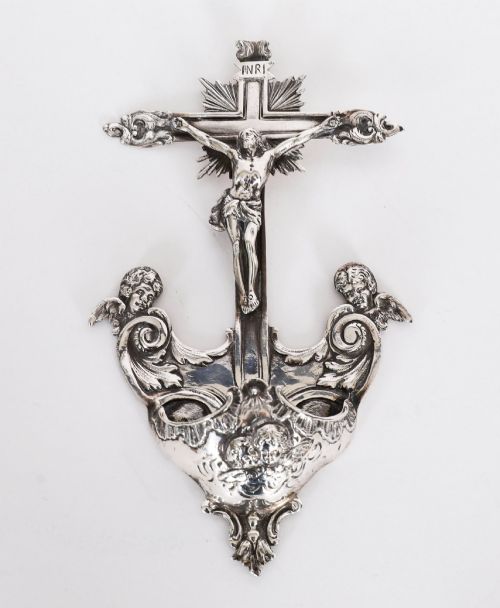
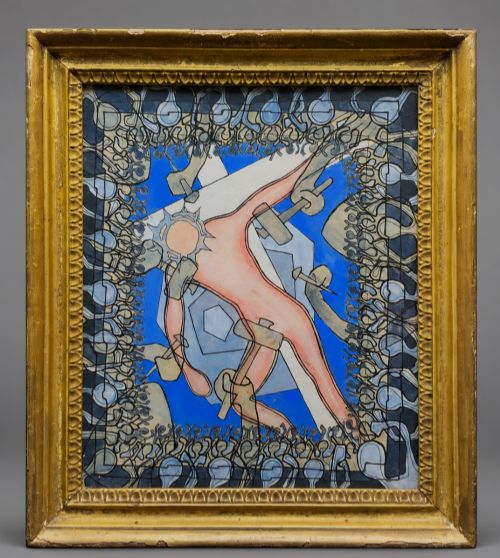
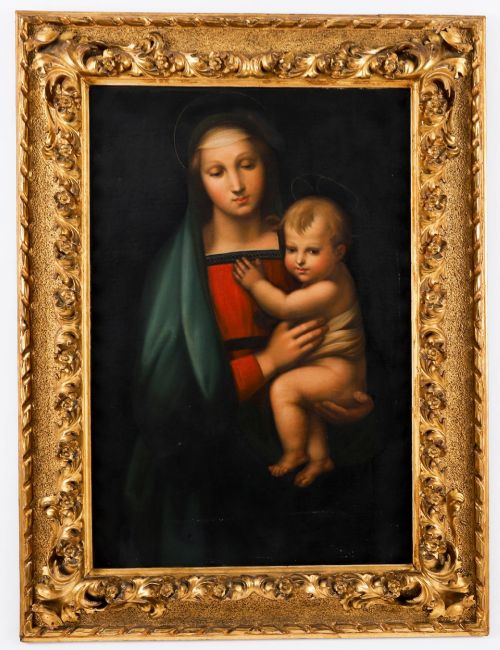
Antique religious decor encompasses devotional objects and sacred art created for private worship, ecclesiastical settings, and domestic display across many centuries. When buyers search for antique religious decor, they encounter a diverse range of items including oil paintings, wall sculptures, altar crosses, and reverse glass paintings.
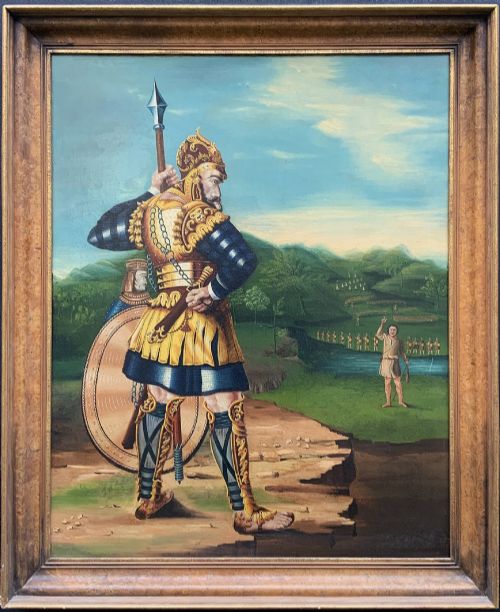
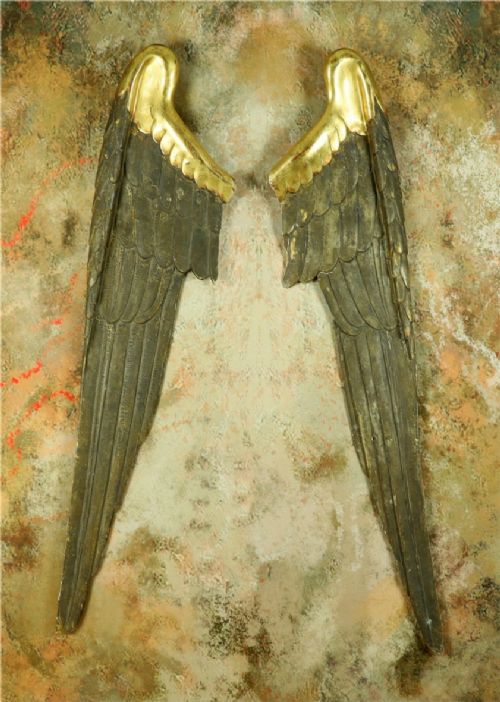
The pieces appearing on this page span several significant periods, with the eighteenth and nineteenth centuries providing the largest number of examples. Forms range from Flemish wood carvings and French gilt gesso angel wings to Indian painted wall cloth and Victorian narrative canvases.
How they were made
Makers utilised traditional organic materials such as oak, carved wood, cotton, and paper, often finishing surfaces with gold leaf, pigment, and glass. Woodcarvers shaped structural elements from solid timber while painters applied oils and pigments to canvas, wood panels, and paper supports.
Techniques varied from reverse glass mezzotints and engraved prints to intricate ecclesiastical wood carving and textile illumination. Artisans employed gilding and gesso preparations to build up decorative relief on elements like angel wings and architectural fragments.
Antique Religious Decor Retail Price Guide 2026
Typical asking prices for religious decor among the pieces listed under this phrase on Sellingantiques today, from the lower quarter to the upper quarter. They describe what is for sale here now, not the wider market.
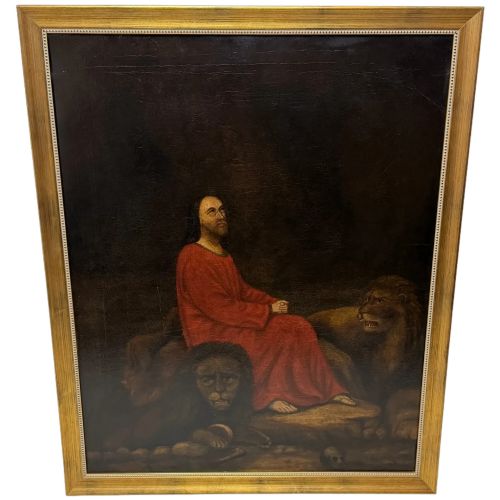
Daniel shares the lions' den here with a surprising array of biblical companions and eighteenth-century angel wings.
What varies in quality
Quality in these sacred pieces rests upon the crispness of the carving, the finesse of the brushwork, and the preservation of original surfaces such as gold leaf and pigment. Finer objects demonstrate superior anatomical proportion in figures and confident hand execution by the artist or workshop.
The integrity of the material also dictates value, with untouched original patinas and minimal structural intervention ranking above heavily restored examples. Depth of detail in wooden carvings and clarity in reverse glass paintings distinguish higher-tier items from simpler folk pieces.
The Antique Religious Decor Glossary
- Corpus Christi
- The body of Jesus Christ depicted on a crucifix. This term specifically refers to the sculptural figure of Christ rather than the cross itself.
- Reverse glass painting
- An artwork painted on the rear side of a pane of glass and viewed from the front. This technique produces a glossy finish and protects the pigment beneath.
- Gilt gesso
- A plaster-based material applied to wood and coated with gold leaf. It provides a smooth base for intricate sculptural relief and gilding.
- Mezzotint
- A printmaking process of the intaglio family where the plate is roughened to achieve tonal gradations. It allows for subtle shading in historical reproductions.
- Ecclesiastical
- Relating to the Christian Church or its clergy. Items described this way were typically produced for use within a church or chapel.
Antique Religious Decor: Frequently Asked Questions
How do I date an old wooden carving?
Dating relies on tool marks, timber species, and stylistic conventions associated with specific centuries. Examining the back and joinery often reveals the age of the construction.
Comparing the sculptural style to known periods helps narrow down the decade of production.
Where should I hang a heavy wooden cross?
Heavy wall sculptures and crosses require sturdy fixings into wall studs or proper masonry anchors. Ensure the weight is supported securely before mounting.
Position pieces away from direct sunlight and strong heat sources to protect ancient wood and pigment.
Are reverse glass paintings fragile?
Reverse glass paintings are vulnerable to moisture and impact because the pigment sits directly behind the glass pane. Gentle handling is essential during cleaning and relocation.
Keep them in stable indoor environments to prevent the glass or underlying media from deteriorating.
What is a tin tabernacle?
A tin tabernacle is a prefabricated corrugated iron church popular during the nineteenth century. They served as temporary or budget-friendly places of worship.
Decor originating from these buildings often includes illuminated texts and utilitarian ecclesiastical furnishings.