





Antique Regional Art
Antique regional art captures local character and craftsmanship, offering enduring visual history for collectors.
Antique Regional Art
When buyers search for antique regional art, they look for pieces that reflect the distinct cultural traditions and local manufacturing methods of specific geographical areas. These works range from vernacular objects created for daily use to fine art paintings and decorative maps tied to particular locations. The selection on this page demonstrates this variety through items originating from diverse European regions.
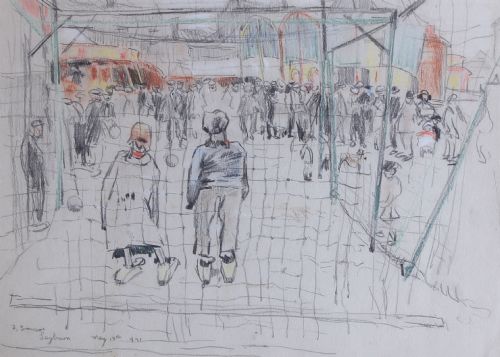
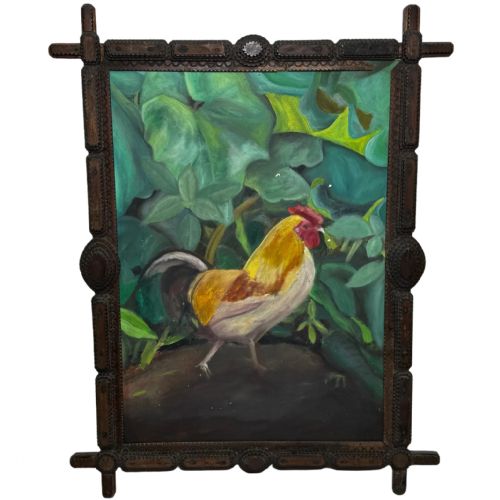
You are most likely to encounter oil paintings, framed cartography, and ceramic plates produced during the nineteenth and twentieth centuries. Examples such as northern country watercolours and Catalan folk oil paintings illustrate the strong local flavour found across these listings. Objects like treen knitting sheaths and bone-handled cutlery further represent the practical domestic output of regional makers.
Earlier centuries also appear through seventeenth-century cartography and earthenware, grounding the selection in historical domestic production. Each piece serves as a physical record of the artistic output specific to its place of origin, whether British, French, Dutch, or Scandinavian. Collectors value these items for their direct connection to regional heritage and vernacular design.
Materials and construction
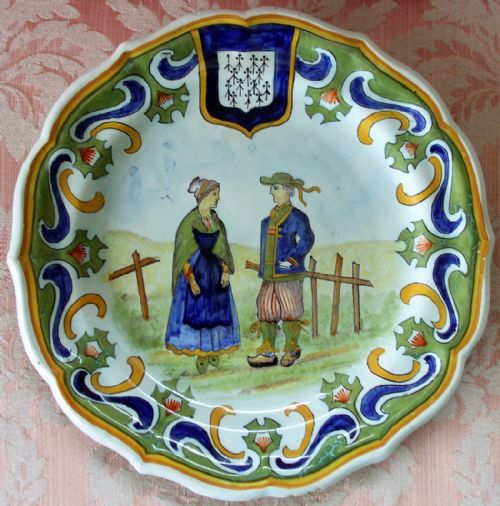
The objects listed rely on traditional materials suited to their form, including oil paint applied to canvas or board, and paper used for framed cartography. Wooden items such as treen knitting sheaths utilise native timber shaped by local carvers for practical utility. Tin-glazed earthenware and faience pieces involve shaped ceramic bodies finished with specialised glazes characteristic of specific potteries.
Techniques vary according to the medium, with painters employing oil or watercolour pigments to capture local scenes and portraits. Cartographers of the seventeenth and nineteenth centuries utilised copperplate engraving on paper, often adding hand-coloured details. Ceramic production involved moulding earthenware and applying tin glazes before kiln firing, while metalworking shaped utilitarian bone-handled cutlery.
Antique Regional Art Retail Price Guide 2026
Typical asking prices for regional art among the pieces listed under this phrase on Sellingantiques today, from the lower quarter to the upper quarter. They describe what is for sale here now, not the wider market.
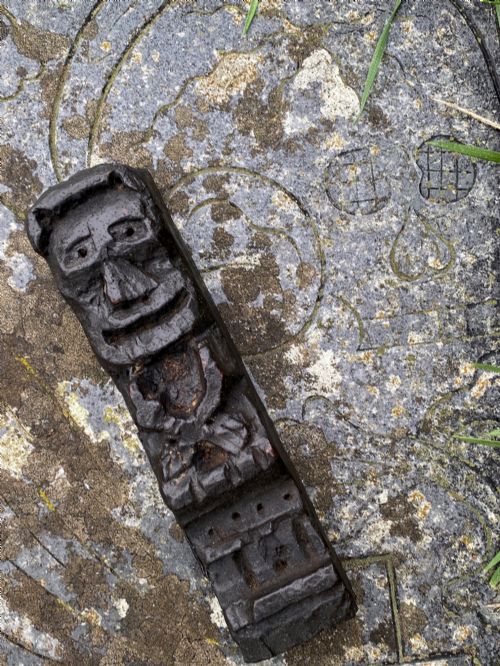
A nineteenth-century knitting sheath proves that even humble wool-winding tools once received careful decorative carving.
Factors that define quality
Quality in these pieces rests on the directness of execution and the preservation of original materials. Works showing confident brushwork or precise cartographic engraving demonstrate a higher level of artisan skill than simpler utilitarian items. The clarity of regional markers, such as distinct folk motifs or identifiable local provenance, elevates the significance of an object.
Condition also separates standard examples from exceptional ones, particularly regarding surface stability in oil paintings and paper integrity in maps. Pieces retaining their original framing, uncompromised glazes, or untouched wooden patination command greater interest from discerning collectors. The integrity of the maker's mark or specific regional attribution completes the measure of quality.
Johannes Janssonius·John Atkinson·Royal Copenhagen·Frank Shenton·Emanuel Bowen·Charles McAuley
The Antique Regional Art Glossary
- Cartography
- The science or practice of drawing maps. Antique examples often feature hand-coloured details and copperplate engravings.
- Folk Art
- Art originating among the common people reflecting traditional culture and style. It is characterised by naive execution and strong regional identity.
- Vernacular
- Architecture or objects created independently of grand architectural styles, using local traditions and materials. Such pieces serve practical functions within a specific community.
Antique Regional Art: Frequently Asked Questions
What defines antique regional art?
Antique regional art encompasses paintings, maps, ceramics, and utilitarian objects created within specific geographic areas that reflect local cultural traditions. These pieces demonstrate the distinct artistic output and vernacular craftsmanship of particular communities during past centuries.
Items range from nineteenth-century paintings of local scenes to seventeenth-century cartography and traditional earthenware. Each piece provides a tangible connection to the history and aesthetic values of its place of origin.
How were regional oil paintings made?
Artists painted local scenes and portraits using oil pigments applied to canvas or wooden boards. These works were typically created by regional painters documenting their immediate surroundings and local inhabitants.
The materials reflect the period of production, utilising traditional grounds and pigments that have aged to develop characteristic patinas. Framing often matches the period of creation to complete the presentation.
How do I care for antique paper maps?
Antique paper cartography requires protection from direct sunlight and high humidity to prevent fading and paper degradation. Framing with acid-free materials ensures the paper remains stable over time.
Keep these items in stable indoor environments away from major temperature fluctuations. Handle framed pieces with care to protect both the paper and the historic frame.
How can I tell regional styles apart?
Regional styles differ through distinctive motifs, colour palettes, and material choices characteristic of specific European locations. For instance, French faience exhibits different glaze and decorative qualities compared to Scandinavian decorative pieces or British folk art.
Examining the subject matter, such as local landscapes or specific regional dress, helps identify the likely origin. Inscribed text or cartographer signatures also provide direct evidence of where and when an item was produced.