
Antique Red Velvet Seat
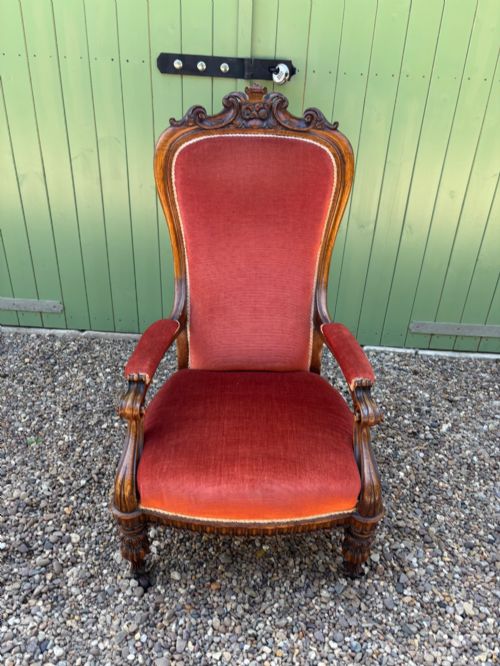
These antique red velvet seat pieces bring rich textile texture and period timber frames into a room, offering both traditional seating and deep colour.
Antique Red Velvet Seat
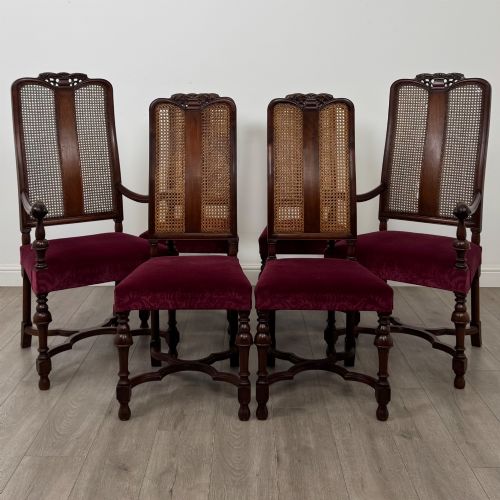
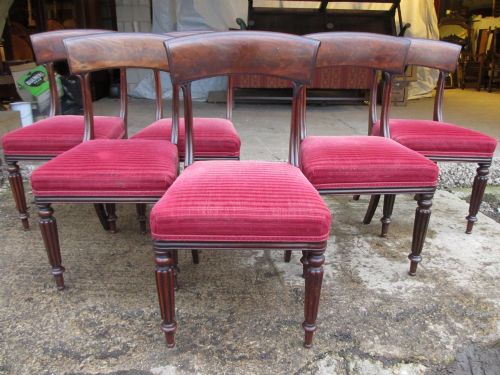
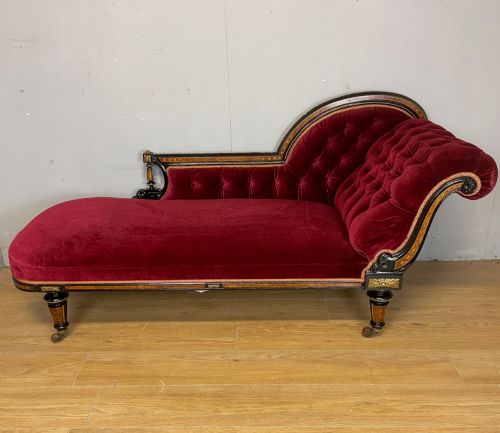
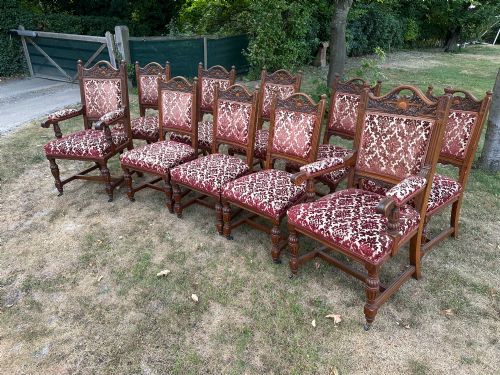
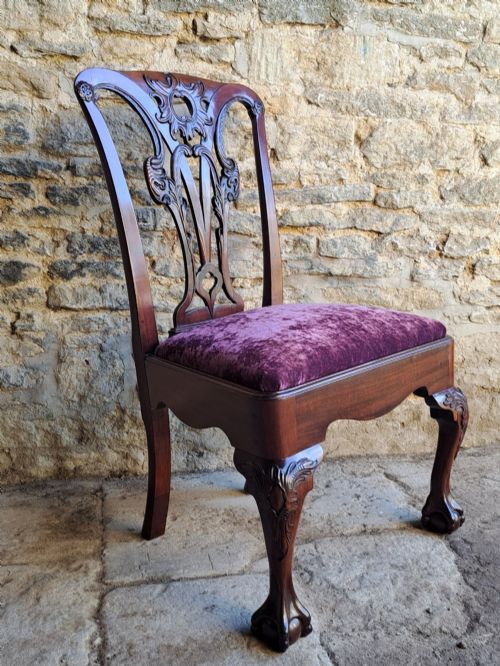
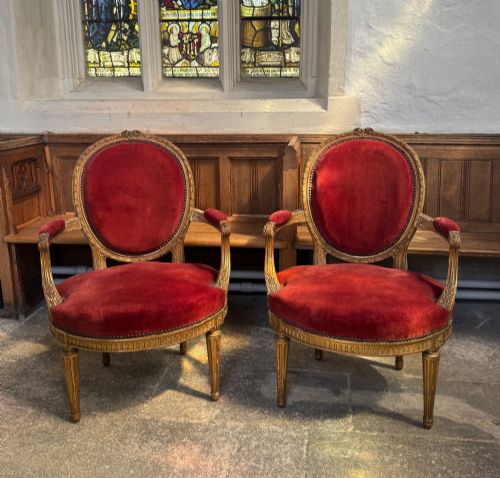
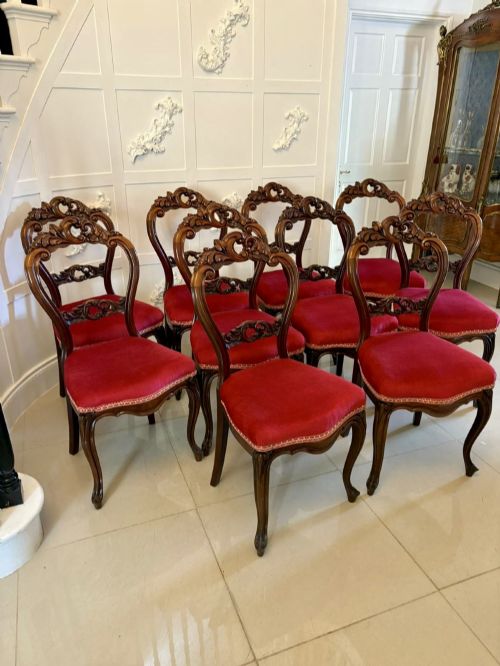
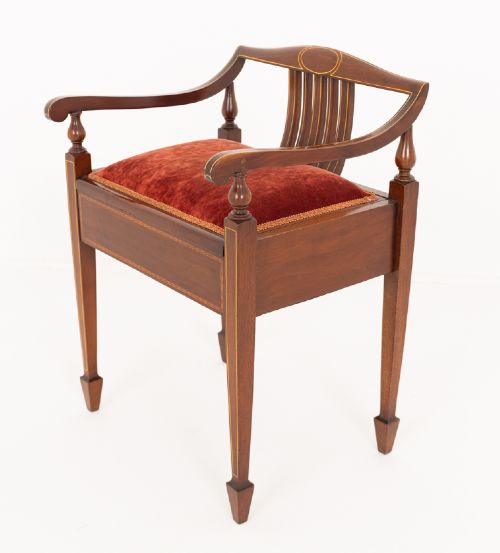
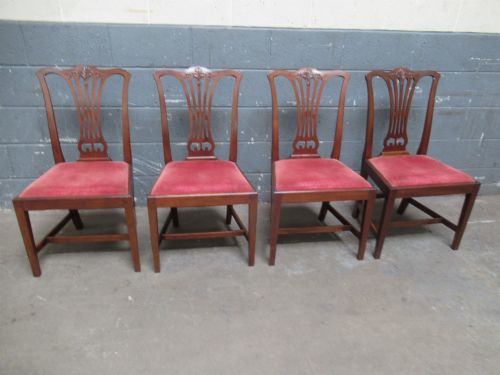
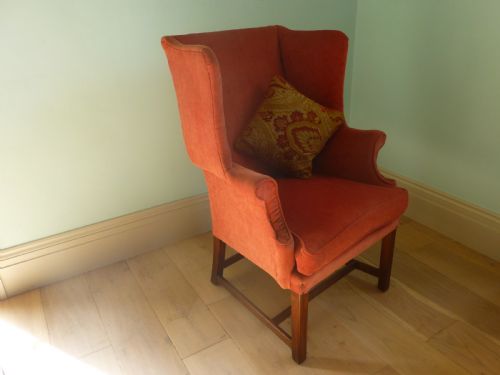
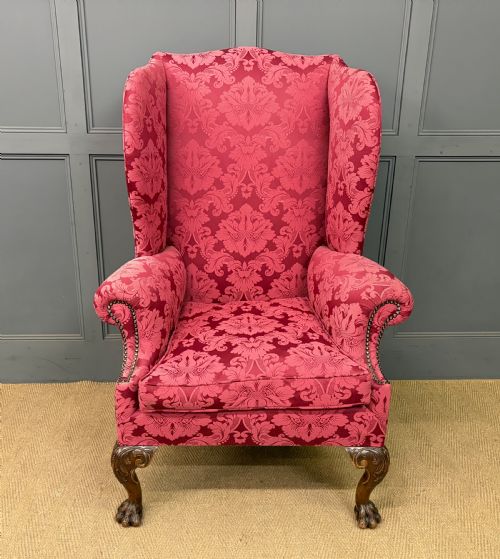
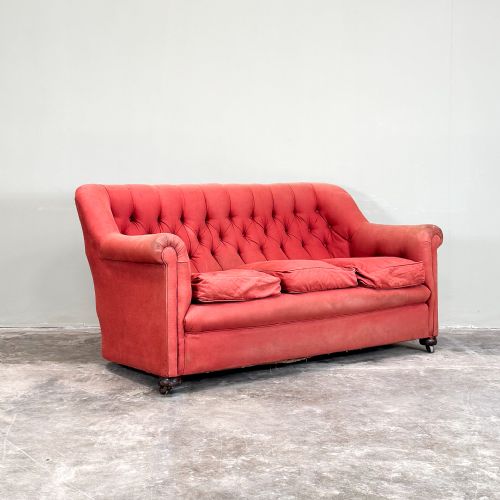
When you search for an antique red velvet seat, you encounter a wide selection of furniture types spanning the eighteenth, nineteenth, and early twentieth centuries. The listings on this page include dining chairs, armchairs, sofas, settees, chaise longues, piano stools, and ottomans.
Mahogany and walnut frame the majority of these pieces, alongside oak, rosewood, and giltwood. Styles range from Georgian and Regency through to Victorian, Edwardian, and Louis XVI style, reflecting shifting domestic fashions across the periods.
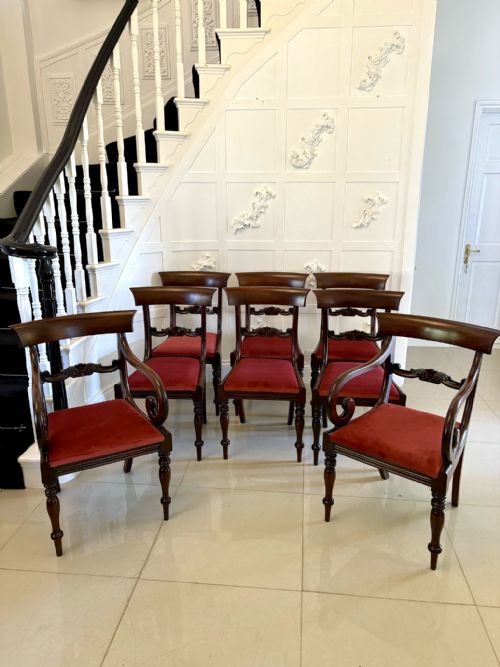
Dining chairs appear frequently in sets, while single armchairs, chaise longues, and footstools provide accent seating. The velvet upholstery varies from deep crimson tones to burnt orange and brighter reds, often paired with buttoning or elaborate wooden frames.
Materials and construction methods
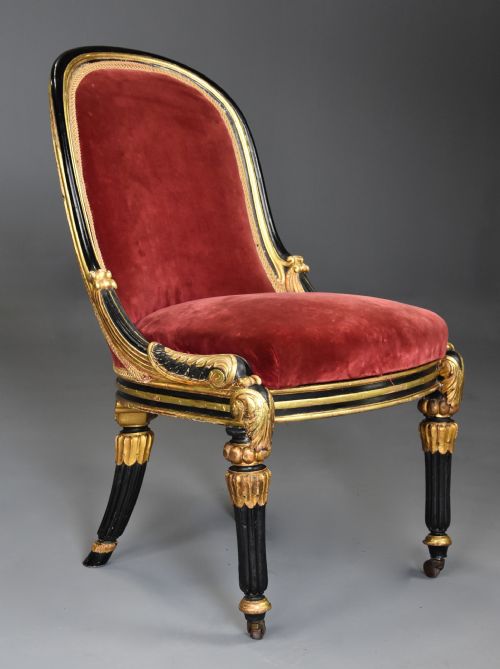
Makers built the structural frames of these seats from dense hardwoods such as mahogany, walnut, and oak, joined with traditional woodworking joints like mortise and tenon. Luxury items incorporated carved giltwood, ebonised finishes, or applied ormolu and brass decorations.
Upholstery techniques involved webbing, stuffing with natural fibres like horsehair, and securing the velvet top layer with brass tacks or piping. Frame decoration often featured hand carving, inlay work, or turned wooden legs depending on the prevailing style of the period.
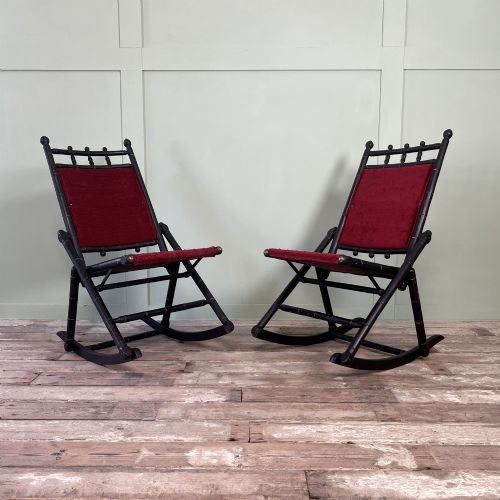
Some folding rocking chairs come disguised in faux bamboo, proving that even Victorian relaxers enjoyed a touch of exotic holiday theatre.
Assessing quality in period seating
The standard of carving and the selection of timber dictate the tier of a piece, with dense, well-figured mahogany or walnut indicating superior workshop output. Crisp detail in giltwood enrichment and refined proportions separate standard production items from distinguished cabinet maker commissions.
The integrity of the frame construction and the sympathetic execution of past or recent upholstery work determine the overall structural success of the seat. Pieces retaining their original timber patination and robust joinery sit higher in quality than those with excessive structural compromise.
James Shoolbred·Gillows·Hallett And Sons·Holland And Sons
The Antique Red Velvet Seat Glossary
- Velvet
- A woven tufted fabric with a dense pile that gives a soft texture and deep colour reflection. It requires careful handling during cleaning to preserve the pile.
- Giltwood
- Timber coated with gold leaf or gesso and gold paint. It appears frequently on decorative French and English period armchairs and sofas.
- Chaise longue
- An upholstered sofa shaped like a chair with a long seat for reclining. Originating in France, it combines seating with a built-in footrest.
- Ormolu
- Gilded bronze furniture mounts and decorations used extensively in the eighteenth and nineteenth centuries. It adds metallic contrast to dark woods like mahogany and ebonised timber.
- Fauteuil
- An open-arm armchair with a wooden frame where the sides remain uncovered by upholstery. This French style gained popularity during the Louis periods.
Antique Red Velvet Seat: Frequently Asked Questions
How do I clean antique velvet?
Vacuum gently with a soft brush attachment to remove surface dust without crushing the pile. Professional textile restoration is recommended for deeper stains.
Avoid using water or standard cleaning agents, as moisture can damage the backing fabric and alter the texture of the pile.
Are these chairs suitable for daily dining?
Many period dining chairs remain structurally robust for regular use, provided the frame joints are sound and secure. Checking the stability of the timber and the tightness of the legs ensures safe daily sitting.
Lighter side chairs or delicate giltwood armchairs suit occasional sitting rather than heavy daily service.
How can I date a wooden frame?
Examine the timber species, tool marks, and construction methods used in the joinery. Georgian and Regency pieces show hand-tooling and specific timber choices that differ from later Victorian or Edwardian machine production.
Stylistic motifs like cabriole legs, reeding, or inlaid panels also point towards specific decades and design movements.
Did these seats originally feature red velvet?
Upholstery rarely survives from the eighteenth or nineteenth century in pristine condition, meaning most pieces have been re-covered at least once. Velvet remains a traditional choice that complements the rich tones of mahogany, walnut, and giltwood frames.
Restorers often select red velvet to match historical precedents for formal period interiors.