





Gothic Revival Side Stool
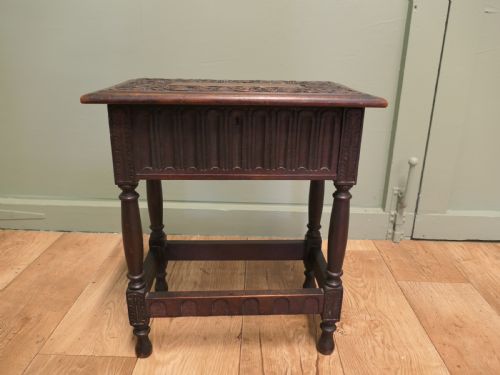
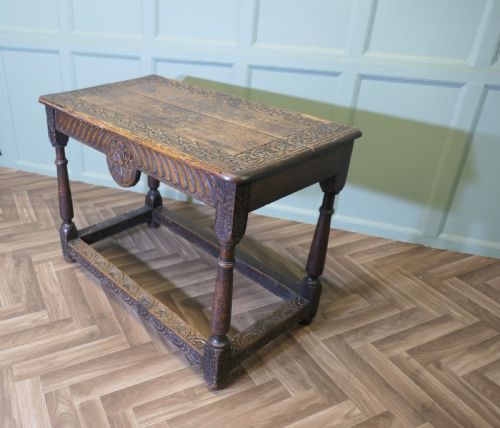
These gothic revival side stool examples combine medieval architectural form with domestic utility, offering sturdy seating and surface space.
Gothic Revival Side Stool
A gothic revival side stool represents a nineteenth-century reinterpretation of medieval forms, taking inspiration from ecclesiastical architecture and early joinery. These seating items function as flexible pieces within a room, serving equally as standalone seats or compact side tables.
The versions appearing here span from nineteenth-century interpretations down to nineteen-thirty variations, alongside earlier examples that influenced later revivals. Buyers encounter oak and walnut constructions most frequently, frequently accompanied by associated forms like occasional tables and hall seats.
The lineage of these objects extends across various revival movements, including Jacobean, Arts and Crafts, and Celtic styles. This aesthetic diversity means each piece carries distinct regional or stylistic signatures while maintaining the core gothic silhouette.
How they were made
Makers utilised solid timbers such as oak and walnut, shaping them through traditional joinery methods appropriate to the period of production. Wrought iron and brass elements occasionally appear for structural reinforcement or decorative hinges.
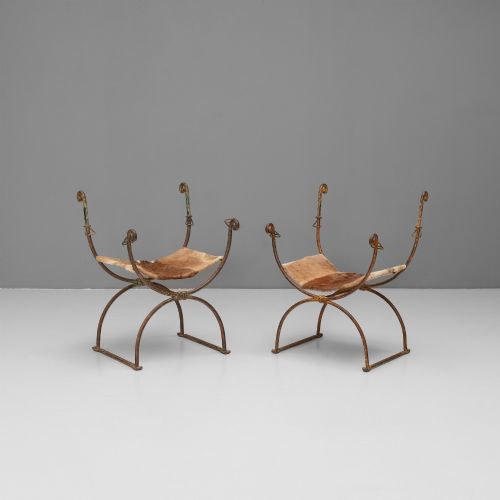
Upholstery fabric, cowhide, and ebonised wood provide textural contrast on specific examples, particularly within Victorian and later iterations. Surface decoration often relies on carved tracery, linenfold panels, or chamfered edges executed by hand.
Gothic Revival Side Stool Retail Price Guide 2026
Typical asking prices for gothic revival side stool among the pieces listed under this phrase on Sellingantiques today, from the lower quarter to the upper quarter. They describe what is for sale here now, not the wider market.
One listed piece is an apprentice piece window seat, suggesting a young maker practiced heavy gothic joinery on a miniature scale.
What varies in quality
The integrity of the timber construction largely dictates the standing of an individual piece, particularly regarding the tightness of joints and the retention of original surfaces. Greater refinement shows in the depth and crispness of hand-carved architectural details rather than purely decorative additions.
Proportion and structural balance separate standard utilitarian workshop output from more ambitious cabinet work. Examples that retain original materials, such as early cowhide or period upholstery, demonstrate superior preservation.
The Gothic Revival Side Stool Glossary
- Gothic Revival
- An architectural and decorative style drawing inspiration from medieval buildings and pointed arches. This movement influenced furniture design throughout the nineteenth century.
- Tracery
- Stonework-inspired stonemasonry patterns adapted for woodwork on panels and chair backs. It mimics the openwork found in medieval cathedral windows.
- Trestle form
- A structural arrangement where the top is supported by two or more upright frames or feet. This construction method appears frequently on early boarded stools.
- Ebonised wood
- Timber treated with a chemical stain or finish to imitate ebony. This technique gained popularity during the Victorian era for contrast.
Gothic Revival Side Stool: Frequently Asked Questions
Where were these stools used?
These items typically served in halls, parlours, or studies as secondary seating and occasional surfaces.
Their compact dimensions allowed them to be moved easily around domestic interiors as required.
How do I date a gothic stool?
Dating relies on examining the timber species, joinery techniques, and the specific characteristics of the revival style applied.
Nineteenth-century interpretations often mix gothic motifs with Victorian structural habits, whereas seventeenth-century pieces show distinct tool marks and construction methods.
Can I use them as tables?
Many examples function effectively as small side tables due to their flat tops and sturdy trestle construction.
Historical listings confirm that owners frequently used compact stools interchangeably for seating or surface needs.
What woods were used?
Makers predominantly worked in oak and walnut, supplemented by rosewood, mahogany, and ebonised wood on specific revival pieces.
Wrought iron and brass hardware frequently reinforced the timber frames.