
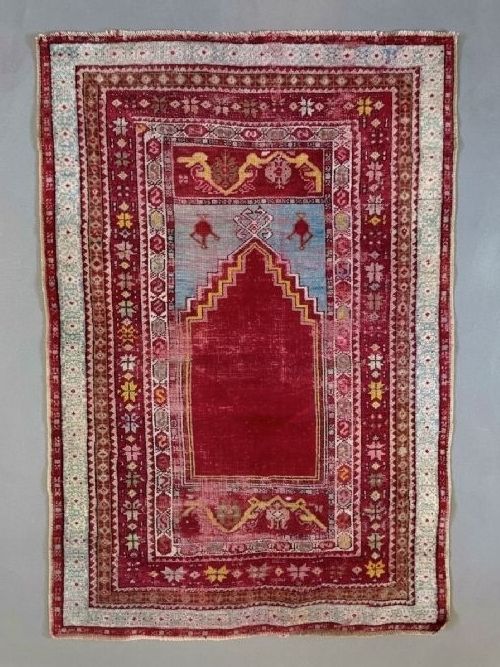
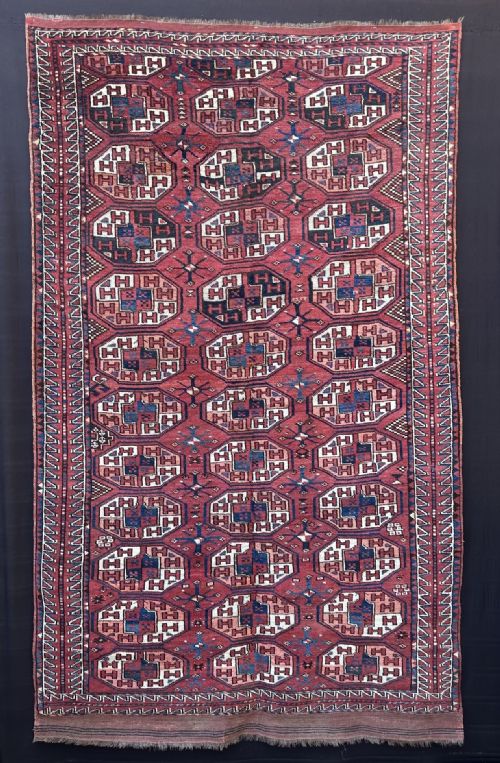


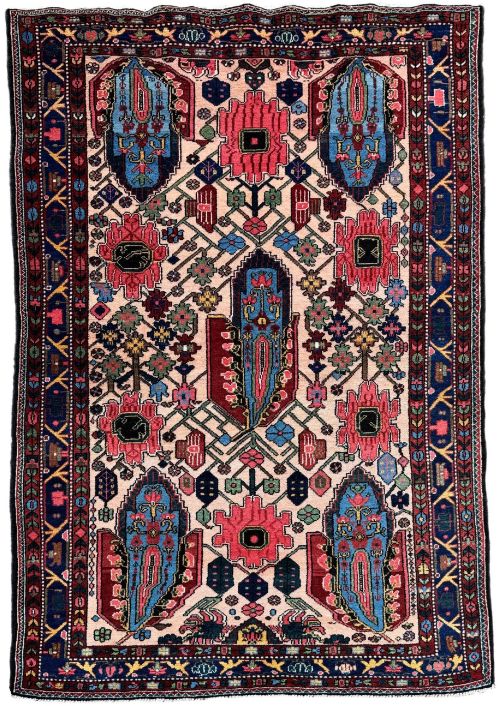
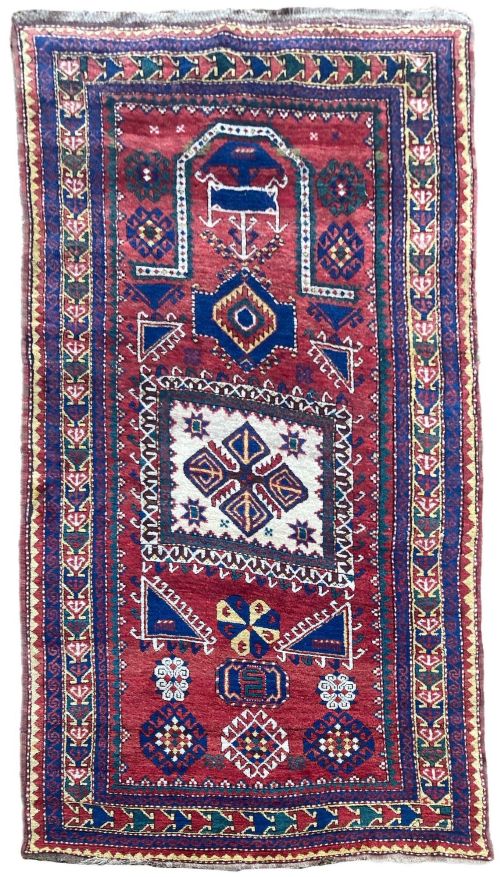

Antique Red Runner Rug
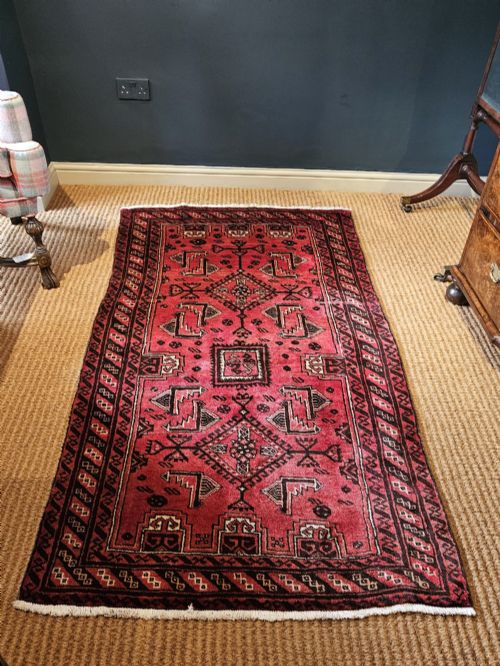
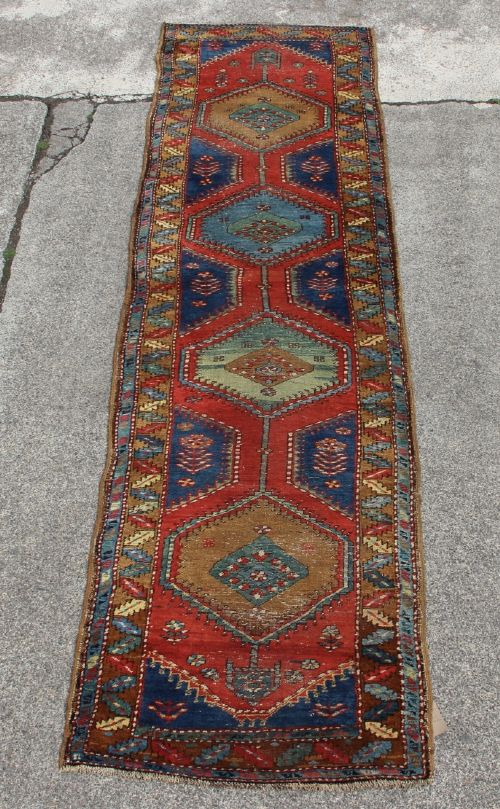
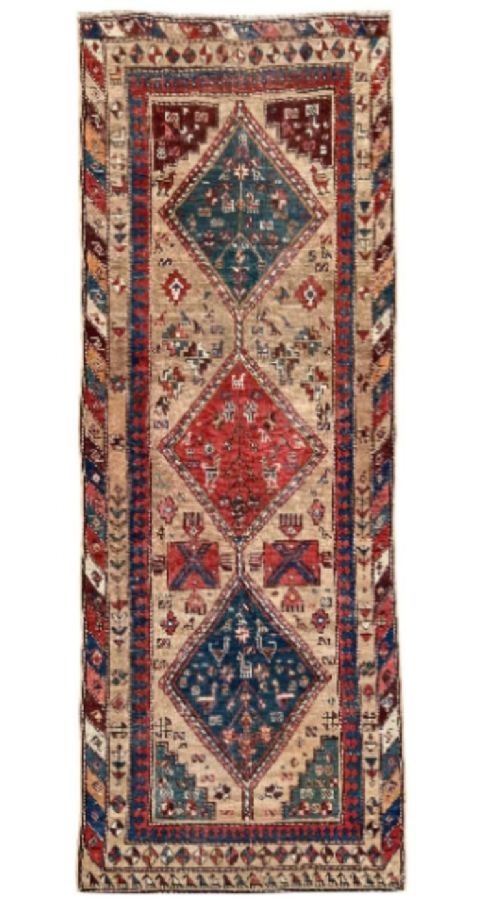
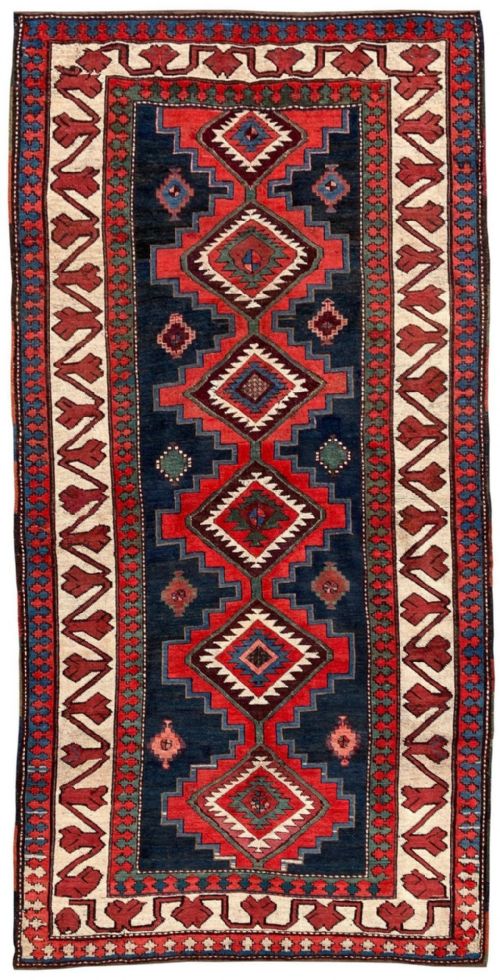
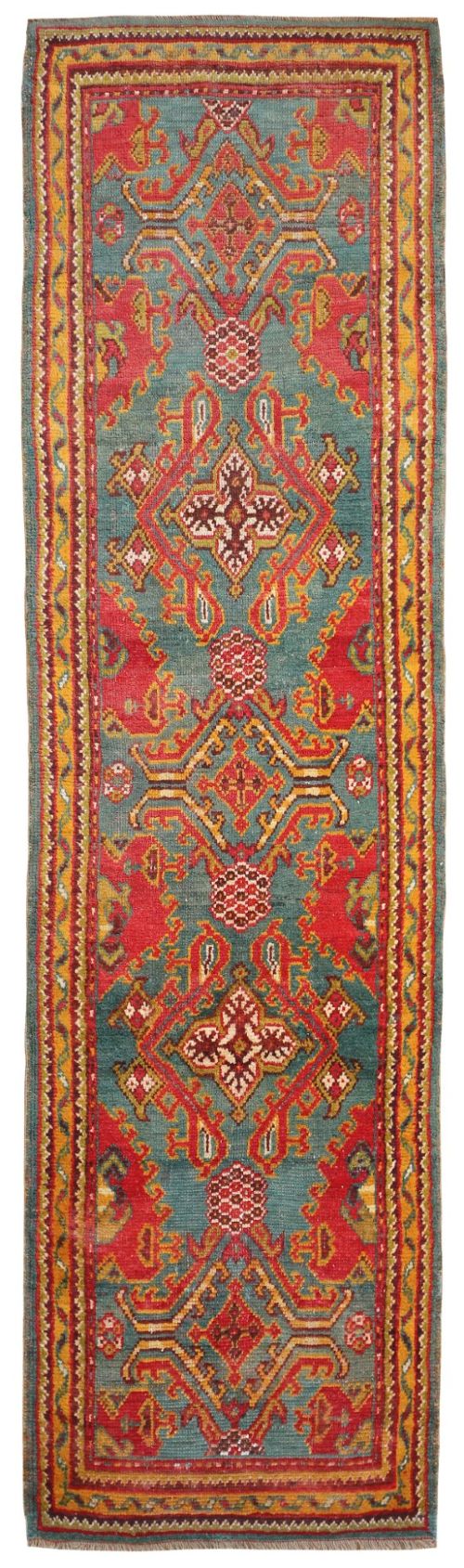
An antique red runner rug brings warmth and linear rhythm to a long hallway, shaped by the hands of Persian, Caucasian and Anatolian weavers.
Antique Red Runner Rug
An antique red runner rug encompasses long, narrow floor coverings designed for corridors, stairs and landings, alongside broader carpets adapted for linear spaces. The selection spans origins in Persia, the Caucasus and Anatolia, bringing traditional regional patterns into domestic interiors.
Examples date from the nineteenth century through the early decades of the twentieth century, including pieces attributed to specific tribal groups such as Baluch, Kazak and Afshar. Buyers encounter formats ranging from concise hall strips to extensive room-length runners constructed across various village and nomadic traditions.
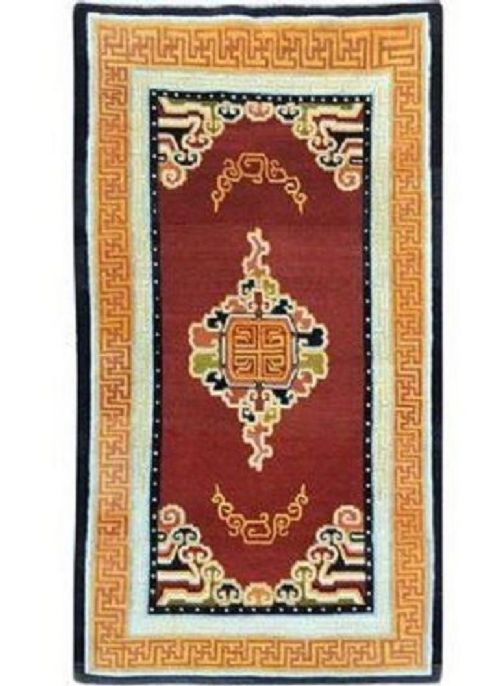
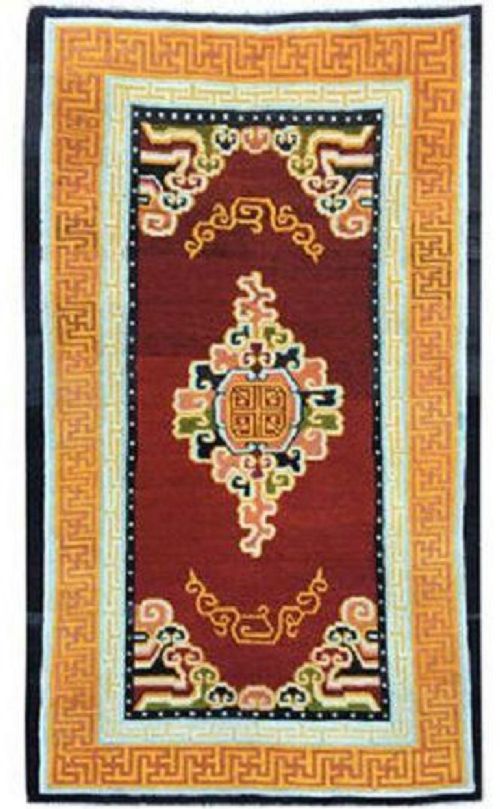
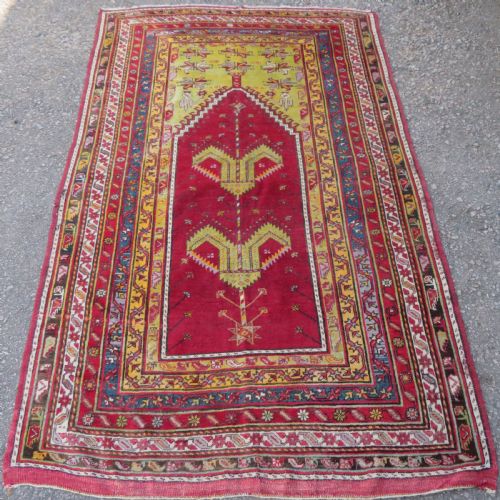
The visual vocabulary relies heavily on red grounds paired with contrasting dyes, organising geometric medallions, repeating lattice motifs and floral sprays along the length of each piece. These formats serve both practical circulation areas and formal interior layouts.
Materials and construction
Construction relies primarily on wool foundations and pile, often utilising hand-spun fleece dyed with natural colorants to achieve deep red tones. Cotton appears frequently in warps and wefts, while occasional examples incorporate silk or metallic thread for detail work.
Weavers knotted individual yarn strands onto vertical looms, employing structural techniques characteristic of specific weaving districts and nomadic tribes. This manual method produces dense pile surfaces capable of withstanding heavy foot traffic in corridors and reception spaces.
Materials documented across the listings include wool, cotton, pure wool, silk and metallic thread.
Assessing quality
Quality differentiates through the tightness of the knotting, the precision of the geometric or floral layout, and the complexity of the dye palette. Finer examples display crisper motif outlines and greater structural integrity across the length of the runner.
The depth and stability of the red dye influence visual success, with superior pieces showing harmonious tonal variation from natural ageing. Materials also play a role, as dense pure wool piles retain structural resilience better than compromised foundations.
The Antique Red Runner Rug Glossary
- Runner
- A long, narrow carpet format specifically proportioned for hallways, corridors and staircases. These pieces measure significantly longer than they are wide to guide movement through interior spaces.
- Pile
- The raised surface of a rug formed by the cut ends of knotted yarn. This upper layer provides cushioning and displays the patterned design.
- Warp
- The vertical foundation threads stretched tightly on the loom before knotting begins. Weft threads are subsequently passed horizontally through these warps to secure the structure.
- Mihrab
- A niche design element referencing Islamic architecture, frequently central to prayer rug layouts. This motif often points toward Mecca during use.
- Lattice
- An intersecting grid pattern that divides the field into repeating compartments. Each compartment typically encloses geometric ornaments or floral motifs.
Antique Red Runner Rug: Frequently Asked Questions
Where should I place a long runner?
These narrow formats suit extended transitional spaces such as entrance halls, long corridors and landing floors. They protect high-traffic floorboards while adding directional visual interest.
Position the piece away from damp areas and utilise a secure underlay to prevent sliding on polished timber or stone surfaces.
How do I clean an antique wool rug?
Routine maintenance requires gentle surface vacuuming without the rotating brush bar engaged to protect the historic wool pile. Address localized spills immediately by blotting with a damp cloth rather than rubbing.
Professional specialist cleaning remains necessary for deep restoration to prevent dye bleeding or foundation distortion in nineteenth-century textiles.
What causes the red background tones?
Weavers traditionally utilised natural dyestuffs derived from sources such as madder root to achieve varied crimson, rust and brick-red hues. These organic dyes mellow gradually with age and exposure to light.
Subtle shifts in shade along the length of the piece reflect batch changes in the dye vats used by village and nomadic makers.