




Antique Red Chuval
An antique red chuval is a tribal storage bag face woven by Central Asian nomads, prized for rich madder tones and intricate primary medallions.
Antique Red Chuval
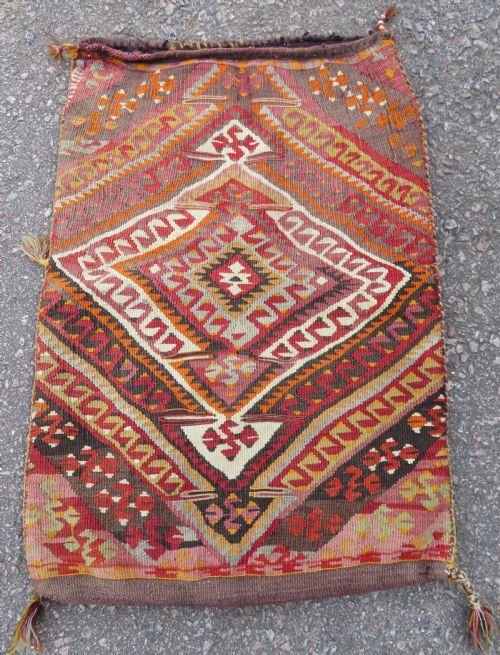
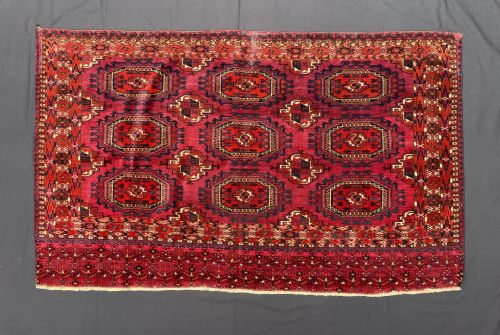
An antique red chuval functions primarily as a large tent storage bag woven by Turkmen tribes, including Tekke, Ersari, Yomut, and Saryk groups across Central Asia. These nomadic textiles commonly date from the mid-nineteenth century through the early twentieth century and appear frequently as surviving bag faces or complete pieces retaining their plain weave backs.
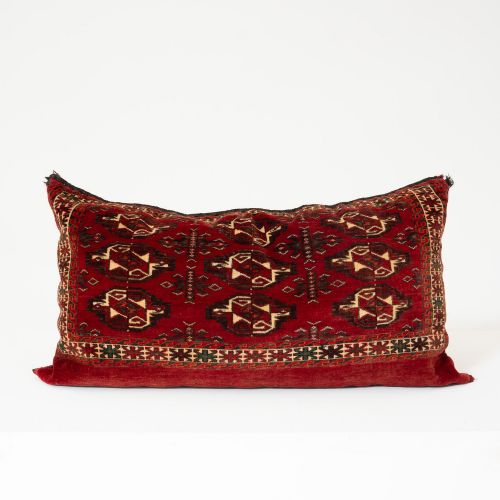
Collectors encounter specific design layouts such as multi-gul arrangements, turreted Salor guls, and elem panels featuring tree or banded motifs. Format variations range from square storage bag faces to elongated torba panels and smaller cushion adaptations.
Materials and construction
Weavers constructed these textiles using hand-spun wool foundations paired with natural dyes to achieve deep crimson and red shades, occasionally incorporating cotton and silk details for contrast. The dense knotting produces a durable structure designed for practical use inside nomadic dwellings.
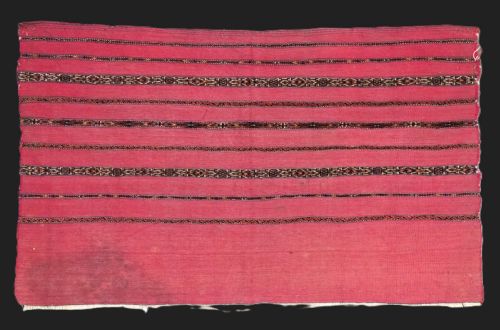
Many examples preserve functional elements like hanging loops and original plain weave wool backs, demonstrating traditional Central Asian utilitarian craftsmanship.
Antique Red Chuval Retail Price Guide 2026
Typical asking prices for red chuval among the pieces listed under this phrase on Sellingantiques today, from the lower quarter to the upper quarter. They describe what is for sale here now, not the wider market.
Listings feature pieces spanning the mid-nineteenth century to the early twentieth century, originating primarily from Turkmen, Ersari, Yomut, and Saryk tribal groups.
Quality factors in weaving
Knot density and structural fineness define the upper tier of these textiles, distinguishing tightly packed pile surfaces from coarser regional work. Precision in drawing and the complexity of repeated gul medallions indicate skilled tribal execution.
The survival rate of original components, such as complete plain weave backs, hanging loops, and intact elem borders, elevates the integrity of individual pieces.
The Antique Red Chuval Glossary
- Chuval
- A large tent storage bag traditionally used by Turkmen nomads for household goods and bedding. Most surviving examples are preserved as decorative bag faces.
- Gul
- A primary octagonal or repeating medallion motif central to Turkmen tribal carpet design. Different tribes utilise distinct gul patterns for clan identification.
- Elem
- The decorative lower border panel on a bag face or rug, often featuring triangular tree or shrub motifs. This section sits below the main field of guls.
- Torba
- A smaller storage bag format compared to the chuval, typically wider than it is high. These hang inside nomadic tents for smaller possessions.
- Ak Chuval
- A specific variant of the red chuval dominated by white or pale secondary ground colours rather than standard deep madder red tones.
Antique Red Chuval: Frequently Asked Questions
What is an antique red chuval used for?
Nomadic tribes utilised these large bags inside tents to store clothing, bedding, and household valuables. They hung against lattice walls or stacked on camel flanks during migrations.
Today, collectors mount these textile bag faces on walls or display them as decorative floor rugs in low-traffic areas.
How do you identify a Tekke chuval?
Tekke pieces typically feature structured rows of primary octagonal guls combined with precise geometric border systems. The palette relies heavily on deep madder red grounds.
Subtle variations in secondary guls and elem panel designs help differentiate them from Yomut or Ersari equivalents.
What does gul mean on a rug?
A gul is the repeating primary medallion that anchors Turkmen tribal weaving patterns. Each tribe adapted specific geometric forms to signal lineage and geographic origin.
These medallions often incorporate secondary quarter-motifs and rich colour contrasts.
Are these pieces complete bags?
Many surviving examples are bag faces separated from their original utility backs due to wear over generations. However, some pieces retain their plain weave wool backs and hanging loops.
Complete pairs with backs also appear, representing intact nomadic household items.