


Antique Reclining Chaise Longue
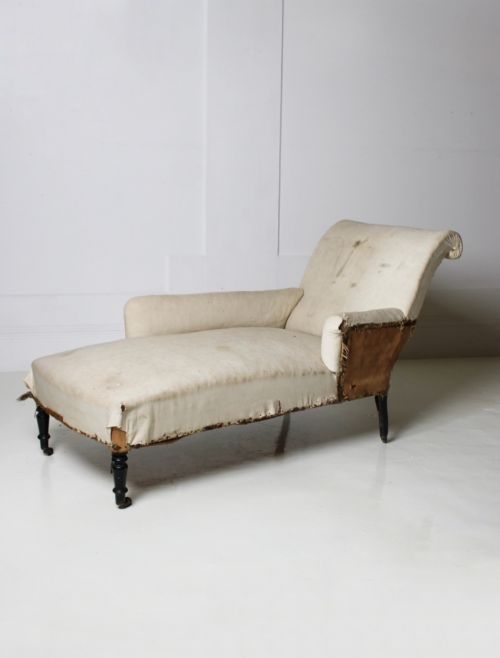
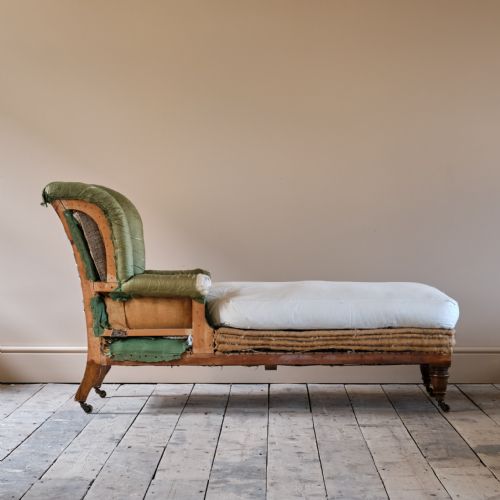
An antique reclining chaise longue offers deep comfort and elegance, bringing a grand nineteenth or twentieth century seat into a modern interior.
Antique Reclining Chaise Longue
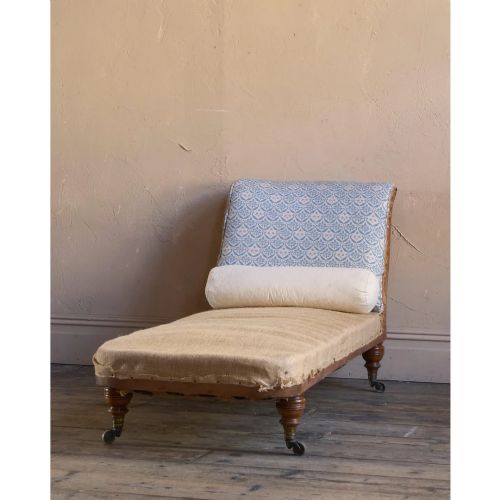
The pieces listed span multiple decades, including Regency, Victorian, Edwardian, and Art Deco periods. Many examples originate from English and French workshops, utilising wood, mahogany, walnut, and rosewood frames.
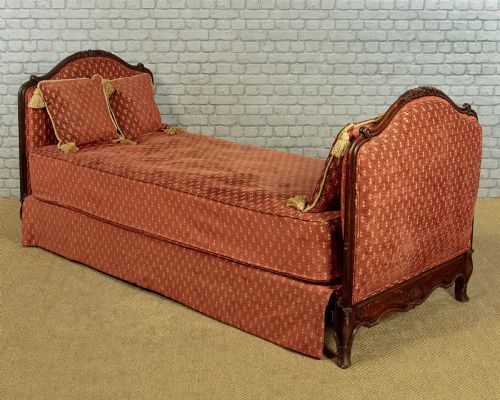
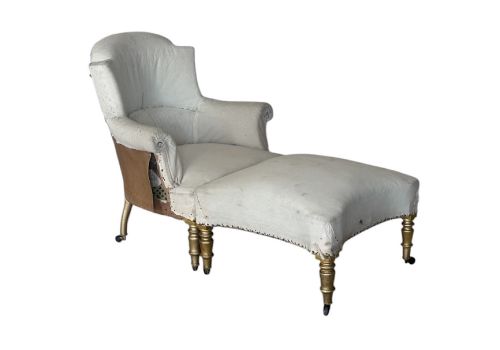
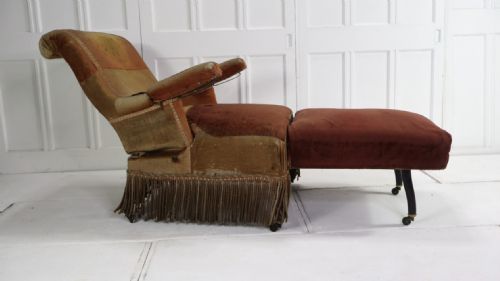
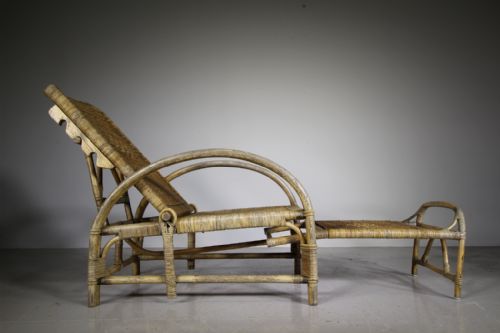
Buyers will encounter variations such as daybeds, duchess brisees, and reclining armchairs with matching footstools. These items serve as substantial focal points in large rooms or country house settings.
Materials and construction methods
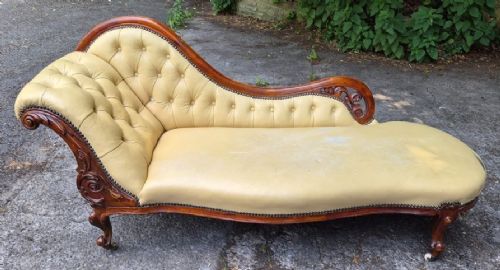
Carved wooden frames form the structural backbone of these seats, utilising solid mahogany, walnut, oak, rosewood, and brass castors for mobility. Skilled cabinetmakers shaped sturdy timbers into curved backs, bobbin turnings, and double spoonback profiles.
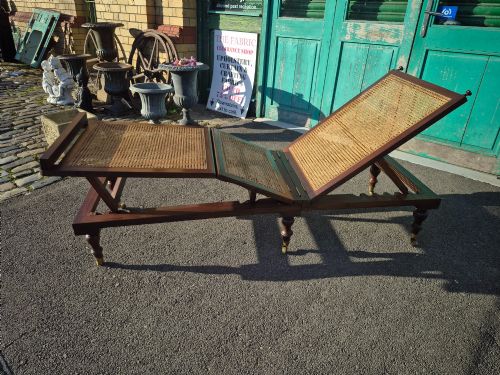
Upholstery techniques involved traditional stuffing covered in velvet, leather, calico, fabric, or woven cane and wicker. Concealed storage compartments and adjustable reclining mechanisms demonstrate the ingenuity of period makers.
Certain nineteenth century daybeds hide built-in storage compartments beneath the cushions for covert items.
Differentiating quality across examples
Quality rests in the crispness of the timber carving, the integrity of the frame construction, and the preservation of original castors and turned legs. Finer pieces display refined proportions and superior joinery that withstands centuries of use.
The execution of the upholstery and the selection of covering materials, from supple brown leather to fine velvet, dictate the tactile experience. Maker attribution, such as stamped signatures or notable workshop provenance, elevates the standing of an individual piece.
Howard and Sons·Angraves of Leicester·H Goodall and Sons of Newcastle
The Antique Reclining Chaise Longue Glossary
- Chaise longue
- A long chair for reclining, literally translating from French as long chair. These seating forms often feature a single raised end for head support.
- Duchess brisee
- A two or three part daybed comprising an armchair and a matching stool or footstool pushed together. This configuration allows flexible lounging arrangements.
- Campaign style
- Portable or folding furniture designed for travel and military officers. These items often incorporate sturdy brass fittings and collapsible elements.
- Double spoonback
- A Victorian chair back shape featuring two rounded, concave wooden rims resembling spoons. This design provides ergonomic support for the sitter.
- Bobbin turning
- A form of woodturning characterised by a series of rounded, spool-like shapes carved along a leg or stretcher. It appears frequently on nineteenth century frames.
Antique Reclining Chaise Longue: Frequently Asked Questions
Where should I put a chaise longue?
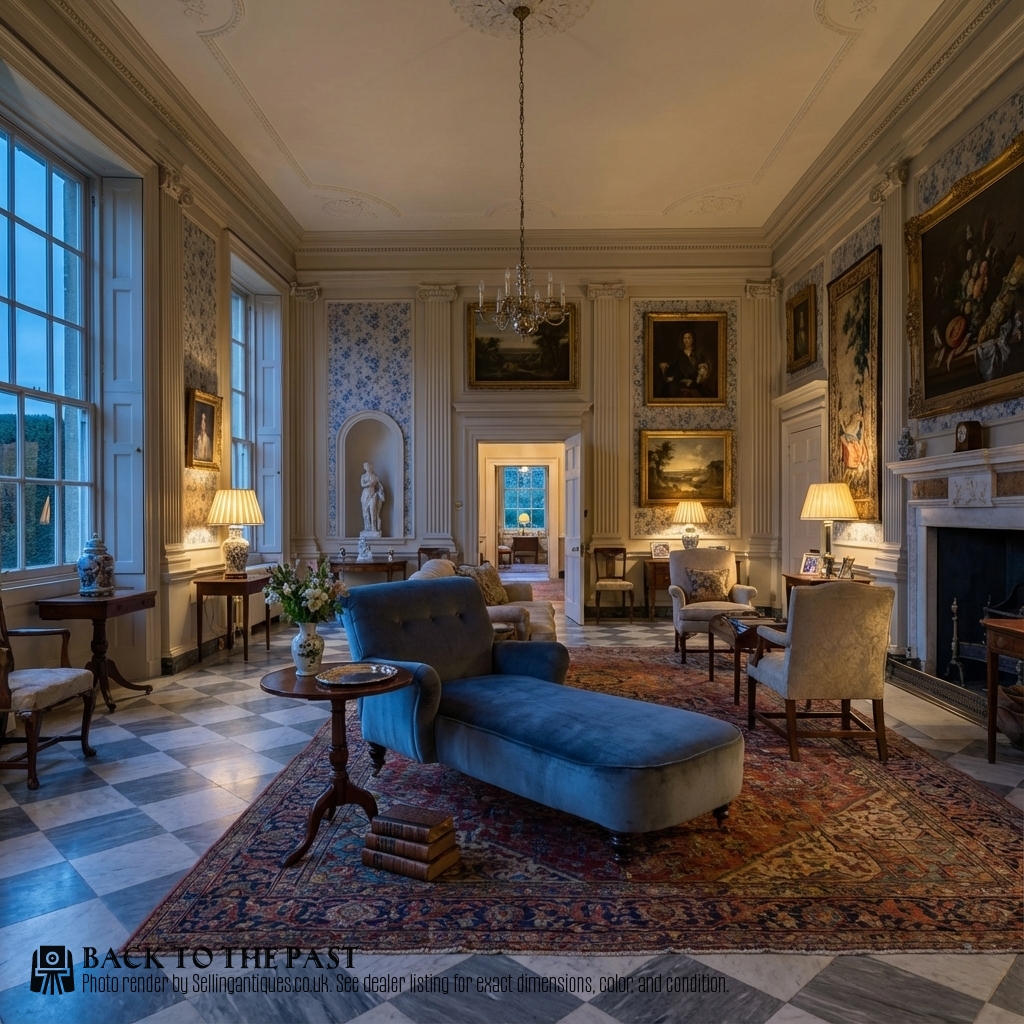
These long seats suit generous spaces like living rooms, large bedrooms, or studies where they can sit away from the wall to show off their carved backs.
They function well as reading spots or day beds for afternoon rest, requiring enough floor clearance to appreciate their length and silhouette.
How do I identify a Victorian piece?
Victorian examples often feature dark woods like rosewood or mahogany, elaborate carved details, and ceramic or brass castors on turned legs.
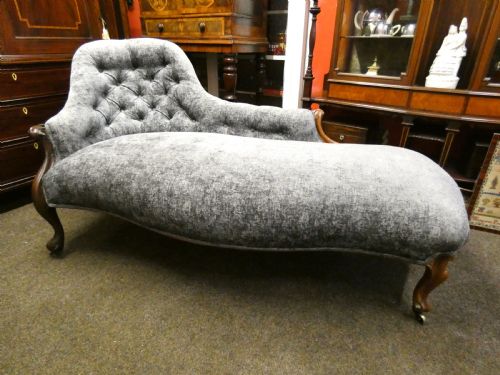
Look for structural traits such as double spoonbacks or heavy button-tufted upholstery that signal nineteenth century craftsmanship.
Are these seats comfortable for daily use?
Many period pieces provide deep cushioning and ergonomic reclining angles designed for extended lounging and reading.
Their comfort depends on the condition of the internal webbing and padding, which varies between original states and fully restored examples.