


Antique Putti Carving
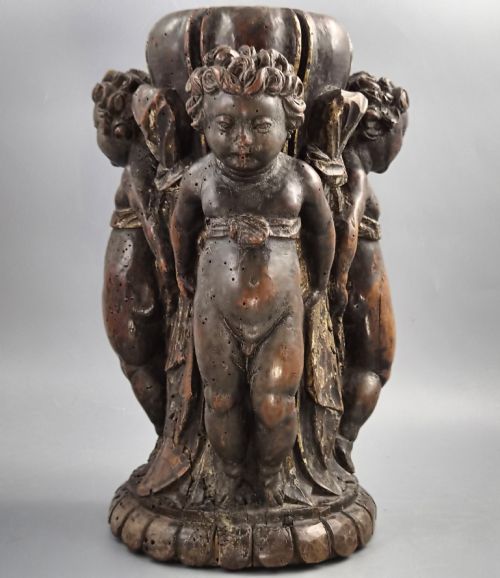
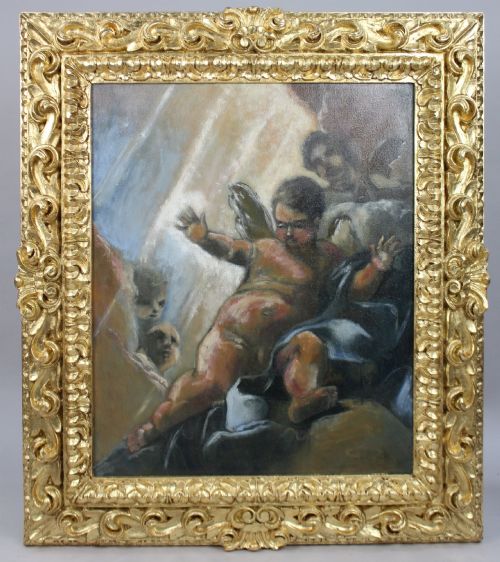
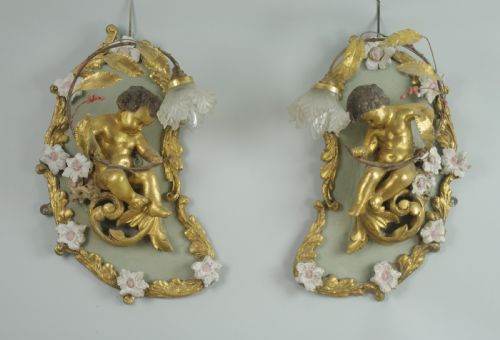
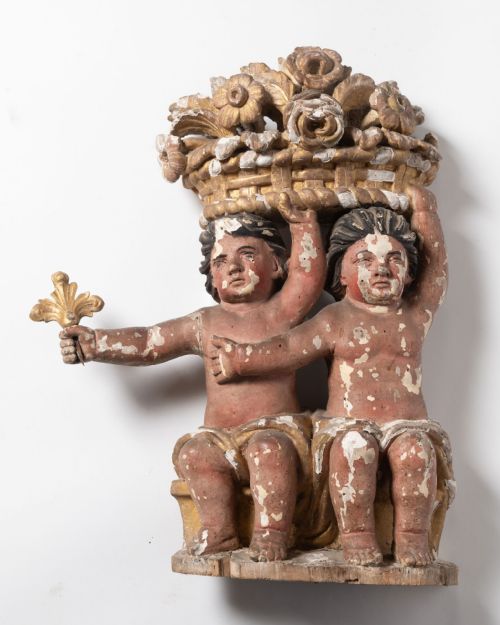
When you search for antique putti carving, you encounter winged infant figures rendered in wood, gesso and gilt across the Baroque, Victorian and Neoclassical periods.
Antique Putti Carving
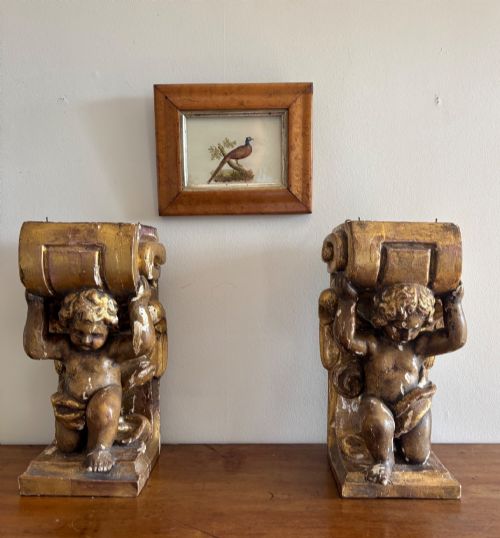
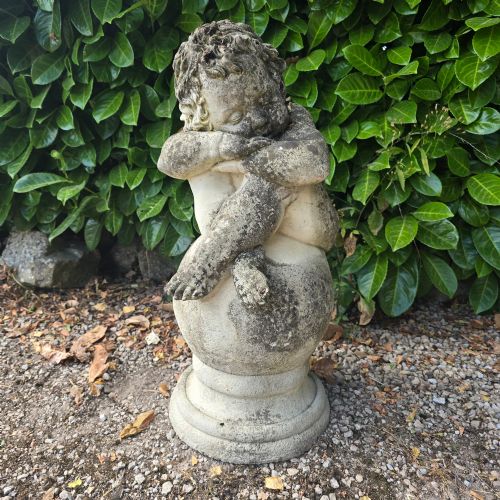
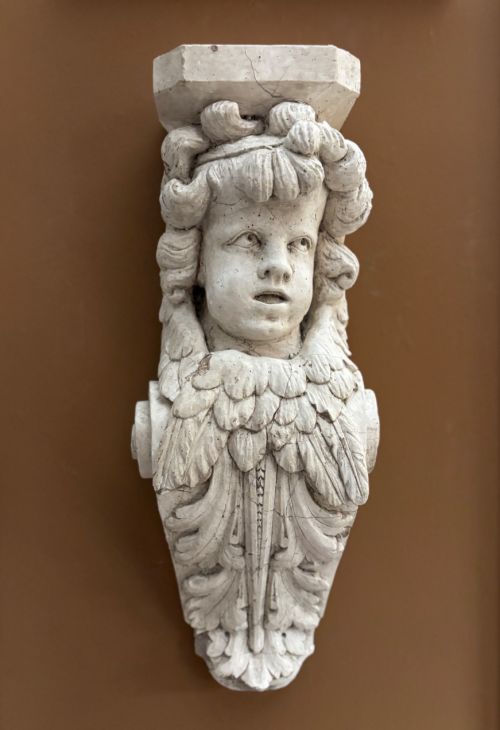
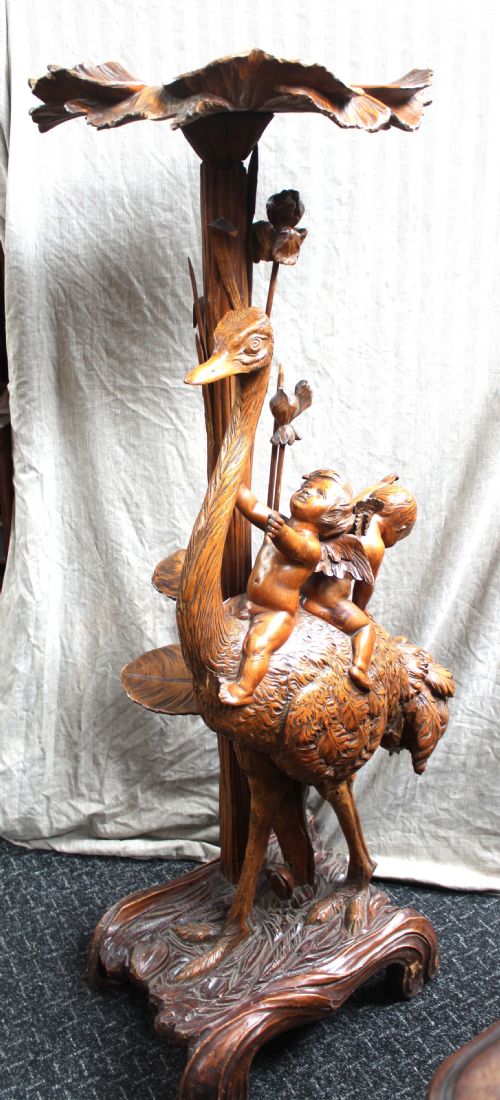
An antique putti carving represents winged infant figures derived from classical mythology, frequently appearing in forms such as wall brackets, corbels, mirrors, torchieres and standalone sculptures. The examples found here date primarily from the seventeenth, eighteenth and nineteenth centuries, spanning Italian, French and Flemish origins.
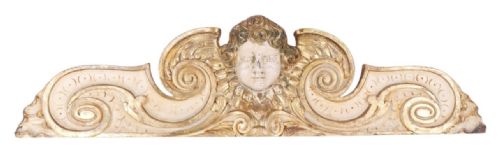
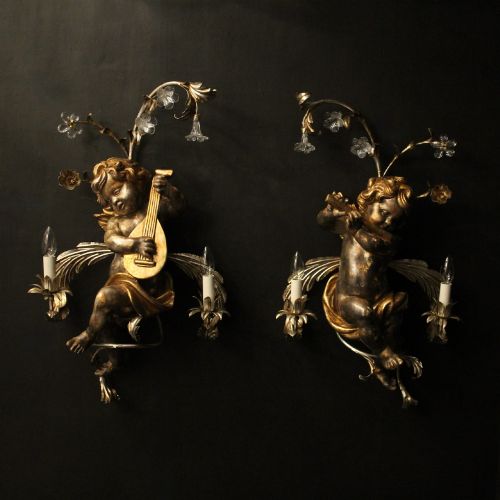
The most common formats on this page include architectural elements like over doors and pediments, wall lighting fixtures with twin or triple arms, and decorative wall panels or shelf supports. These pieces emerge in styles ranging from exuberant Italian Baroque and Rococo Revival to restrained Victorian and Neoclassical interpretations.
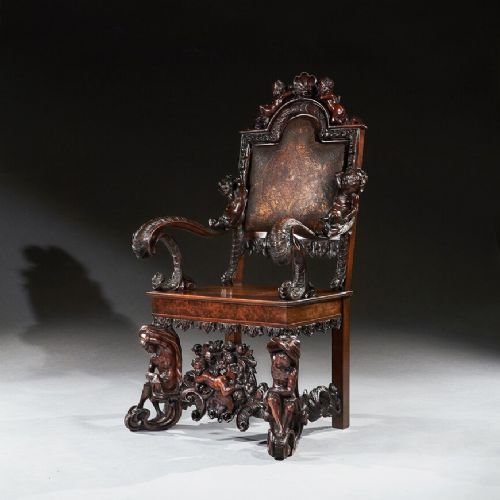
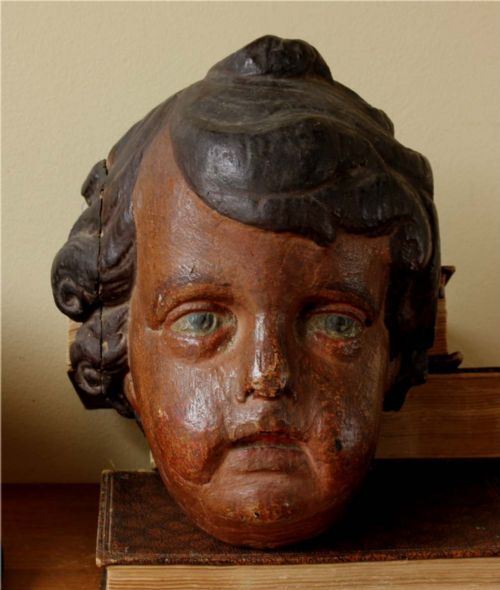
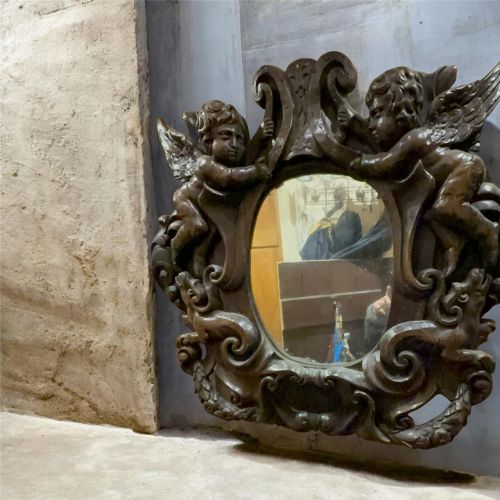
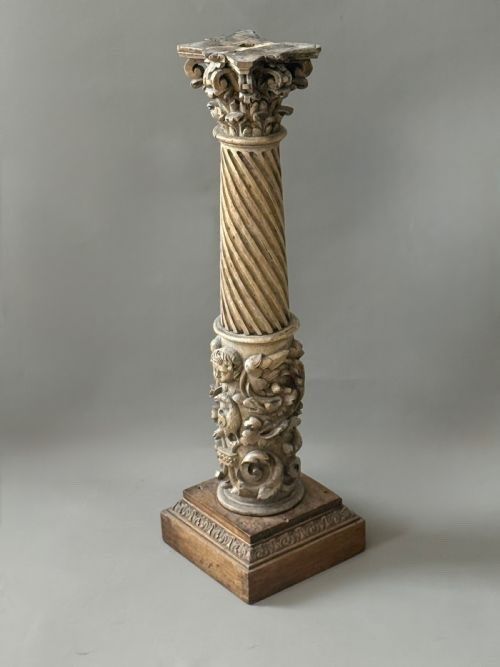
Makers and workshops across continental Europe produced these carvings to ornament domestic interiors, religious spaces and grand furniture. Buyers encounter everything from small polychrome cherub heads to monumental pillars and mirror frames dominated by these winged figures.
Materials and construction methods
Carvers shaped these figures predominantly from timber such as walnut, oak, lime wood and general carved wood, occasionally applying gesso and gold leaf or parcel gilt surfaces to achieve a luminous finish. Polychrome treatments involving paint or silvering also appear on pieces designed to catch candle or natural light in domestic settings.
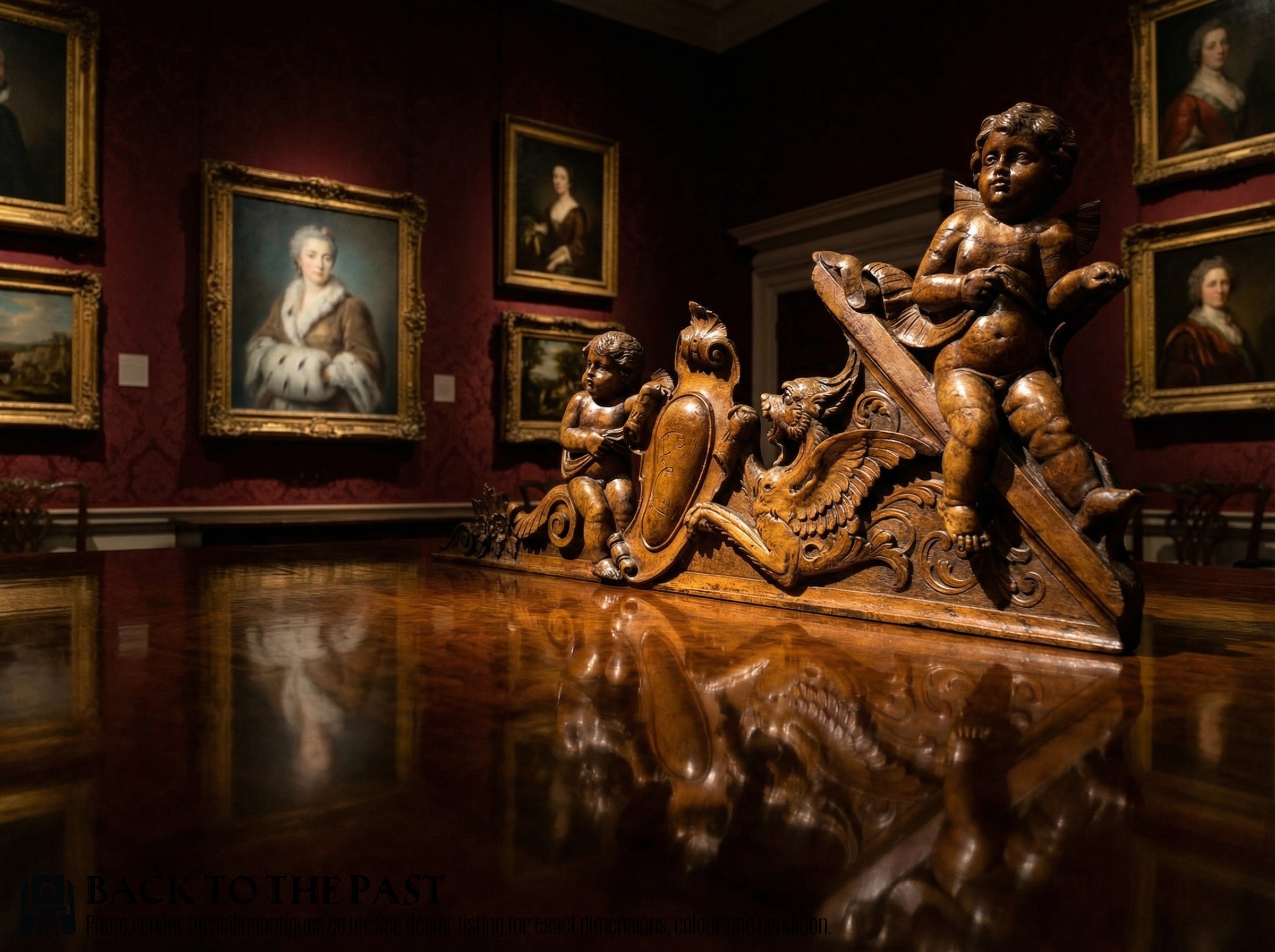
Techniques combine deep relief carving with applied architectural elements, where figures emerge directly from the background panel or stand free as sculptural supports and brackets. Joinery methods reflect the period of origin, utilising pegged construction in earlier oak pieces and layered gesso grounds beneath gilding on later gesso and wood surfaces.
Listings feature walnut, oak, lime wood and gesso materials spanning the seventeenth to the twentieth centuries.
Distinguishing quality in carving
The integrity of the surface finish further differentiates the range, with original gold leaf, gesso grounds and polychrome pigments holding greater value than unsympathetic later overpainting or stripped timber. The harmony between the putto figure and its functional housing, such as a mirror frame or wall bracket, indicates the original ambition of the workshop.
Andrea Brustolon·Grinling Gibbons·Antonio Canova
The Antique Putti Carving Glossary
- Putto
- A representation of a plump, naked infant, frequently winged, originating in classical art and revived during the Renaissance and Baroque periods. In plural form, they are known as putti.
- Giltwood
- Timber that has been coated with a thin layer of gold leaf or gold paint, standard for decorative frames and wall lights from the seventeenth century onward. This technique creates a rich surface that reflects candlelight.
- Gesso
- A plaster-like mixture applied to wood surfaces as a smooth base for painting or gilding. It allows carvers to achieve sharp detail before applying gold leaf.
- Torchiere
- A tall ornamental stand or floor lamp base, often carved with figures or acanthus leaves. These originate from interior lighting supports of the Baroque era.
- Corbel
- A structural bracket projecting from a wall to support a weight, frequently carved into figurative or architectural shapes. They appear beneath shelves, cornices and overmantels.
Antique Putti Carving: Frequently Asked Questions
What is a putto in antique carving?
A putto depicts a winged infant figure that derives from classical antiquity and symbolises love or divine spirit in Renaissance and Baroque art. These figures appear across European furniture, architectural salvage and decorative wall ornaments.
Makers utilised them to add dynamic movement and sculptural relief to functional items like mirror frames, wall brackets and lighting fixtures.
How can I tell seventeenth-century pieces apart from nineteenth-century revivals?
Seventeenth-century pieces typically utilise heavy native timbers like oak or walnut with deep, hand-cut tool marks and pegged joinery suited to Flemish and Italian Baroque output. Nineteenth-century revival items often exhibit softer lime wood or pine beneath gesso layers, reflecting historical revivalism.
Examining the tool marks and the composition of the gesso ground helps determine whether a piece belongs to the original period or the later nineteenth-century revival movements.
Where were putti wall brackets used originally?
Wall brackets and corbels featuring putti figures served as decorative supports for busts, clocks or vases within grand domestic interiors and ecclesiastical spaces. They were positioned at eye level or above doorways to create an impression of architectural elevation.
Today, buyers install them as architectural accents or functional wall shelves in period and contemporary interiors.
How do I care for giltwood and carved wood surfaces?
Giltwood and delicate wood carvings require gentle dusting with a soft, dry brush to prevent damage to the thin gold leaf layers or historic gesso grounds. Moisture and direct sunlight should be avoided to protect the underlying timber and historic finishes from cracking or fading.
Maintaining a stable indoor humidity level preserves both the structural integrity of the wood and the stability of the surface decoration.