
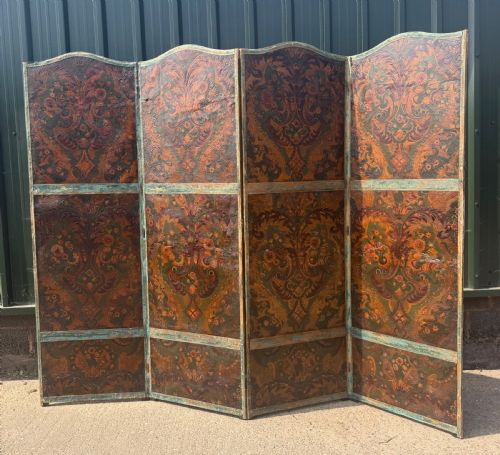

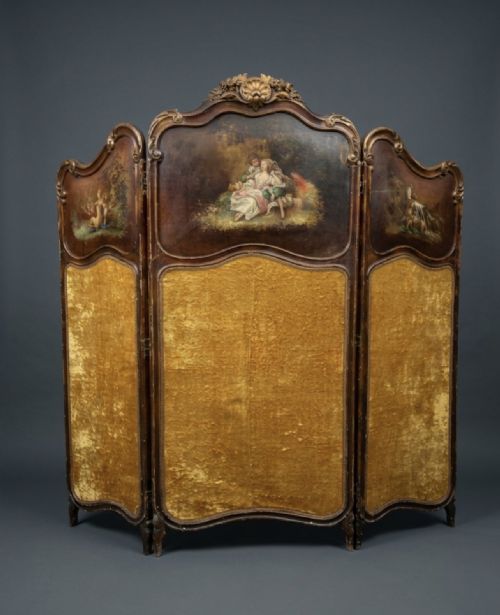

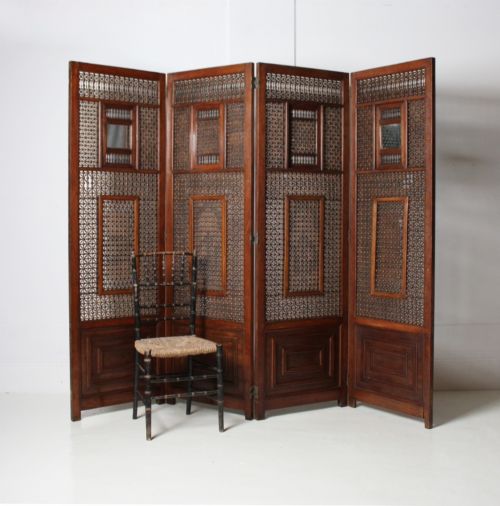
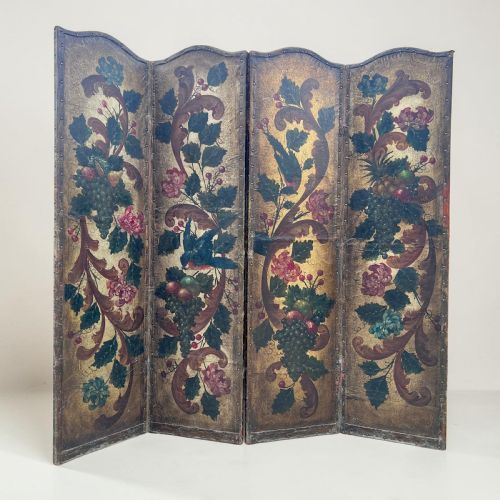


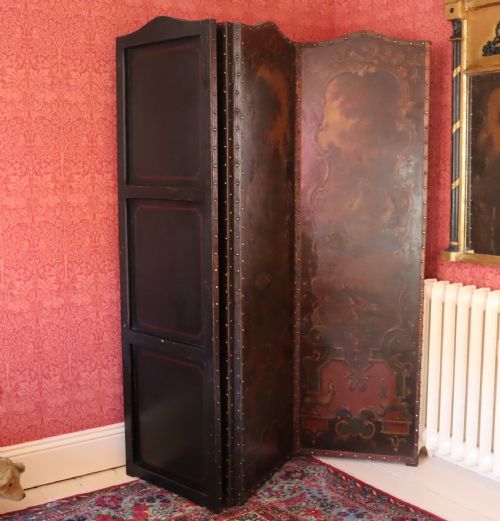


Antique Privacy Screen Divider
These antique privacy screen divider pieces turn open rooms into quiet corners, combining clever folding carpentry with painted leather, needlepoint, and carved wood.
Antique Privacy Screen Divider
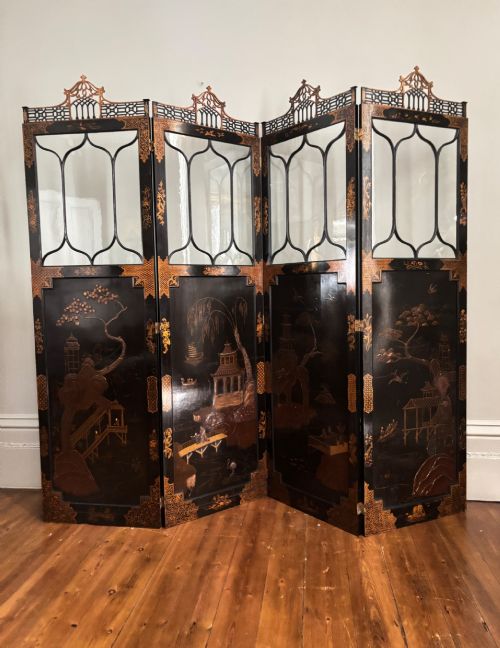
An antique privacy screen divider provides a portable partition for rooms, appearing in multiple folds linked by hinges. You encounter folding screens, room dividers, and dressing screens shaped by Victorian, Edwardian, and Regency tastes.
The domestic forms range from boudoir vanity screens and modesty panels to large country-house screens. Makers constructed them to divide spaces, block drafts, or create private dressing areas.
Makers produced these dividers across Britain, France, China, Japan, and Sweden, utilising materials that span carved hardwood, lacquered surfaces, and painted canvas.
Materials and construction
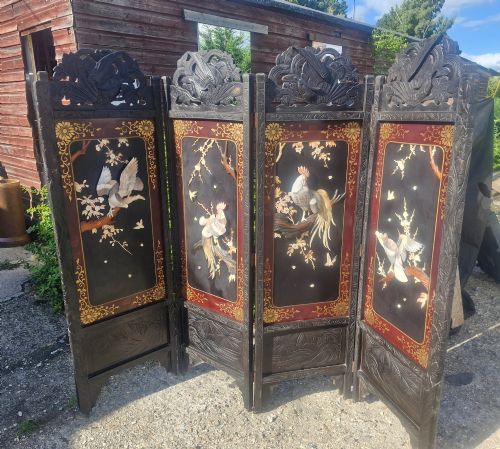
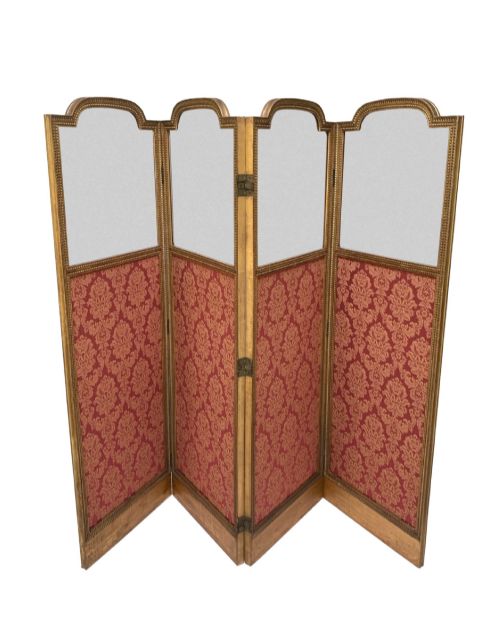
Carpenters built the structural frames from timber such as mahogany, walnut, oak, and giltwood. They combined these wooden skeletons with folding hinges to support multi-panel configurations.
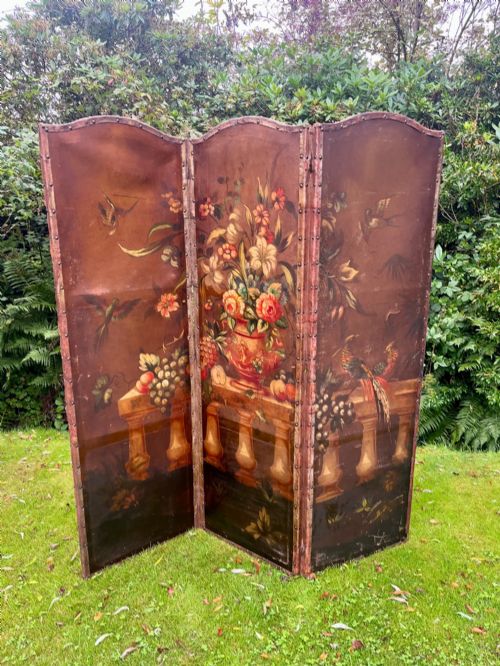
Surface decoration involved hand-painted leather, canvas, oil paint, and needlepoint. Artisans also applied Japanese and Chinese lacquer, gilt embossing, and deep bone or hardstone carvings.
One political debating society kept an oak-framed panel specifically to record arguments.
Judgement of quality
Quality rests in the depth of hand-carved detail and the precision of painted panels. Skilled execution shows in well-balanced joinery across multiple folding leaves.
Materials dictate distinction, moving from simple pine or fabric frames to finely worked lacquer, tooled leather, and heavy hardwood.
The Antique Privacy Screen Divider Glossary
- Modesty screen
- A small folding partition designed to shield someone from view while dressing or sitting. These panels often feature painted scenes or fabric inserts.
- Chinoiserie
- European decorative style imitating Chinese artistic traditions. It appears on lacquered screens with gilded figures and landscapes.
- Mashrabiya
- An architectural element adapted into screens, featuring intricate wooden lattice work. This technique creates patterned ventilation and partial privacy.
- Needlepoint
- Embroidery stitched onto canvas stretched across screen frames. It provides textured floral or pastoral imagery.
- Scrap work screen
- A folding panel decorated with layered cut-out prints and photographs. Victorians assembled these collages as domestic hobby projects.
Antique Privacy Screen Divider: Frequently Asked Questions
How were folding screens used historically?
People positioned these screens to block cold drafts near doors and windows in large rooms. They also created private dressing spaces within bedrooms.
Wealthy households utilised them to partition dining areas and conceal servants during social gatherings.
What materials make up these dividers?
Frames consist of solid timbers like mahogany, walnut, and oak. Panels incorporate leather, canvas, silk, glass, and paper.
Some Asian examples feature applied bone, hardstone, and detailed lacquer finishes.
How do I care for an antique screen?
Keep wooden frames and lacquered panels away from direct sunlight and heat sources to prevent cracking. Dust painted or leather surfaces gently with a soft dry cloth.
Avoid liquid cleaners on antique textiles and painted panels.
How do I identify the period of a screen?
Examine the timber species, hinge types, and decorative painting styles. Regency and Victorian pieces often show heavy needlepoint or giltwood, while Edwardian examples use lighter inlaid mahogany.
Asian imports display traditional motifs tied to the Meiji period or Chinese dynasties.