



Antique Preserving Jar
These antique preserving jar examples span centuries of domestic storage, bringing practical glass and ceramic vessels into modern display.
Antique Preserving Jar
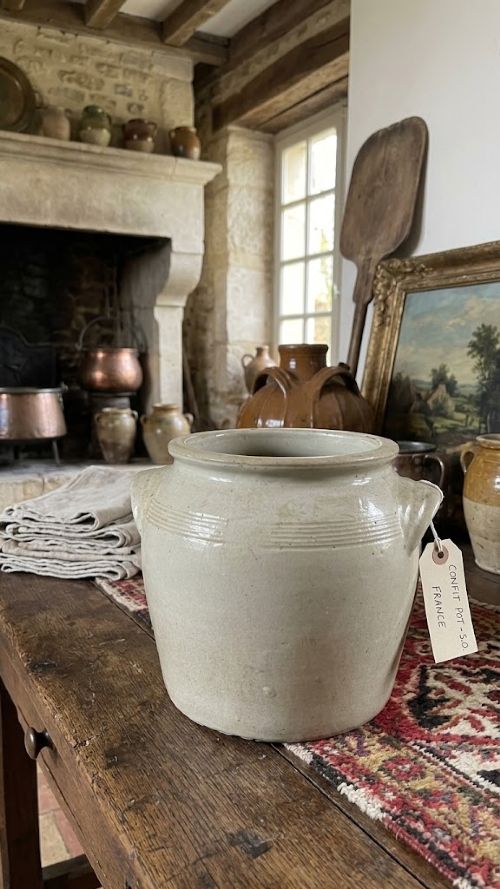
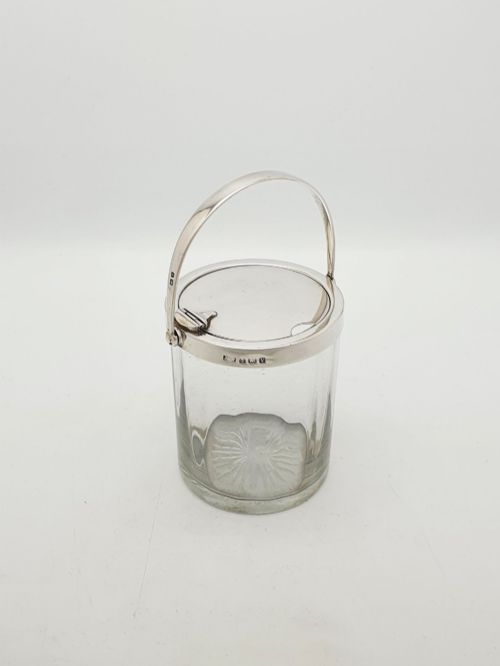
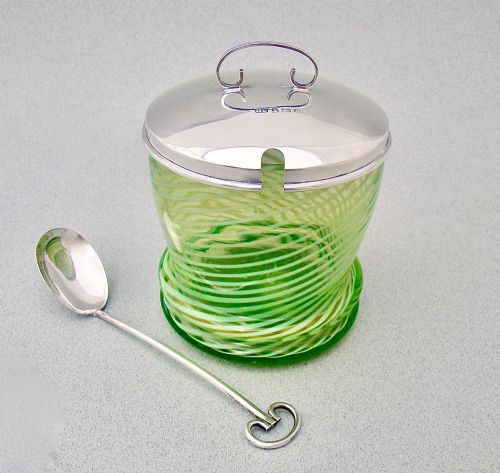
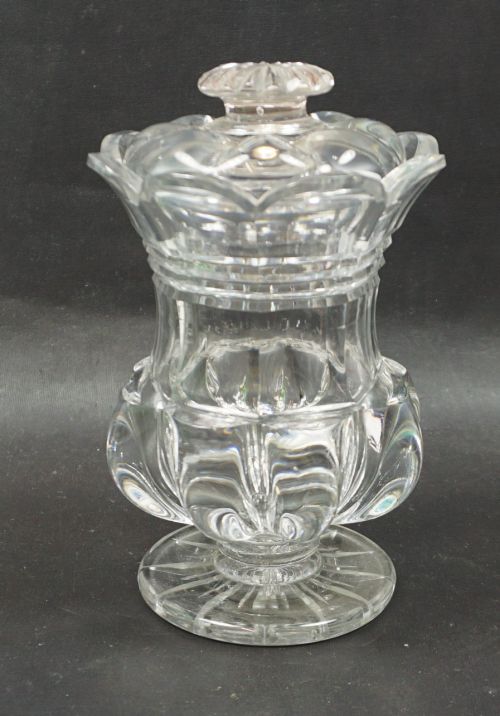
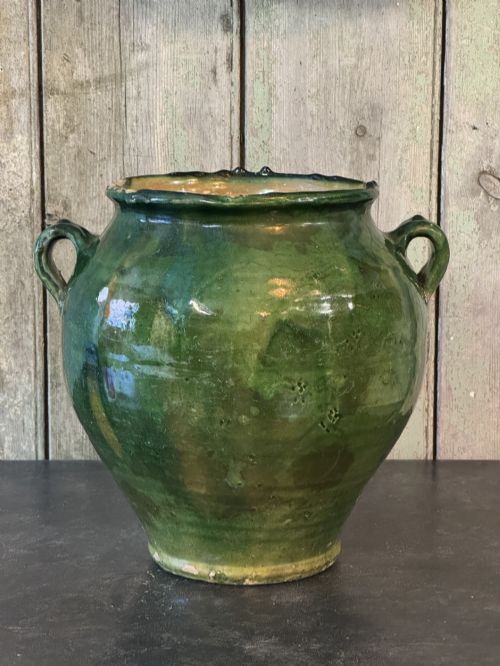
An antique preserving jar encompasses utilitarian storage vessels alongside refined tabletop condiment and jam containers from various historical periods. The selection ranges from robust French terracotta and green glass confit pots to cut glass and silver-mounted preserve jars.
Domestic and table forms dominate the material record, including biscuit barrels, mustard pots, and lidded butter dishes. Pieces date from the eighteenth century through the Art Deco era, reflecting both rural storage traditions and formal dining customs.
Materials and construction methods
Makers utilised blown glass, cut lead crystal, and glazed terracotta, often shaping vessels by hand for functional domestic use. Glass and ceramic bodies frequently feature applied metal mounts in sterling silver or silver plate.
Ceramic pieces combine local clays with traditional green or coloured glazes, whilst glass containers display wheel-cutting or moulded patterns characteristic of their period.
Antique Preserving Jar Retail Price Guide 2026
Typical asking prices for preserving jar among the pieces listed under this phrase on Sellingantiques today, from the lower quarter to the upper quarter. They describe what is for sale here now, not the wider market.
Listings feature items spanning the 18th century through the Art Deco period, incorporating materials like cranberry glass, terracotta, and sterling silver.
Distinguishing quality factors
Quality rests upon the clarity and weight of the glass, the precision of the metal mounts, and the condition of the glaze or ceramic body. Finer silver-mounted pieces show crisp hallmarks and secure fitting to the glass.
Artisanal variations in handmade terracotta and blown glass distinguish standard utilitarian items from more decorative tableware, with maker attribution adding distinct interest.
Hukin and Heath·Asprey and Co·Plichta Pottery·Richard Ginori·Wedgwood
The Antique Preserving Jar Glossary
- Confit pot
- A traditional French earthenware vessel used for preserving meat and other foods. These pots typically feature a partial or full glaze in colours such as green.
- Lead crystal
- A high-clarity glass containing metal oxides that increase brilliance and weight. It allows for deep, sharp wheel-cutting on condiment and preserve jars.
- Silver plate
- A base metal coated with a thin layer of silver. This technique provided the appearance of solid silver for mounts and stands on Edwardian and Art Deco tableware.
- Jasper ware
- A fine stoneware developed by Josiah Wedgwood, known for its matte surface and applied white neoclassical reliefs. It appears on decorative biscuit barrels.
Antique Preserving Jar: Frequently Asked Questions
What were antique preserving jars used for?
These vessels served diverse roles ranging from storing provisions in rural kitchens to holding jams, honey, and mustard on formal dining tables. Utilitarian jars contained confit or pickles, whilst smaller glass and silver pieces formed part of elaborate condiment sets.
Over time, many utilitarian storage vessels transitioned from pantry utility to decorative display objects in modern interiors. Tableware versions remained central to nineteenth and early twentieth-century dining rituals.
How do I date an antique preserving jar?
Dating relies on combining material analysis, stylistic traits, and any present metal hallmarks or maker marks. Georgian and Victorian pieces often exhibit distinct cut glass patterns or silver hallmarks indicating exact assay years.
French confit pots and pickling jars require assessing the consistency of the earthenware body, glaze opacity, and hand-forming irregularities. Later Art Deco and Edwardian examples show cleaner geometric lines or characteristic silver-plated mounts.
Are these jars safe for food use?
Whilst historic jars were designed for edible preserves, historic materials require careful evaluation before modern consumption use. Older glazes or lead crystal composition may necessitate caution depending on the specific piece.
Many collectors prefer to use these vessels for dry storage or display rather than wet food preservation. Gentle hand washing preserves both the historic glaze and any delicate metal mounts.
How do I clean glass and ceramic jars?
Cleaning requires warm water and mild soap, avoiding harsh abrasives that could damage historic glass surfaces or crazed ceramic glazes. Silver mounts need specific non-abrasive polishes applied carefully away from the glass or ceramic body.
Soaking should be kept minimal, particularly for antique earthenware or pieces with historic cork and metal components. Patting dry immediately prevents water spotting on both glass and silver elements.