

Antique Potting Accessories
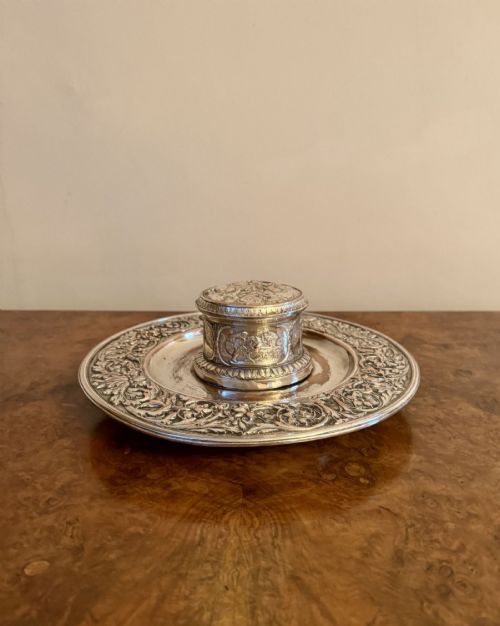
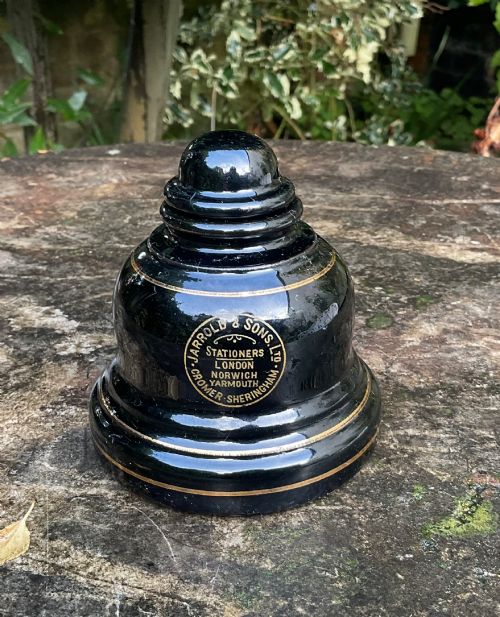
Antique potting accessories encompass small vessels and containers fashioned from silver, brass, porcelain, and wood.
Antique Potting Accessories
When you search for antique potting accessories, you encounter a varied selection of small vessels, pots, and containers intended for domestic and desk use.
The material evidence spans from the eighteenth century through the Edwardian period, incorporating desk furnishings, condiment pots, and small receptacles.
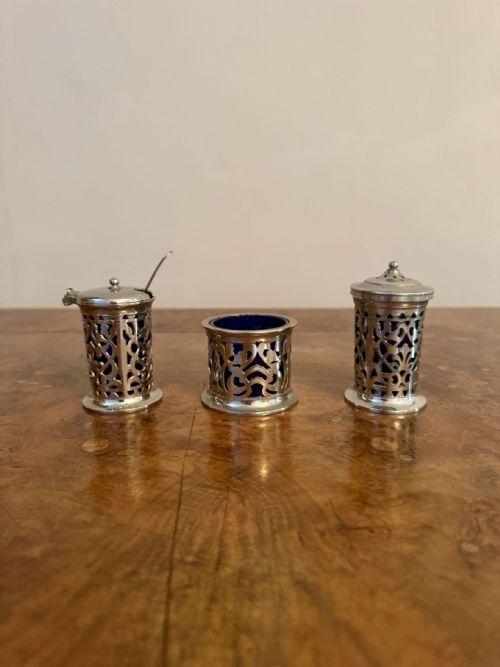
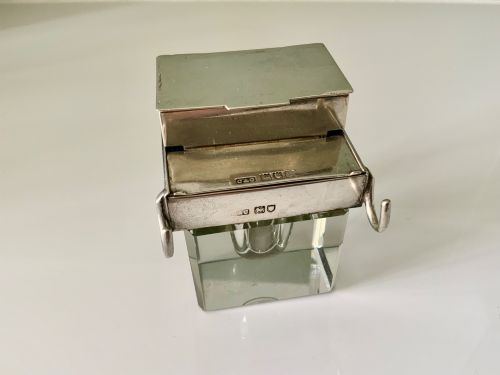
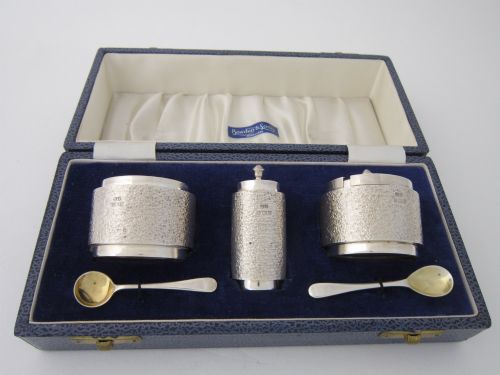
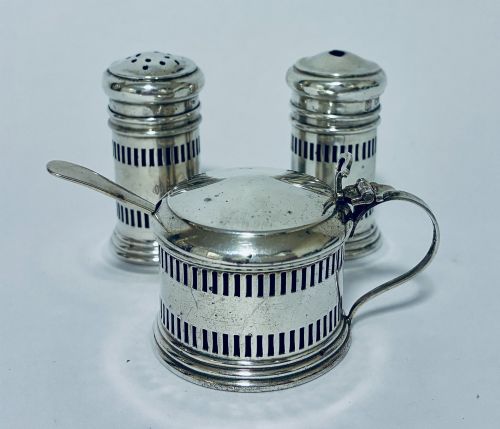
You are most likely to meet silver mustard pots, pepper pots, inkwells, and brush pots originating from Victorian and Edwardian workshops.
How they were made
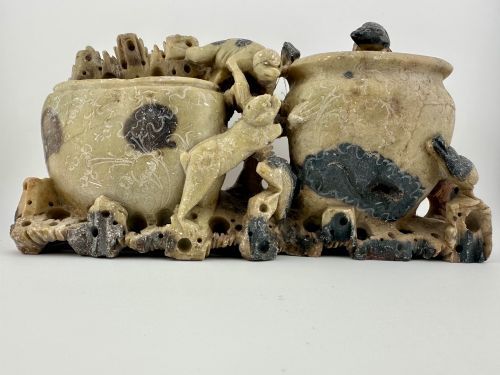
Makers utilised sterling silver, brass, copper, porcelain, and carved woods such as bamboo, soapstone, and hardwood.
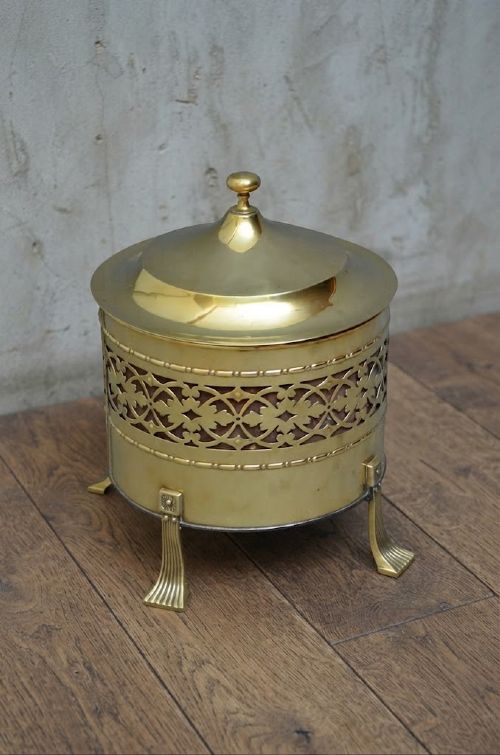
Metals were cast, hammered, and mounted with glass or enamel, while ceramics were thrown, glazed, and painted by hand.
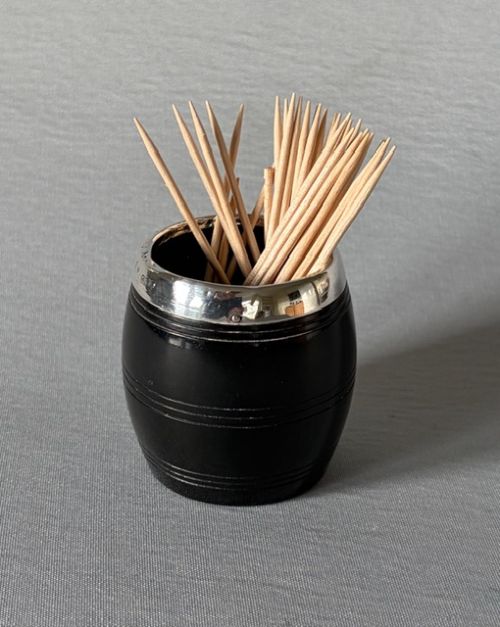
Carpentry techniques in wood pieces involved careful carving and turning to shape vessels like brush pots and tobacco holders.
Antique Potting Accessories Retail Price Guide 2026
Typical asking prices for potting accessories among the pieces listed under this phrase on Sellingantiques today, from the lower quarter to the upper quarter. They describe what is for sale here now, not the wider market.
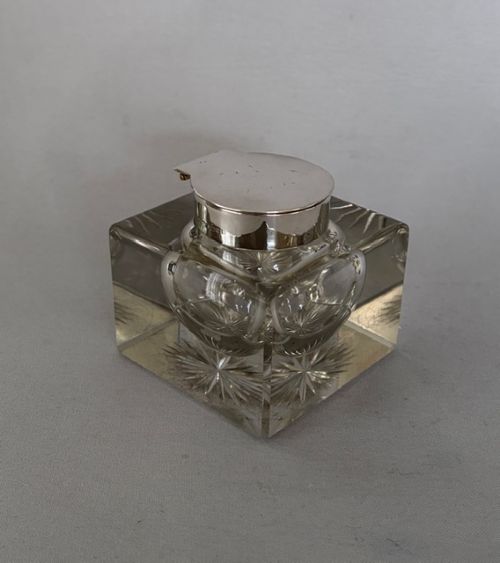
Materials span sterling silver, glass, brass, porcelain, copper, enamel, and cut glass across the nineteenth and early twentieth centuries.
What varies in quality
The standard of craftsmanship is seen in the crispness of chased silver details, the depth of carved soapstone and bamboo, and the clarity of cut glass.
Superior examples demonstrate refined proportions and well-executed mounts, whereas simpler items rely purely on utility.
The choice of material, from sterling silver and tortoiseshell to base brass and ceramic, defines the standing of each piece.
Edmé Samson·Henry Matthews·James Goodwin
The Antique Potting Accessories Glossary
- Pounce pot
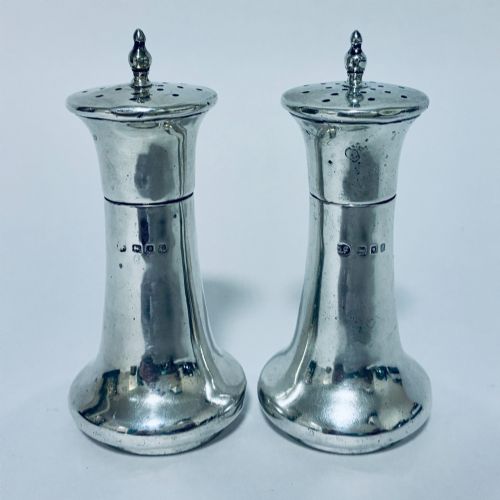
- A small shaker used to sprinkle sand or pounce powder over freshly written ink to speed up drying. These containers feature perforated lids.
- Cruet set
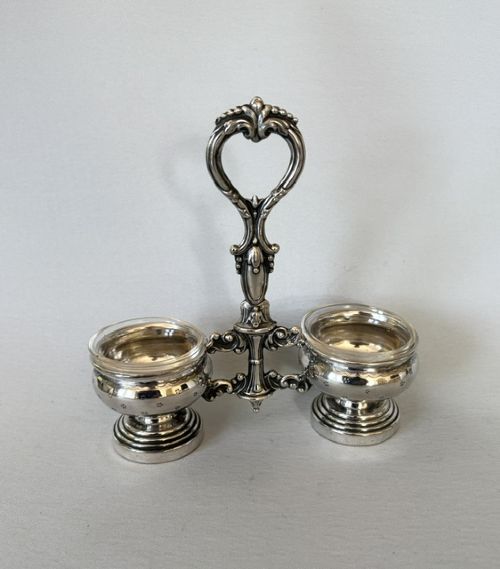
- A matched group of small bottles or pots designed to hold condiments like mustard, pepper, and salt for the dining table. They frequently sit in a silver or plated stand.
- Capstan inkwell
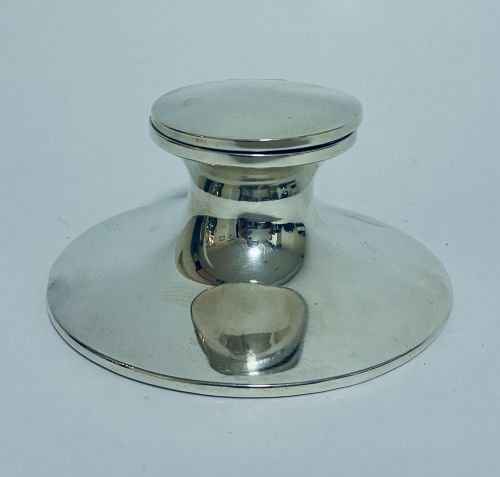
- An inkpot shaped like a ship's capstan, typically featuring a wide base that tapers upwards towards the lid. They often combine sterling silver with glass or tortoiseshell.
- Brush pot
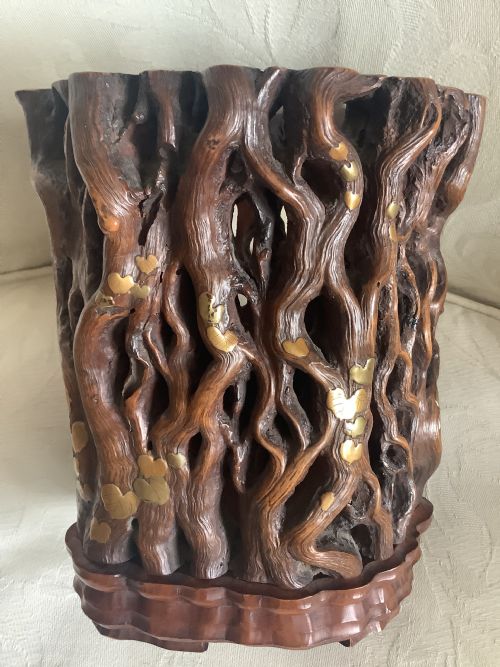
- A cylindrical vessel, known as a bitong in Chinese scholar's culture, used to hold writing brushes. They are carved from materials such as bamboo, hardwood, and porcelain.
- Guilloche enamel
- A decorative technique where a geometric pattern is mechanically engraved beneath a translucent layer of enamel. It appears on lids and desk accessories.
Antique Potting Accessories: Frequently Asked Questions
What are antique potting accessories used for?
These small vessels served practical roles in writing, dining, and household organisation across different centuries. They held ink, sand, condiments, or small dry goods.
Today, collectors repurpose them as desk ornaments, small planters, or decorative storage for modern spaces.
How do I identify a Victorian piece?
Victorian items often display heavy ornamentation, characteristic hallmarks on silver components, and distinct styles spanning Gothic revival to grand tour brasswork.
Examining the underlying materials and manufacturing techniques helps distinguish them from earlier Georgian or later Edwardian examples.
Are these items made of solid silver?
Many desk accessories and condiment pots utilise sterling silver, which is indicated by specific town marks and lion passant hallmarks. Other pieces consist of silver plate, brass, copper, or porcelain.
Checking the base and interior reveals the primary metal construction beneath any secondary mounts.
How should I clean brass accessories?
Brass vessels and desk items require gentle dusting with a soft cloth to preserve their aged patina. Avoid harsh chemical polishes that strip historical surface character.
Periodic application of microcrystalline wax can protect exposed metal surfaces from further oxidation.