

Antique Pottery with Lid
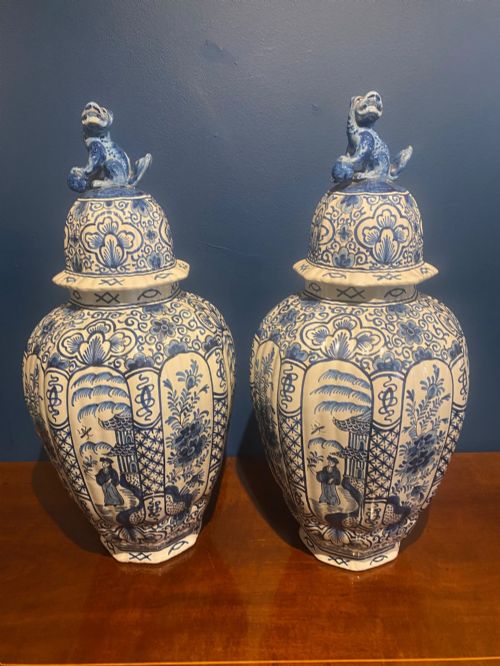
Antique pottery with lid brings functional lidded vessels in earthenware, stoneware and ceramic from the eighteenth and nineteenth centuries to your table and mantel.
Antique Pottery with Lid
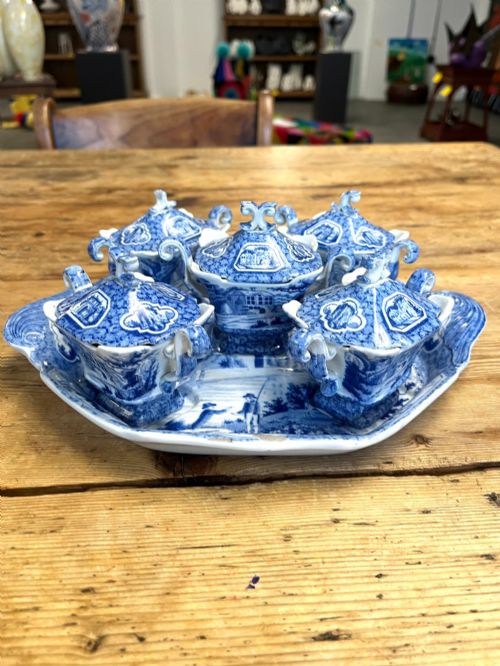
When you search for antique pottery with lid, you encounter practical and decorative lidded vessels spanning the eighteenth and nineteenth centuries. These pieces encompass everything from kitchen storage to formal tablewares and decorative ornaments.
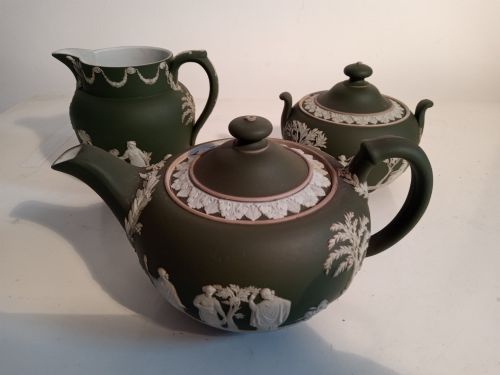
The selection on this page leans heavily toward nineteenth century production, featuring Victorian styles alongside continental faience and majolica. You will find utilitarian items like mustard pots and water jugs sitting alongside decorative urns and vases.
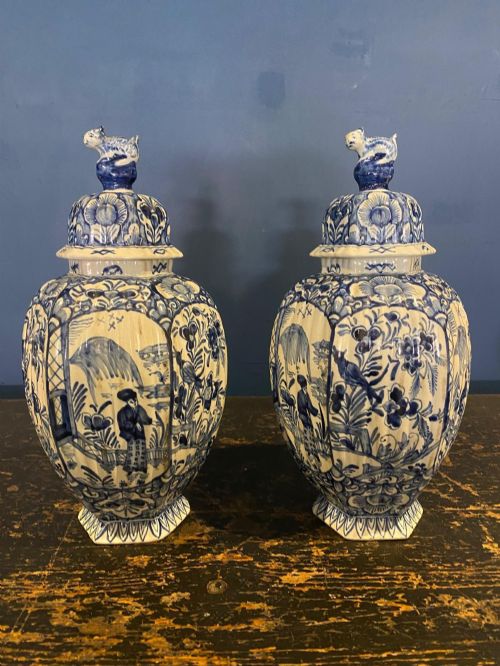
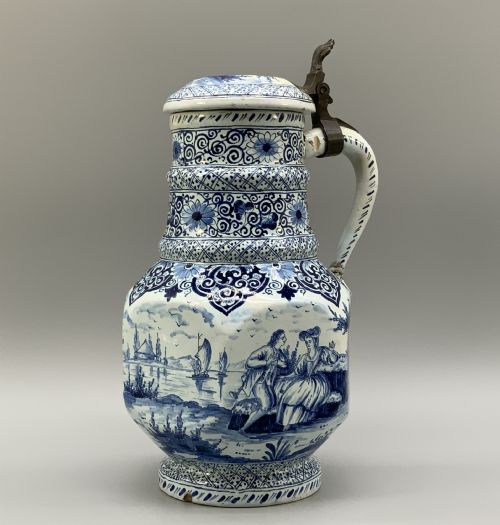
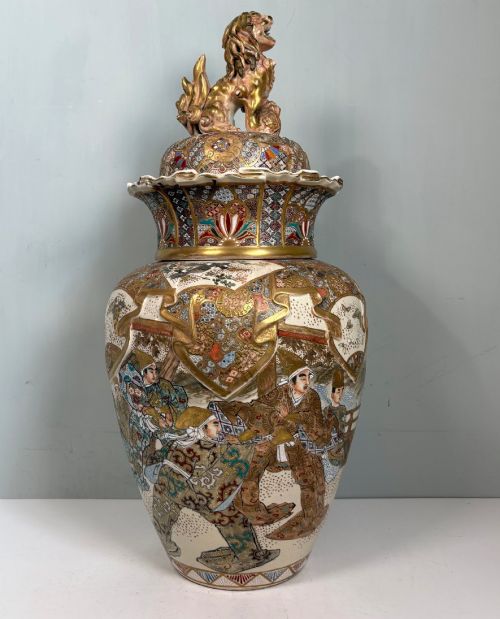
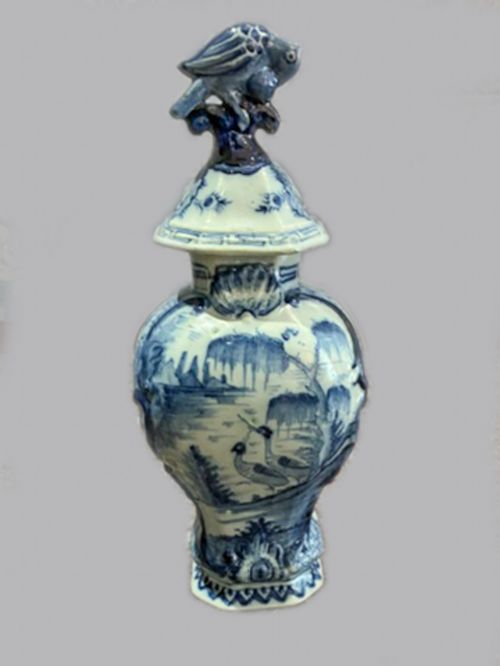
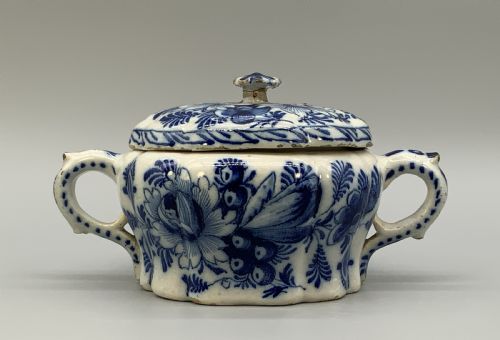
Origins vary widely across Europe and Asia, taking in English earthenware, Dutch Delft, French faience, Chinese porcelain and Japanese Satsuma. Each piece brings the specific ceramic tradition of its maker and period to the form.
How they were made
Makers shaped these vessels using earthenware, stoneware or ceramic bodies, often applying tin glaze, salt glaze or transfer print decoration. Potters formed the clay by hand or on the wheel before firing in kilns.
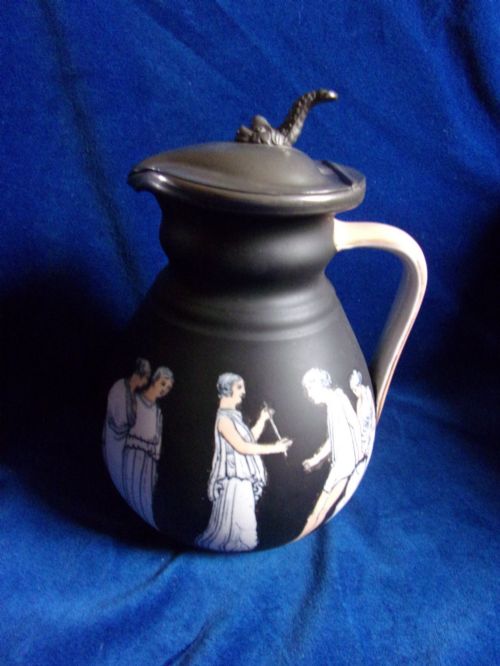
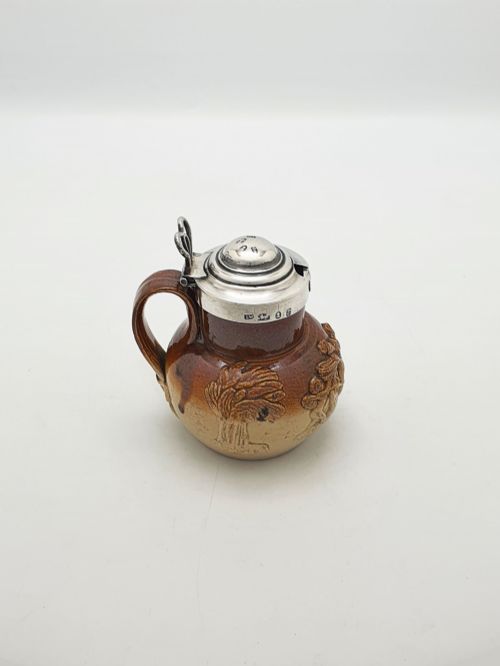
Lids required precise fitting to the vessel neck, frequently incorporating metal mounts in pewter, sterling silver or silver plate with hinged attachments. Artisans painted designs by hand or applied transfer prints before final glazing.
Antique Pottery with Lid Retail Price Guide 2026
Typical asking prices for pottery with lid among the pieces listed under this phrase on Sellingantiques today, from the lower quarter to the upper quarter. They describe what is for sale here now, not the wider market.
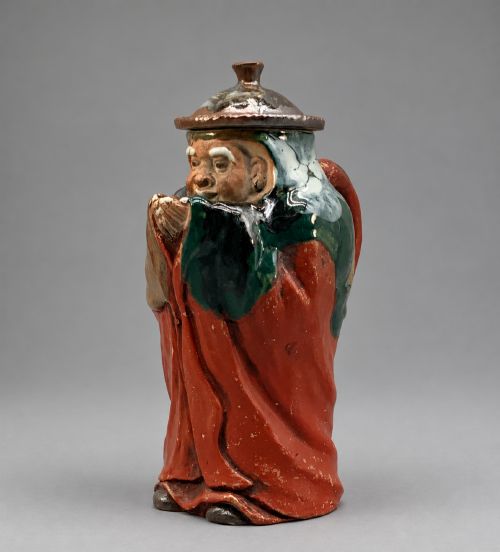
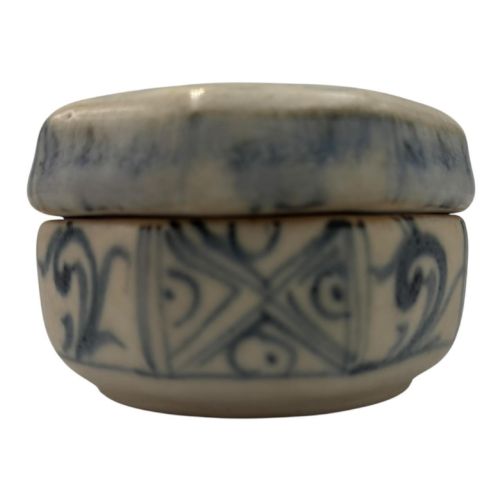
A tiny Japanese incense burner with its original lid manages to contain centuries of quiet ritual on a tabletop.
What varies in quality
Quality rests in the crispness of the ceramic moulding and the precision of the hand-painted or transfer-printed decoration. Finer pieces display clear, well-defined glazing without excessive pooling or kiln distortion.
The integrity of the lidded mechanism separates standard vessels from finer examples, particularly where metal collars, hinges and mounts are integrated into the design. Original matching lids that sit flush and secure add considerably to the integrity of the piece.
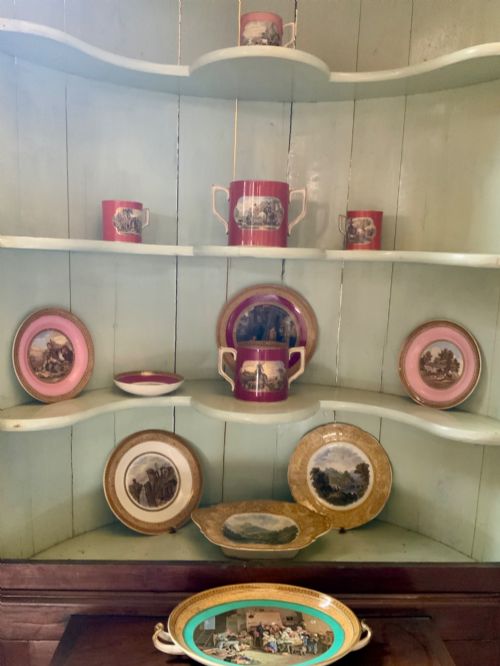
Royal Doulton·Kotobuki do·Pratt Ware
The Antique Pottery with Lid Glossary
- Tin-Glazed Earthenware
- Pottery covered with a glaze containing tin oxide, producing a white and opaque surface suitable for painting. This technique underpins traditional Delft and faience production.
- Salt Glaze
- A vitreous coating formed by throwing common salt into the kiln during high-temperature firing. This creates a distinctive textured surface resembling orange peel on stoneware.
- Posset Pot
- A spouted vessel with handles and a lid, historically used for serving a hot drink curdled with milk and wine. These pieces date predominantly to the eighteenth century.
- Maiolica
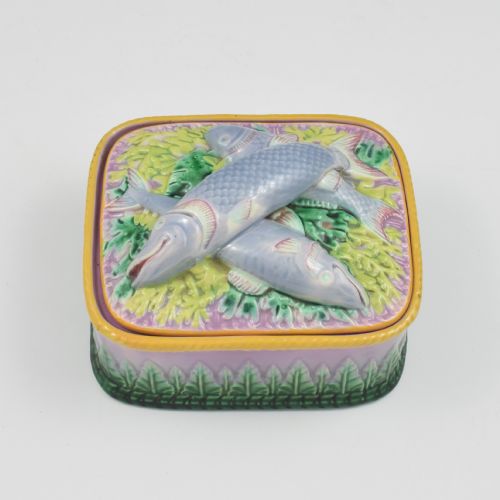
- Tin-glazed earthenware produced in Italy and other parts of Europe, known for colourful painted decoration. Victorian examples often adopt Renaissance Revival styles.
- Transfer Print
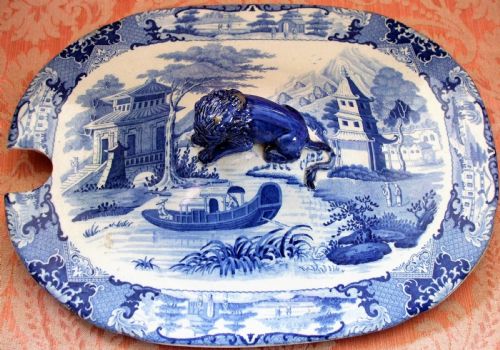
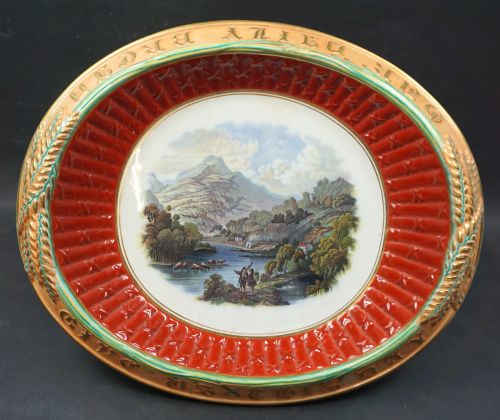
- A decoration method where an engraved metal plate transfers a design onto paper, which is then stamped onto the ceramic body. This technique allowed intricate blue and white patterns on nineteenth century tablewares.
Antique Pottery with Lid: Frequently Asked Questions
How do I date an antique lidded pot?
Dating relies on stylistic markers, ceramic bodies and the nature of the glaze or metal mountings. Eighteenth century pieces often show tin-glazed earthenware or Delft characteristics, while nineteenth century items frequently display transfer printing or Victorian revival styles.
Examine the base and interior surfaces for manufacturing marks, potting techniques and wear patterns. Metal components like pewter or silver collars provide additional dating clues through hallmarks and construction methods.
Were these lidded pots used for food?
Many lidded vessels served direct domestic and culinary purposes, including mustard pots, water jugs, posset pots and tureens. Stoneware and earthenware variants handled daily provisions on the dining table or in the pantry.
Other forms, such as incense burners, decorative urns and covered vases, served purely ornamental functions in nineteenth century parlours. Examining the interior glaze and scale helps determine whether a vessel held provisions or served as display.
Are lids usually original to the base?
Lids sometimes become separated from their pots over centuries of use, making original matching pairs a key consideration. Check that the glaze colour, clay body and wear patterns match consistently between the lid and the base.
Metal mounts fitted to collars and hinges often show integrated construction that confirms the pairing. Close inspection reveals whether a lid belongs to the vessel or represents a later replacement.