





Antique Pottery Mug
An antique pottery mug brings tactile history to the table, offering a glimpse into everyday social customs through robust ceramic vessels shaped by centuries of use.
Antique Pottery Mug
An antique pottery mug encompasses drinking vessels designed for ale, beer and commemorative toasts, spanning centuries of domestic and tavern life. When searching this phrase, collectors encounter various forms ranging from simple domestic vessels to elaborate commemorative pieces.
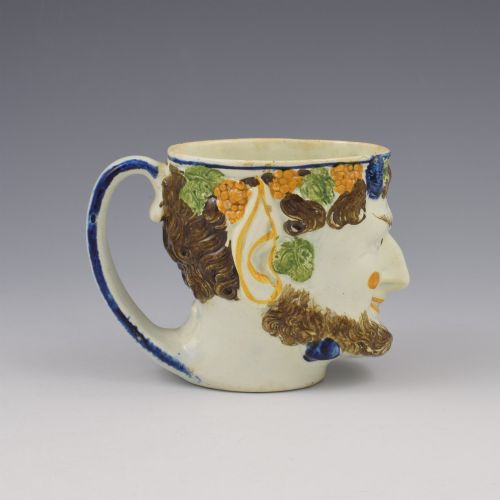
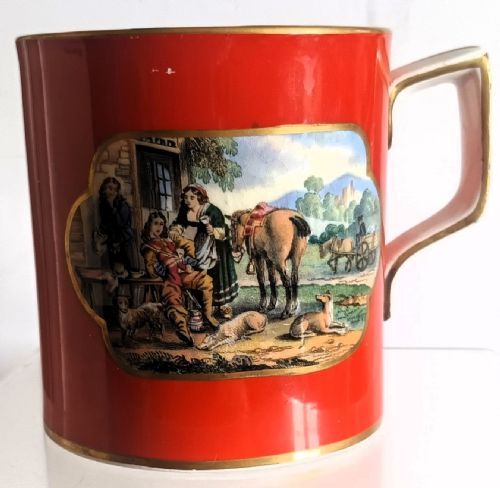
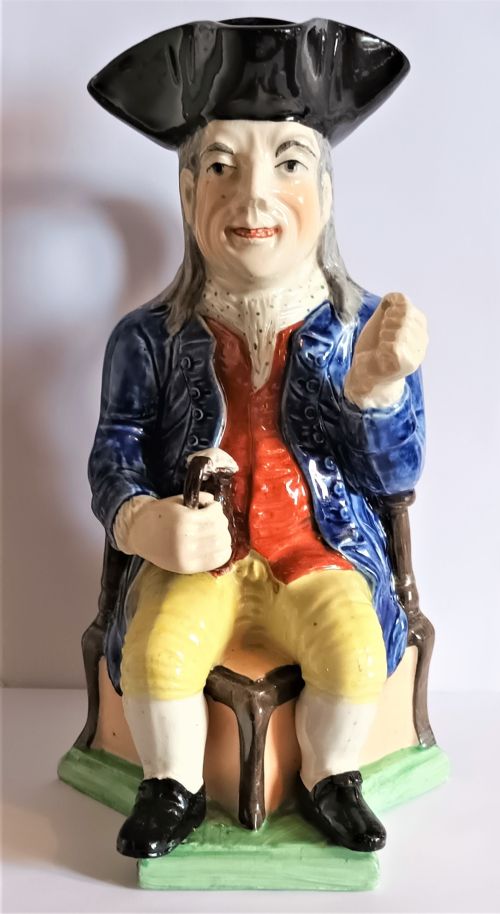
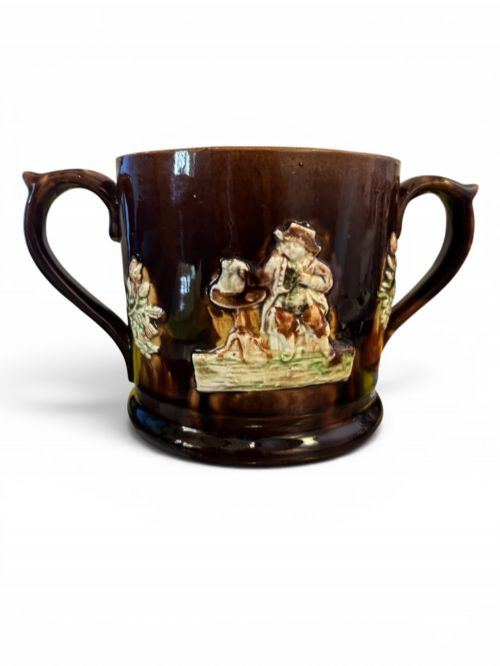
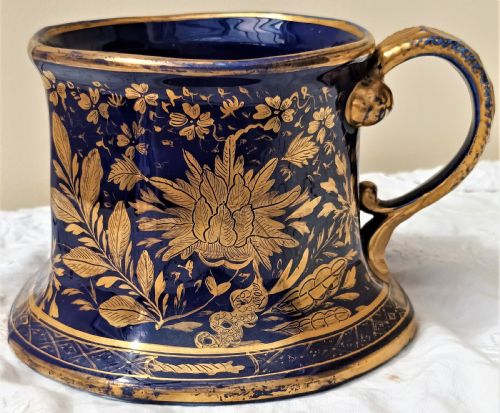
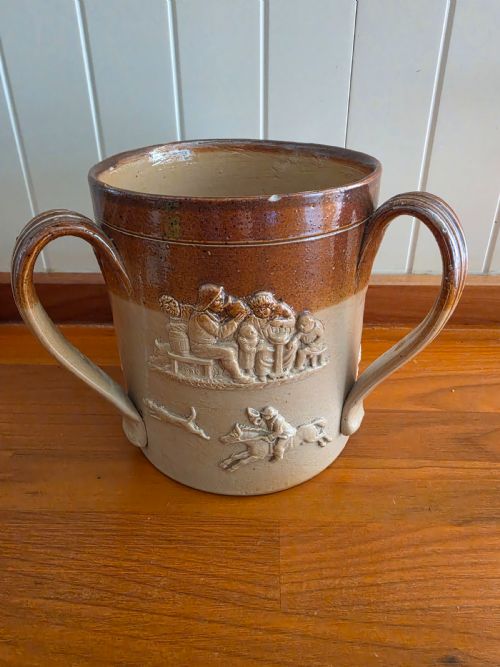
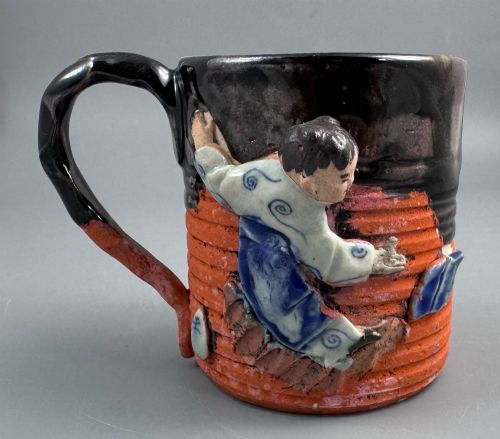
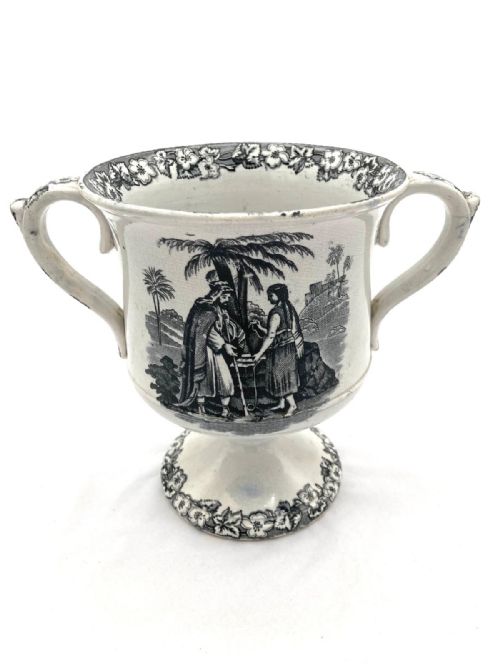
The pieces appearing on this page stretch from the seventeenth century through to the early twentieth century, taking the shape of mugs, tankards, tygs, and loving cups. Earthenware, pearlware, and heavy stoneware dominate the selection, reflecting both English country pottery traditions and continental European output.
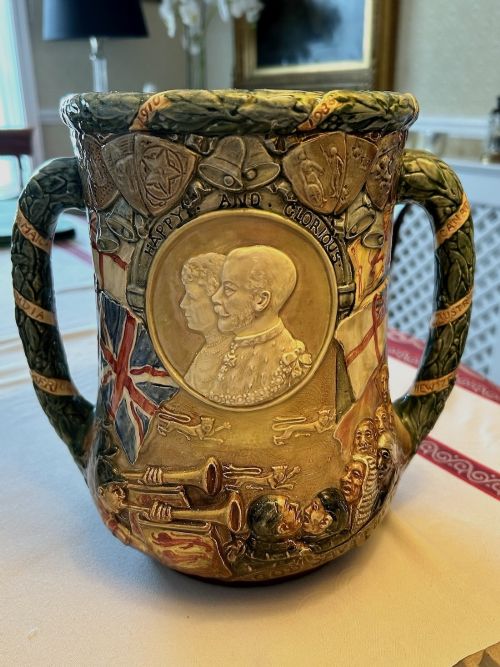
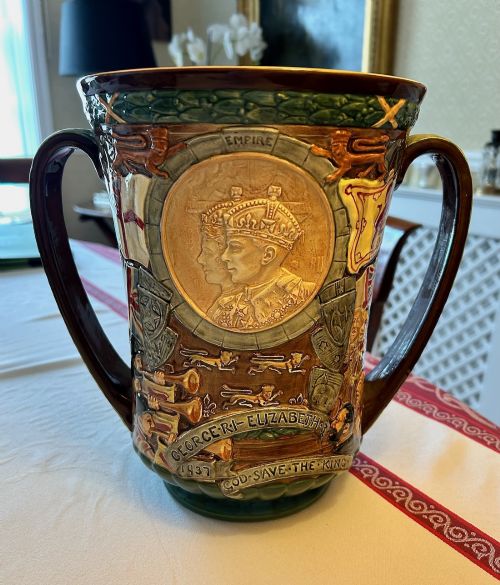
Among the most characteristic variants are surprise frog mugs, featuring moulded ceramic amphibians inside that appear as the drinker finishes the beverage. Commemorative jugs marking royal coronations and jubilees also form a significant strand of the available inventory.
Materials and construction
Potters relied primarily on earthenware, pearlware, and dense salt-glazed stoneware to form the body of each vessel, often shaping them on a wheel or moulding them in multi-part moulds. Stoneware pieces required high-firing temperatures to achieve vitrification, rendering them impermeable and durable enough for heavy daily service.
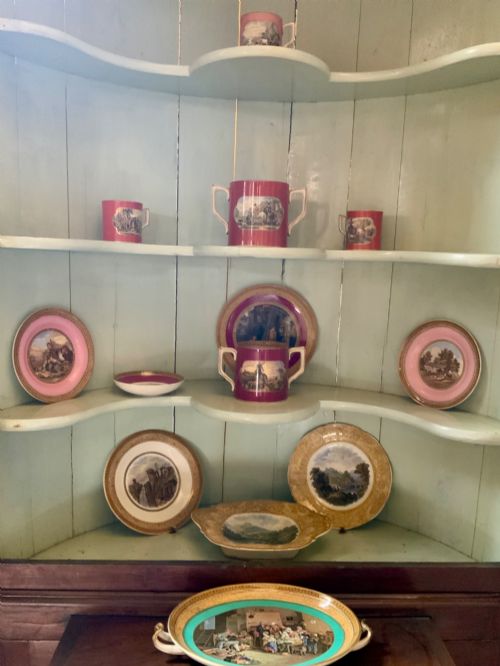
Surface decoration involved hand-painting in polychrome or blue and white, transfer printing with historical or hunting scenes, and applied relief work such as leaves or figures. Glazes ranged from simple lead-based coats on early earthenwares to specialised salt glazes that produced pitted, pebble-like textures on German and English stonewares.
Materials represented include traditional earthenware, pearlware, ironstone, and salt-glazed stoneware with applied relief work.
Distinguishing quality
The presence of artist signatures, specific institutional commissioning details, or unusual structural elements like multiple handles elevates a piece beyond standard utilitarian output. Superior throwing technique results in balanced walls that feel substantial yet appropriate in the hand.
Royal Doulton·Doulton Lambeth·Mason's Ironstone·Inoue Ryōsai Workshop·Sarreguemines·Copeland
The Antique Pottery Mug Glossary
- Tyg
- A multihandled drinking vessel, typically featuring three or four loop handles designed so multiple drinkers could share the cup. These date back to the seventeenth century and earlier.
- Pearlware
- A refined earthenware developed in the late eighteenth century by Staffordshire potters, characterised by a bluish-white glaze that pooled subtly in recesses.
- Staffordshire
- A major English ceramic-producing area known for figures, jugs, and pearlware items created by numerous regional potteries during the Georgian and Victorian eras.
- Westerwald
- A German ceramic region famous for salt-glazed stoneware vessels decorated with cobalt blue incisions and stamped geometric patterns.
- Prattware
- An early type of English earthenware decorated under the glaze with restricted mineral colours, typically blues, ochres, and browns.
- Sall-glaze
- A finishing technique where common salt was thrown into the kiln during high-temperature firing, vapourising to form a durable glassy coating on stoneware.
Antique Pottery Mug: Frequently Asked Questions
What is a frog mug?
A frog mug is a drinking vessel containing a small ceramic frog modelled inside near the bottom, designed to surprise the drinker as the liquid drained.
These novelty mugs date primarily to the eighteenth and nineteenth centuries and were popular in English taverns for drinking games and practical jokes.
How do I date an old mug?
Dating relies on examining the ceramic body, glaze characteristics, and any transfer-printed or hand-painted decorative motifs. Pearlware bodies and specific transfer patterns often point toward the Georgian era, while heavy salt-glazed stonewares suggest earlier periods.
Makers' marks, commemorative inscriptions, and stylistic traits like Victorian moulding further narrow the decade of manufacture.
Can I use an antique mug?
Using antique pottery for drinking is generally discouraged due to the porous nature of early earthenwares and the presence of lead in historic glazes. Chemical leaching from older ceramic bodies poses potential health risks with modern acidic beverages.
These vessels are best appreciated as decorative historic objects rather than functional kitchenware.
What is a loving cup?
A loving cup is a large ceramic drinking vessel equipped with two or more handles, intended for passing around a group during toasts and celebrations. They were frequently commissioned to mark weddings, coronations, or club memberships.
The multiple handles allowed each person to hold the vessel securely with both hands while sharing the drink.
What is salt-glazed stoneware?
Salt-glazed stoneware is a hard, vitrified ceramic created by throwing common salt into the kiln at the peak of the firing process. The sodium reacts with the clay body to form a durable, slightly textured glaze.
This technique produced robust vessels that resisted moisture and chemicals, making them ideal for storing and consuming liquids.