
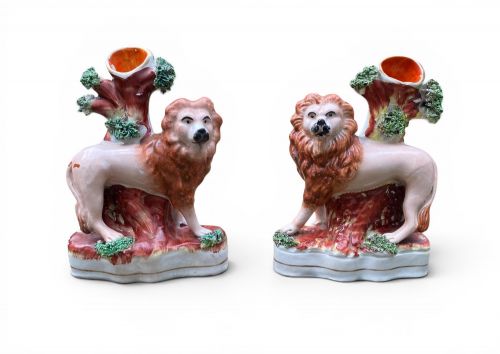


Antique Pottery Mantel Ornament
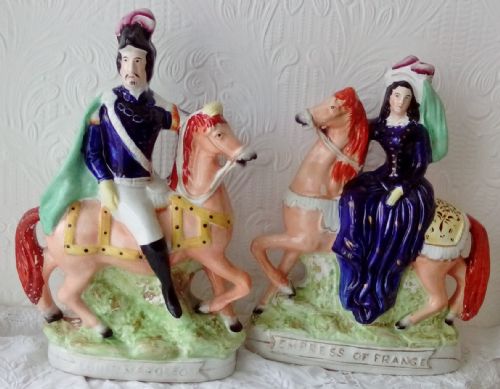
An antique pottery mantel ornament brings nineteenth-century hearths to life through glazed ceramic figures of dogs, lions and historical subjects.
Antique Pottery Mantel Ornament
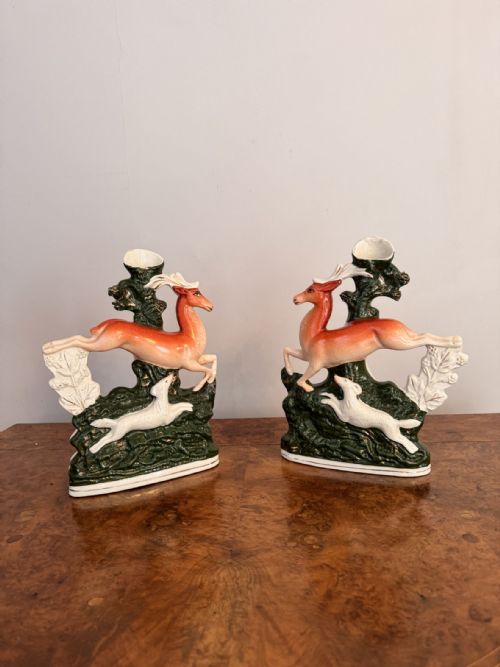
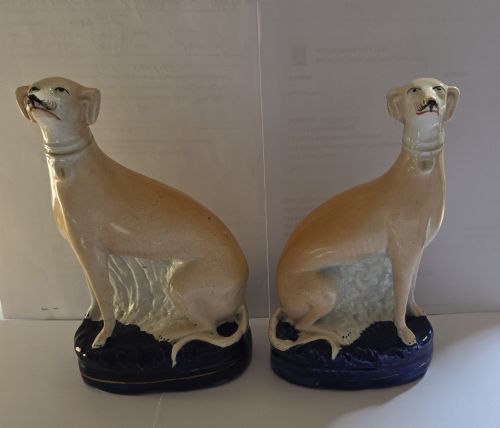
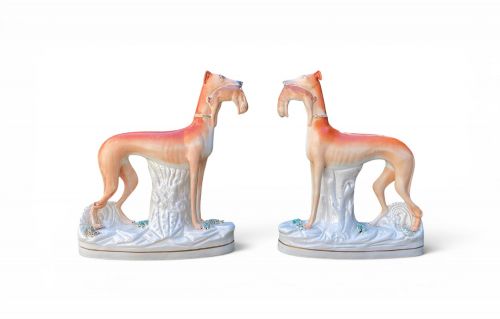
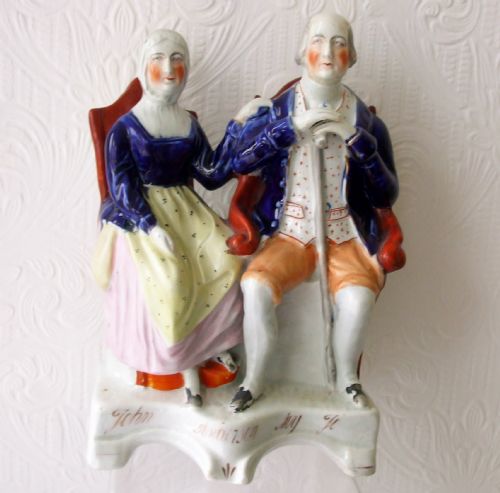
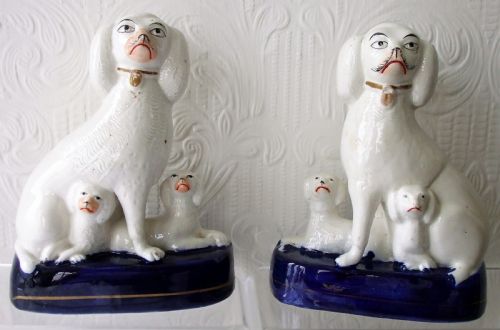
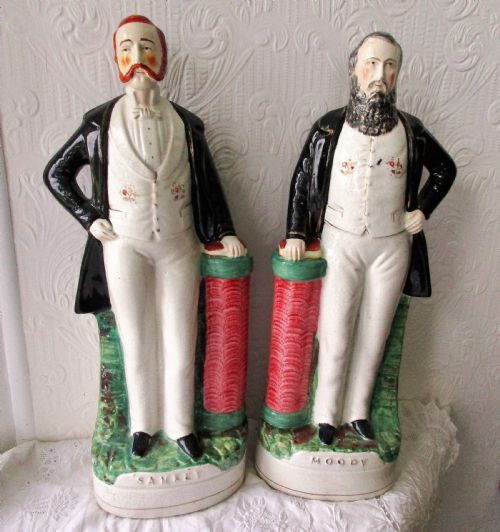
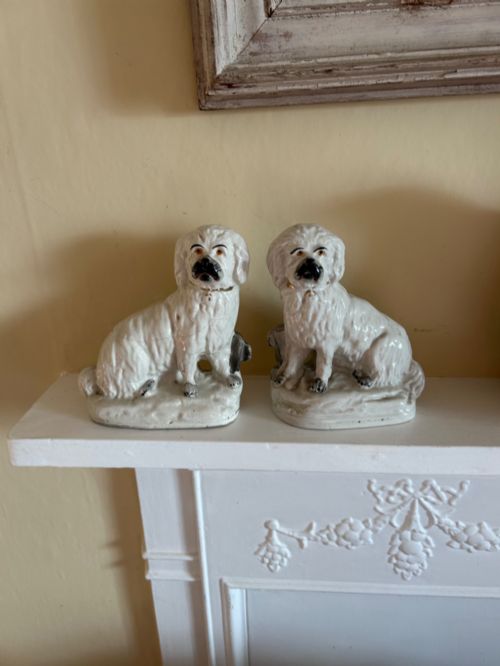
An antique pottery mantel ornament represents the domestic decorative figures placed upon nineteenth-century fireplace ledges across British homes. These pieces capture the Victorian appetite for animal sculptures, portrait figures and romantic subjects designed for display in the home. Buyers frequently encounter pairs of seated spaniels, greyhounds, poodles and lions intended to flank a central clock or grate.
The selections span the nineteenth century, with strong representation from the Victorian era alongside earlier Regency examples. Common formats include flatback figures meant to be viewed from the front, alongside hollow spill vases that doubled as holders for taper matches. Animal groups often incorporate painted details, gold leaf accents or copper lustre finishes.
How They Were Made
Potters shaped these earthenware pieces using press moulds before applying lead glazes and ceramic colours. Artisans added surface interest through enamel paint, gold leaf highlights and rich copper lustre coatings.
Most figures received a flat, unglazed back because they were positioned directly against a wall on a mantelpiece. After initial shaping and drying, the ceramic body underwent kiln firing to set the glaze and fix the painted decorations.
The inventory encompasses spill vases, flatback figures, bookends and decorative animal pairs.
What Varies in Quality
The crispness of the moulding dictates the clarity of facial expressions and coat textures on animal figures. Softer contours often indicate worn moulds or hurried production runs from provincial potteries.
Hand-painted enamel work introduces further distinction, where steady brushstrokes on eyes and gilt collars separate standard wares from finer sculptural examples.
Thomas Parr
The Antique Pottery Mantel Ornament Glossary
- Flatback
- A figure moulded with a finished front and a plain, flat reverse intended to stand against a wall. This construction method saved clay and reduced weight for mantel display.
- Spill vase
- A hollow ceramic vessel incorporating a small holder designed to contain wooden taper spills used for lighting pipes or candles. These useful cylinders sit alongside or behind the main animal or human figure.
- Copper lustre
- A metallic glaze technique producing a warm, reflective copper sheen across the ceramic surface. Potters applied this finish to accent collars, bases and decorative borders.
- Earthenware
- A porous, fired clay body that requires a protective glaze to hold liquids and accept enamel painting. This material forms the structural base for the vast majority of nineteenth-century mantel figures.
Antique Pottery Mantel Ornament: Frequently Asked Questions
Where were these figures made?
The majority originate from the Staffordshire pottery district in England, where specialist factories produced domestic ornaments on an industrial scale.
Production spanned small country potteries as well as larger named workshops operating throughout the nineteenth century.
How do you style them at home?
Pairs of matching dogs or figures look most effective when arranged symmetrically on a mantelpiece, shelf or sideboard. They add immediate traditional character to period and modern interiors alike.
Placing them where natural light catches the enamel paint and gilt highlights helps reveal the hand-painted details.
How do I date an antique mantel ornament?
Dating relies on stylistic clues, ceramic body composition, and the specific glazing techniques used during manufacture. Regency pieces often show different pearlware characteristics compared to later Victorian earthenware.
Clothing styles on human figures and the presence of flatback construction help narrow the period of production down to specific decades.