




Antique Pottery Flagon
An antique pottery flagon brings heavy utilitarian craft and centuries of drink history straight to your table.
Antique Pottery Flagon
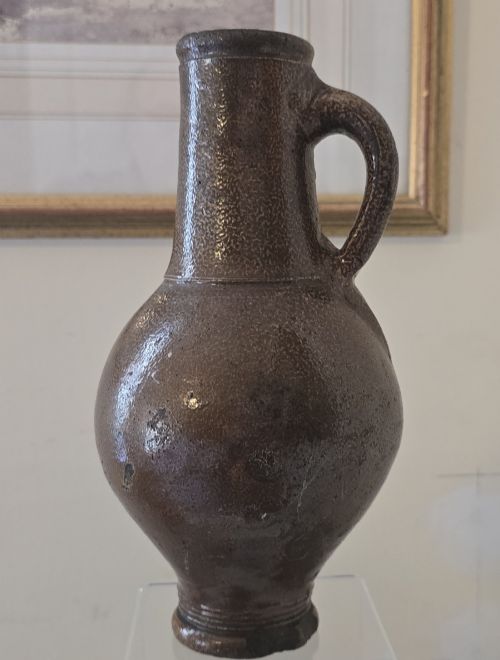
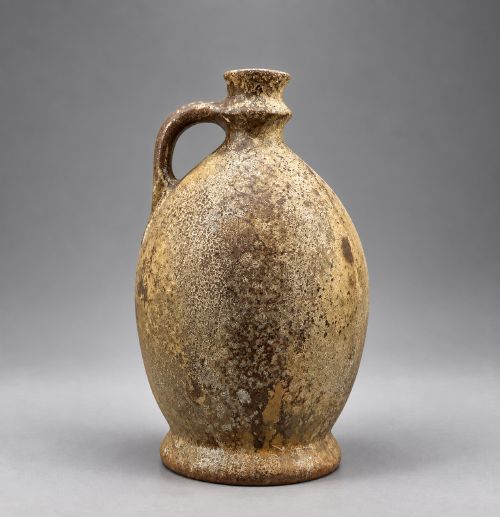
An antique pottery flagon is a sturdy vessel made for storing and pouring liquids, appearing across domestic and tavern settings in various sizes and forms. When you search for an antique pottery flagon, you find stout bottles, handled jugs, and whisky flasks that survived centuries of daily utility.
The selections span several distinct eras, stretching from seventeenth-century London salt glaze down to Victorian ceramic carafes and twentieth-century flasks. You meet pieces originating from English potteries as well as German workshops, reflecting regional variations in shape and handle placement.
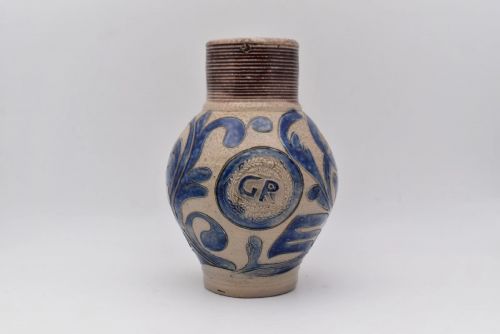
Forms shift between straightforward cylindrical bottles with loop handles and decorated tavern jugs featuring royal ciphers or sporting motifs. Many examples served functional roles for wine, oil, mustard, or spirits before finding a place in modern collections.
How They Were Made
Potters shaped these vessels from heavy clay, stoneware, and earthenware, throwing them on a wheel to achieve thick, impermeable walls suited for holding liquids safely. Artisans applied salt glaze during the firing process to create a textured, pitted surface that resisted moisture and chemical corrosion.
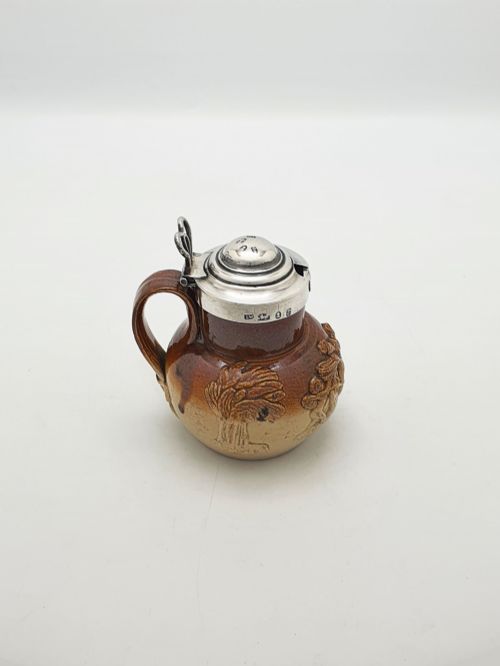
Some pieces received brown glazes, slipware decoration, or moulded motifs such as royal ciphers and golfing scenes pressed directly into the damp clay body. Metal additions like sterling silver collars and hinged lids were occasionally fitted to finer mustard pots and spirit containers after the initial ceramic firing.
Antique Pottery Flagon Retail Price Guide 2026
Typical asking prices for pottery flagon among the pieces listed under this phrase on Sellingantiques today, from the lower quarter to the upper quarter. They describe what is for sale here now, not the wider market.
One nineteenth-century flask combines heavy brown glaze with a dedicated golfing motif, proving that early drinkers loved their sport just as much as their whisky.
What Varies in Quality
Quality rests in the crispness of the moulded details, the evenness of the salt glaze texture, and the structural integrity of the heavy body. Early seventeenth-century London stoneware and German Westerwald vessels demonstrate superior throwing skill and sharper historical ornamentation compared to routine utilitarian output.
The presence of intact original fittings, such as silver collars or loop handles, elevates a piece significantly beyond standard examples that lost their auxiliary parts. Surface character also plays a role, where natural patination and clear maker stamps or cipher marks distinguish notable output from anonymous workshop stock.
John Dwight Fulham Pottery·Royal Doulton·Port Dundass
The Antique Pottery Flagon Glossary
- Salt Glaze
- A vitreous coating formed by throwing common salt into the kiln at high temperatures during firing. This chemical reaction creates a characteristic orange-peel texture across the stoneware body.
- Stoneware
- A hard, dense pottery fired at high temperatures until the clay body vitrifies and becomes completely non-porous. It provides exceptional durability for holding liquids without needing an internal lead glaze.
- Slipware
- Pottery decorated with slip, which is a liquid clay mixture applied to the damp vessel body before firing. Artisans use this technique to draw lines or create contrasting surface patterns.
- Westerwald
- A historic German ceramic region renowned for producing salt-glazed stoneware vessels featuring cobalt blue decoration and impressed heraldic designs. These items were widely exported to Britain.
- Royal Cipher
- Monogram or initials of a reigning monarch stamped or moulded onto pottery to indicate official capacity or royal approval. Examples often appear on tavern jugs and excise vessels.
Antique Pottery Flagon: Frequently Asked Questions
What were antique pottery flagons used for?
These vessels held everyday liquids such as wine, oil, beer, and water in domestic homes and busy taverns. Strong stoneware and thick walls kept contents secure during transport and storage.
Later Victorian versions functioned specifically as spirit flasks and carafes for whisky or mustard. Their sturdy build ensured they survived constant handling across generations.
How do I clean a salt glazed flagon?
Wash salt glazed stoneware gently with warm water and a soft cloth to protect the historic surface patination. Avoid harsh chemical cleaners that can damage the porous clay or aged glaze.
Dry the vessel thoroughly after washing to prevent moisture from settling into any old hairline fractures. Treat the heavy ceramic with care to preserve its original texture.
How can I tell a seventeenth-century flagon apart from a nineteenth-century one?
Early seventeenth-century pieces, such as those from London or German kilns, typically feature raw salt glaze finishes with mottled textures and simple loop handles. Their forms are often heavier and utilitarian.
Nineteenth-century examples introduce refined brown glazes, detailed moulded motifs like sporting scenes, and fitted metal collars. Factory markings from established potteries also appear more frequently on later items.
Can I still use these antique flagons for drinks?
Using antique pottery flagons for consumption is generally discouraged due to potential hairline cracks and historical lead content in certain glazes. They are best appreciated as decorative historical objects.
Displaying them on a shelf or tabletop highlights their rugged form without risking damage to the fragile ceramic body. Proper care ensures the vessel survives intact for the future.