


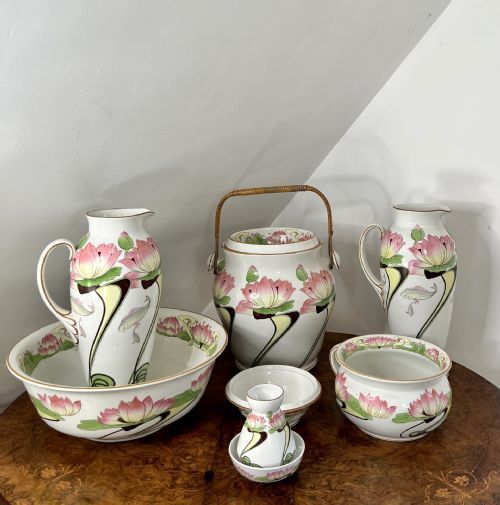


Antique Pottery Ewer
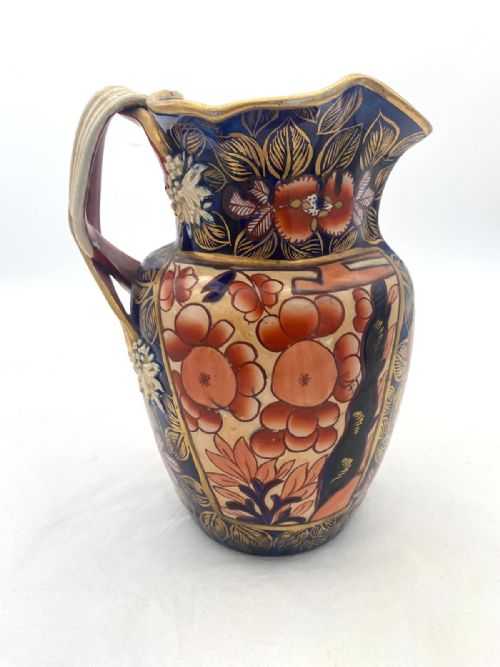
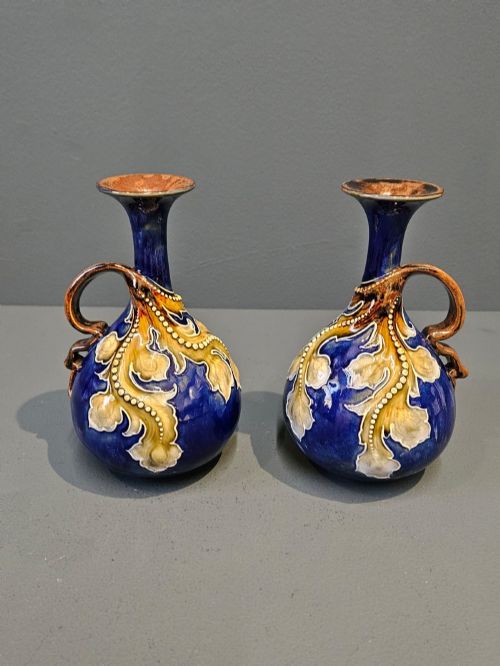
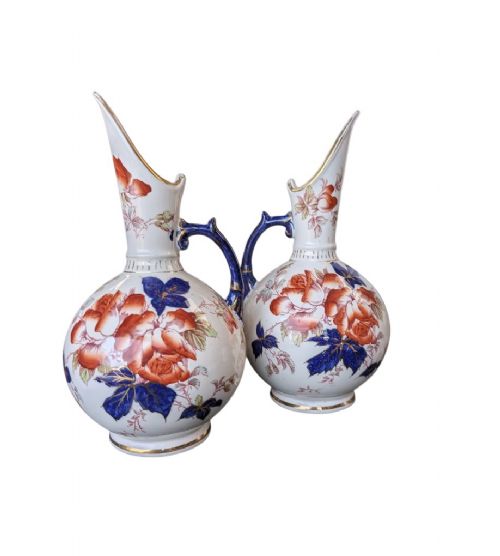
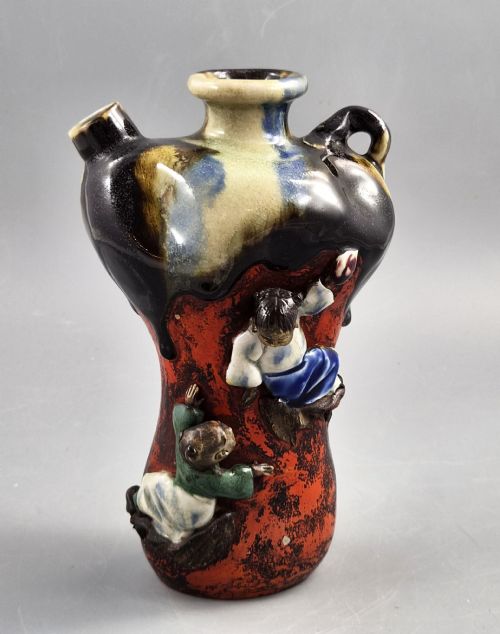
An antique pottery ewer stands ready to anchor a room, bringing tactile weight and historic form to any mantel or table.
Antique Pottery Ewer
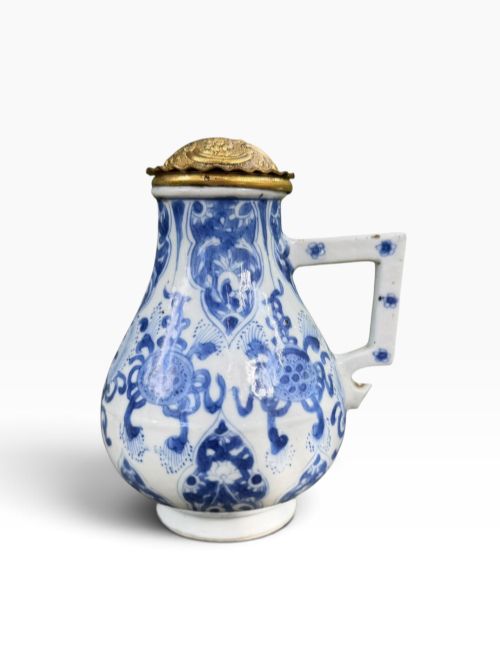
The antique pottery ewer encompasses poured vessels and water pitchers originating from Georgian, Victorian, and Edwardian periods, manifesting in earthenware, stoneware, and porcelain.
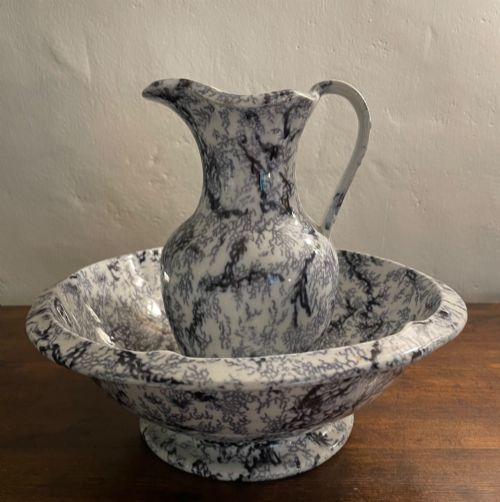
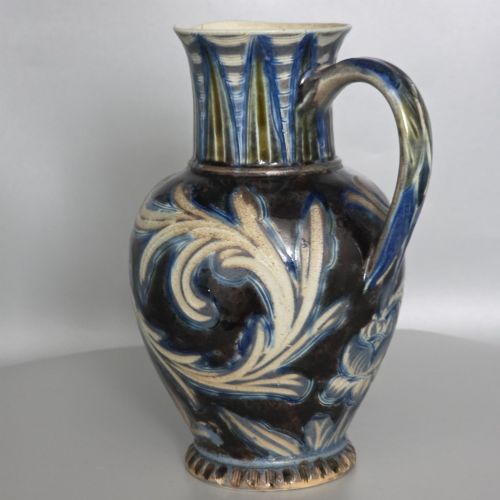
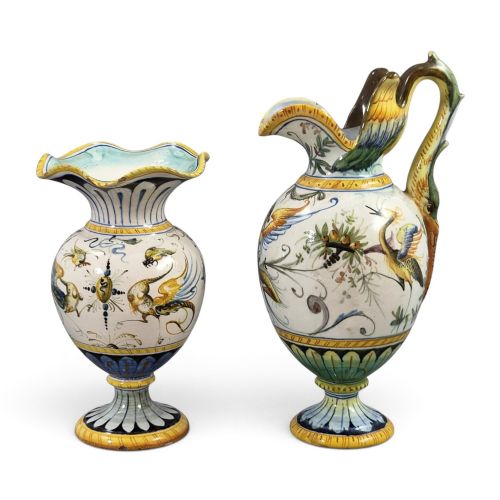
Buyers encountering this page will frequently discover Victorian Doulton Lambeth productions, alongside expansive bathroom sets, majolica wares, and ironstone jugs.
Formations range from practical wash set water jugs to purely decorative Renaissance Revival or Art Nouveau display pieces.
Making the Ewer
Potters shaped these bodies from earthenware, ironstone, and stoneware clays before applying fluid coloured glazes, enamel pigments, and occasional gold leaf or gilt metal mounts.
Firing techniques varied from standard kiln processes to specialised majolica glazing and flow blue transfers, creating deep surface variation across the eras.
Antique Pottery Ewer Retail Price Guide 2026
Typical asking prices for pottery ewer among the pieces listed under this phrase on Sellingantiques today, from the lower quarter to the upper quarter. They describe what is for sale here now, not the wider market.
Some Victorian wash sets secretly hoped nobody would actually pour water from them.
Judging Quality
Superior examples display crisp handling of form, particularly where handles join bodies and spouts draw cleanly away from the rim.
Decoration elevates standard utilitarian shapes through hand-painted detail, precise enamel control, and ambitious stylistic borrowings from Persian or Japanese traditions.
Doulton Lambeth·Mason's Ironstone·Doulton Burslem·Cantagalli Florence·Minton·Shelley·Spode·Davenport
The Antique Pottery Ewer Glossary
- Earthenware
- Porous pottery fired at lower temperatures, requiring an impermeable glaze to hold water effectively.
- Ironstone
- A durable heavy ceramic developed in the nineteenth century, bridging the gap between earthenware and true porcelain.
- Majolica
- Opaque tin-glazed earthenware known for vibrant colour palettes and rich decorative relief work.
- Stoneware
- Dense, vitreous pottery fired at high temperatures, naturally impermeable and resistant to chemical corrosion.
Antique Pottery Ewer: Frequently Asked Questions
How were these ewers used?
Many served practical washing functions within large ceramic bathroom sets, paired with matching basins for daily hygiene before indoor plumbing became universal.
Others functioned purely as decorative ornaments, displayed upon sideboards or mantels to showcase the artistic skill of the pottery.
Are these jugs waterproof?
Most glazed earthenware, ironstone, and stoneware vessels hold water securely, though porous bodies rely entirely on the integrity of their interior glaze.
Pieces with applied metal mounts or delicate enamel work require careful handling to prevent moisture damage.
How do I date an ewer?
Stylistic clues such as Art Nouveau curves or Renaissance Revival motifs offer initial chronological markers alongside manufacturer backstamps stamped into the ceramic base.
Clay composition and glaze characteristics further differentiate eighteenth-century Chinese exports from Victorian earthenware productions.
Where should I display an ewer?
These sculptural vessels suit deep windowsills, console tables, or open shelving where light catches their glazes and surface decoration.
Larger wash set jugs make striking floor-standing focal points when filled with dried botanicals or left empty.