



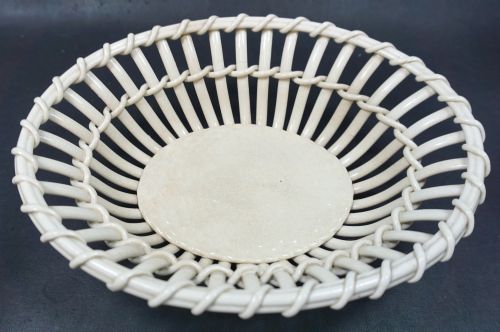
Antique Pottery Dish
When you search for an antique pottery dish, you meet centuries of ceramic skill shaped into serving platters, chargers, and decorative plates.
Antique Pottery Dish
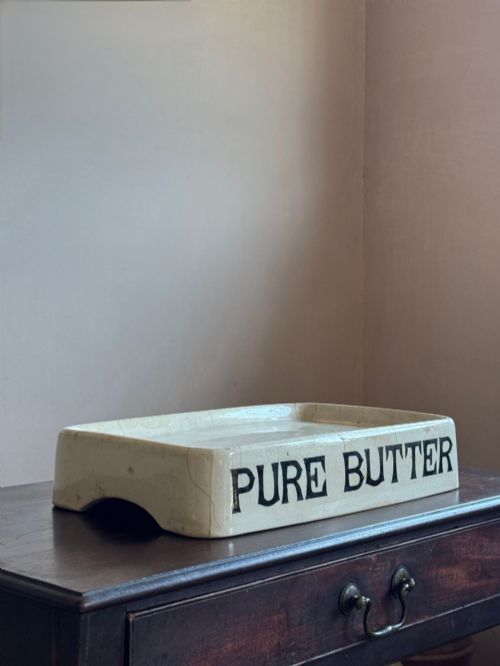
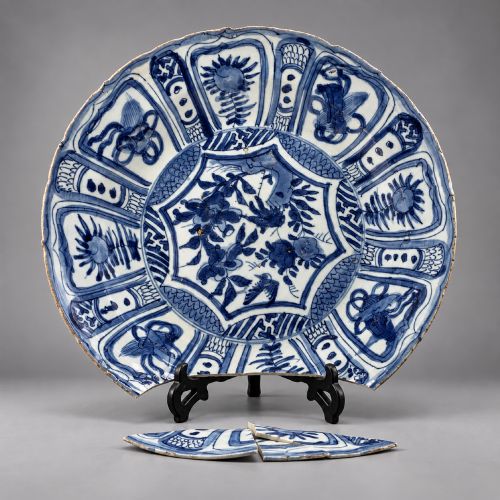
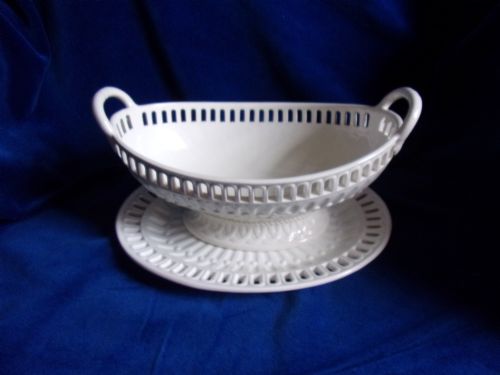
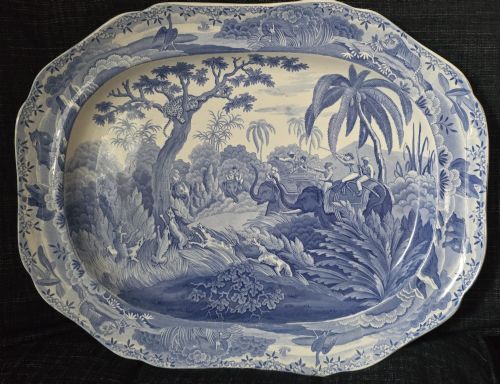
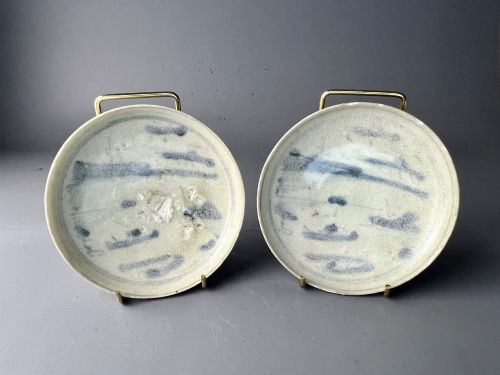
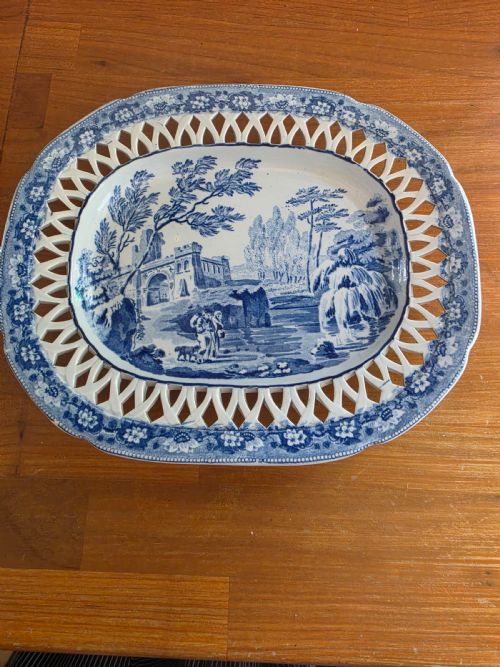
An antique pottery dish spans utilitarian kitchenware and formal table items, originating from diverse global kilns over several centuries. You encounter everything from robust 19th-century creamware baskets and transferware platters to delicate 16th-century Chinese porcelain chargers and tin-glazed earthenware.
Forms vary widely across the selection, ranging from flat plates and deep bowls to cheese domes, tureens, and broad chargers meant for wall hanging or centrepiece display. Each piece reflects the dining habits and decorative tastes of its specific period, whether Georgian, Victorian, or earlier.
Materials and construction
Potters relied on earthenware, stoneware, and porcelain bodies, shaping them by hand, on the wheel, or in moulds before firing. Earthenware pieces often received lead or tin glazes to create an opaque white or glossy surface suitable for painting or transfer printing.
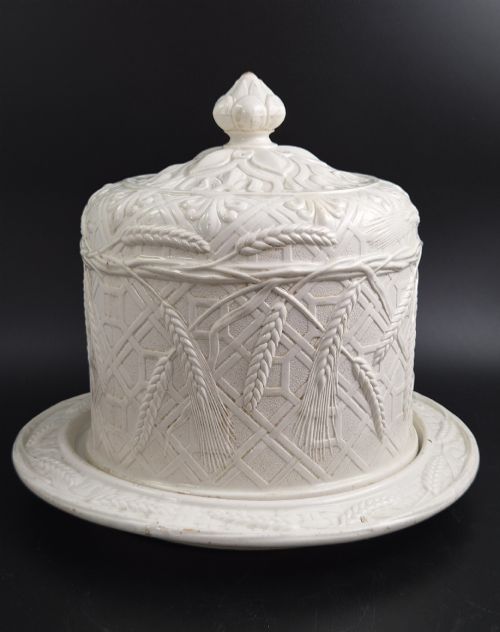
Decoration techniques defined the era, encompassing hand-painted cobalt underglazes, transfer printing in rich blue hues, and colourful majolica enamels. Many items incorporated moulded textures like basket weave or lattice work directly into the clay body before glazing and firing.
Certain Victorian cheese domes were specifically designed to keep pungent stilton contained while looking like rustic wicker baskets.
Quality and craftsmanship
Quality rests in the crispness of the moulded detail, the stability of the glaze, and the precision of the hand-painted or transfer-printed design. Superior pieces maintain clear, sharp motifs without blurring in the blue and white pigments, and show minimal kiln distortion in large chargers.
The skill of the decorator separates standard production ware from exceptional examples, particularly in hand-painted Japanese Satsuma or intricate English transfer patterns. Weight, balance, and the refinement of the ceramic body also distinguish finer creamware and porcelain items from heavier utilitarian vessels.
Wedgewood·Spode·Davenport·George Jones·J. & R. Clews
The Antique Pottery Dish Glossary
- Creamware
- A refined earthenware developed in 18th-century England, characterised by its pale yellowish cream-coloured glaze. Leeds and Wedgwood produced notable examples of this lightweight tableware.
- Transferware
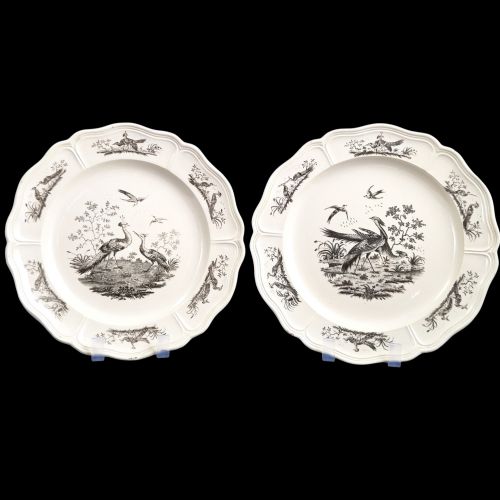
- Pottery decorated by applying a printed design from an engraved copper plate onto tissue paper, which was then transferred onto the unglazed or bisqued ceramic. Blue and white transfer designs became immensely popular during the Georgian and Victorian eras.
- Majolica
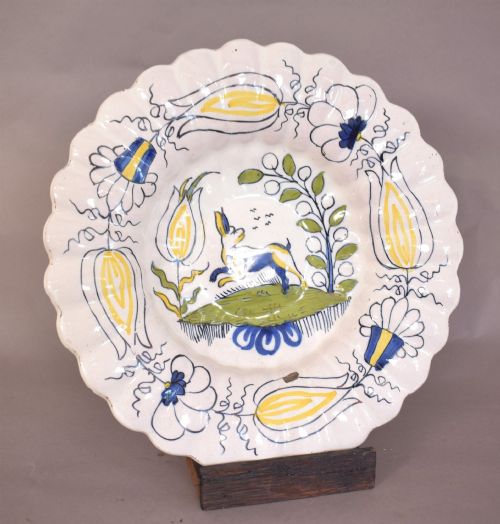
- A colourful, lead-glazed earthenware featuring vibrant opaque enamel colours applied over a tin or lead glaze. Victorian majolica often showcased naturalistic plant and animal motifs.
- Charger
- A large decorative plate or dish traditionally used as a base plate during formal dining or hung on walls for display. These large surfaces often display intricate blue and white landscapes or heraldic designs.
- Tin Glaze
- An earthenware glaze made opaque by the addition of tin oxide, providing a white surface for painting in imitation of Chinese porcelain. This technique defines Dutch Delftware and French faience.
Antique Pottery Dish: Frequently Asked Questions
What is a creamware dish?
Creamware is a fine earthenware body coated in a transparent lead glaze that yields a warm, buttery tone. Developed in England during the 18th century, it offered a lighter, more refined alternative to heavier salt-glazed stonewares.
These dishes often feature delicate moulded basket-weave borders or pierced rims. They served everyday dining and formal dessert courses in Georgian households.
What is transferware pottery?
Transferware is pottery decorated using a copperplate engraving method to apply inked patterns onto the ceramic body. Manufacturers printed the design onto paper and pressed it onto the ceramic before glazing and firing.
This technique allowed potteries to produce intricate, uniform pictorial scenes at scale. Common motifs included pastoral landscapes, historical events, and exotic wildlife.
How do I distinguish Delftware from regular pottery?
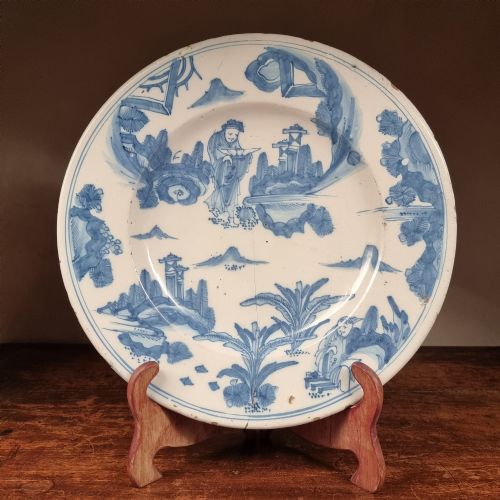
Delftware is a specific type of tin-glazed earthenware characterised by a white, opaque surface painted primarily in cobalt blue. When examined closely, the body often shows a slightly porous reddish or buff clay beneath the white glaze.
Originating in the Netherlands and England, these chargers and dishes frequently emulate Chinese porcelain aesthetics. They often display maritime scenes, floral sprays, or biblical narratives.