


Antique Pottery Cachepot
An antique pottery cachepot brings horticultural display indoors, offering decorative planters shaped by centuries of ceramic tradition.
Antique Pottery Cachepot
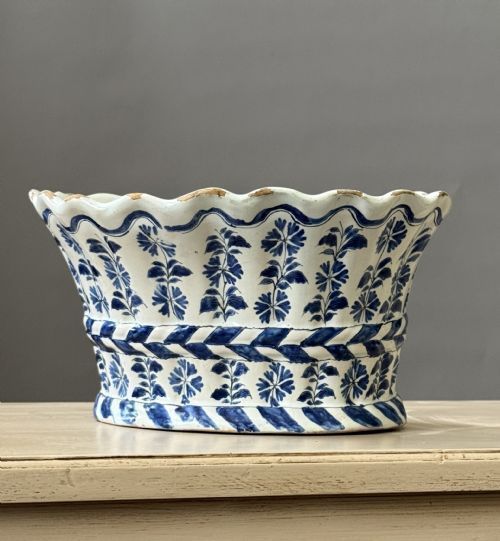
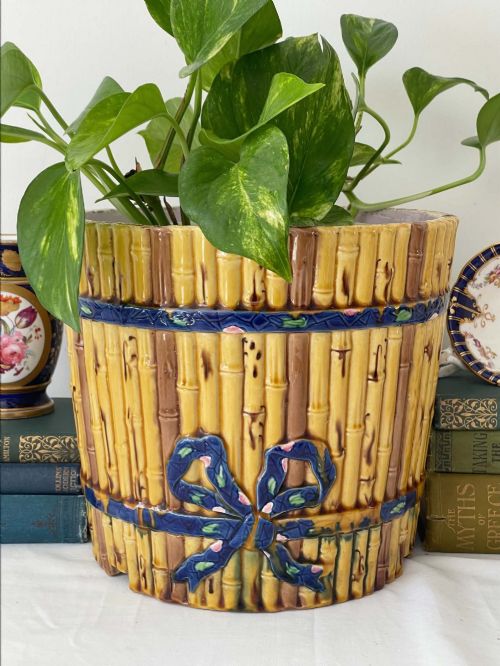
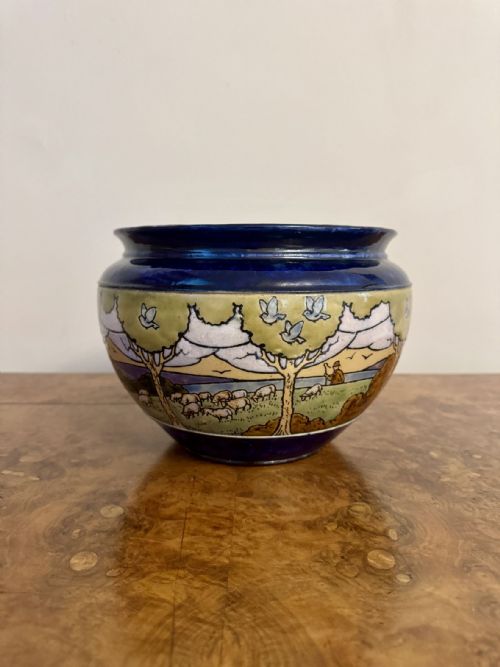
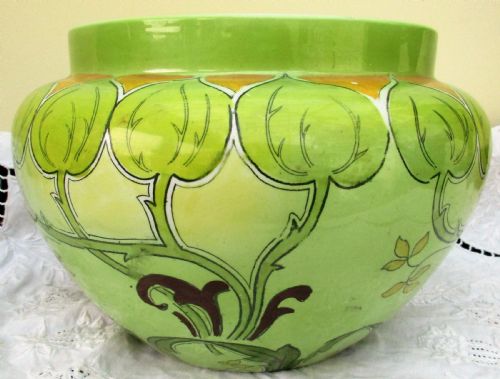
An antique pottery cachepot serves as a decorative vessel designed to conceal an ordinary plant pot, holding roots within domestic rooms. These pieces appear across various forms such as jardinières, bough pots, and planters, often accompanied by stands.
The selection ranges widely across stylistic movements, including Delftware, Victorian Art Pottery, Arts and Crafts, Art Nouveau, and Meiji Period creations. Earthenware and stoneware dominate the physical forms, spanning the eighteenth, nineteenth, and early twentieth centuries.
Makers and potteries from England, France, Japan, and Germany contributed diverse shapes, from multi-handled vessels to traditional bulbous pots. Buyers encounter both utilitarian garden ware and highly finished interior display pieces bearing distinct regional characteristics.
Materials and construction
Potters shaped these vessels from earthenware and stoneware bodies, utilising techniques suited to both wheel-thrown and moulded forms. Tin-glazed earthenware and salt-glazed stoneware provide the foundational physical structures for the majority of these pieces.
Surfaces receive decorative treatment through specialised glazes, enamels, and applied slip decorations. Firing methods dictate the depth and permanence of the colour, sealing the ceramic body for practical containment.
Some early pots were designed with three handles purely so servants could lift heavy damp soil without dropping them.
Distinctions in quality
Excellence in an antique pottery cachepot rests upon the crispness of the modelled detail and the control evident in the glaze application. Superior examples display balanced proportions and deliberate integration of handles or structural feet.
The presence of identifiable studio marks, discernible painter signatures, or documented factory commissions elevates the standing of an individual piece. Handling reveals the deliberate weight and structural integrity intended by the original potter.
W.A. Adderley·Ethel Beard·Doulton Burslem·Doulton Lambeth·Christopher Dresser·Makuzu Kozan II·Linthorpe Pottery·A. Macintyre & Co.·William Moorcroft·Royal Doulton·William Adams & Sons·Enoch Wood & Sons
The Antique Pottery Cachepot Glossary
- Cachepot
- A decorative container designed to hold an ordinary flower pot and catch drainage water. The French term translates literally as hiding pot.
- Jardiniere
- An ornamental pot or stand used for holding plants or flowers within a room. These vessels frequently feature circular bodies and decorative handles.
- Delftware
- Tin-glazed earthenware produced in imitation of Chinese blue and white porcelain. The technique creates a white opaque background painted with cobalt designs.
- Slaterware
- A ceramic technique developed by Doulton featuring textured surfaces resembling lace or basketry pressed into damp clay. This finish often combines with coloured glazes and gilding.
- Jasperware
- A fine-grained, unglazed stoneware developed by Josiah Wedgwood, characterised by contrasting relief figures applied to a coloured body. Blue remains the most prevalent background tint.
Antique Pottery Cachepot: Frequently Asked Questions
How were antique cachepots used?
These vessels sat on tables, windowsills, and plant stands within nineteenth-century parlours and drawing rooms to bring greenery indoors.
They allowed homeowners to display living plants without risking water damage to wooden furniture and fine carpets.
How do I care for antique pottery?
Display these vessels away from direct sunlight and extreme temperature fluctuations to protect the integrity of the antique glaze.
Clean them gently with a dry or barely damp cloth, avoiding abrasive chemicals that might harm historic earthenware surfaces.
How can I tell periods apart?
Stylistic clues such as flowing organic lines indicate Art Nouveau origins, while tin-glazed surfaces point towards earlier European traditions.
Examining the base for factory stamps, impressed registration marks, and the character of the clay body helps establish the approximate date.