

Antique Portraiture Oil Painting
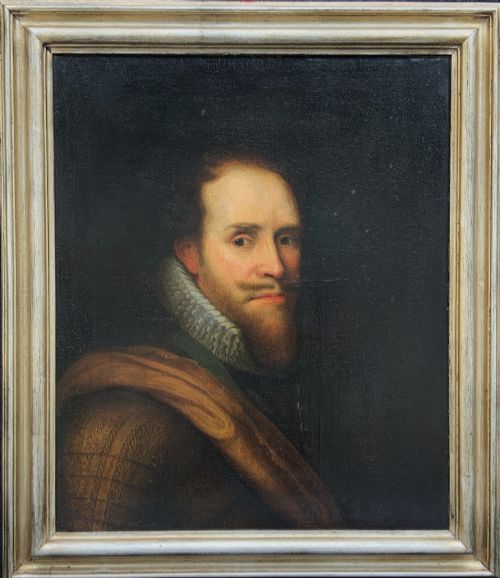
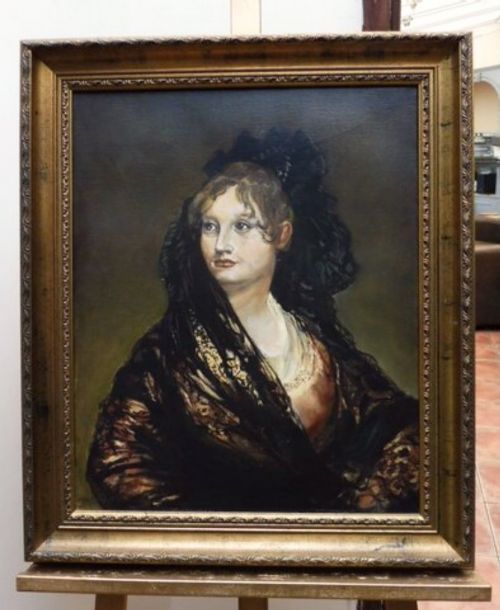
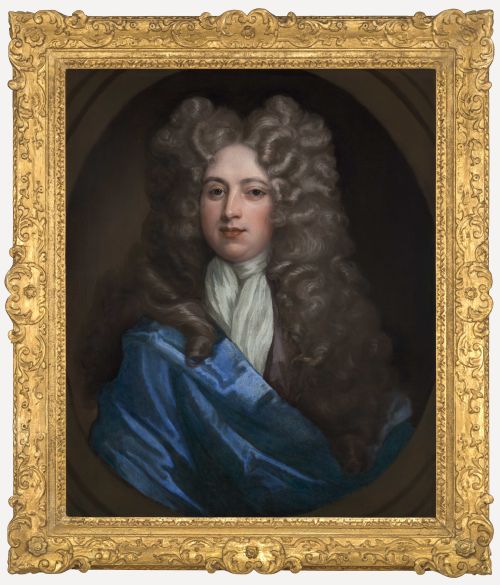
An antique portraiture oil painting brings centuries of character into a room through oil paint on canvas or panel.
Antique Portraiture Oil Painting
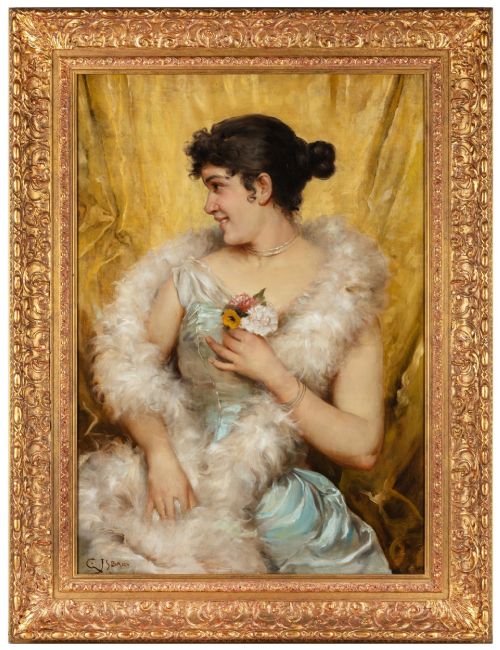
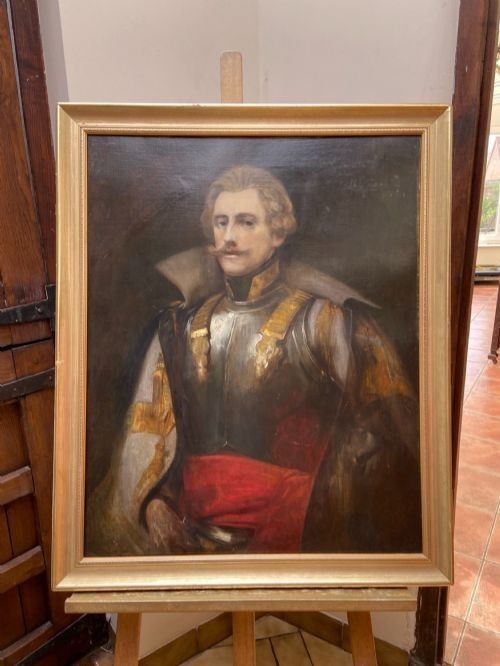
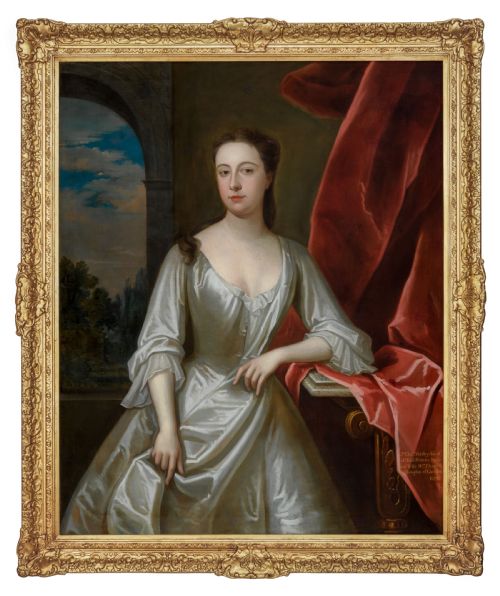
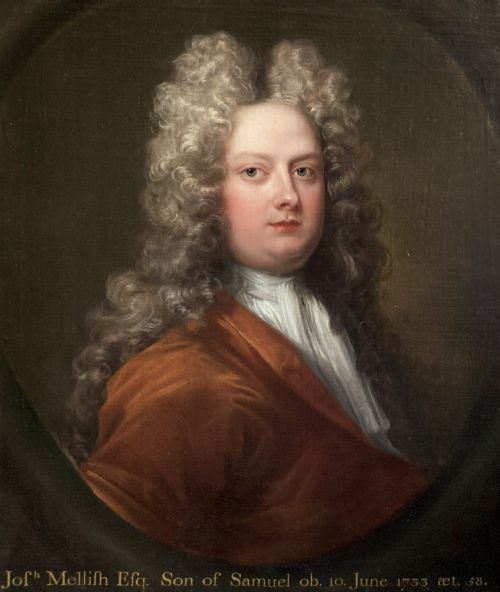
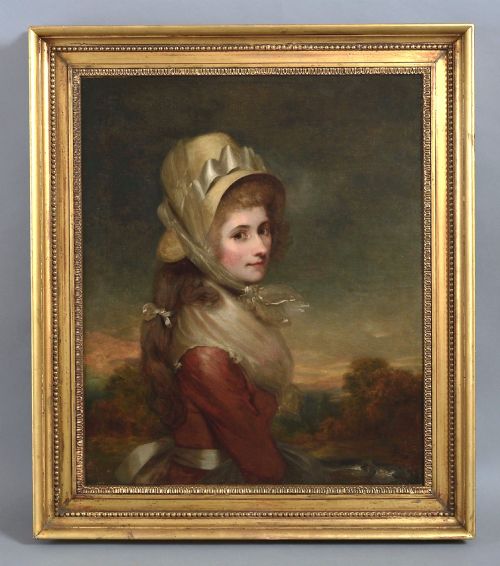
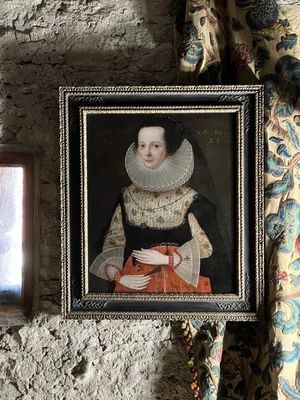
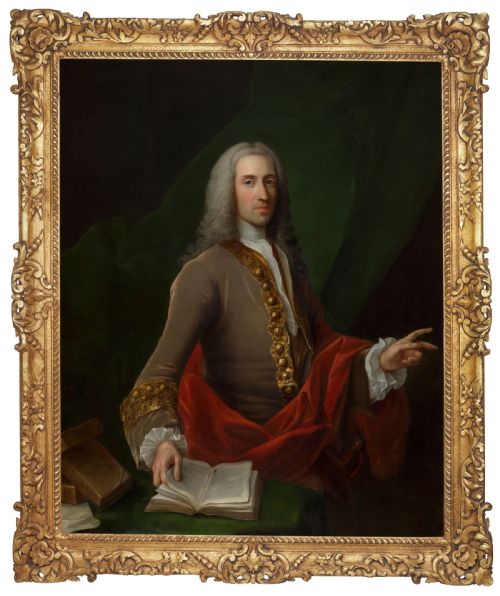
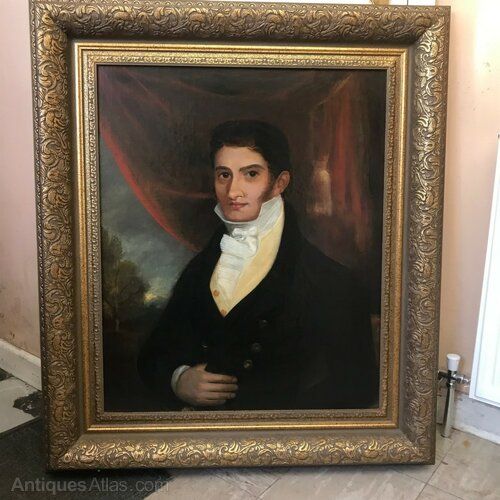
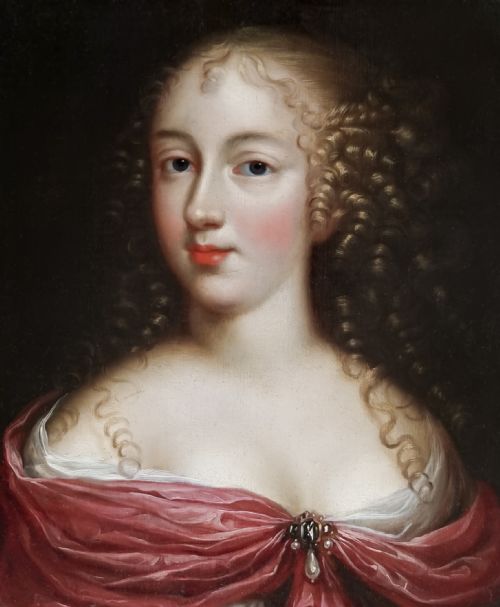
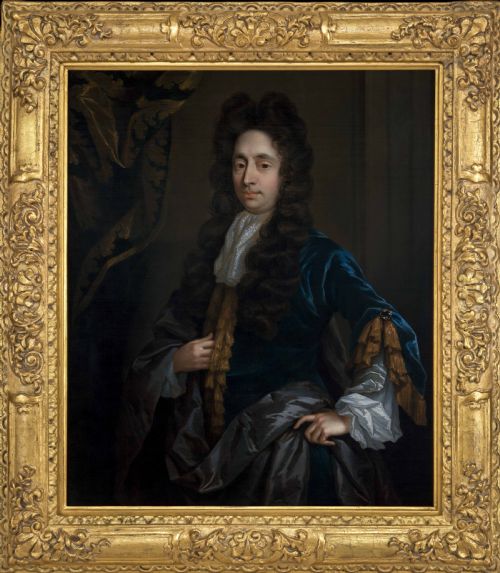
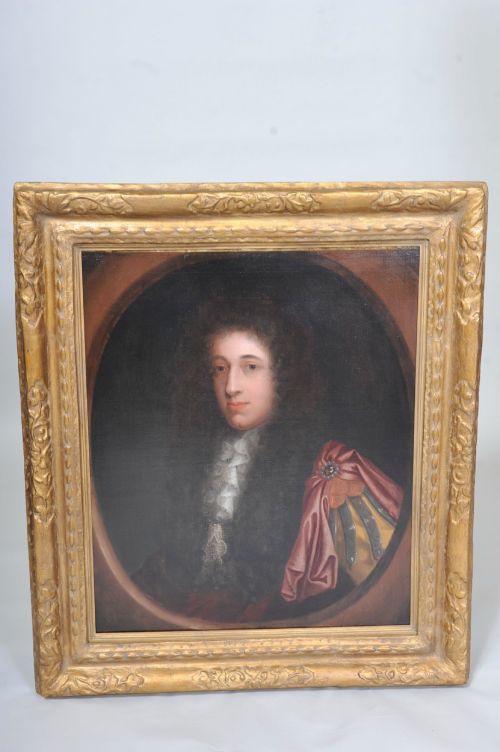
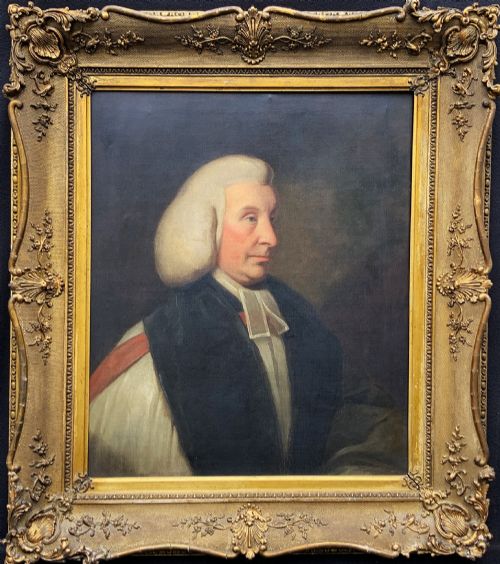
An antique portraiture oil painting captures historical likenesses across multiple centuries, ranging from seventeenth-century nobility to nineteenth-century gentlemen and ladies. These artworks appear on canvas and wood panel, framed in periods spanning the Stuart, Georgian, Regency and Victorian eras.
The selection on this page relies heavily on seventeenth and eighteenth-century British and Dutch schools, alongside Regency and Victorian examples. Buyers encounter framed depictions of named sitters and unknown subjects rendered in oil paint.
The forms vary from intimate head-and-shoulder studies to large canvases depicting officers, noblewomen and children. Each piece preserves historical costume, posture and painterly convention from its specific period.
How they were made
These works utilise oil paint applied to stretched canvas or wooden panels, often framed in period giltwood or gold leaf mouldings. Artists built up compositions using layered pigments to achieve depth in drapery, flesh tones and backgrounds.
Preparation involved priming canvases or boards with gesso before the application of oil media. Guild and studio traditions dictated the handling of light, shadow and pigment mixing across the seventeenth, eighteenth and nineteenth centuries.
Subjects range from military officers and nobility to young children and self-portraits.
What varies in quality
Quality rests upon the autonomy of the brushwork, the anatomical accuracy of the sitter and the preservation of the original paint surface. Master works from established circles or named hands display sophisticated handling of light on fabric and expressive facial detailing.
Secondary tier works by unknown school artists show stiffer rendering, conventional drapery and heavier restoration work. The integrity of the ground layer and the survival of the original giltwood frame further distinguish superior examples.
Sir Godfrey Kneller·Charles Jervas·Joseph Clover·Sir Martin Archer Shee·John Hayls·Jeremiah Davison·Pierre Mignard·Constantyn Netscher·Thomas Murray·Sir Peter Lely·John Scougall·Thomas Beach·Pietro Fachetti·W.R. Waters·Jonny Gaston·Sir Allan Ramsay·Sir William Beechey·Adelaïde Salles-Wagner·John Michael Wright·John Closterman·William Blake Richmond
The Antique Portraiture Oil Painting Glossary
- Oil on canvas
- A painting technique where oil-based pigments are applied to a woven fabric support stretched over a wooden frame. This combination became standard practice for portraiture from the seventeenth century onwards.
- Giltwood
- Wood carved and coated with gold leaf or metallic paint, frequently utilised for period picture frames. These frames contribute significantly to the overall aesthetic and historical context of the artwork.
- Panel
- A flat wooden support used as a base for oil painting instead of canvas. Panel paintings are particularly common in earlier centuries before stretched canvas dominated production.
- Circle of
- A term denoting an artist working closely alongside a master and influenced directly by their style. It indicates a high standard of production associated with a major studio.
- Periwig
- A voluminous man's wig fashionable in the late seventeenth and early eighteenth centuries. Its presence in portraiture helps date the sitter's costume accurately.
Antique Portraiture Oil Painting: Frequently Asked Questions
How do I date an antique portrait?
Dating relies primarily on the sitter's costume, hairstyle and wig style, alongside stretcher construction and canvas type. Inscribed dates and artist signatures occasionally provide direct confirmation.
Comparative analysis with dated works by the same school or artist helps narrow down the decade of execution.
What does studio of mean?
The designation indicates the artwork originated from the workshop of a master painter under their direct supervision. Assistants often executed secondary areas while the master oversaw the composition and facial likeness.
Such pieces reflect the technical standards of the primary artist's establishment.
How should I hang an oil painting?
Hang paintings away from direct sunlight, high humidity and sudden temperature fluctuations to protect the canvas and oil medium. Secure the frame using appropriate wall fixings rated for the weight of the giltwood.
Maintain stable indoor conditions to prevent cracking in the paint layer and warping in wooden panels.
Are original frames important?
Period frames complement the historical context of the artwork and contribute to its visual integrity. Giltwood frames matching the age of the canvas are particularly desirable to collectors.
Replacement frames are common, but period-appropriate mouldings preserve the object's unified appearance.