


17th Century Art Painting
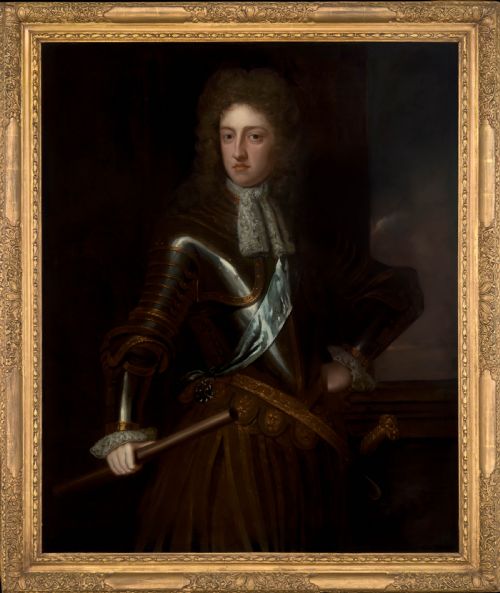
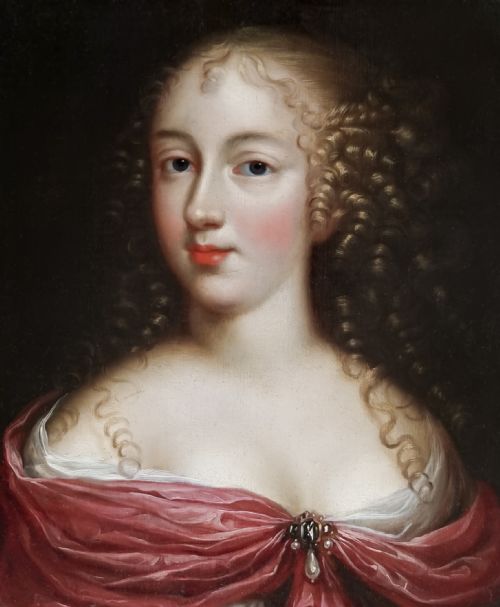
A 17th century art painting brings the heavy gaze of the Baroque and Stuart eras directly onto a wall.
17th Century Art Painting
When searching for a 17th century art painting, a buyer looks at historical oil works executed on canvas or wood panel. These pieces originate from periods such as the Dutch Golden Age, Jacobean, and various regional European schools.
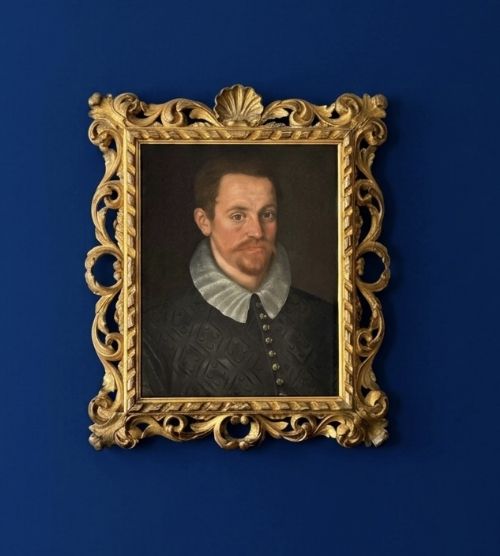
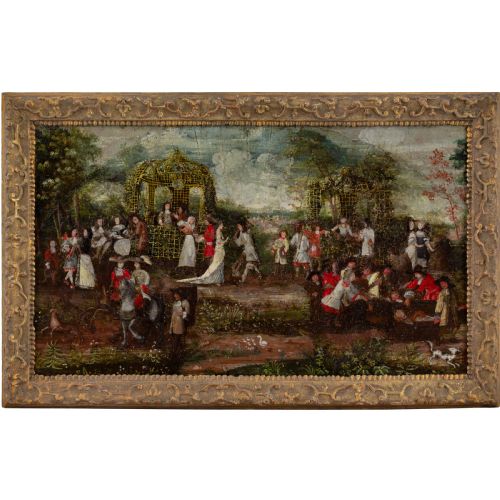
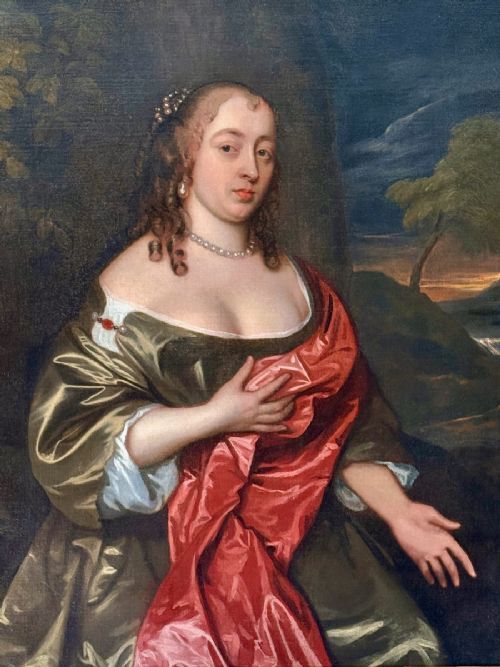
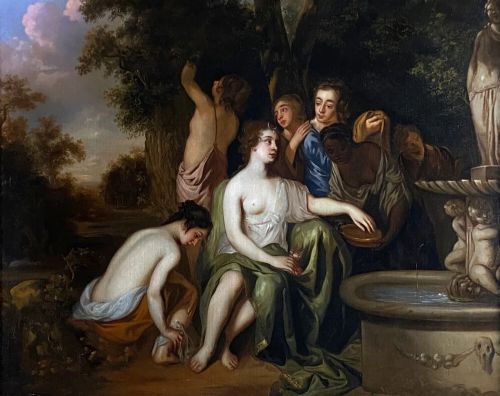
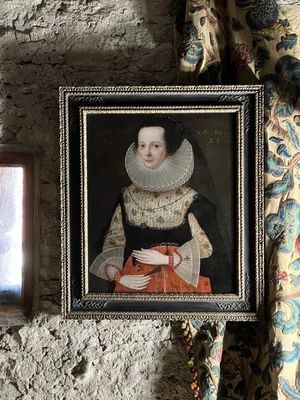
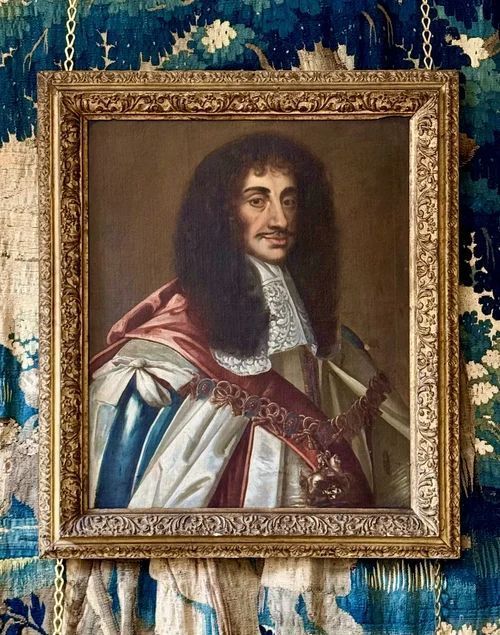
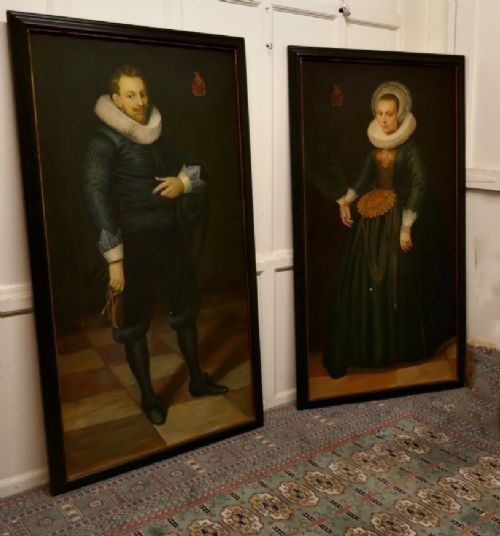
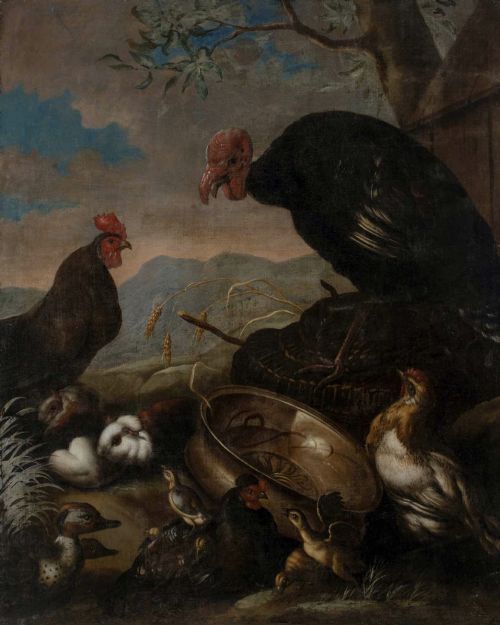
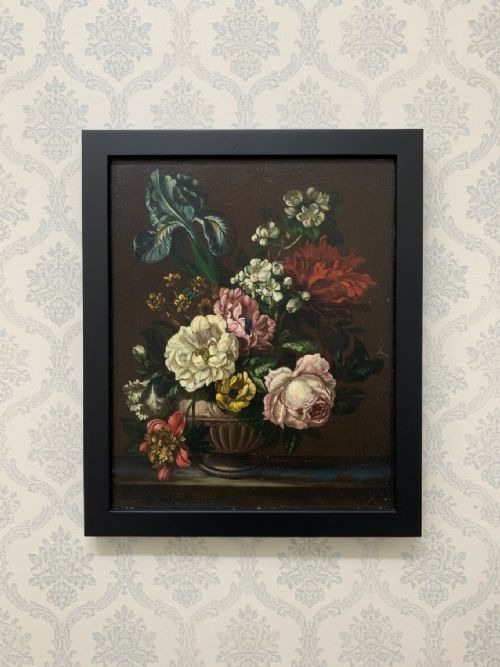
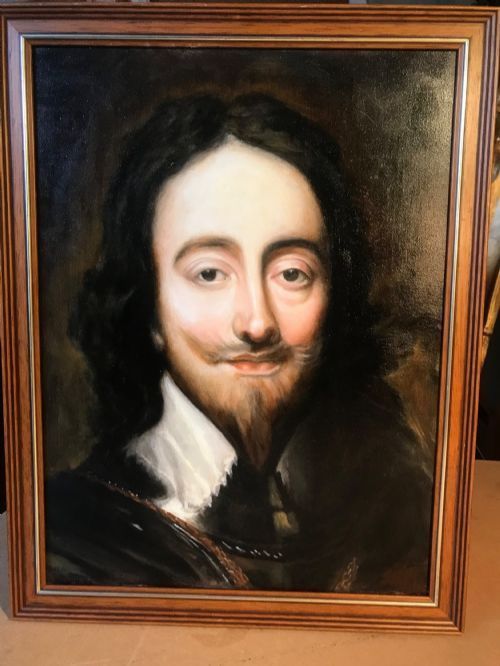
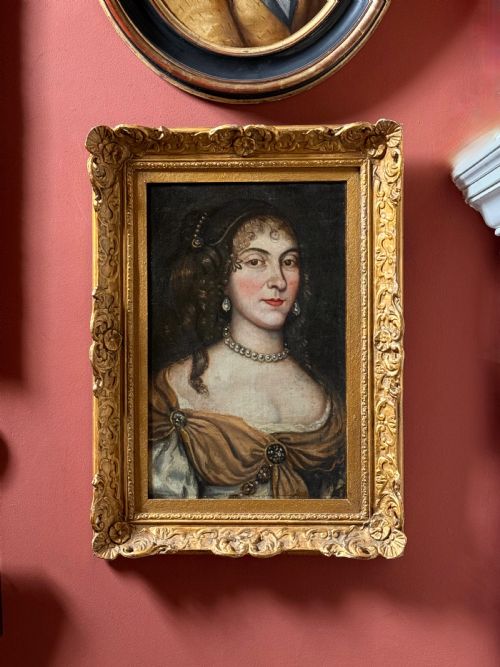
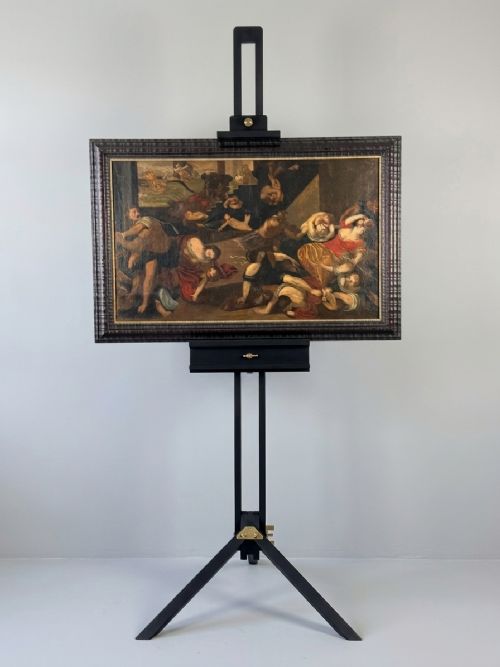
The selection on this page centres predominantly upon portrait paintings depicting noblemen, ladies, military officers, and monarchs. Alongside portraits, examples include biblical scenes, maritime views, still lifes, and landscape compositions.
The origins span English, Dutch, Flemish, French, German, Spanish, and Italian schools. Many works represent studio output, followers, or later copies after prominent masters rather than sole primary hands.
How They Were Made
The foundation of these works relies on oil paint applied to woven canvas, vinyl canvas, or solid wood panels. Preparatory grounds and layered pigments allowed artists to build deep shadows and rich garments.
Framing and ornamentation frequently utilise giltwood and gold leaf to accent the canvas or panel. Support structures employ wood joinery to stabilise the panel or stretcher frames for the canvas.
Several seventeenth-century subjects maintain an intense gaze that follows observers across the room.
What Varies in Quality
The standard of execution differs significantly between an autograph primary work by a recorded master and a studio piece or later provincial copy. Mastery is visible in the confident rendering of lace collars, hands, and facial expressions.
Condition plays a major role in the desirability of these paintings, involving the survival of the original paint surface and the stability of the wood panel or canvas support. Retaining historical frames or original canvas linings elevates the integrity of the piece.
Sir Anthony van Dyck·Sir Peter Lely·Sir Godfrey Kneller·John Hayls·Bartholomeus van der Helst·Angelo Maria Crivelli·Pierre Mignard·Constantyn Netscher·Pieter Borsseler·Mary Beale·Thomas Murray·John Scougall·John Greenhill·John Closterman·Bonaventura Peeters·John Michael Wright·Pietro Fachetti
The 17th Century Art Painting Glossary
- Baroque
- A style of European art spanning the seventeenth century characterised by dramatic movement, deep shadow, and grand scale. It emphasises emotional intensity through strong contrasts of light and dark.
- Oil on Canvas
- Pigment mixed with drying oil applied to a stretched woven fabric support. This technique allowed artists greater flexibility in blending tones compared to rigid panels.
- Wood Panel
- A flat wooden board used as a rigid painting surface before canvas became dominant. Artists prepared the timber ground with gesso before applying oil paint.
- Pentimento
- An alteration in a painting evidenced by visible traces of previous work beneath the top layers of paint. It shows the artist changing composition during the creative process.
- Giltwood
- Wood carved and treated with a thin layer of gold leaf or metallic powder. It provides ornate framing for historic paintings.
17th Century Art Painting: Frequently Asked Questions
Are these paintings original seventeenth-century works?
The listings include authentic seventeenth-century paintings alongside studio pieces, follower works, and later nineteenth-century interpretations after master compositions.
Buyers should examine the specific attribution and date provided in each individual description to determine the exact period of execution.
What is the difference between canvas and panel paintings?
Canvas paintings utilise a flexible woven fabric stretched over a wooden frame, which became increasingly common for larger works. Wood panels offer a rigid timber surface that was frequently utilised for smaller Dutch and early portraits.
Both supports require stable environmental conditions to prevent cracking or warping of the materials over time.
How should I hang a historic oil painting?
Historic paintings require secure wall fixings suited to the substantial weight of the wooden stretcher and giltwood frame. Hardware should be professionally rated to support the exact dimensions of the artwork.
Placement should avoid direct sunlight, heating vents, and damp walls to protect the delicate oil paint and canvas from environmental stress.
What does after a master mean?
A painting described as after an artist indicates that the work is a period or later copy of a known composition by that master. These were often produced by students, studio assistants, or later artists studying historical techniques.
Such pieces capture the visual impact of famous portraits or history scenes without bearing the direct hand of the primary artist.