

Antique Portrait of Mary
An antique portrait of Mary captures centuries of devotion and portraiture, ranging from sacred Renaissance depictions to intimate familial oils.
Antique Portrait of Mary
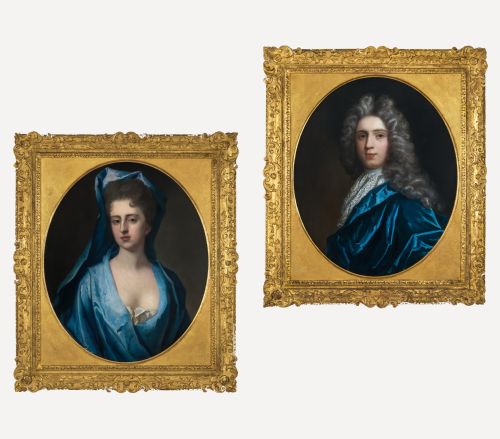
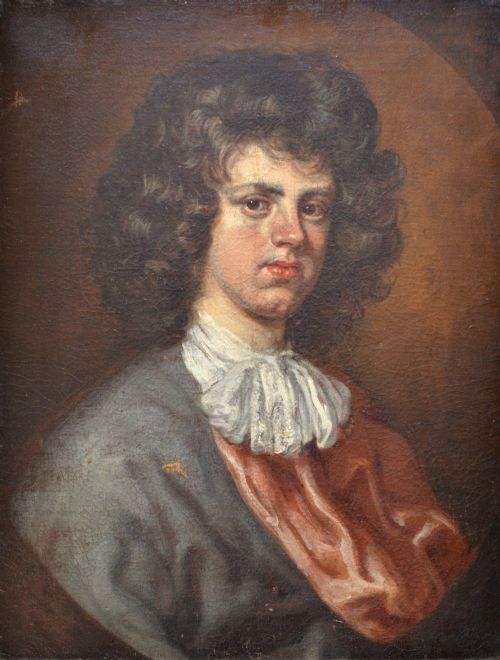
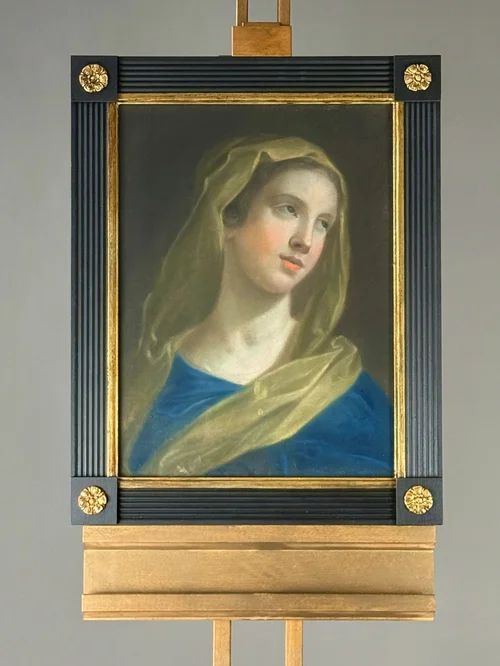
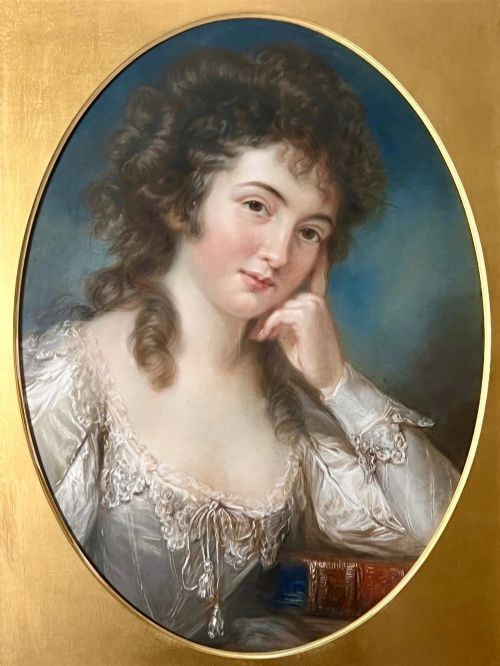
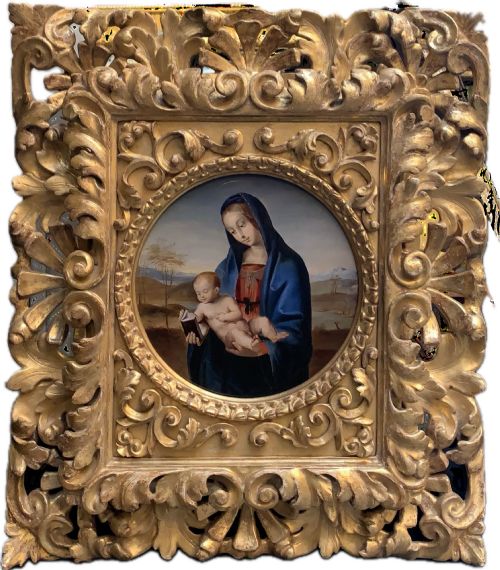
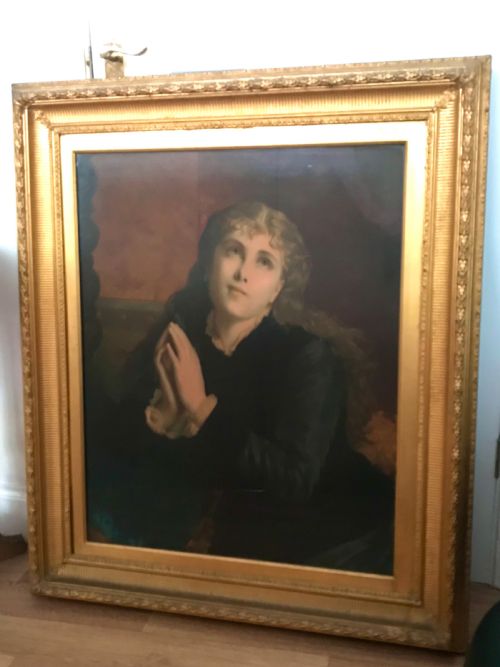
When you search for an antique portrait of Mary, you encounter a diverse gathering of oil paintings, pastels, and miniatures spanning from the sixteenth century through the Victorian era. These artworks portray either the Virgin Mary in various sacred contexts or historical and familial women bearing the name Mary.
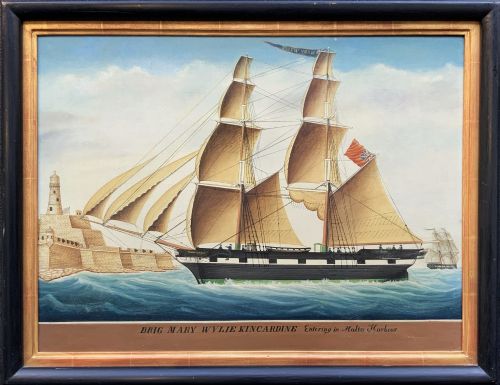
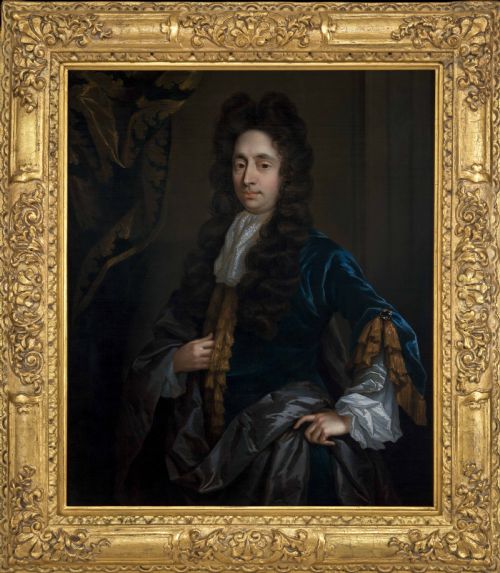
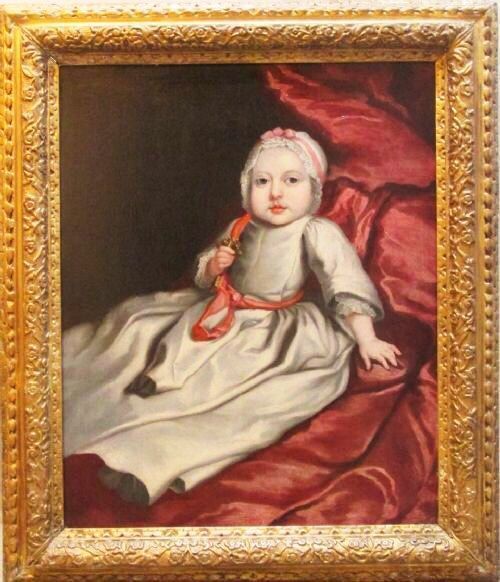
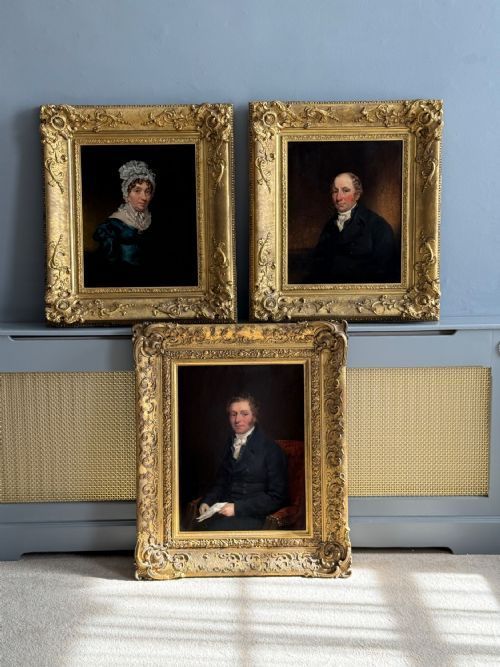
The selection encompasses devotional panels after old masters alongside British domestic portraiture depicting sitters such as Mary Sherborn and Lady Mary Boynton. Canvas and panel works dominate the listings, frequently framed in period giltwood.
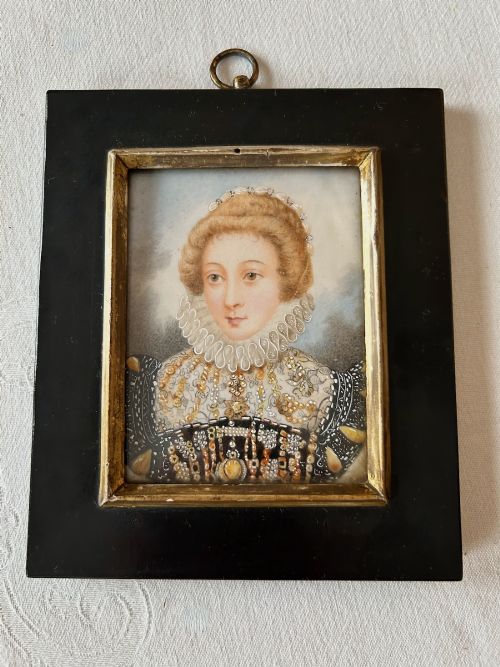
Religious depictions lean heavily toward Italian Renaissance and Baroque interpretations, including numerous representations of the Madonna and Child. Secular pieces present women in sumptuous attire, children, and miniature watercolours intended for personal remembrance.
How They Were Made
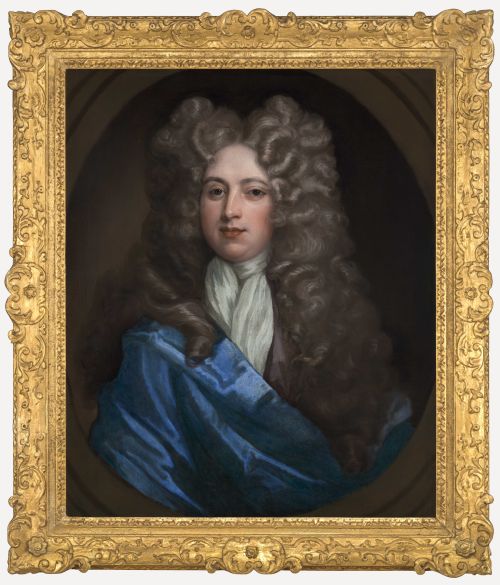
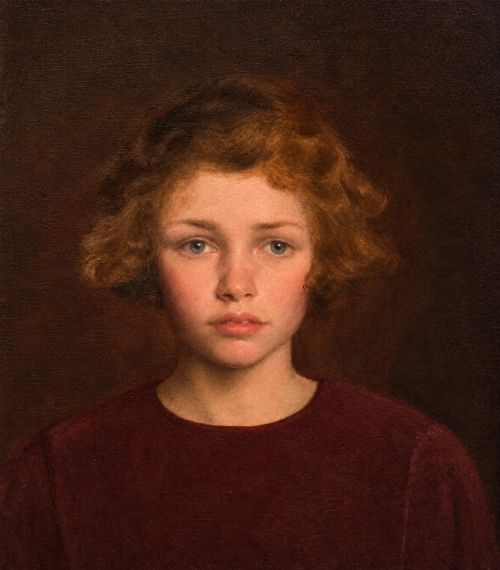
The majority of these works utilise oil paint applied to prepared canvas or wooden panels, a medium that allowed artists to build rich textures in garments and flesh tones. Earlier examples from the sixteenth and seventeenth centuries rely on sturdy wooden panels, whilst later eighteenth and nineteenth-century pieces are predominantly executed on stretched canvas.
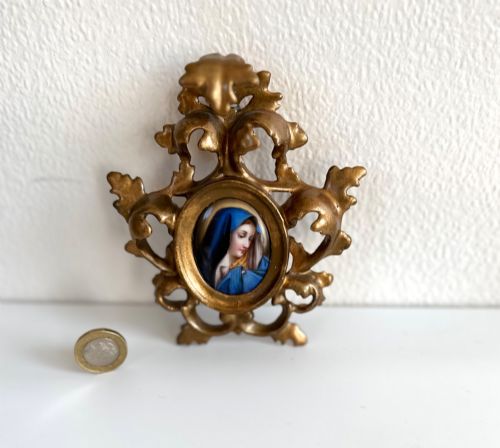
Framing forms an integral part of the physical object, with many pieces housed in period giltwood frames finished with gold leaf. Miniature portraits employ delicate media such as watercolour on ivory or vellum, often protected beneath glass within intimate lockets or frames.
Several portraits quietly insist on sharing the canvas with beloved pets, including King Charles Spaniels and Cairn Terriers.
What Varies in Quality
The distinction between standard studio production and exceptional mastery lies in the subtlety of facial modelling and the handling of drapery. Finer hands achieve depth in skin tones and natural fall in textiles, whereas lesser works remain stiff and formulaic.
Provenance and attribution elevate certain pieces significantly, particularly those linked directly to established workshops or documented historical figures. Condition also dictates standing, with undisturbed original surfaces and untouched early frames holding greater regard among collectors.
Joseph Clover RA·Henri Fradelle·George Atkinson·Michael Dahl·Thomas Murray·Mary Beale·Benedetto Luti·Bernardino Luini·John Russell RA·James Watson·Francis Cotes·Cornelius Johnson·William Henry Knight·Sir Joshua Reynolds·Costantino Frixione·Alexander Maclean·Gian Lorenzo Bertolotto·Guido Reni·Sir Godfrey Kneller·Pompeo Batoni
The Antique Portrait of Mary Glossary
- Oil on canvas
- Pigments bound in drying oil applied to a woven fabric support. This technique became the standard for European portraiture from the sixteenth century onward.
- Panel painting
- An artwork executed on a flat piece of wood rather than fabric. Baltic oak and mahogany served as common supports for early portraits.
- Giltwood
- Timber carved and coated with gold leaf or metallic powder. These frames define the aesthetic of formal European oil paintings.
- Portrait miniature
- A small-scale likeness designed for personal closeness. These delicate items frequently feature watercolour on vellum or ivory.
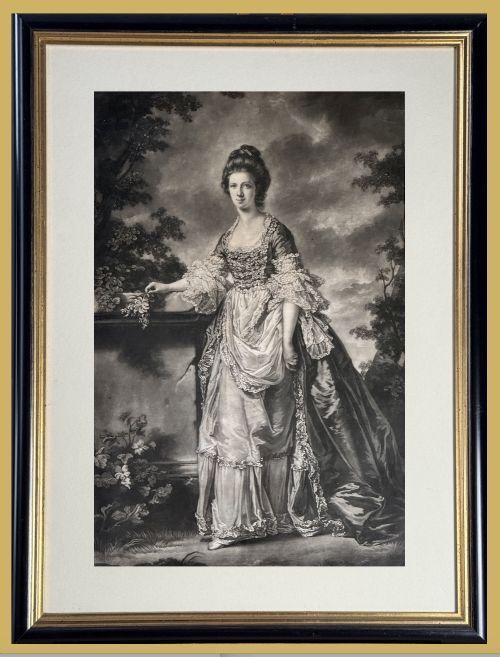
- Mezzotint
- A printmaking process of the intaglio family where tonal gradations are scraped onto a copper plate. It achieved popularity for translating painted portraits into multiple impressions.
Antique Portrait of Mary: Frequently Asked Questions
How do I date an antique painting?
Dating relies upon stylistic cues in the sitter's costume, hair, and framing materials, alongside technical examination of the canvas or panel. Pigment analysis and stretcher construction offer further clues.
Inscriptions on the reverse or documented provenance records often provide definitive dates or narrow down the active period of the artist.
What is the difference between an original and an after work?
An original painting represents an artist's direct composition from life or imagination. An after work is a later artist's deliberate copy of a famous master's composition.
Copies after Raphael or other old masters were traditionally created for study or to supply collectors who desired renowned sacred imagery.
How should I care for an oil on canvas?
Protect oil paintings from direct sunlight and maintain stable relative humidity to prevent the canvas from slackening or the wooden stretcher from warping. Dust gently with a soft, dry brush.
Avoid hanging pieces near heat sources and consult a professional conservator before attempting any cleaning of the paint surface.
Are portrait miniatures painted on ivory?
Many eighteenth and nineteenth-century miniatures utilise thin slices of ivory as a painting ground because its translucent quality mimics human skin. Later or alternative examples employ vellum or card.
These delicate objects require specialised preservation away from bright light to prevent fading of the watercolour pigments.