



Italian Baroque Fine Art
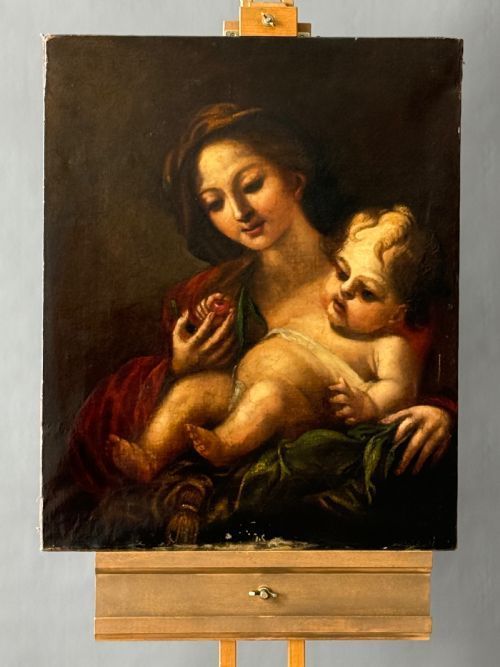
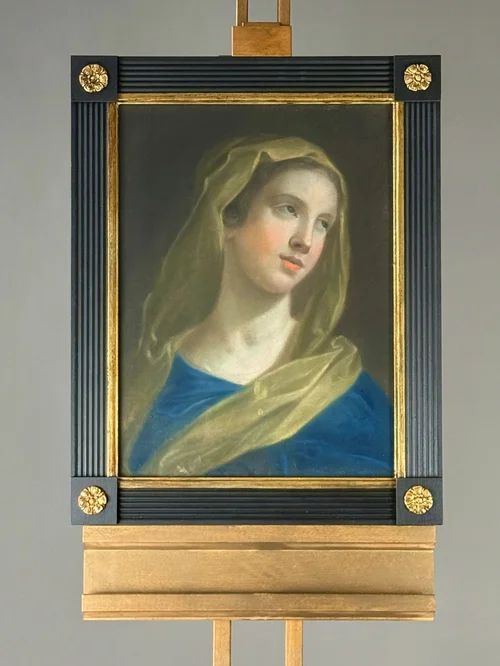
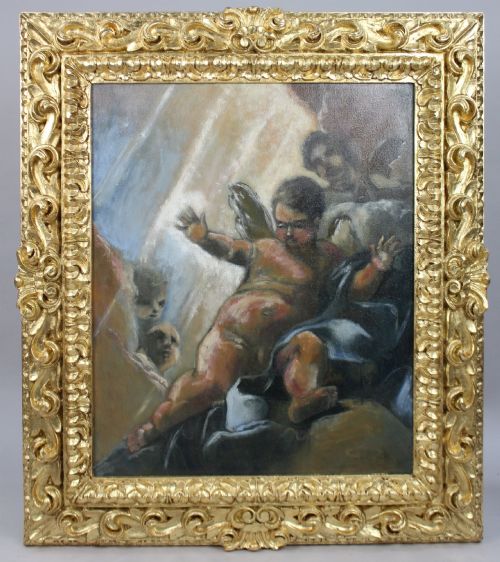
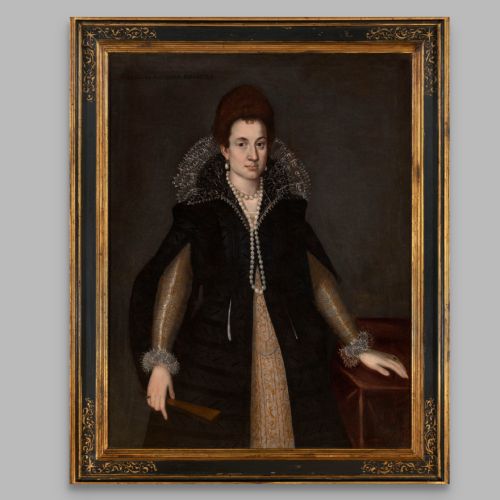
These pieces of italian baroque fine art bring dramatic canvas work and gilt frames into a room, spanning the seventeenth and eighteenth centuries.
Italian Baroque Fine Art
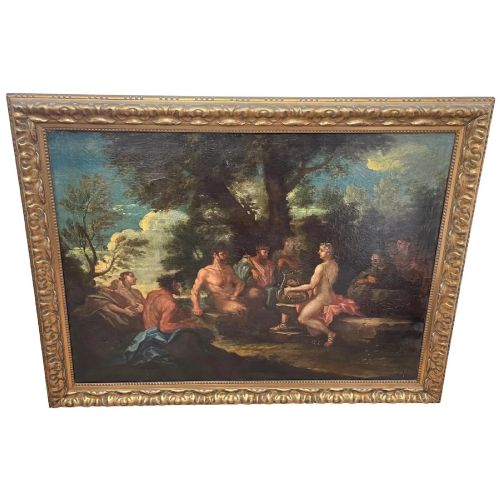
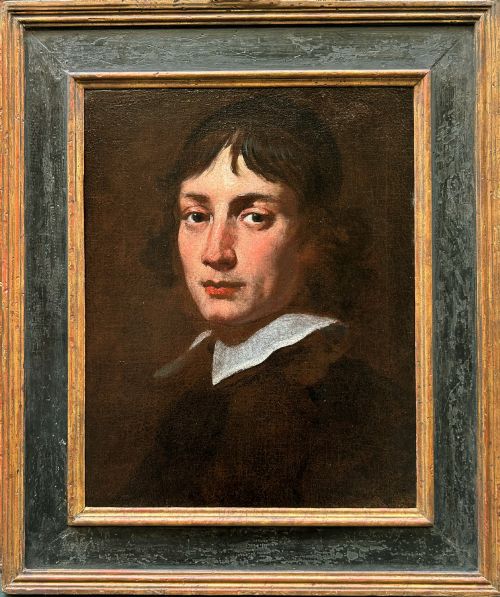
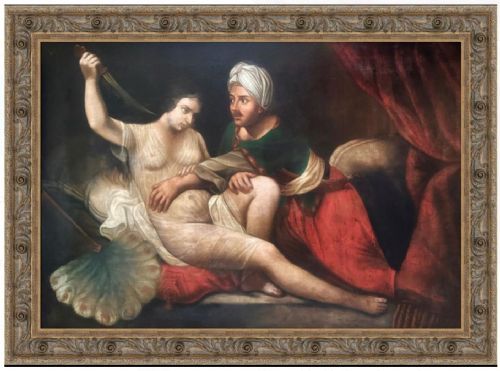
When you examine italian baroque fine art, you encounter oil paintings on canvas depicting religious subjects, mythological scenes, and portraits from regional schools. These works capture figures with theatrical intensity and deep shadow work typical of the period.
The selections on this page range from seventeenth-century masterworks to eighteenth-century interpretations, alongside occasional twentieth-century pieces executed in a renaissance style. You will find both intimate portrait studies and large-scale maritime or landscape scenes.
Materials and construction
Painters applied oil pigments onto stretched canvas grounds, building up rich layers of tone to create dramatic chiaroscuro effects. These canvases are frequently housed in carved giltwood and gold leaf frames that complement the ornate visual language of the paintings.
Makers shaped wooden elements to form heavy, decorative frames finished with gilt and gold leaf applications. The combination of oil on canvas with elaborate wooden surrounds defines the physical presence of these works.
Mary Magdalene spends her time across these canvases contemplating eternity while framed in shining gold leaf.
Qualities that set works apart
Frame craftsmanship also plays a role in the overall integrity of the piece, with period carved giltwood frames adding substantial character. The preservation of the original canvas surface and pigment layers determines the visual impact of each painting.
Benedetto Luti·Pietro Fachetti·Guillaume Courtois·Bartolomeo Schedoni·Francesco Albani·Guido Reni·Andrea Celesti·Giacomo Nani
The Italian Baroque Fine Art Glossary
- Baroque
- A style of European art from the seventeenth and early eighteenth centuries characterised by drama, tension, and grand scale. It prioritises rich colour and strong contrasts between light and dark.
- Giltwood
- Wood that has been coated with a thin layer of gold leaf or gold paint. It forms the decorative border for many classical paintings.
- Chiaroscuro
- An artistic technique using strong contrasts between light and dark to give subjects a three-dimensional volume. It remains a defining feature of seventeenth-century painting.
- Old Master
- A term for a European painter of skill who worked before about eighteen hundred. These artists formed the backbone of traditional academy training.
- Provenance
- The chronological history of the ownership of a work of art. Documented lineage helps confirm authenticity and attribution.
Italian Baroque Fine Art: Frequently Asked Questions
How do I hang a heavy oil painting?
These works require secure wall anchors or direct fixing into wooden studs due to the combined weight of the canvas and carved wooden frame. Professional hanging hardware ensures the piece remains stable.
Position the painting at eye level where ambient light can illuminate the canvas without creating direct glare on the varnished surface.
What subjects are most common?
Religious narratives, mythological tales, and portrait studies dominate the selection, reflecting the patronage and cultural focus of the seventeenth and eighteenth centuries. Figures often display heightened emotion and dynamic movement.
Landscapes and seascapes also appear, capturing classical ruins and coastal ports with atmospheric depth.
How should I clean an old painting?
Surface dust should be removed gently with a soft, dry brush by someone experienced in handling historic canvas works. Moisture and household cleaners must be avoided to prevent damage to the oil pigments.
Professional conservators should handle any deep cleaning, varnish removal, or canvas repairs to maintain the integrity of the piece.
How do I identify a school or circle?
Attributions to specific schools, such as the Veronese or Venetian traditions, rely on stylistic traits, brushwork techniques, and regional colour palettes. Scholars compare these elements against documented works by master painters.
Signatures are uncommon on historical school pieces, meaning attribution is often determined through stylistic analysis and historical context.