


Antique Porcelain Vessel Pair
An antique porcelain vessel pair brings balanced symmetry and historic craft to a room, uniting matched forms from the nineteenth and twentieth centuries.
Antique Porcelain Vessel Pair
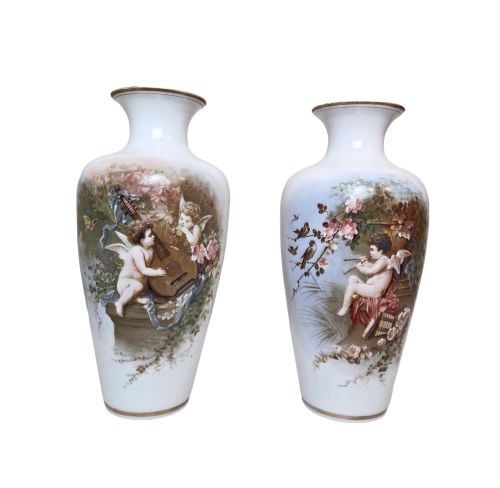
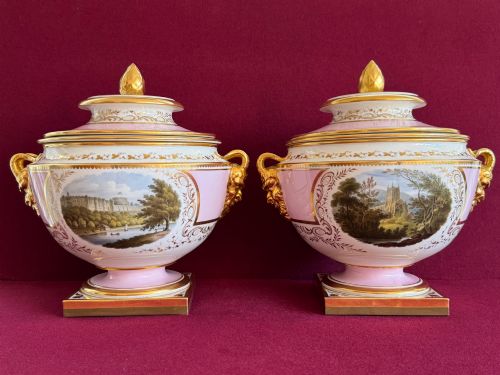
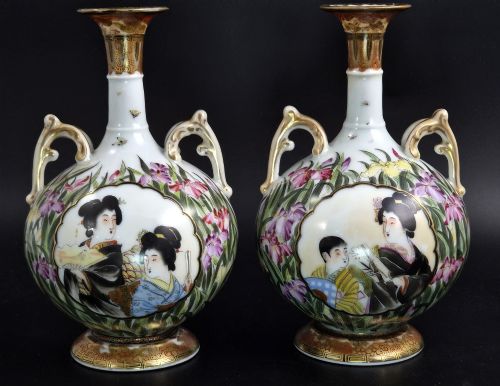
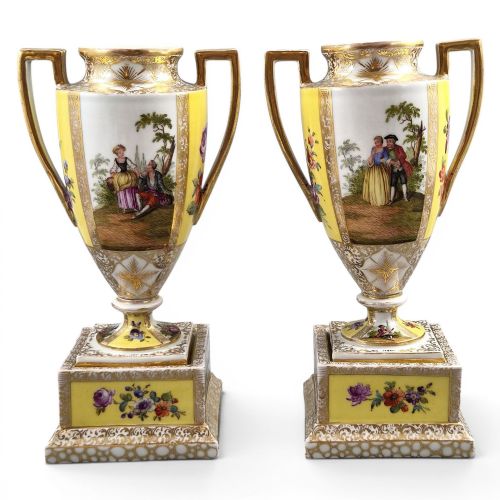
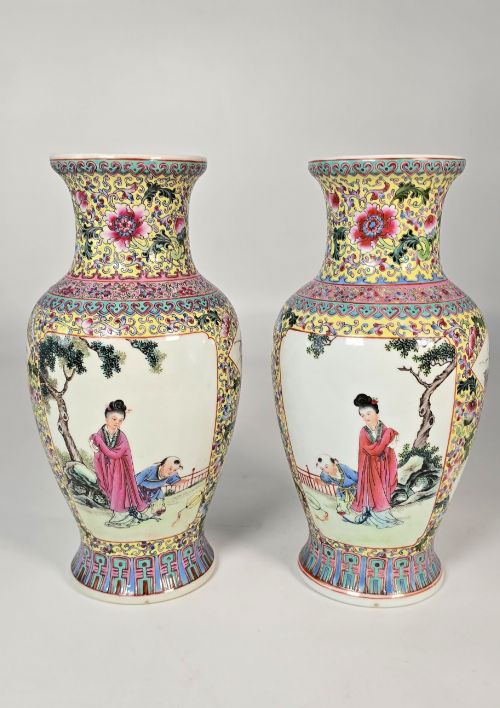
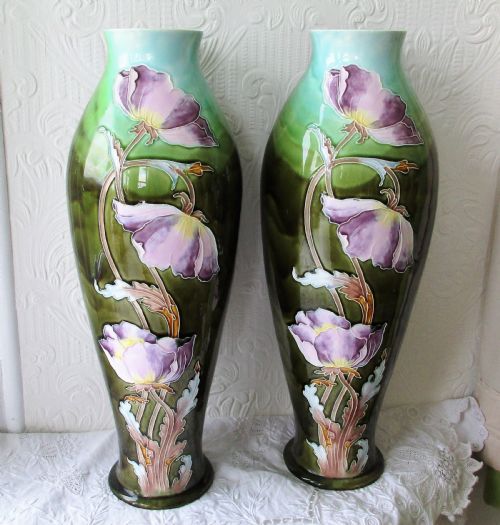
An antique porcelain vessel pair comprises matched dual objects designed for display, encompassing forms such as baluster vases, lidded urns, ginger jars, and jardinieres. These symmetrical sets reflect diverse origins, spanning European factories and Japanese Meiji period workshops.
The selection here draws heavily on nineteenth-century Victorian pieces alongside Meiji period Japanese ceramics and early twentieth-century creations. Buyers frequently encounter matched baluster vases and decorative jardinieres decorated with hand-painted scenes, enamel, and gilding.
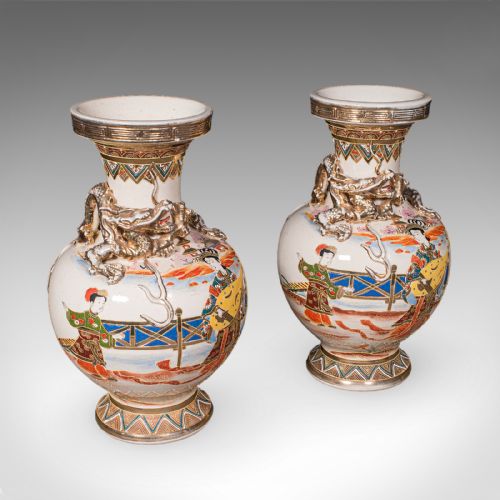
Origin and period dictate the character of each antique porcelain vessel pair, moving from intricate Japanese Imari and Satsuma wares to European porcelain and earthenware. Each set demonstrates the historical preference for symmetrical interior decoration across different cultures.
Materials and Techniques
Maker utilise porcelain, ceramic, earthenware, and stoneware as primary bodies, shaping them into globular, baluster, or oval forms. Potters then apply complex glazes, including tea dust finishes and rich cobalt blues, to prepare the surfaces for further ornamentation.
Enamel and gold leaf provide the decorative layer, executed through meticulous hand-painted details and gilding techniques. Skilled artisans combine these surface treatments with techniques like slater's patent texturing to create depth and tactile contrast.
Distinctions in Execution
Quality rests in the precision of the hand-painted brushwork and the crispness of the enamel and gilding applications. Superior sets display controlled detail and harmonious balance across both pieces, whereas lesser examples show uneven pigment or hurried execution.
The integrity of the ceramic body and the depth of the glaze separate standard production from exceptional studio output. Mastery of firing temperatures and delicate decorative additions elevate specific pieces above typical factory output.
Helena Wolfsohn Dresden·Carlton Ware·Kinkozan·Wedgwood·Royal Doulton Lambeth·Sitzendorf Porcelain·Alexandra Porcelain Works Ernst Wahliss·Royal Worcester·Fukagawa·Samson
The Antique Porcelain Vessel Pair Glossary
- Baluster
- A vase form with a rounded body that tapers toward the base and swells near the lower centre. This traditional shape offers a stable silhouette suited for display.
- Imari
- A style of Japanese export ceramic characterised by deep cobalt blue, iron red, and gold accents. These wares gained immense popularity across European interiors during the nineteenth century.
- Jardiniere
- An ornamental pot or receptacle designed to hold plants or floral arrangements. They frequently appear in ceramic or porcelain pairs for mantel or table placement.
- Satsuma
- A type of earthenware originating from Japan, featuring a crackled creamy glaze decorated with polychrome enamels and extensive gilding. Pieces from the Meiji period are particularly sought after by collectors.
- Gilding
- The application of gold leaf or powdered gold paint to the surface of ceramics. It highlights rims, handles, and painted motifs with a metallic sheen.
Antique Porcelain Vessel Pair: Frequently Asked Questions
How do I display a pair safely?
Place them on stable, level surfaces away from high-traffic edges where accidental knocks might occur. Ensure direct sunlight is managed to protect delicate enamel and gold leaf.
Keep them distanced from direct heat sources to prevent thermal stress on the ceramic body. Symmetrical placement on mantelpieces or sideboards enhances their visual balance.
Were these pairs used for flowers?
Some vessels, particularly jardinieres and certain vases, served practical functions for holding water and floral arrangements. Others functioned purely as decorative objects intended for visual display on furniture.
Examination of the interior surfaces often reveals water marks or staining that confirms historical use. Many surviving pieces retain pristine interiors, indicating they remained purely decorative items.
How do I identify Meiji period pieces?
Meiji period ceramics originate from Japan between eighteen sixty-eight and nineteen twelve, often marked by intricate Satsuma or Imari decoration. Artisans during this era focused on fine hand-painted motifs combined with dense gilding.
Examine the base for artist signatures or workshop stamps typical of Japanese export porcelain. The combination of fine crackle-glaze earthenware and elaborate pictorial scenes strongly points to this era.
What is the difference between porcelain and earthenware?
Porcelain is fired at higher temperatures using fine white clay, resulting in a vitrified, non-porous material that often rings when struck. Earthenware uses coarser clay fired at lower temperatures, producing a more porous and opaque body.
Many decorative items described as porcelain actually encompass varied ceramic and stoneware bodies. Understanding this distinction helps clarify the weight and durability of each set.